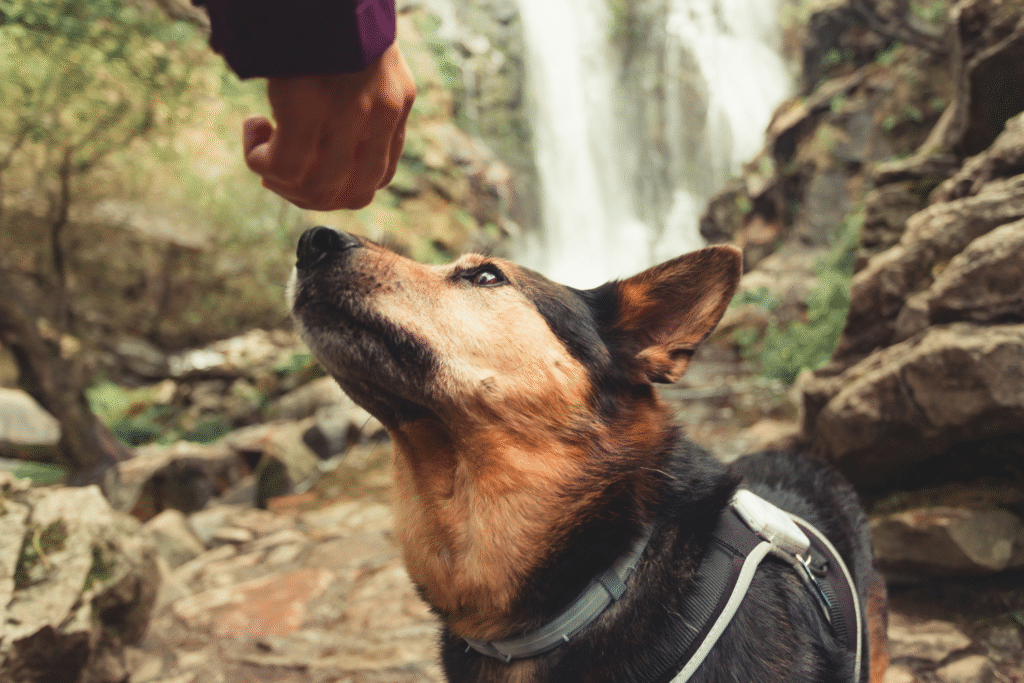
9 Common Foods That Can Secretly Cause Pancreatitis in Dogs

Some “safe” snacks can dangerously inflame your dog’s pancreas.

©Image license via Canva

When we share our treats with our dogs, it often feels harmless. Yet beneath the surface, the pancreas can silently react and shift from working fine to seriously inflamed. Pancreatitis in dogs might appear sporadic, or even mysterious, but diet and specific foods play a larger role than many realize. Spotting the high-risk foods and substituting smarter choices can reduce the chance of a painful flare-up. These nine commonly given foods are frequent triggers, especially when served casually or in excess.
Read more

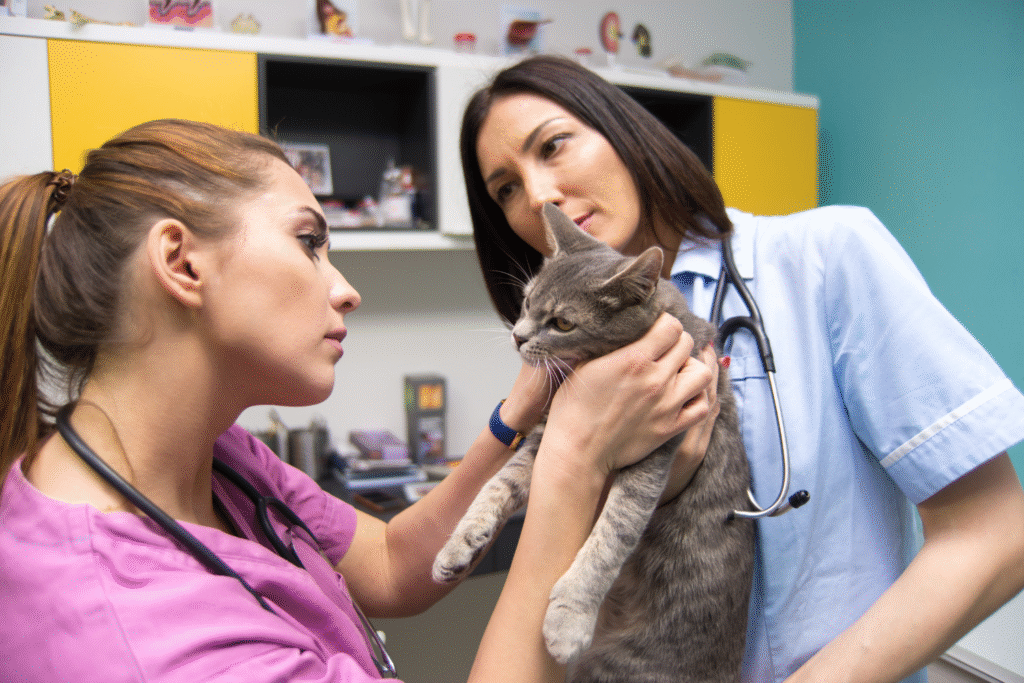
Feline Leukemia Virus Is Spreading Again and What to Look For

A retrovirus is quietly resurfacing in cat populations.

©Image license via Canva

Feline Leukemia Virus (FeLV) has never truly disappeared—it only went quiet. Now, new testing data from shelters and regional studies show it’s resurfacing, especially in areas with high stray cat density or uneven vaccination coverage. Because FeLV spreads through close contact and can lie dormant for years, outbreaks build slowly before anyone notices. Many owners assume the risk is gone, but veterinarians warn the opposite. Early detection and consistent prevention are once again critical for protecting both household pets and entire feline communities.

Read more

12 Dog Breeds That Develop Arthritis Before Age Seven

Joint damage often starts long before it’s visible.

©Image license via Canva

Arthritis in dogs doesn’t wait until old age, it can begin quietly in middle age or even earlier for certain breeds. Genetics, rapid growth, and years of wear on the joints can cause cartilage to thin long before an owner notices stiffness or slowing down. Many dogs simply mask discomfort until the damage is done. Recognizing which breeds are most vulnerable helps owners stay one step ahead with prevention, early vet screenings, and lifestyle changes that keep them moving comfortably well beyond their seventh birthday.

Read more

10 Things You Should Never Do When a Dog Is Sniffing You

Small mistakes can turn a harmless sniff into real tension.

©Image via Canva

It feels harmless enough—standing still while a dog investigates your shoes, your jeans, your entire existence—but those few seconds actually set the tone for how they’ll see you. A sniff is their first handshake, résumé, and background check rolled into one. How you act during it matters more than most people realize. Even the friendliest dog can get startled or defensive if you send the wrong signal, and once that trust breaks, it’s not easily repaired.

Read more

10 Strange Dog Behaviors That Could Point to Brain Tumors

Subtle changes may reflect serious neurological damage.

©Image license via iStock

Brain tumors in dogs often hide behind behaviors that owners mistake for aging, stress, or stubbornness. These cancers—sometimes primary, sometimes metastatic—affect thinking, coordination, and even mood before any dramatic symptoms appear. Because dogs can’t describe their sensations, these early behavioral changes often go unnoticed until the disease is advanced. But new research and veterinary case reviews are helping owners recognize the signs earlier. Here are ten behavioral clues that may point to something deeper happening in the brain.

Read more