Cats Need Way More Stimulation and Socialization Than Once Thought, According to New Study

Feline attachment styles mirror human emotional patterns perfectly.
©Image via Canva

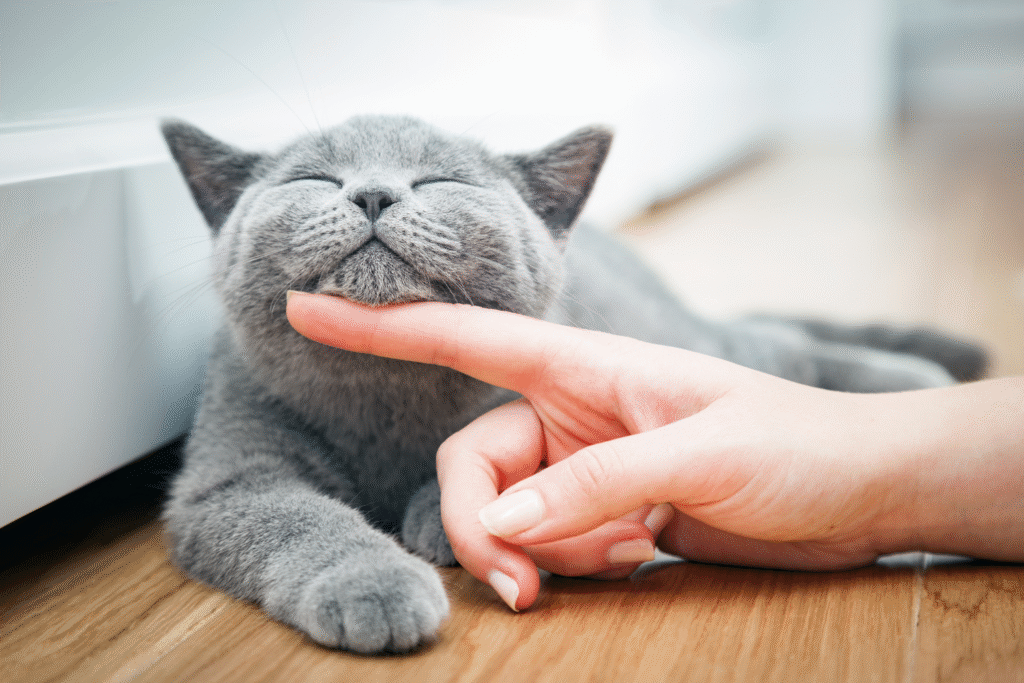
The stereotype of the aloof, antisocial cat is officially dead in the water. Groundbreaking research has revealed that our feline friends are far more social, emotionally complex, and stimulation-hungry than we ever imagined. Scientists have discovered that cats not only form deep attachment bonds with their humans, but these relationships actually trigger measurable hormonal changes similar to what happens between parents and children. The findings challenge decades of assumptions about feline behavior and suggest that many behavioral problems stem from inadequate social engagement rather than inherent cattiness. This research could revolutionize how we care for our cats, shifting focus from simply providing food and shelter to meeting their sophisticated emotional and social needs.


Read more

10 Personalized Pet Care Trends Every Owner Needs to Know in 2025

Your pet’s future is better with these changes.

©Image license via Canva

Remember when pet care meant tossing some kibble in a bowl and hoping for the best. Those days are officially over as today’s pet parents demand the same personalized care for their furry family members that they expect from their own doctors. The pet industry has caught on to this shift in a big way, developing innovations that make your smartphone look ancient by comparison. This isn’t just about spoiling pets, though we’re all guilty of that. These trends represent a complete transformation in how we think about animal care, moving from basic maintenance to sophisticated healthcare that rivals human medical attention. These trends represent a complete transformation in how we think about animal care. It’s like the difference between getting your news from a town crier versus having the internet in your pocket.

Read more

10 Subtle Signs of Resource Guarding Most Dog Owners Miss

Your sweet pup might be silently claiming territory.

©Image license via Pexels/cottonbro studio

Most dog owners think resource guarding looks like a snarling, snapping beast protecting a bone. But the reality is way more subtle and happens right under our noses every single day. While we’re busy thinking our dogs are just being quirky or cute, they’re actually displaying early warning signs of possessive behavior that could escalate into serious problems. These aren’t the dramatic scenes you see in dog training shows. Instead, they’re the small behaviors that seem harmless until you realize your dog has been systematically training you to stay away from their stuff. The scary part is that many of these subtle signs actually work in the dog’s favor, so the behavior gets reinforced without anyone realizing what’s happening. By the time most owners recognize resource guarding, it’s already become a deeply ingrained habit.

Read more

10 Ways Mangrove Restoration Made Enemies Friends and Saved an Entire Community’s Economy

Trees underwater became gold mines for fishing families.

©Image license via Canva

Picture an entire fishing community watching their livelihood disappear into murky, lifeless water. That’s exactly what happened along Mexico’s Pacific coast when decades of shrimp farming and coastal development destroyed thousands of acres of mangrove forests. The twisted, salt-tolerant trees that looked like nature’s afterthought turned out to be the foundation of everything. When the mangroves vanished, so did the shrimp, the fish, and the economic backbone of communities that had thrived on these resources for generations. But then something remarkable happened. Local fishermen, scientists, and government officials figured out how to bring it all back by replanting the very trees they’d once considered worthless obstacles to development.

Read more

13 Clues Your Dog Understands You Better Than You Understand Them

They’re reading your mind while you’re clueless.

©Image license via Canva

Your dog has been studying you like a graduate student cramming for finals, and frankly, you’re failing the course on canine communication. While you’re trying to figure out why Buddy keeps staring at you or what that weird head tilt means, your dog has already mapped out your entire emotional landscape, daily routine, and secret snack stash locations. Dogs have evolved alongside humans for thousands of years, developing sophisticated abilities to read our body language, vocal patterns, and even our scent changes that signal different emotional states. Meanwhile, most of us are still stuck thinking that a wagging tail always means happiness and that our dogs actually feel guilty when they chew up our shoes. The reality is that your dog probably understands your moods better than your spouse does.

Read more