Millions of Kangaroos Die in Drought While Australia Debates Killing Them Faster

Extreme drought and new culling laws put kangaroos at the center of Australia’s survival struggle.

©Image license via Canva

The story of kangaroos in Australia has never been straightforward. For some, they are symbols of the continent, bounding across postcards and tourism ads. For farmers, they are competitors for grass and water, especially in regions where every blade of pasture matters. That conflict has only sharpened in recent years as droughts kill millions naturally, while governments debate new legislation to make killing them easier.

The contrast is jarring. In 2019, during one of Australia’s harshest droughts in decades, reports described paddocks strewn with carcasses as kangaroos starved or collapsed from thirst. Now, instead of relief, new policies are expanding commercial culling quotas. The country is faced with a paradox—kangaroos are dying in staggering numbers, yet lawmakers argue that more killing is the solution.
Read more

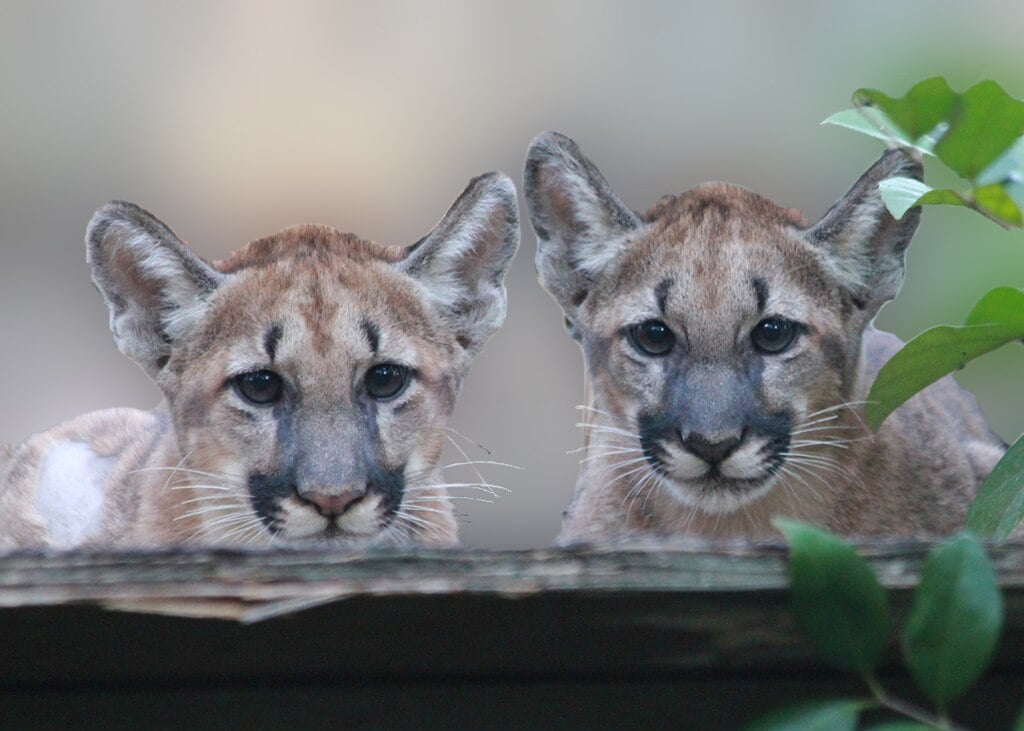
Two Florida Panther Kittens Killed by Vehicle Collision, Highlighting Species’ Fragile Future

Roads remain one of the deadliest obstacles for Florida’s most endangered cats.

©Image license via Wikimedia Commons/Michaelstone428

Earlier this month, two Florida panther kittens were struck and killed by vehicles in Collier County, bringing fresh urgency to one of conservation’s most stubborn challenges. The deaths were reported by state wildlife officials who track every loss, since each animal represents a meaningful percentage of the species’ limited population.

These collisions are not rare. In fact, road strikes remain the leading human-related cause of panther deaths, year after year. For a species with fewer than 250 adults left in the wild, every kitten lost is a blow to survival odds. The accidents also highlight how fragile coexistence remains in South Florida, where development keeps squeezing panthers into shrinking habitats bordered by highways.

Read more

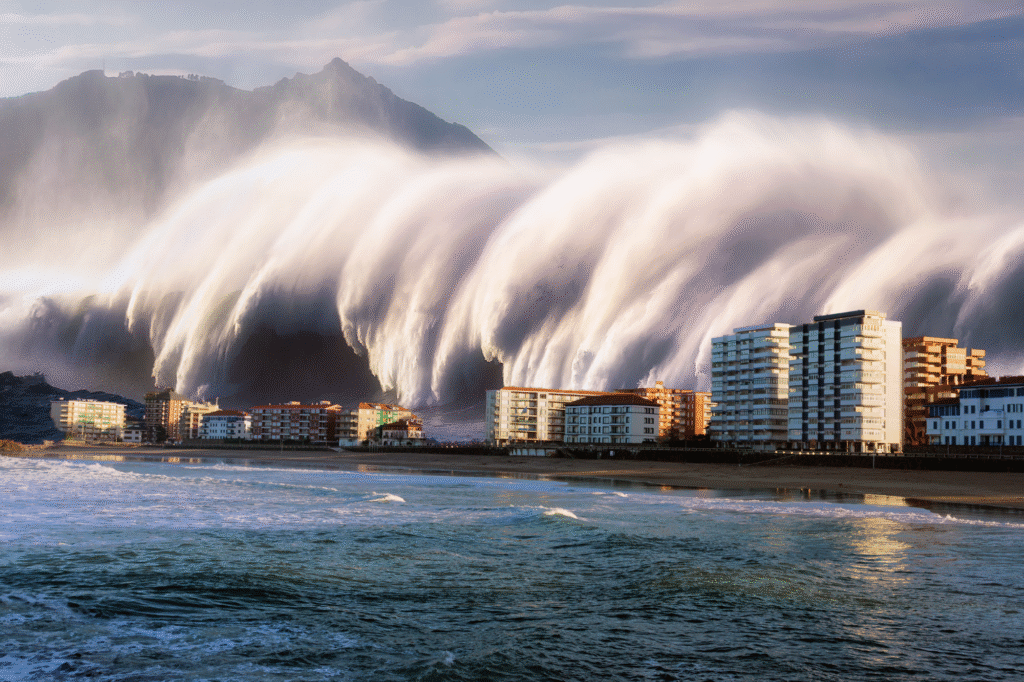
Oceans Near Tipping Point: A New Projection Warns Humans

Scientists say ocean systems may be closer to collapse than expected.

©Image via Canva

When researchers use the phrase “tipping point,” they mean the kind of shift you can’t easily reverse. That’s the warning now coming from a new wave of ocean science projecting that warming seas and acidification are moving faster than expected. What had once seemed like distant futures, collapsing coral reefs, oxygen-starved zones, mass fish die-offs, are arriving on shortened timelines.

The oceans, long viewed as vast enough to absorb human excess, are showing stress in places as varied as the Arctic, the South Pacific, and the Gulf of Mexico. What scientists are saying now is that these aren’t isolated events. They’re linked pieces of a system inching toward thresholds that, once crossed, will reshape coastlines, economies, and the rhythms of life everywhere.

Read more

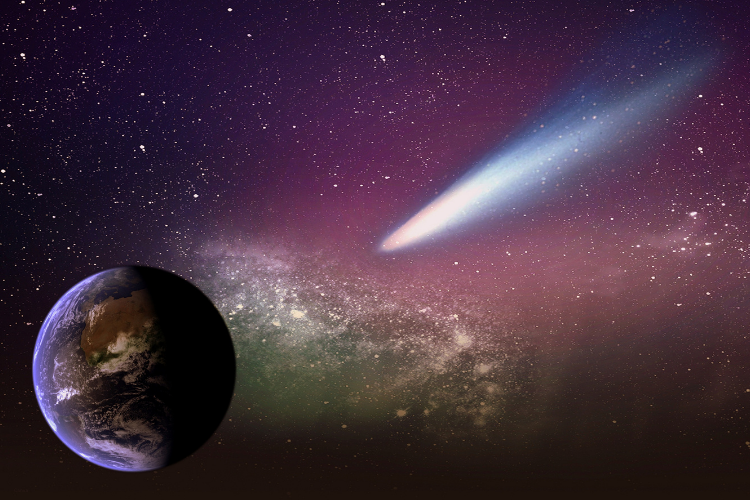
Asteroids Big Enough to Level Cities Are Passing Earth With Only Days’ Notice

Gaps in detection systems leave humanity relying on luck more than readiness.

©Image license via Canva

The last few months have offered a stark reminder of how fragile Earth’s defenses really are. NASA confirmed that a newly discovered asteroid, roughly the size of a football field, passed within 40,000 miles of Earth in early August—closer than many satellites. The unsettling part wasn’t its size but the fact that astronomers spotted it only two days before it zipped past.

That asteroid, cataloged as 2024 OK1, isn’t unique. Dozens of city-killer–scale rocks are detected only after they’ve already buzzed the planet. The weak spots in global monitoring systems—limited telescope coverage, poor southern hemisphere visibility, and patchy funding—mean Earth’s safety often comes down to chance. The data make clear that for now, the planet is playing catch-up with the solar system.

Read more

Global Warming Exposed: What You Need to Know

Global warming is not a distant theory but a present reality reshaping the way we live.

©Image license via Canva

Scientists describe it as Earth running a dangerous fever, one fueled by human activity at an unprecedented scale. Invisible gases rise with every factory, car, and power plant, locking in heat and tipping delicate climate systems off balance. It touches everything from food prices to where coastal families can safely build their homes.

What makes this story urgent is the pace. We’re accelerating change faster than ecosystems and societies can adapt, and that speed makes global warming less about far-off forecasts and more about immediate consequences. Understanding the key drivers and effects isn’t just an academic exercise—it’s the foundation for deciding what kind of future is still possible.

Read more