Cognitive Decline in Dogs: How Aging Affects Animal Intelligence

Your Dog’s Brain Changes More Than You Think as They Age.

©Image license via Canva

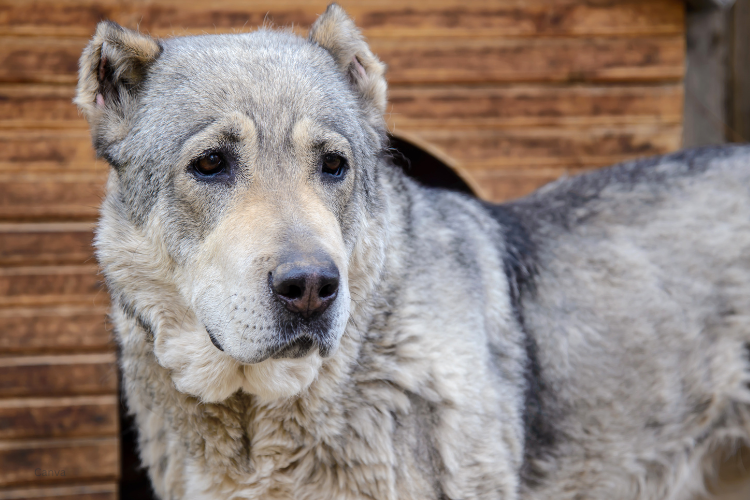
Aging doesn’t just slow dogs down physically—it affects their minds in ways that are often overlooked. One day, they’re sharp and playful, the next, they’re staring at walls and forgetting routines they’ve known for years. Cognitive decline in dogs is real, and it can change their personalities, their ability to learn, and even their interactions with you. Recognizing the early signs can make all the difference in keeping your dog mentally sharp for as long as possible.

Understanding how a dog’s brain ages is key to helping them maintain a good quality of life. Some dogs experience only mild forgetfulness, while others develop full-blown cognitive dysfunction. The good news? There are ways to slow this process down and even improve some symptoms. From diet changes to brain games, small lifestyle tweaks can work wonders. Let’s break down exactly what happens in an aging dog’s mind and how you can help them stay mentally engaged.

Read more

10 Alarming Ways Highly Intelligent Animals Struggle in Captivity

The psychological and physical toll of captivity is more severe than most people realize.

©Image license via Wikimedia Commons/Julielangford

Captivity is more than just a change in scenery for highly intelligent animals—it’s a complete breakdown of the complex lives they were meant to lead. From problem-solving apes to emotionally connected orcas, these animals suffer in ways that go beyond physical confinement. Their brains, bodies, and instincts aren’t built for cages, tanks, or artificial habitats, and the results can be devastating.

Many people assume that zoos, aquariums, and sanctuaries provide a safe haven, but the reality is far more complicated. The lack of mental stimulation, broken social bonds, and sensory deprivation create stress levels that can lead to aggression, illness, and even psychological trauma. Some animals develop strange, repetitive behaviors. Others become depressed and withdrawn. No matter how well-intentioned a facility may be, it’s nearly impossible to replicate the natural environments these animals need. Here’s how captivity truly affects them—and why it’s a serious problem.

Read more

12 Dog Breeds You Should Never Own If You’re a First-Time Dog Parent

These dogs are incredible, but they can be way too much for beginners.

©Image license via Canva

Choosing the right dog is about more than just looks. Some breeds are naturally independent, while others require constant attention. Certain dogs are incredibly intelligent but also highly stubborn, making training a challenge for first-time owners. Others have strong guarding instincts that require expert-level handling. Without the right structure, these breeds can become difficult to manage, and in some cases, even dangerous.

If you’re new to dog ownership, it’s important to pick a breed that matches your experience level. Some dogs need extensive training, daily exercise, or firm leadership that a beginner might struggle to provide. That doesn’t mean these breeds aren’t great dogs—when placed with the right owners, they thrive. However, for someone without experience, they can quickly become overwhelming. These 12 breeds are not ideal for first-time owners, no matter how cute or impressive they may be.

Read more

According to Data, We Finally Know Who’s Smarter Between Cats and Dogs

Scientific research suggests one species has the upper hand in intelligence.

©Image license via Canva

The debate over whether cats or dogs are smarter has been raging for years, with passionate pet owners on both sides claiming victory. While intelligence can be measured in many ways, scientific studies have turned to the brain itself for answers. It turns out that dogs may have a neurological advantage, with nearly double the number of neurons in their cerebral cortex compared to cats. This could mean a greater ability to process information, recognize patterns, and adapt to complex situations.

However, intelligence isn’t just about numbers. Cats and dogs excel in different areas, shaped by their evolutionary needs. While dogs thrive in social learning and problem-solving, cats demonstrate remarkable hunting instincts and independent decision-making skills. By looking at the science behind their cognitive abilities, we can finally break down the strengths and weaknesses of each species. Let’s take a closer look at what the data reveals about who really holds the intelligence crown.

Read more

10 Impressive Dog Breeds That Can Take Down a Wolf, According to Data

These powerful dogs were bred to defend against one of nature’s top predators.

©Image license via Canva

Wolves are some of the most formidable predators in the wild, built for endurance, strategy, and raw strength. But certain dog breeds were specifically developed to stand their ground against these apex hunters. With sheer size, powerful bite force, and an unwavering protective instinct, these dogs have historically defended livestock, territory, and even their owners against wolf attacks.

While no domestic dog is guaranteed to defeat a wolf in a one-on-one encounter, some breeds are built to put up an incredible fight. Their muscle mass, bite force, and fearless nature give them a real chance of standing toe-to-toe with one of the wild’s deadliest predators. From ancient livestock guardians to warrior breeds, these dogs were created for the sole purpose of protecting against threats like wolves. Here are ten breeds that have the best odds of holding their own.

Read more