Researchers say the patterns are becoming harder to ignore.
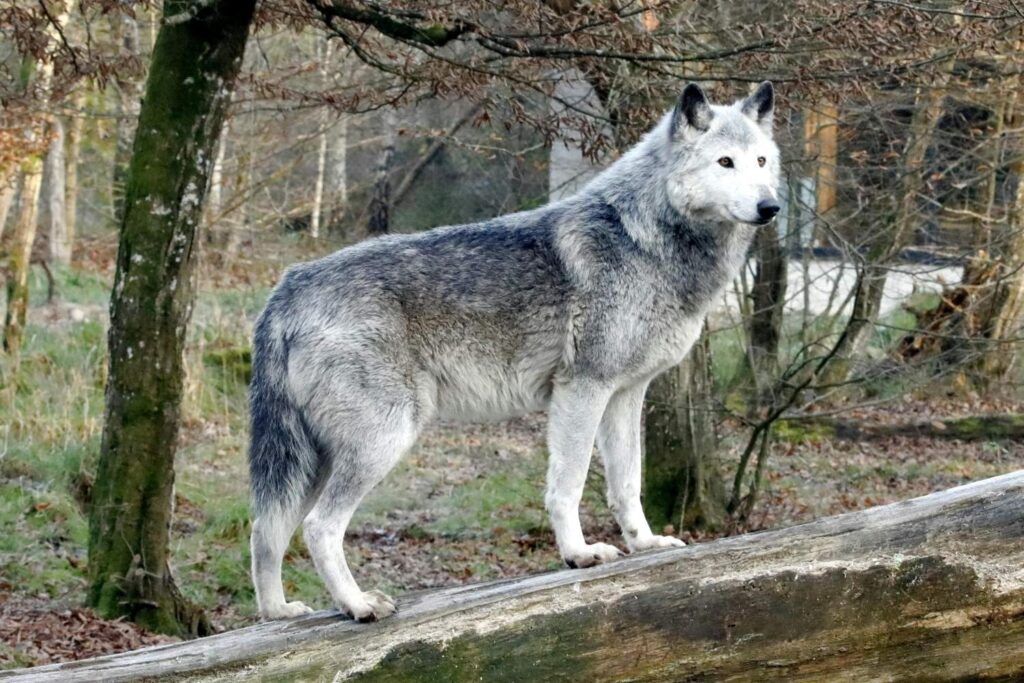
Across many landscapes, the boundary between wilderness and human settlement is becoming harder to define. Roads stretch deeper into forests, farms edge against old migration routes, and towns rise in places that once belonged entirely to wildlife. Wolves now move through this changing terrain with a caution shaped by centuries of survival. Their paths cross our infrastructure more often, yet most people never realize how closely they share the same ground. As scientists watch these encounters unfold, a quieter story emerges about adaptation. The question is no longer whether wolves can survive near humans, but how their behavior transforms when the two worlds overlap.