Tiny red lights hint at something far stranger.
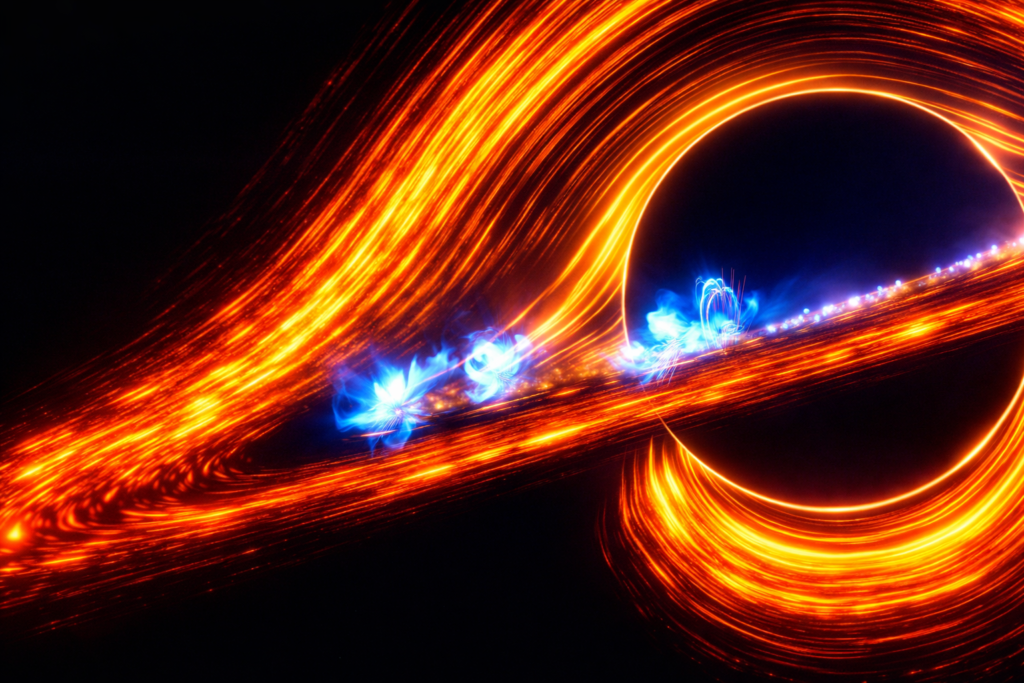
In the deepest images ever taken of the early universe, faint crimson dots appear where nothing so compact should exist. They are too bright for their size, too small for their glow, and too numerous to dismiss as flukes. Astronomers expected young galaxies. Instead, they found objects that refuse to fit neatly into known categories. Some researchers now suspect these specks could represent a hidden stage in cosmic history, one involving black holes wrapped in thick veils of gas. If that idea holds, it suggests the universe’s first chapter unfolded very differently than scientists once believed.