Newly Sequenced Neanderthal DNA Just Rewrote Human History

Ancient genomes are forcing scientists to rethink origins.
©Image license via Flickr/Michael Brace

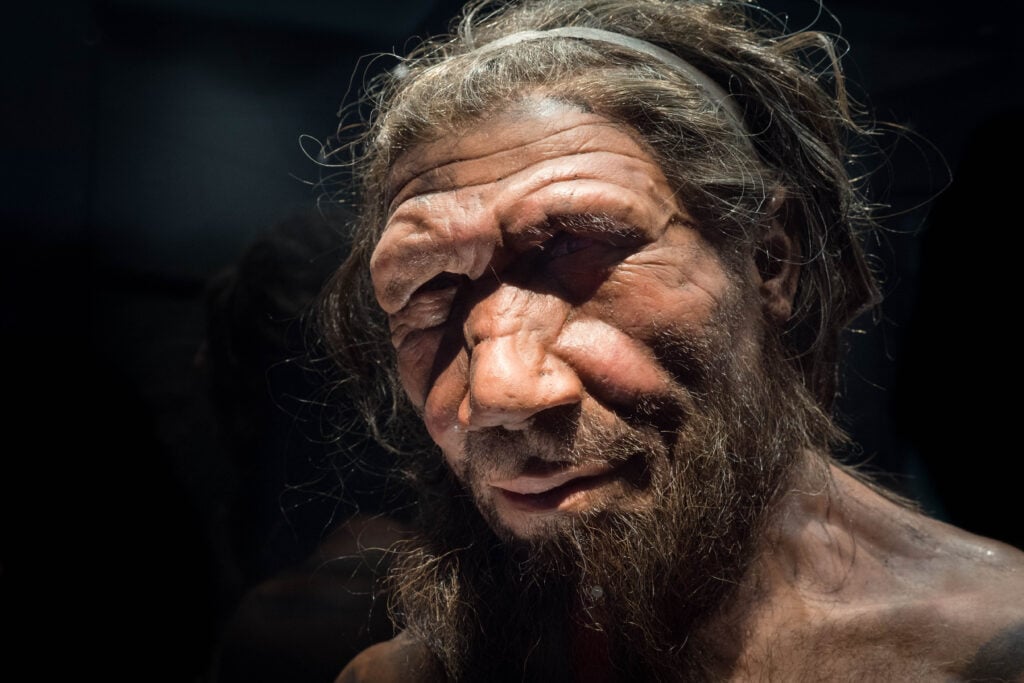
Fragments of ancient DNA have been pulled from bones tens of thousands of years old, but something about this latest sequencing unsettled researchers. It did not arrive from a new cave or a dramatic fossil discovery. Instead, it emerged from improved techniques applied to remains already studied. The results introduced inconsistencies, timelines that no longer aligned, and genetic signals that refused to stay neatly separated. Who modern humans are, where we came from, and how isolated our ancestors truly were now feels less certain than it did just months ago.
Read more

The Colossal Ice Giant at the Edge of the World Has Cracked, and Something Is Moving Inside

A fracture deep inside the ice is changing the story.

©Rob Suisted via REUTERS

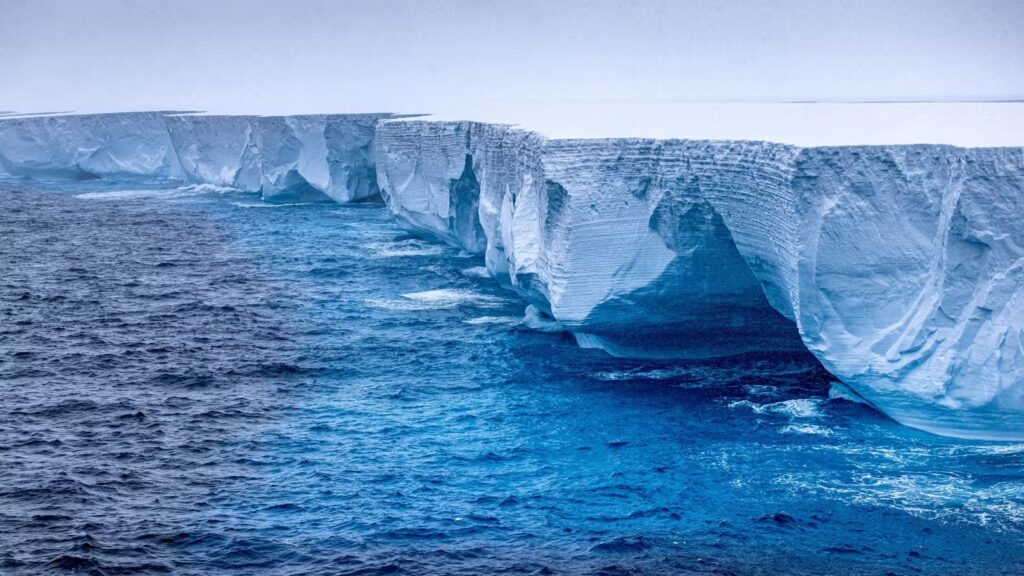
For decades, the iceberg drifted at the edge of Antarctica as a fixture of the southern ocean, immense, slow, and largely unchanged. Scientists tracked it as part of the background, something to measure rather than worry about. That posture has shifted. Recent satellite images show a fracture cutting deeper than expected, extending beyond the surface into parts of the ice rarely exposed.

The change is not dramatic, but it is persistent, and that is what draws attention. Icebergs of this scale tend to move only after long forces build beneath them. What those forces are, and how far they have progressed, is now the question guiding new observations.

Read more

Orange Water Is Appearing in Alaska’s Wild Rivers, Raising New Alarms

The color is only the first signal of a deeper shift.

©Image license via Canva

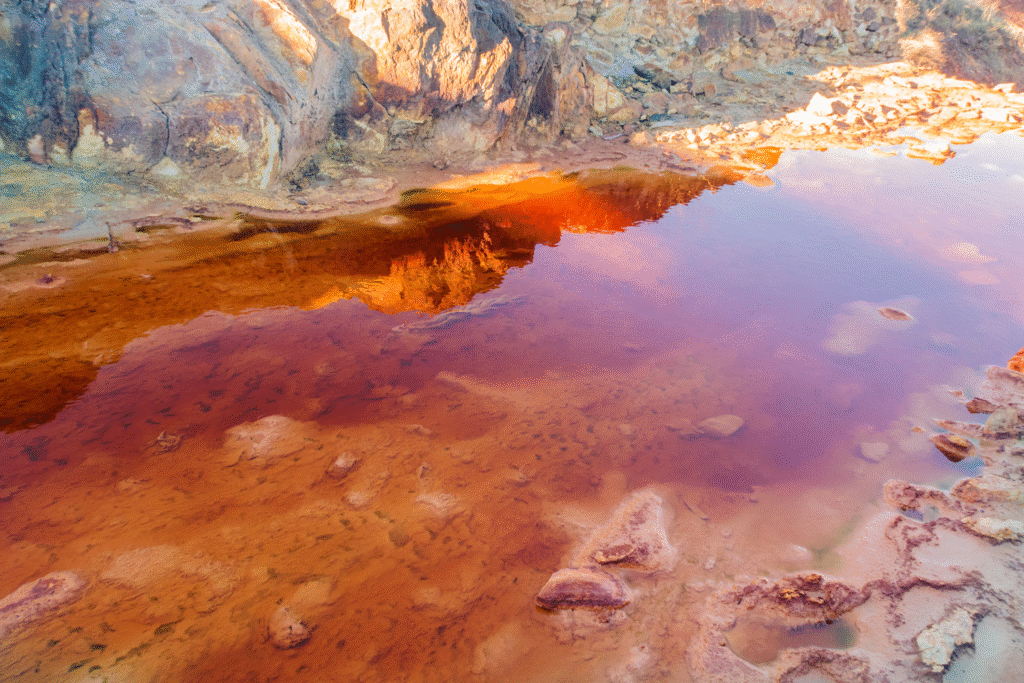
In Alaska’s remote backcountry, rivers once known for their icy clarity are taking on an unexpected orange hue. The change is appearing in watersheds long considered beyond disturbance, far from roads, mines, or industry. What unsettles researchers is not just the color, but how widely it is spreading. Streams that once ran clear year after year are shifting in ways that do not match normal seasonal patterns.

The transformation carries consequences that reach beyond appearance. These waters support wildlife, fisheries, and communities that depend on their stability. Scientists tracing the source are finding signals that point deep underground, where frozen landscapes are beginning to change. What emerges is not simple sediment, but water altered at its source. The orange tint is the first visible sign of a process still unfolding beneath the surface.

Read more

A Growing Threat Is Pushing Madagascar’s Rarest Frogs Toward Extinction

The warning signs are there, but they don’t point to a single cause.

©Image license via Flickr/MantellaMan

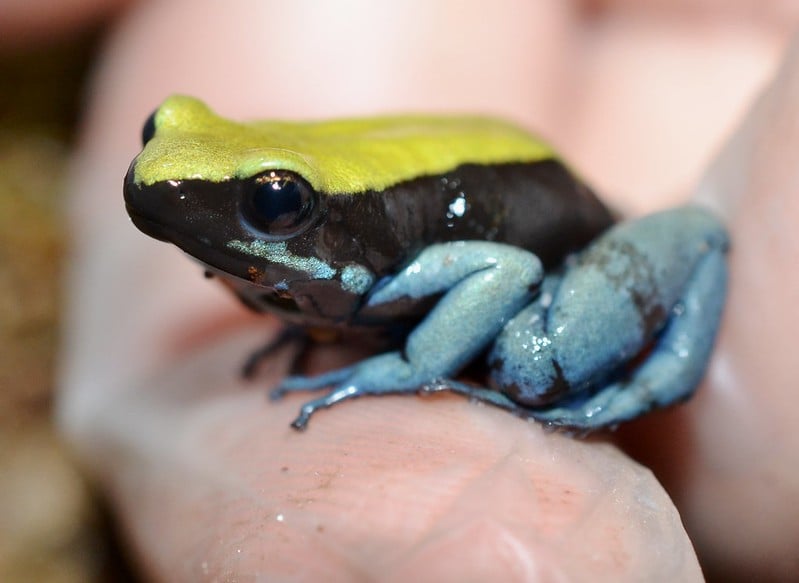
Madagascar’s rainforests are home to frogs found nowhere else on Earth, species so tightly bound to the island that they exist within single valleys, streams, or elevations. Some are no larger than a fingernail, others shimmer with colors that seem unreal. That extreme specialization makes them extraordinary, and dangerously vulnerable. When one population disappears, there is no backup elsewhere.

Because these frogs are endemic, their loss would erase entire evolutionary lineages, not relocate them. Their calls once signaled healthy forests and stable food webs, regulating insects and cycling nutrients in ways that kept ecosystems steady. Now researchers are finding silence where abundance should still exist, suggesting an extinction wave already moving through the canopy. The pattern suggests not isolated loss, but a broader unraveling already underway.

Read more

A Bathhouse Buried for 2,000 Years in Pompeii Has Revealed What Never Escaped

New Roman spa emerges beneath volcanic ash.

©Image license via Wikimedia Commons/BIG ALBERT

In the ancient city of Pompeii, buried by the eruption of Mount Vesuvius in 79 CE, archaeologists have uncovered a lavish private bathhouse that remained untouched for nearly two millennia. This newly revealed complex, located in the Regio IX section of the site, consists of rooms for hot, warm and cold bathing and appears to have served an elite resident’s social and political lifestyle. Intriguingly, the remains of at least two individuals were found inside, offering a haunting snapshot of the day disaster struck.

Read more