
A bird becomes an unlikely witness in crime.

An extraordinary case surfaced in Michigan when investigators examining a husband’s murder began to consider that his pet parrot might have witnessed the fatal moment. The bird reportedly mimicked the victim’s voice, repeating phrases such as “Don’t [expletive] shoot,” which raised questions about how non-human animals may hear and replay traumatic events. While the parrot did not testify in court, the incident triggered scientific and forensic curiosity about animal memory, voice recognition, and the wider implications of animals as “witnesses.”
1. The parrot imitated the victim’s voice shortly after death.
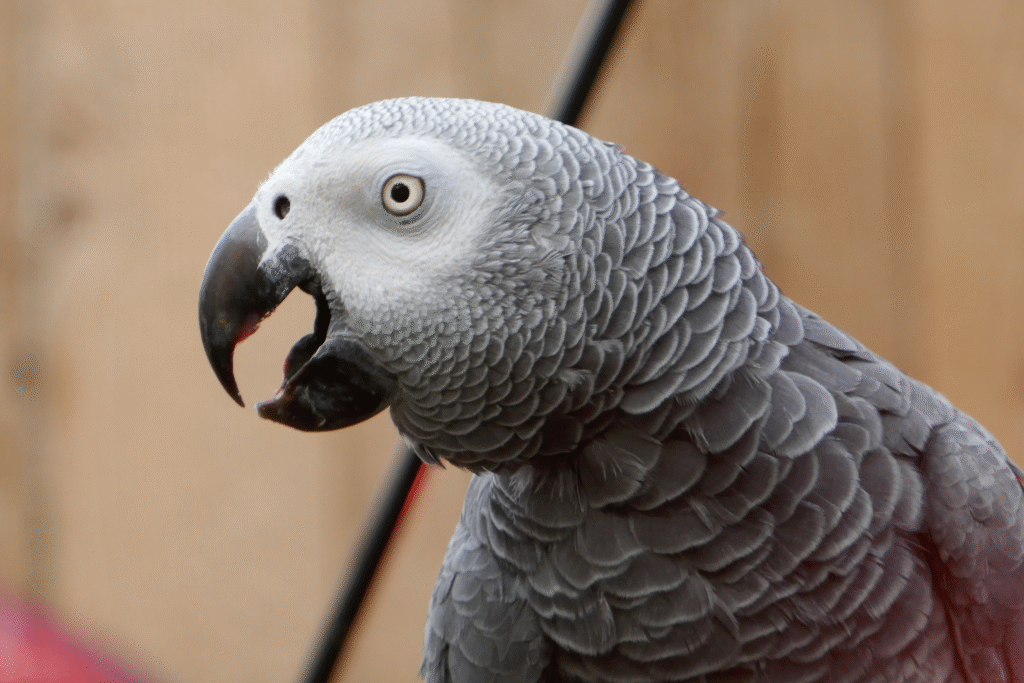
In the months following the shooting of 45-year-old Martin Duram in Michigan, his family captured recordings of the pet African Grey parrot, named Bud, repeating the phrase “Don’t [expletive] shoot” in what they believed was the victim’s tone, as reported by CBS News. The phrase echoed what investigators theorized were the victim’s last words before he was shot five times in his home. The timing and repetition of the bird’s words were so striking that authorities took note. Though not used as evidence, the parrot’s mimicry underscored its eerie proximity to the crime itself.
2. The case triggered scientific discussion about animal memory and mimicry.

The parrot’s repeated phrase sparked debate about whether the bird was mimicking random sounds or recalling the fatal argument, as described by BBC News in coverage of the Duram case. Experts in animal cognition highlighted that African grey parrots have one of the most advanced vocal memories in the animal kingdom. They can reproduce human speech with tonal accuracy and sometimes preserve emotional cues. In this instance, Bud’s consistent repetition suggested that parrots might retain situational context, raising deeper questions about whether animals can inadvertently preserve fragments of human experience.
3. Legal teams weighed the parrot’s utterances as possible evidence.

Investigators briefly considered whether Bud’s vocalizations could support the prosecution but ultimately deemed them inadmissible, as stated by The Independent. Prosecutors found no reliable way to authenticate the parrot’s timing or ensure that its words directly related to the shooting. Chain of custody, recording conditions, and animal behavior all posed challenges. Nonetheless, the idea that a bird could echo a victim’s final words forced courts and scientists alike to imagine new intersections between evidence, emotion, and cognition—where even an animal’s memory could influence human justice.
4. The victim’s relatives claimed the bird heard the fatal confrontation.
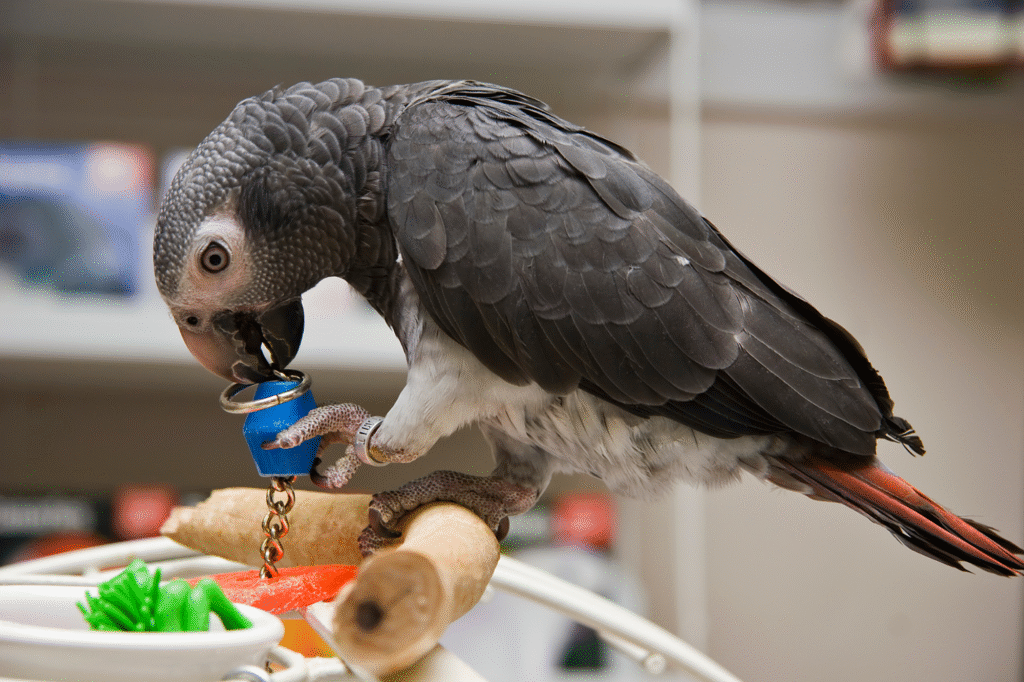
Relatives of Martin Duram insisted that Bud was in the same room when the shots were fired and later began repeating the violent exchange with uncanny accuracy. They argued that his mimicry was not random but a direct reflection of what he witnessed. The bird’s tone reportedly shifted from calm to distressed when repeating the phrase, a change that experts say can indicate emotional recall in African greys. For the family, it became less about legal admissibility and more about preserving the last audible trace of their loved one.
5. Avian cognition research shows parrots can mimic human voices.
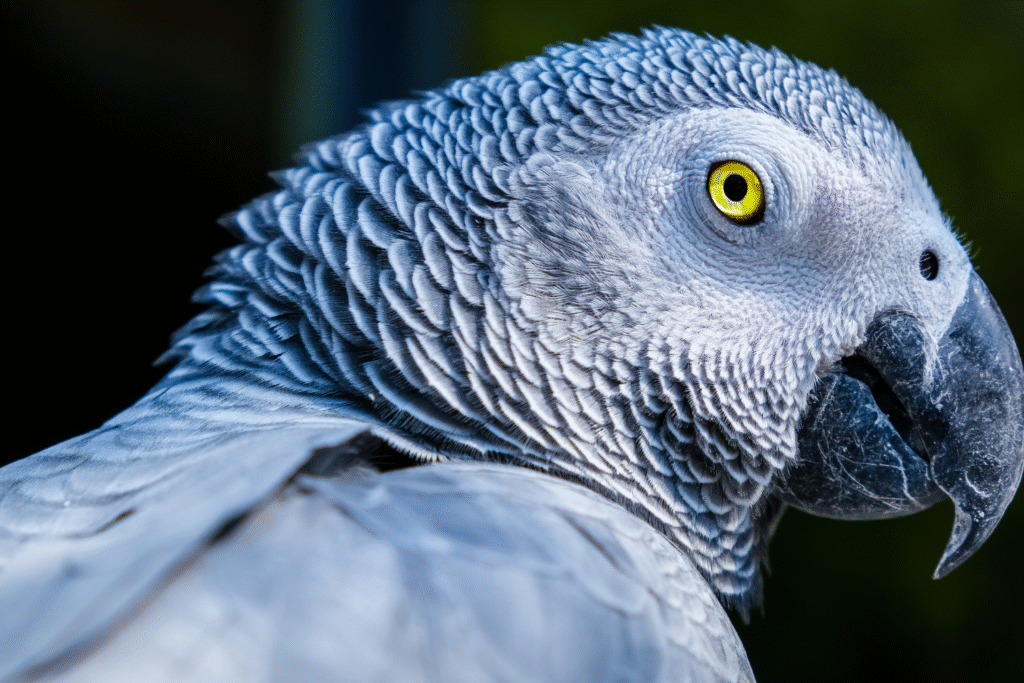
African grey parrots are among the few non-human species capable of understanding and reproducing complex human speech patterns. Studies have shown they can use words in context, identify objects, and mirror emotional inflection. The Duram case brought these scientific findings into public view, illustrating how animal intelligence can intersect with tragedy. In research labs, parrots demonstrate memory spanning months or years, making the idea of one repeating a traumatic human event entirely plausible under stress.
6. Critics caution against treating animal speech as literal evidence.
Despite the intrigue surrounding Bud’s vocal mimicry, legal experts have warned that interpreting animal speech as factual record is fraught with error. Mimicry may blend phrases learned at different times or alter them through repetition. Without controlled testing, assigning intent or accuracy to a bird’s words risks distorting the truth. In the Michigan case, prosecutors stressed that human interpretation of Bud’s speech could never meet evidentiary standards, reinforcing that curiosity alone cannot substitute for proof.
7. The bird now lives with the victim’s ex-wife after the trial.
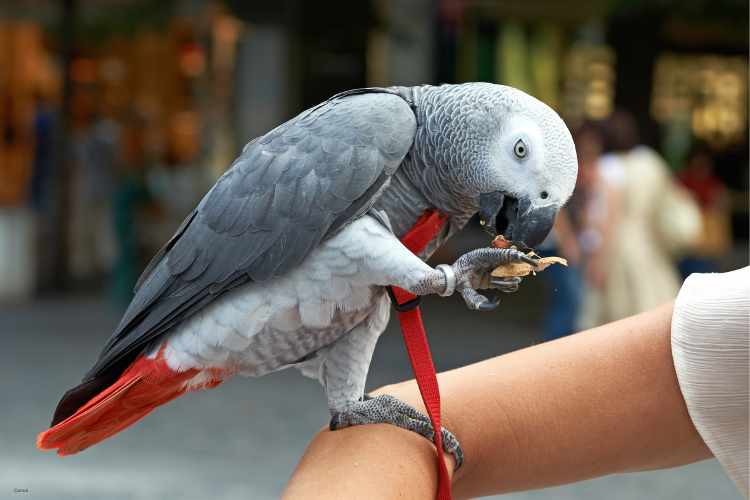
After Duram’s wife, Glenna, was convicted of his murder in 2017, Bud was adopted by the victim’s ex-wife, Christina Keller. She reported that the parrot continues to speak in Duram’s voice and occasionally repeats the same haunting phrase years later. Keller has said she views the bird as a living memory of the man he once belonged to—a presence that keeps the tragedy vivid but strangely comforting. In her home, Bud has become both companion and reminder of how words can outlast lives.
8. The case has inspired broader discussion about non-human witnesses.

The story of Bud has since appeared in law journals and forensic psychology debates, inspiring questions about whether animals could ever provide usable evidence. While no legal system currently accepts animal mimicry as testimony, scientists and ethicists have begun exploring the ethics of acknowledging animals as passive observers of human crime. Bud’s case bridges crime reporting, neuroscience, and moral philosophy in ways few incidents have.
9. Technological advancements could expand how such events are studied.

As voice recognition and AI speech analysis advance, scientists may one day use acoustic algorithms to study how parrots and other vocal animals reproduce sound. By mapping frequency, pitch, and timing, experts could differentiate learned mimicry from context-driven repetition. These developments may allow researchers to assess how animals encode traumatic experiences, and potentially use that data to inform both animal welfare and forensic understanding.
10. The parrot’s story reframes memory, trauma, and communication.
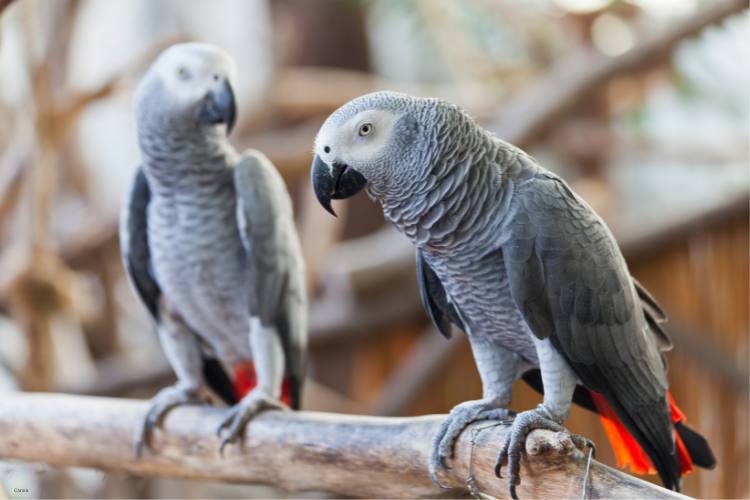
The haunting echo of “Don’t shoot” from Bud the parrot offers more than morbid curiosity, it underscores the strange overlap between human language and animal memory. This event reminds us that communication extends beyond species boundaries and that traces of human tragedy can linger in unexpected forms. In the quiet of a living room, a bird continues to replay one man’s final words, blurring the line between witness, echo, and grief itself.