
Beneath desert soil, a ritual past emerged.
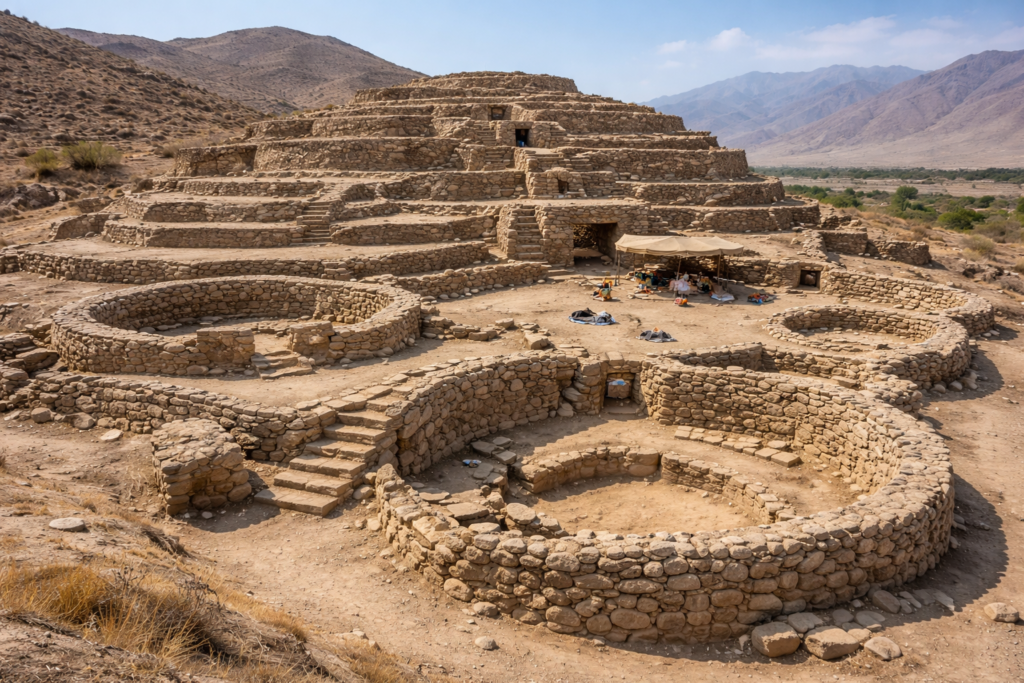
For years, winds moved across the dry plains of northern Peru without revealing what lay beneath. Farmers passed. Vehicles crossed nearby roads. Nothing on the surface suggested that five millennia earlier, people gathered there for ceremonies whose meanings are only now resurfacing. When excavation began in the Zaña district of the Lambayeque region, at a site known as La Otra Banda, archaeologists did not expect to confront architecture older than many Andean civilizations.
1. The temple emerged in Zaña district excavations.

In 2024, a team working in the Zaña district of Peru’s Lambayeque region uncovered stone and adobe walls beneath agricultural soil at La Otra Banda. What began as a regional survey quickly turned into a controlled excavation exposing a ceremonial structure dated between 4,000 and 5,000 years old, according to Reuters.
Radiocarbon analysis of associated materials placed construction long before the rise of later coastal cultures. The discovery positions La Otra Banda among the earliest monumental religious sites identified in northern Peru, reshaping timelines of organized ritual architecture in the region.
2. A central staircase suggests ritual performance.
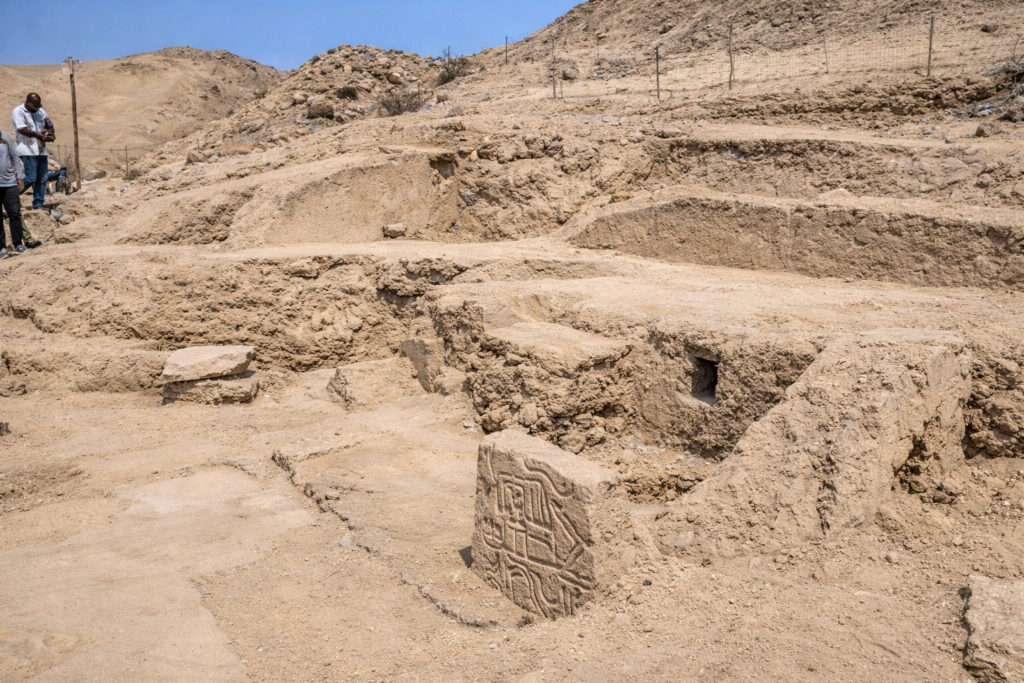
Excavation revealed a carefully constructed central staircase leading to an elevated platform. The alignment appears intentional, oriented toward a plaza like space where gatherings likely occurred.
As reported by The Associated Press, archaeologists believe the staircase served as a focal point for ceremonial activities, possibly involving performances visible to assembled participants. The architecture indicates structured movement and visual symbolism rather than domestic function, suggesting a communal religious setting with coordinated ritual practices already established thousands of years ago.
3. Three adult skeletons were found inside.
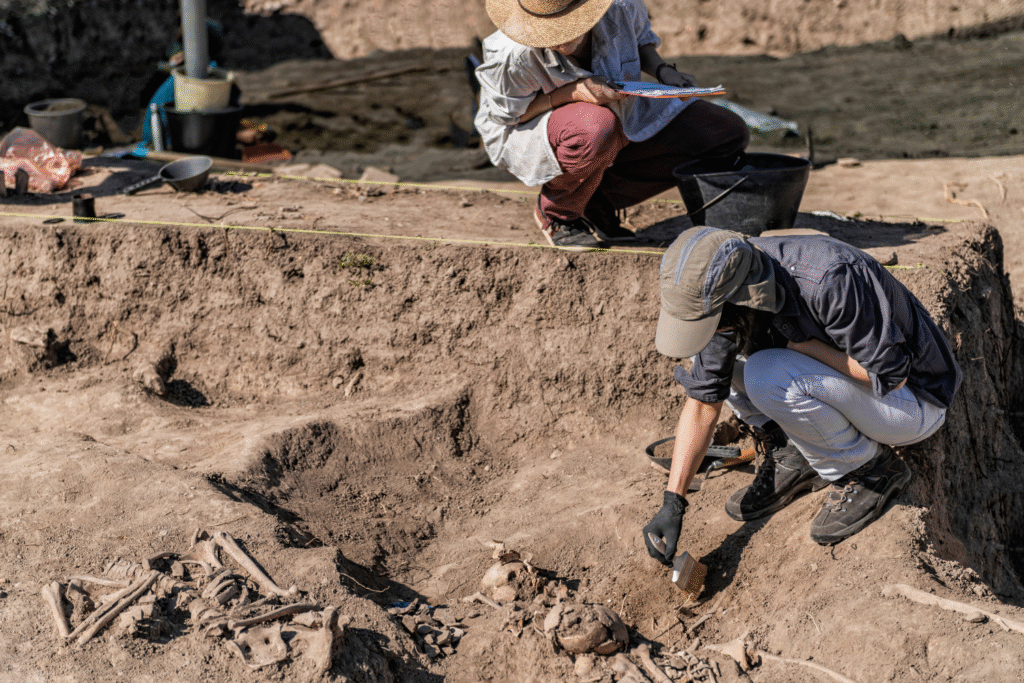
Within the ancient structure, researchers uncovered the remains of three adults positioned in what appears to be deliberate placement rather than accidental burial. Their orientation and proximity to architectural features raise questions about their role in ritual life.
As stated by Peru’s Ministry of Culture in official announcements, the skeletal remains were discovered alongside what may be an offering deposit. These finds suggest that the temple was not only a place of gathering, but possibly a site connected to ceremonial death or commemorative practices tied to early belief systems.
4. Decorative friezes hint at symbolic systems.
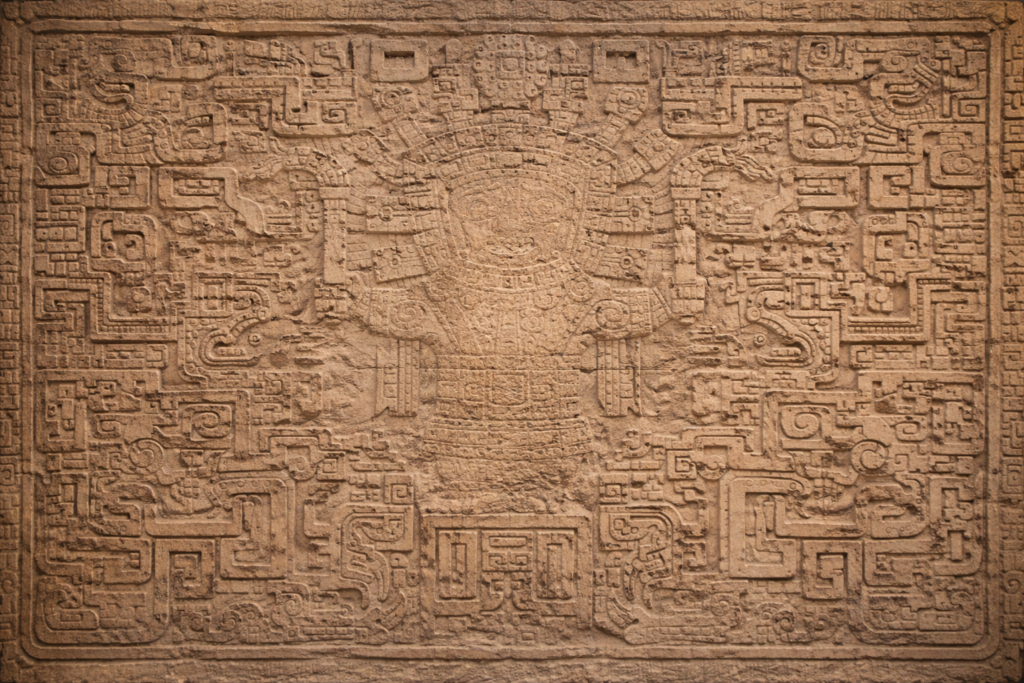
Fragments of wall relief and surface decoration were identified along interior sections of the temple. Though partially eroded, the friezes display patterned motifs distinct from later Andean iconography.
These decorative elements imply symbolic communication embedded within the structure itself. Their presence indicates that visual language accompanied architectural design, suggesting an early tradition of ritual storytelling expressed through carved and molded surfaces rather than written script.
5. The temple predates well known Andean civilizations.
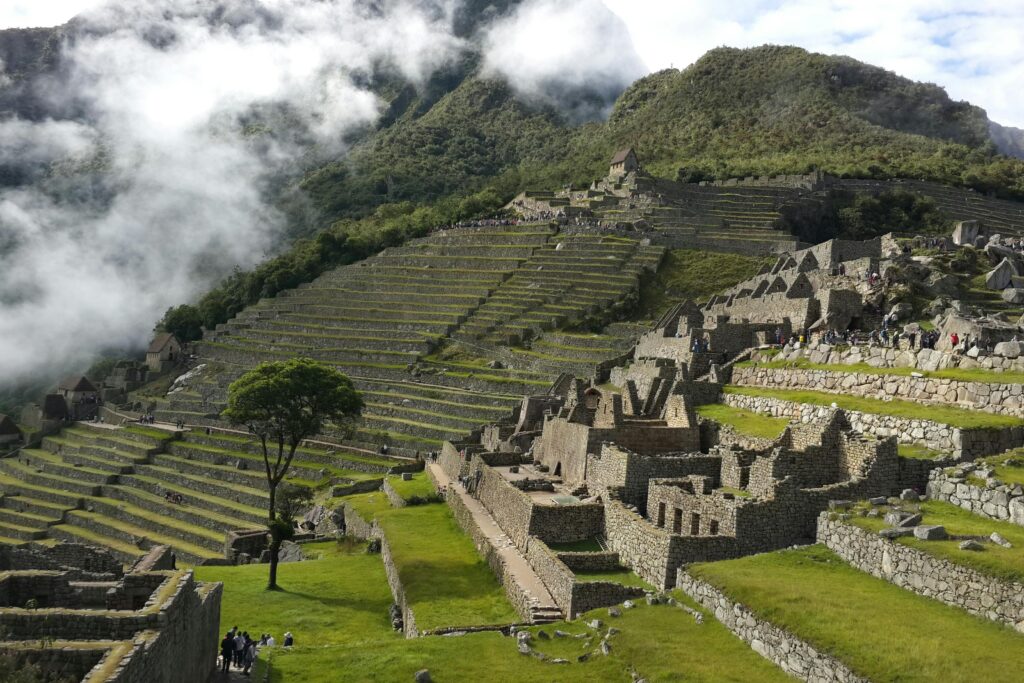
Dating places the construction of this temple centuries before Chavín and long before the Moche or Inca. That temporal position challenges assumptions about when complex religious architecture first emerged in northern Peru.
La Otra Banda demonstrates that organized ceremonial centers existed in the region around 3,000 BCE. This pushes back the timeline for institutionalized ritual space and suggests that cultural sophistication developed earlier than previously documented in Lambayeque.
6. A later temple rose atop the ancient site.
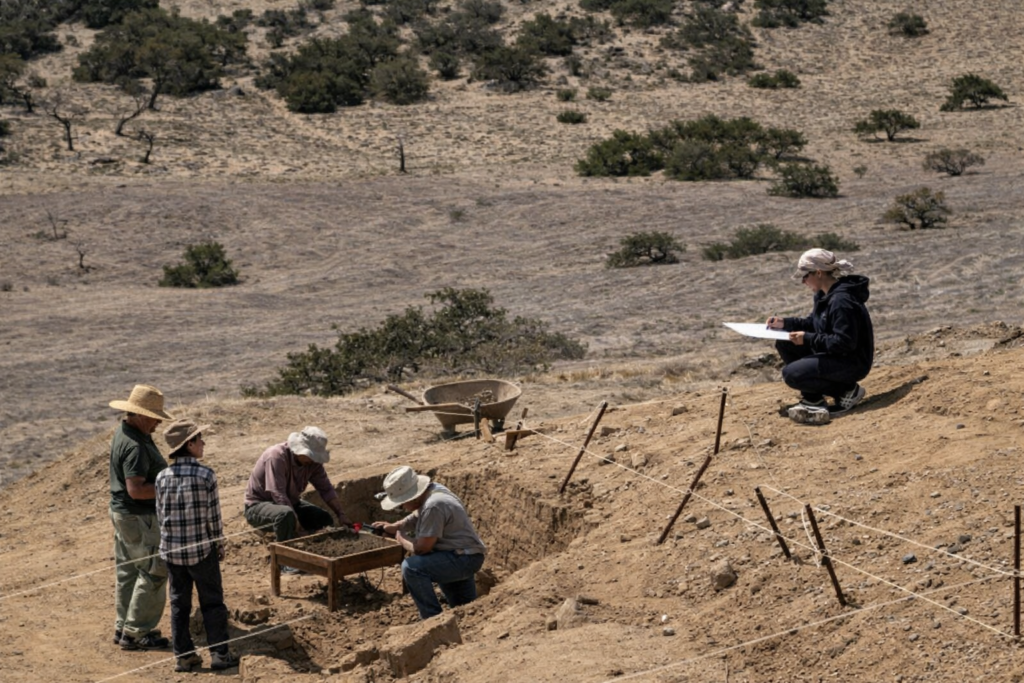
Archaeologists also uncovered evidence of a second ceremonial structure built between 600 and 700 A.D., directly above or adjacent to the earlier temple.
This later construction reflects continuity and transformation of sacred space across thousands of years. Its presence indicates that later communities recognized the significance of the location, maintaining ritual use long after the original builders had disappeared from the historical record.
7. A young child’s remains deepen the mystery.

Within the later temple phase, researchers identified the remains of a young child. The context suggests intentional placement rather than random interment.
The presence of juvenile remains introduces questions about sacrificial rites, dedicatory offerings, or funerary practices linked to religious belief. It also demonstrates that ceremonial traditions evolved over time while maintaining strong ties to the same geographic locus.
8. Agricultural landscapes concealed monumental history.
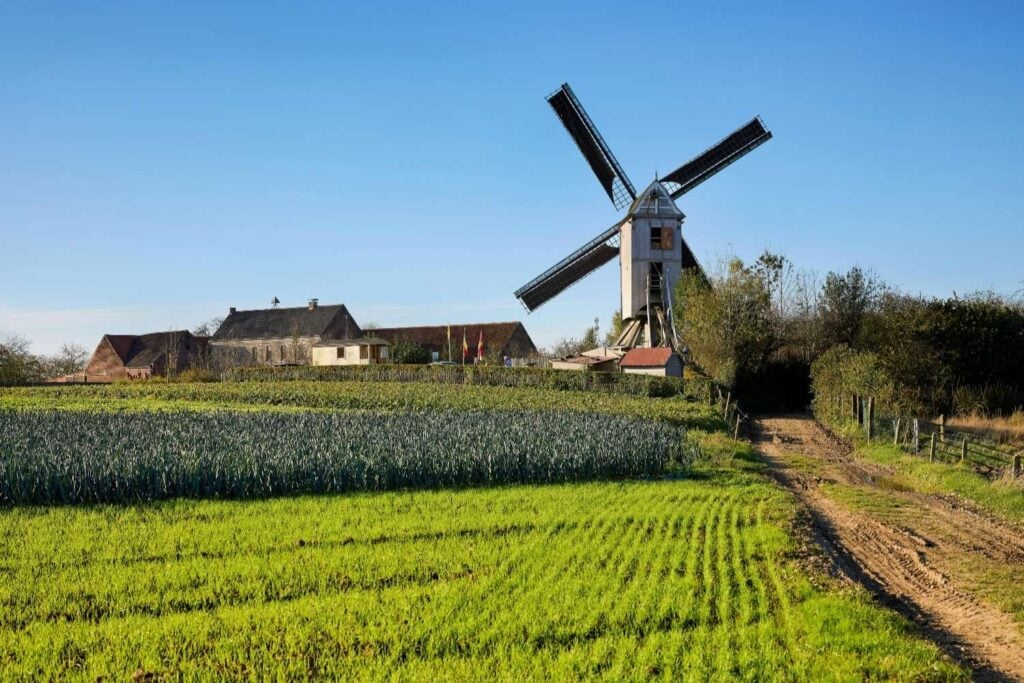
The temple remained hidden beneath farmland for centuries. Modern cultivation masked architectural contours, preventing recognition from the surface.
Its concealment underscores how much of early Andean history may still lie beneath inhabited landscapes. Only targeted excavation revealed the complexity below, suggesting that other early ceremonial sites could remain undiscovered in northern Peru.
9. The site expands understanding of regional identity.
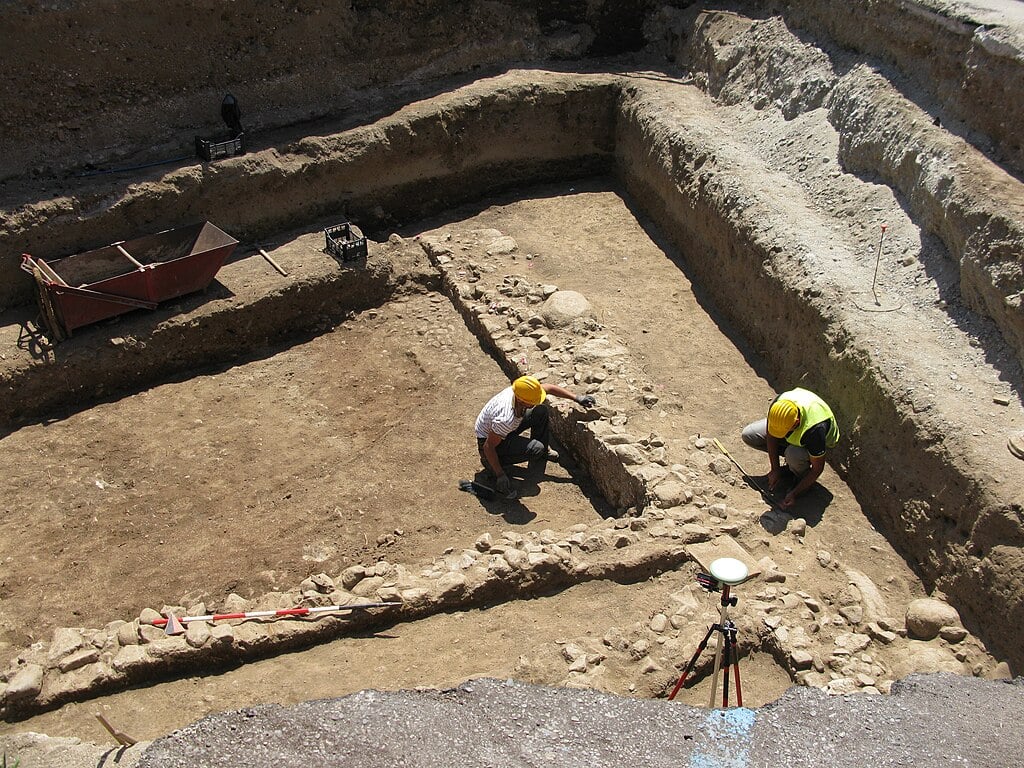
La Otra Banda does not clearly align with later named cultures such as Lambayeque or Moche. Instead, it represents a society that operated before documented political identities in the region.
This absence of direct continuity complicates historical narratives. The builders left architecture and burials but no written record, forcing archaeologists to reconstruct identity through material evidence rather than inscriptions.
10. Thousands of years of belief unfolded here.
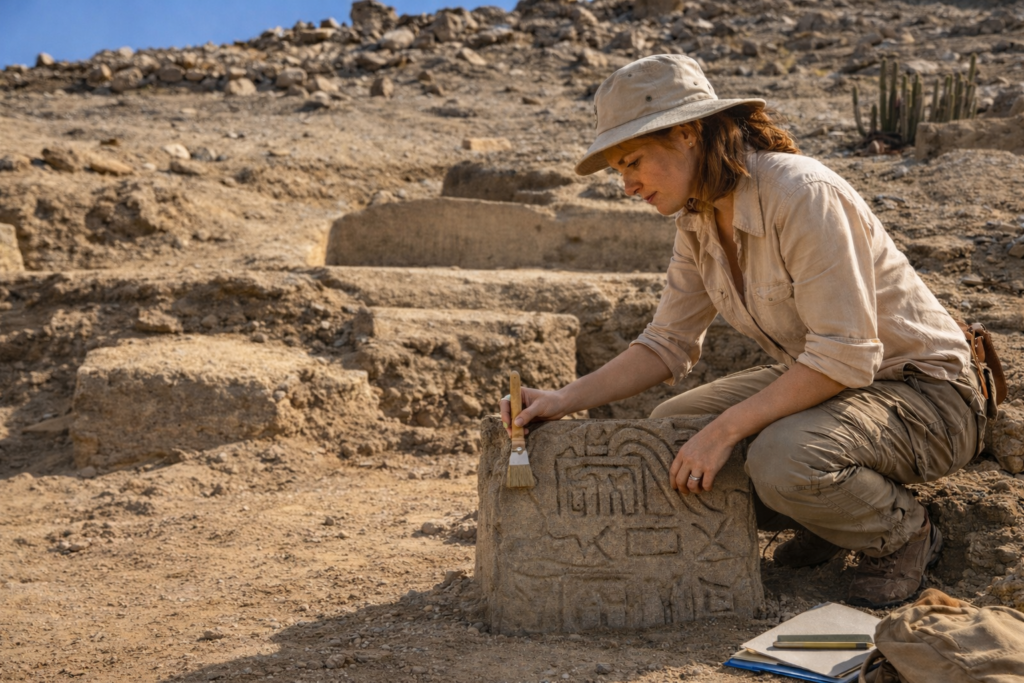
The coexistence of a 5,000 year old temple and a later structure from the seventh century A.D. reveals a sacred landscape reused across eras.
The site in the Zaña district stands as layered testimony to evolving ritual practice. It reflects changing architectural forms, shifting burial customs, and persistent reverence for place. Beneath northern Peru’s soil, a forgotten culture and its successors left architectural traces that continue to reshape how early Andean spirituality is understood.