
Feeding and caring for dogs is shaping global emissions in surprising ways.

Dogs are everywhere. From apartment balconies in Paris to ranches in Montana, they’ve become so embedded in human life that it’s easy to forget how many there are—nearly a billion worldwide. Yet their sheer numbers are drawing scientific attention, not because of their companionship but because of the ecological shadow they cast.
Recent studies are examining how pet food production, land use, and even waste disposal add up to a measurable share of global environmental strain. Researchers stress that no one is arguing for fewer dogs, but the conversation is shifting. Owning the world’s most beloved pet comes with hidden costs, and those costs are forcing a rethink of what sustainability looks like when man’s best friend is part of the equation.
1. Pet food production is now a climate issue.

A 2017 UCLA study calculated that dogs and cats in the United States alone consume about 64 million tons of meat annually, producing greenhouse gases equivalent to 64 million cars. That means pet food accounts for as much as 30 percent of the environmental impact of all U.S. meat production, according to the research.
For dogs, which often consume diets heavy in beef and chicken, the scale is undeniable. Producing that food requires enormous land, water, and energy inputs. The study reframed pet food not as a side stream of human diets but as a major driver of demand. Suddenly, the dinner bowl became part of the larger climate conversation.
2. Dogs consume more meat than many people worldwide.

In wealthier countries, dogs are fed diets rich in animal protein, often rivaling or exceeding the diets of people in developing regions. A report in the journal PLOS ONE showed that if all the dogs in the U.S. were considered a separate country, their meat consumption would rank among the top five globally. The authors concluded that the environmental strain tied to feeding pets can no longer be treated as marginal, ending the sentence with PLOS ONE.
That framing has unsettled pet owners used to premium kibble ads that highlight meat as a marker of quality. The ethical question becomes unavoidable: how sustainable is it to prioritize meat-heavy diets for pets while billions of humans live on far less.
3. Land use for livestock is directly tied to pet demand.
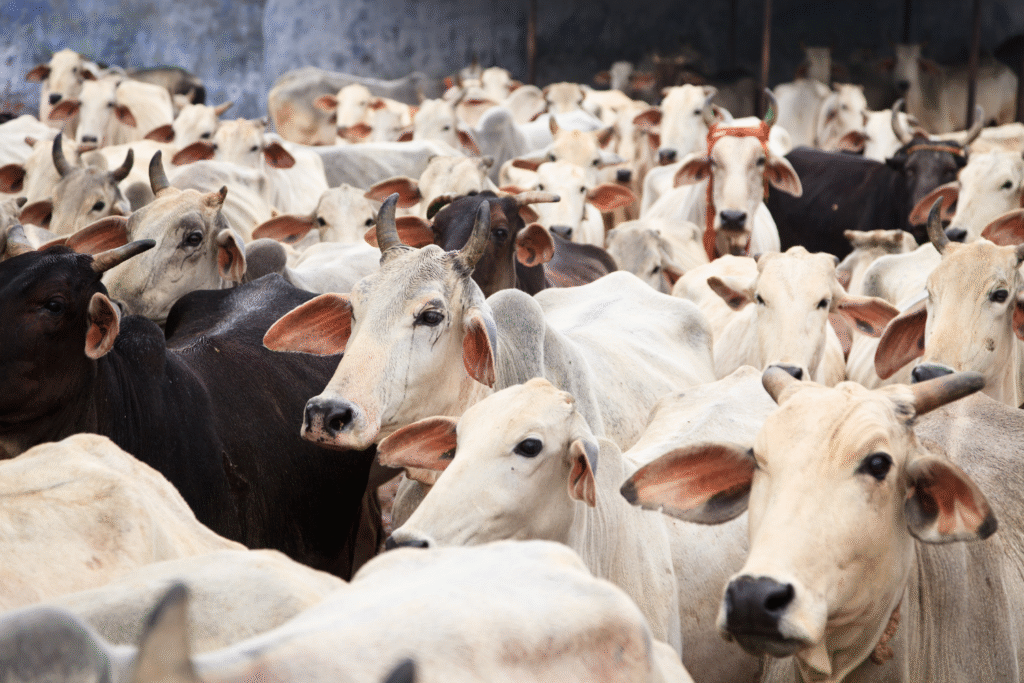
The World Resources Institute noted that global livestock production requires more than a quarter of Earth’s ice-free land, and part of that demand is tied directly to pets. With nearly a billion dogs worldwide, the share of pasture and cropland dedicated to sustaining their diets is significant, as reported by WRI.
For conservationists, this connection is critical. Expanding pasture for livestock often comes at the expense of forests, savannas, and wetlands. When pet food production fuels that expansion, the ecological tradeoff widens. Owning a dog, then, is not just a personal choice but one linked to global land use patterns.
4. Packaging waste is piling up alongside food demand.
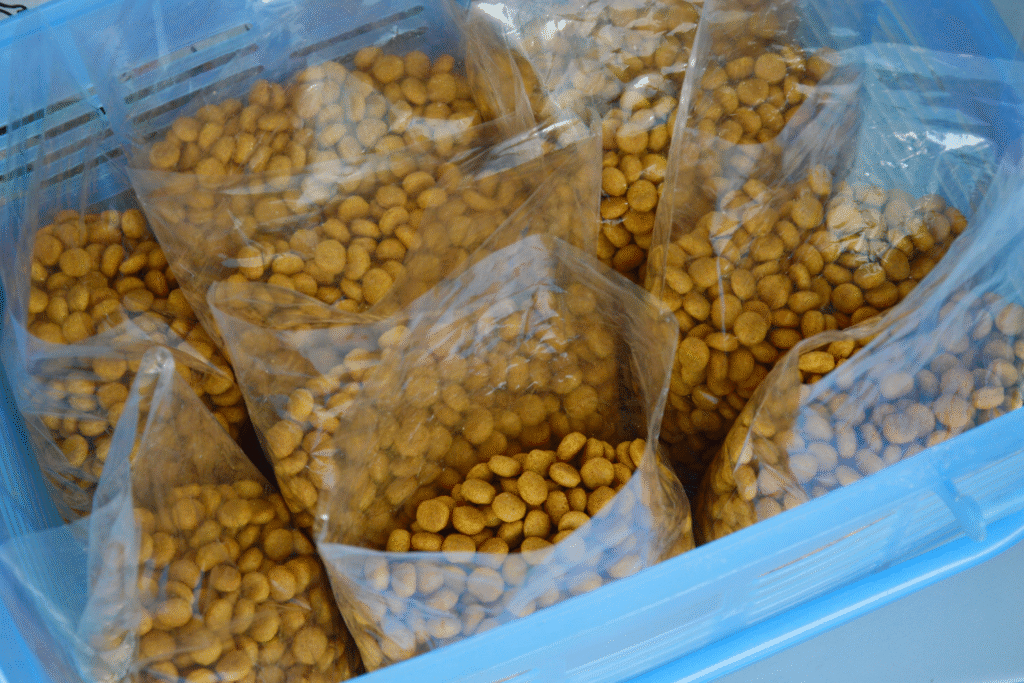
Pet food doesn’t just impact the climate—it leaves a mountain of packaging behind. Billions of cans, pouches, and plastic bags enter waste streams every year. Recycling options are limited because many containers mix metals and plastics, making them difficult to process.
This means even after a dog finishes a meal, the environmental toll continues. Companies have launched take-back schemes, but participation rates remain low. As pet ownership expands in urban centers, so too does the packaging footprint, a problem that is visible on sidewalks, landfills, and recycling plants alike.
5. Urban dog waste creates hidden pollution costs.

In cities, the issue extends beyond packaging. Dog feces, if not collected and treated properly, washes into waterways, contributing to nutrient pollution that can trigger harmful algal blooms. In places like Chicago and New York, local studies have found that pet waste makes up a measurable fraction of stormwater contamination.
This hidden cost rarely makes it into sustainability conversations. Yet as cities densify and pet ownership grows, dog waste becomes a public health and environmental management challenge. It’s a reminder that even the most mundane parts of pet life accumulate into ecological realities.
6. Veterinary care carries an overlooked carbon footprint.

Modern veterinary care is advanced, often rivaling human medicine in technology and pharmaceutical use. But with that comes a carbon cost. Hospitals run on energy-heavy equipment, and medicines require industrial production and transport. Each vaccinated puppy or treated illness leaves a trail of emissions.
While individually small, the cumulative impact across millions of pets is substantial. Unlike human medicine, which policymakers prioritize in climate strategies, veterinary medicine has flown under the radar. Sustainability experts are beginning to note that comprehensive climate action must account for these systems too.
7. Dogs influence how much meat humans eat.

Pet ownership doesn’t just affect direct consumption. It also reinforces cultural norms about meat. Owners who feed dogs meat-rich diets often justify their own habits the same way, sustaining demand beyond the pet sector.
Sociologists studying dietary behavior point out that human and pet diets often mirror each other. In that sense, dogs don’t just consume meat—they normalize its prominence in households. That cultural effect may be harder to quantify than tons of beef, but its influence is real.
8. The ecological burden is unevenly distributed.

Not all dogs have the same impact. In wealthy countries, large-breed dogs with high-protein diets exert a far greater ecological footprint than village dogs in parts of Africa or Asia that subsist on scraps. The disparity mirrors global inequality patterns, where the carbon footprint of a Labrador in London far exceeds that of a street dog in Lagos.
This unevenness complicates how we frame responsibility. It’s not simply about owning a dog but about what kind of diet and lifestyle that ownership entails. Some dogs live more sustainably than others, depending on geography and resources.
9. Alternative proteins are reshaping the pet food market.

In response to growing scrutiny, companies are rolling out kibble made from insect protein, plant-based formulas, and lab-grown meat. These alternatives require less land and water and produce fewer emissions. While adoption remains small, they signal an industry willing to adapt under pressure.
For climate-conscious pet owners, the choice is becoming clearer. Sustainability no longer means sacrificing nutrition—it may mean choosing food that reduces the ecological bite without harming the animal’s health. This shift shows how demand and innovation can meet somewhere in the middle.
10. Small lifestyle changes add up for owners.

Beyond food, owners can lower the footprint of pet care in everyday ways. Refillable toy options, biodegradable waste bags, and bulk food purchases reduce the carbon load. Walking instead of driving to dog parks may seem minor, but scaled across millions of households, such changes carry weight.
It reframes pet sustainability from a distant policy debate into something personal. Owners can contribute to change without waiting for legislation or industry reform. That sense of agency is crucial for shifting habits at scale.
11. Public awareness is still catching up.

Despite the data, most owners remain unaware of their pets’ environmental costs. Surveys show that while people consider sustainability in their own diets or transport choices, far fewer extend that logic to their animals.
This gap makes outreach vital. Awareness campaigns that highlight solutions—rather than guilt—are more likely to resonate. When people understand both the problem and the potential fixes, the chance of adoption grows.
12. The dog-human bond ensures the debate will be emotional.

Conversations about sustainability often run into resistance when they touch personal attachments. Few bonds are stronger than those between people and their dogs. This makes ecological critiques emotionally charged.
Yet researchers argue that acknowledging the bond is key to finding solutions. Framing the debate as care—not blame—opens space for owners to see sustainability as part of loving their pets. In that light, reducing ecological footprints becomes less about guilt and more about ensuring dogs and their humans share a livable planet.