
Science links sleep habits to emotional wiring.
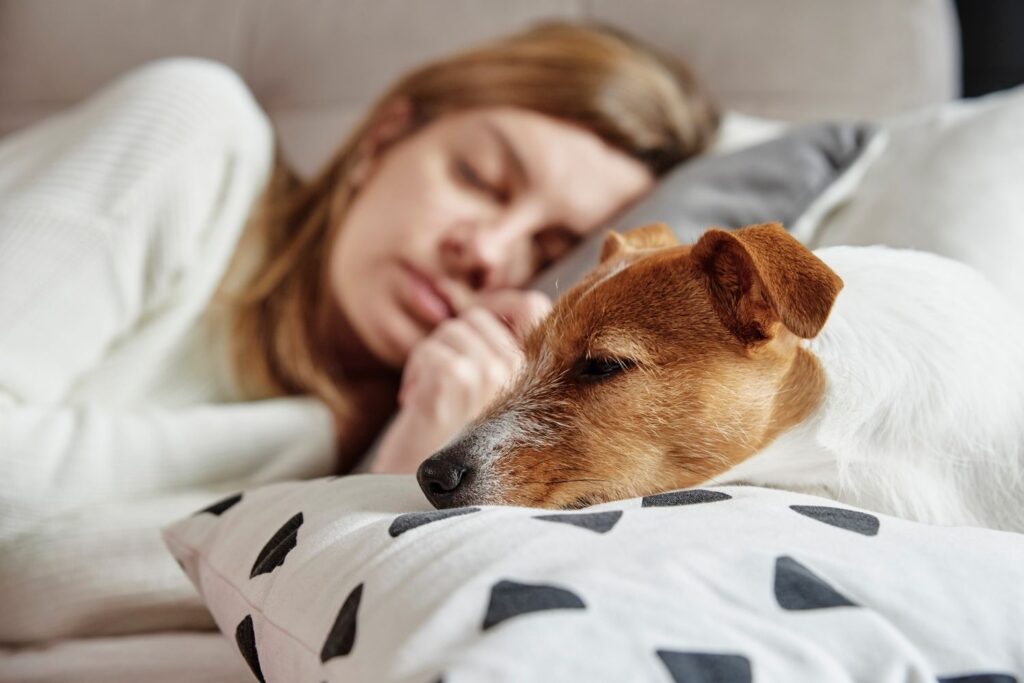
Sharing a bed with a pet often starts as a small exception and quietly becomes routine. Over time, that choice reflects how someone handles closeness, stress, and comfort when defenses are lowest. Sleep is one of the most neurologically vulnerable states humans enter each day. Who we allow into that space reveals patterns in attachment, regulation, and empathy that show up elsewhere in life. Research in psychology and neuroscience suggests that people who sleep beside their pets tend to cluster around specific emotional and behavioral traits shaped by both biology and experience.
1. You form strong attachment bonds with others.
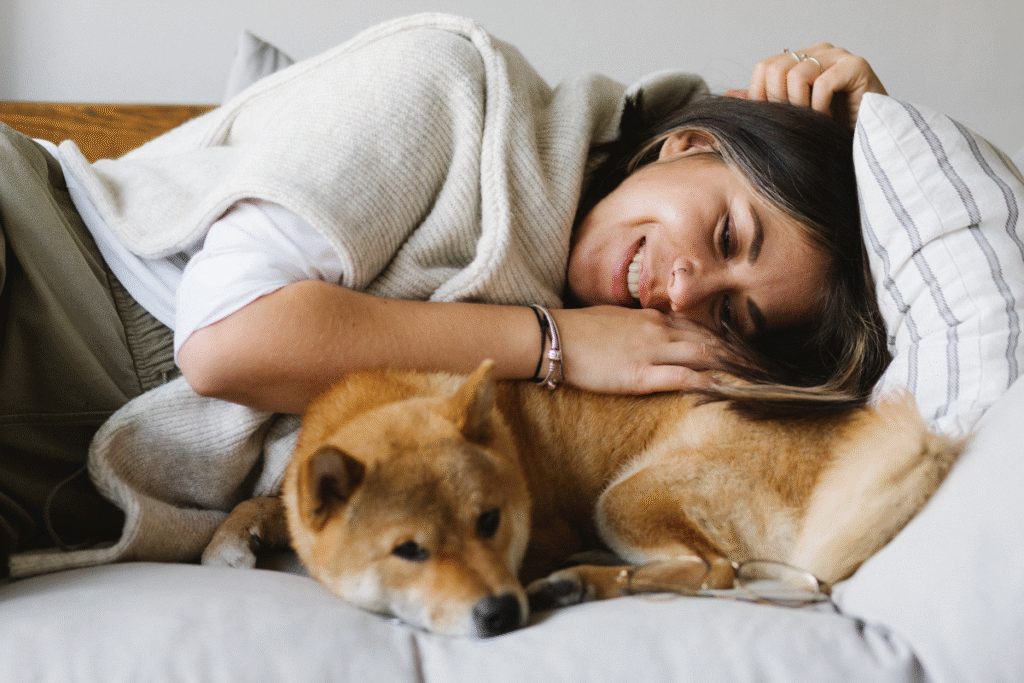
Letting a pet sleep beside you means tolerating vulnerability with another being present. Sleep reduces conscious control, so proximity during rest reflects trust rather than habit alone. This kind of closeness mirrors how people approach emotional bonds more broadly, especially in relationships built on safety rather than distance.
Attachment research shows that individuals with secure bonding styles seek physical proximity during moments of rest or stress, according to the American Psychological Association. The bed becomes a shared safe zone. This does not mean dependence. It reflects comfort with intimacy and an expectation that closeness brings regulation rather than threat, even when personal space is limited.
2. Your stress regulation relies on external calming cues.

Many people who sleep with pets describe their presence as grounding rather than distracting. The sound of breathing, body warmth, and familiar movement provide sensory signals that cue the nervous system toward calm. These cues operate below conscious awareness.
Studies on human animal interaction show measurable drops in stress hormones during close contact, as reported by the National Institutes of Health. This suggests some people naturally regulate stress through environmental feedback. Rather than forcing calm internally, their brains respond to predictable external signals. A sleeping pet becomes part of the regulation system that helps the body settle into rest.
3. You score higher on empathy measures.

Choosing to share sleep space often means adjusting personal comfort for another being. Pets sprawl, kick, or shift without apology. Tolerating that reflects sensitivity to another creature’s needs during a shared vulnerable state.
Behavioral research on pet owners shows stronger emotional attunement and responsiveness, as stated by the University of California Davis veterinary behavior program. Empathy here is practical, not sentimental. It shows up as small accommodations made repeatedly. Sleeping beside a pet extends caregiving instincts into the quiet hours, signaling an ability to remain emotionally available even when rest is the priority.
4. Routine matters more to you than rules.

People who sleep with pets rarely decide it once. The habit forms through repetition. Over time, bedtime becomes a shared ritual rather than a rule governed by boundaries. This reflects a flexible mindset toward structure.
Rather than enforcing rigid separation, these individuals value routines that support emotional comfort. The presence of a pet becomes a signal that the day is ending. This preference suggests adaptability. Rules give way to rhythms that work. The brain associates predictability with safety, and shared routines can feel more stabilizing than strict adherence to personal space guidelines.
5. You tolerate minor disruptions without distress.

Pets move during the night. They stretch, reposition, and sometimes snore. Accepting this means the nervous system does not interpret small disturbances as threats. Sleep may be lighter, but it remains regulated.
This tolerance often reflects emotional resilience. Instead of reacting strongly to minor interruptions, the brain stays flexible. People who sleep with pets tend to recover quickly from small disruptions rather than escalating into frustration. That same pattern often appears during the day, where imperfections are noticed but not magnified into stress.
6. Physical touch helps you feel secure.

Touch plays a powerful role in nervous system regulation. Warmth and pressure activate sensory pathways linked to safety and calm. For some people, this effect remains important even during sleep.
Those who welcome pets into bed often rely on tactile reassurance to maintain emotional equilibrium. This does not imply anxiety. It reflects how the brain learned to associate touch with protection. The steady presence of another body can reduce nighttime vigilance, allowing deeper rest even when surroundings are quiet and dark.
7. You view relationships as mutually regulating.

Sleeping beside a pet is rarely one sided. Pets often settle faster when near their owners, creating a feedback loop of calm. This reflects a relational mindset where emotional states influence one another.
People with this trait see relationships as systems rather than separations. Comfort flows both directions. That belief shapes how they navigate closeness, conflict, and support. The shared sleep space becomes a quiet example of co regulation, where proximity helps both nervous systems find balance.
8. Comfort outweighs concerns about control.

Inviting a pet into bed means surrendering some control over space. Blankets shift. Positions change. Perfection disappears. Choosing this anyway reveals priorities.
People who sleep with pets often value emotional ease over environmental control. This does not suggest disorder. It signals flexibility. The brain places connection above optimization. In moments of rest, comfort becomes more important than ideal conditions. That preference often extends into daily life, where relationships are allowed to remain imperfect without undermining a sense of safety.