
When crises hit, pets are often left behind.

After floods, fires, and storms, rescue groups across the United States report a troubling pattern. As communities scramble to recover, animals are surrendered, left behind, or found wandering damaged neighborhoods. The spike is not random. It follows evacuation orders, housing loss, financial strain, and overwhelmed shelters. From hurricanes in Florida to wildfires in California, the same outcome repeats. Pets become collateral damage when disaster response systems fail to fully account for them.
1. Evacuations often separate pets from families unexpectedly.

Mandatory evacuations move fast and leave little room for planning. Families fleeing wildfires or hurricanes often face transportation limits, hotel restrictions, or shelters that cannot accept animals. Pets get left with neighbors or locked inside homes with the intention of returning.
When return is delayed or impossible, those animals become stranded. Rescue organizations report large intakes days after evacuation orders lift. According to the Humane Society of the United States, disaster evacuations remain one of the leading causes of sudden pet abandonment following major emergencies.
2. Housing loss forces owners into impossible decisions.
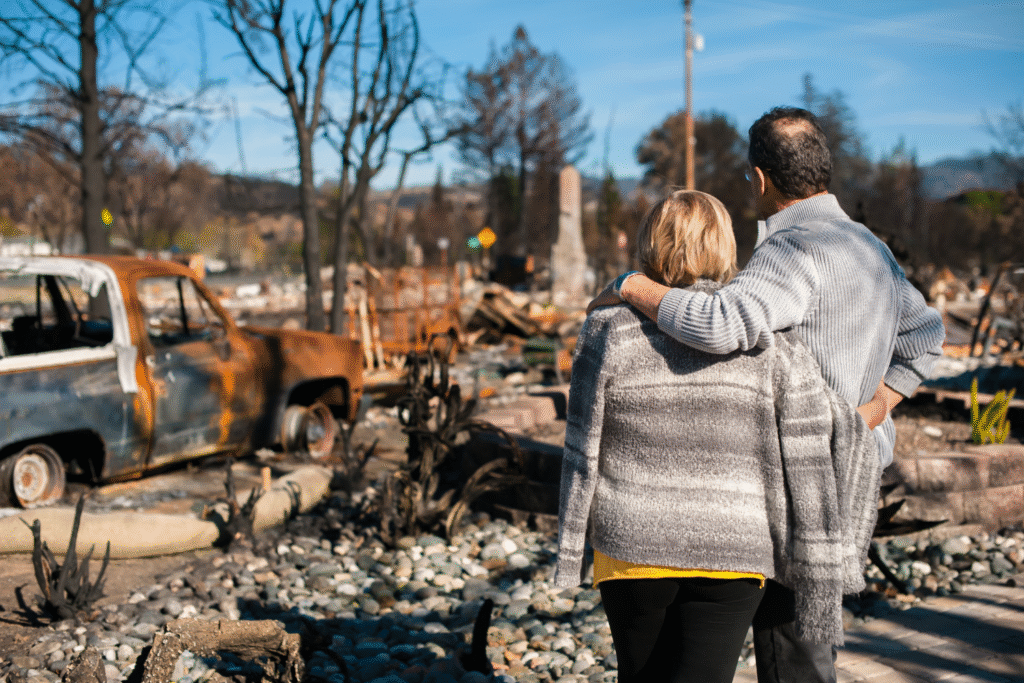
After disasters, many families lose homes entirely or face months of displacement. Temporary housing often prohibits animals or limits size and breed. Owners who never planned to rehome a pet suddenly have no legal place to keep them.
Rescue groups near disaster zones report a sharp rise in owner surrenders during the weeks following storms. This trend has been documented repeatedly after hurricanes and floods, as reported by the American Veterinary Medical Association. The decision is often driven by lack of options rather than lack of attachment.
3. Financial strain reduces ability to keep animals.
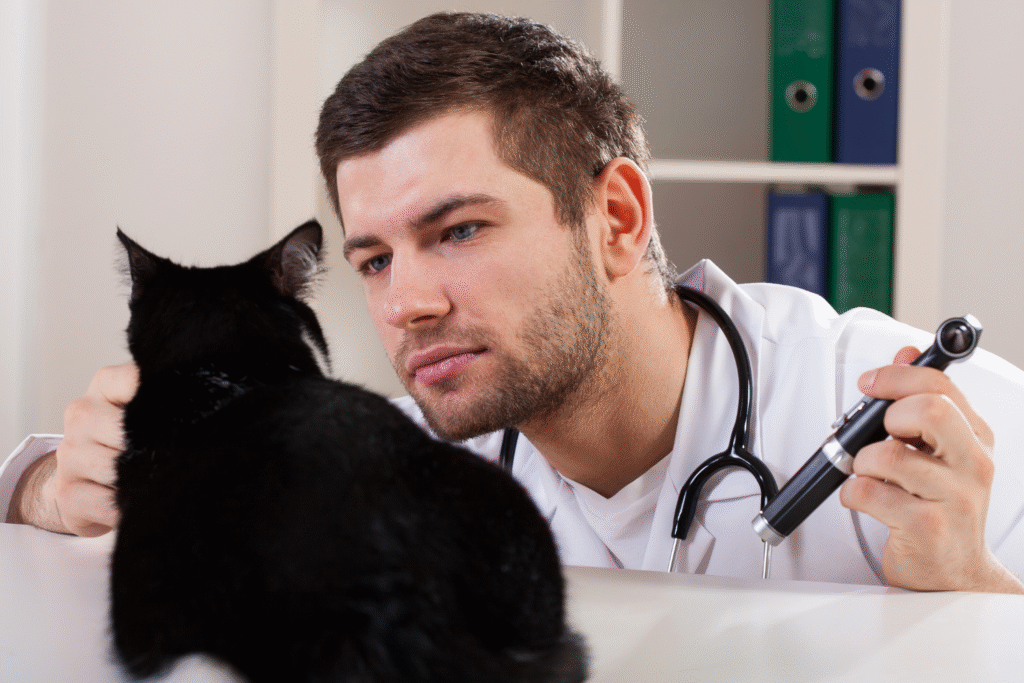
Disasters drain savings quickly. Medical bills, repairs, and lost wages stack up. Veterinary care becomes harder to afford, especially when pets suffer stress related illness or injury during the event. Owners delay care, then surrender when problems worsen.
Economic pressure consistently predicts pet relinquishment after disasters. Studies tracking post hurricane recovery show surrender rates rising alongside unemployment and housing instability, as stated by the National Animal Care and Control Association. Financial collapse turns manageable situations into forced separations.
4. Shelters become overwhelmed within days of impact.

Local shelters already operate near capacity under normal conditions. When disasters strike, intake numbers surge overnight. Found animals, surrendered pets, and emergency rescues arrive simultaneously, stretching staff and resources thin.
Many facilities lack disaster surge funding or space. Animals end up housed in temporary crates or transported long distances. Rescue groups step in to pull animals, but capacity limits slow response. The bottleneck increases length of stay and stress for already traumatized animals.
5. Displaced owners struggle to reunite with lost pets.
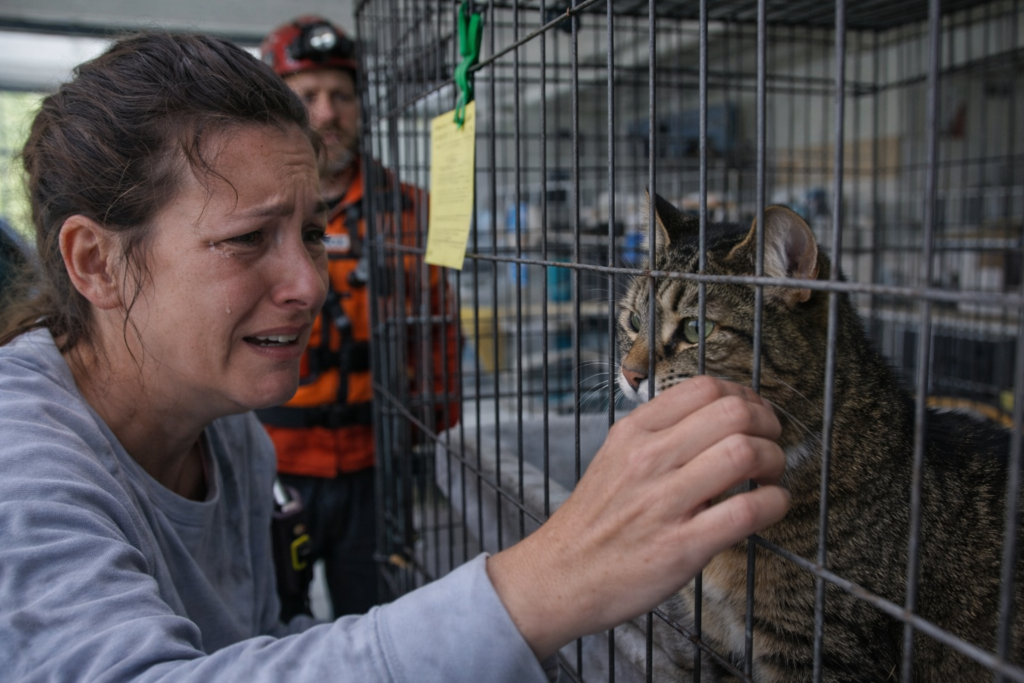
Pets escape during storms, fires, and structural damage. Fences collapse, doors blow open, and animals panic. Reuniting them requires identification, internet access, and time, all scarce during recovery.
Many owners relocate far from the disaster zone. Without microchips or current records, reunification becomes unlikely. Rescue workers often house animals for weeks before owners realize where to look. The delay increases the risk of permanent separation and eventual adoption placement.
6. Disaster shelters still exclude many animals.
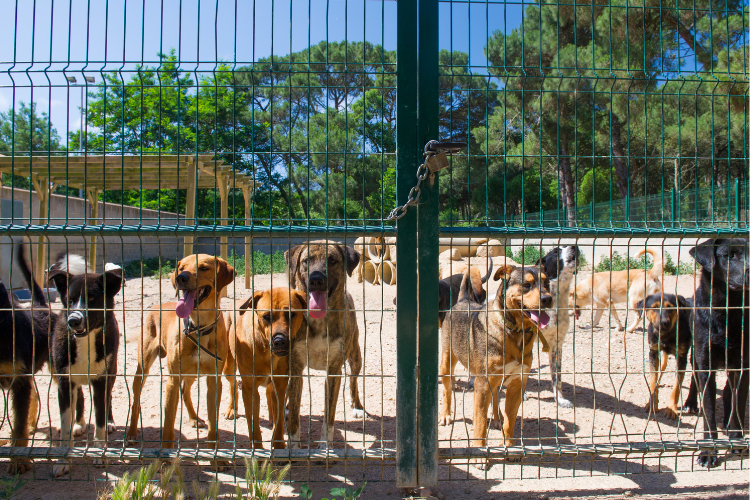
Although progress has been made since Hurricane Katrina, many emergency shelters still cannot house pets. Some accept only service animals. Others impose strict limits that exclude common household pets.
When families face a choice between safety and staying with animals, some delay evacuation. Others leave pets behind. Rescue groups repeatedly encounter animals found alone in evacuated areas. These policy gaps directly contribute to abandonment rates during large scale emergencies.
7. Stress changes animal behavior after disasters.
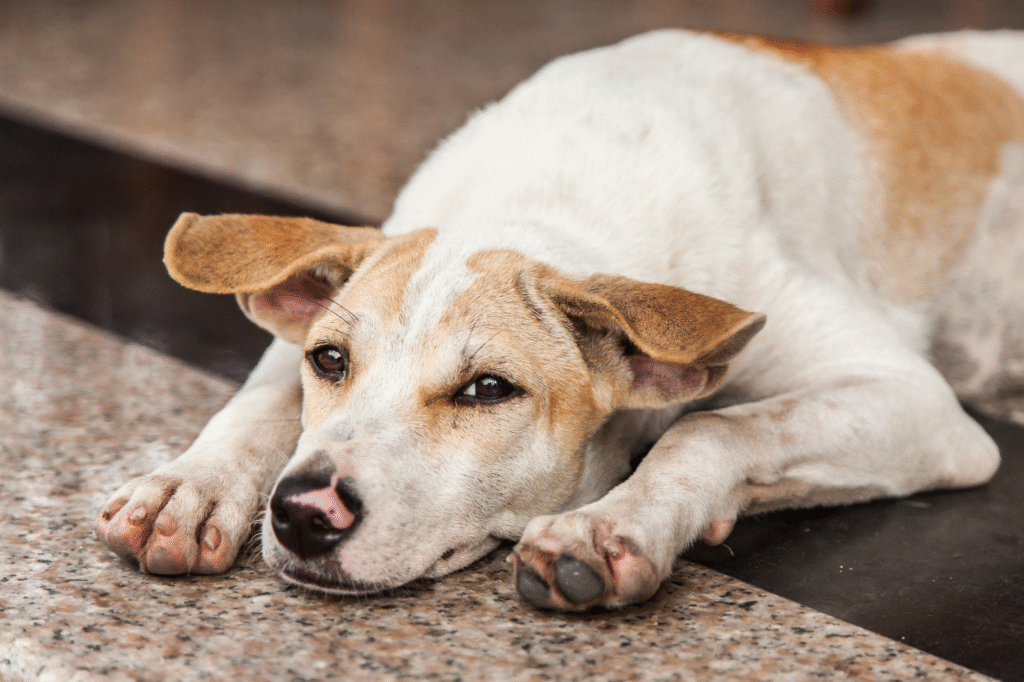
Animals exposed to disasters often exhibit fear, aggression, or withdrawal. Loud noises, separation, and unstable environments affect behavior quickly. Owners unfamiliar with trauma responses may feel overwhelmed.
Behavioral changes increase surrender risk. Rescue groups report spikes in relinquishment labeled as sudden aggression or anxiety. In reality, these behaviors reflect acute stress. With time and stability, many animals recover, but owners under pressure may not be able to wait.
8. Rural disasters create hidden abandonment hotspots.

Floods, tornadoes, and wildfires in rural areas receive less media attention but produce high abandonment rates. Rescue access is limited and animal control coverage is sparse. Animals are left on properties for extended periods.
Rescue teams entering these areas weeks later often find malnourished pets still tied or confined. The delay worsens outcomes. Without nearby shelters, rural disasters quietly generate long term animal welfare crises that remain underreported.
9. Rescue networks stretch across state lines.
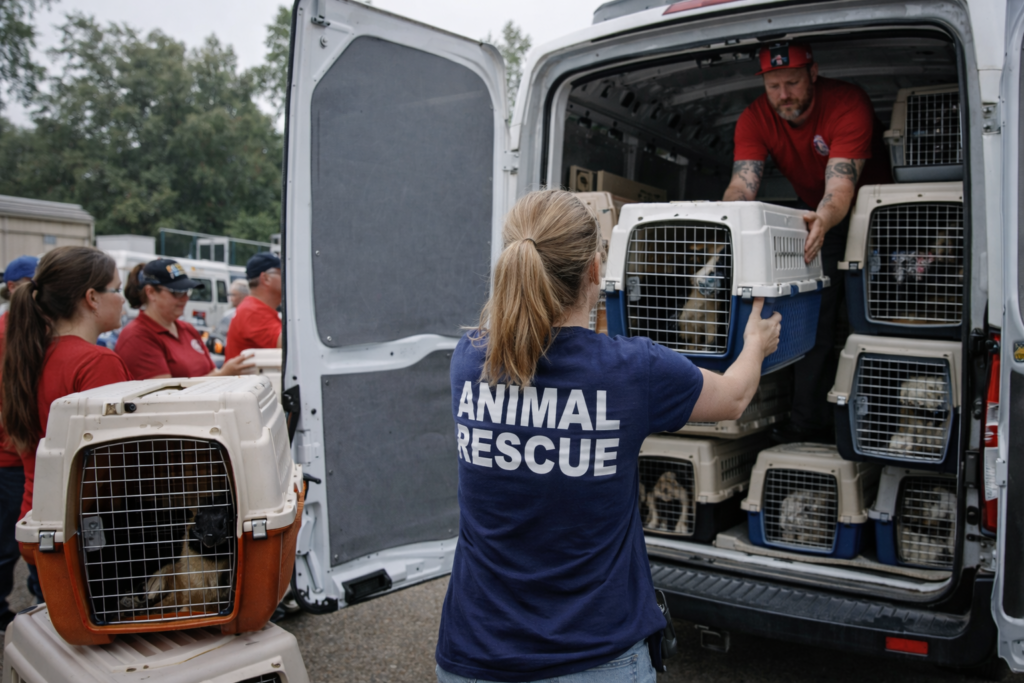
To manage overflow, rescue groups coordinate long distance transfers. Animals displaced by fires in California may end up adopted in Oregon or Washington. Hurricane affected pets from the Gulf Coast often move north.
This network saves lives but strains volunteers and transport resources. Foster shortages become widespread. The system relies heavily on unpaid labor. While effective, it highlights how disasters push animal welfare far beyond local capacity.
10. Preparedness reduces abandonment before disasters strike.
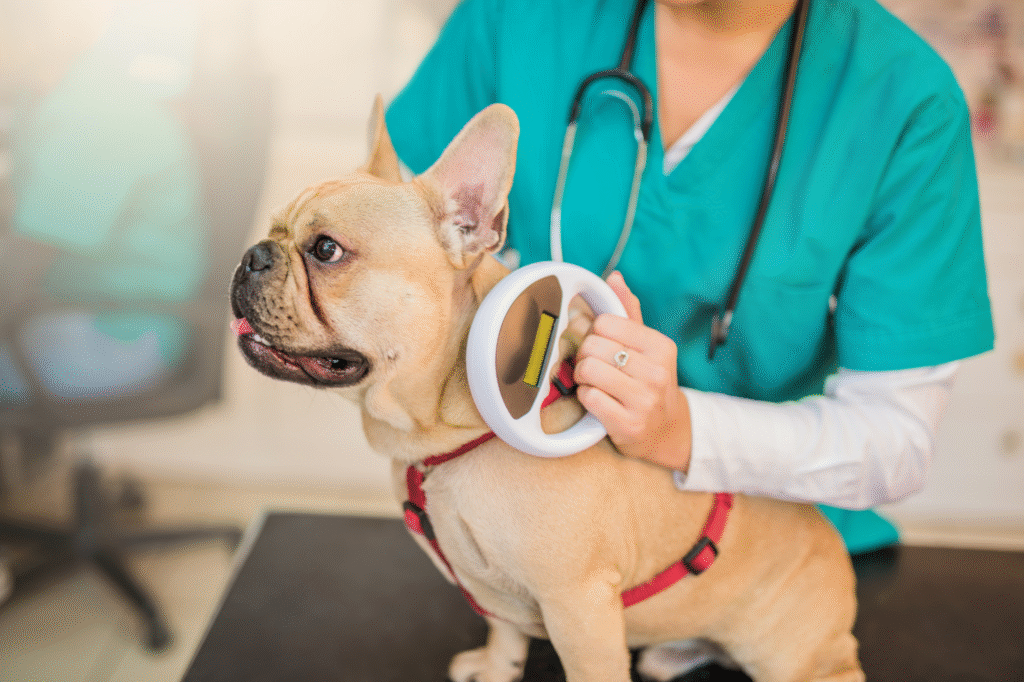
Communities with pet inclusive evacuation plans see lower abandonment rates. Microchipping, pet friendly shelters, and public education change outcomes measurably. Prepared owners evacuate faster and reunite sooner.
Rescue groups emphasize preparedness as prevention. Disaster kits, evacuation plans, and clear shelter policies protect animals before crisis hits. When pets are planned for in advance, fewer end up abandoned in the aftermath of catastrophe.