
Everyday products vets increasingly warn against.

Pet owners spend billions each year trying to keep their animals happy, healthy, and safe. Many purchases feel responsible, even loving, because they are widely sold and heavily promoted. Yet inside veterinary clinics, a different story unfolds. Doctors repeatedly trace injuries, illnesses, and emergencies back to common products sitting in homes right now. The danger is not exotic or rare. It comes from routine choices made with good intentions. Understanding which items raise concern, and why, can prevent harm long before a clinic visit becomes unavoidable.
1. Rawhide chews remain a common source of emergencies.

Rawhide chews are still marketed as natural and satisfying, yet veterinarians frequently treat dogs for choking and intestinal blockages caused by them. Once softened, rawhide can swell and break into large pieces that lodge in throats or digestive tracts. These emergencies often escalate quickly, leaving owners shocked by how fast a simple chew turns dangerous.
The material is difficult to digest and can expand after swallowing. Even dogs that chew calmly are at risk. Many veterinarians now advise choosing chews designed to dissolve or break down safely instead.
2. Grain free diets without diagnosis raise growing concerns.
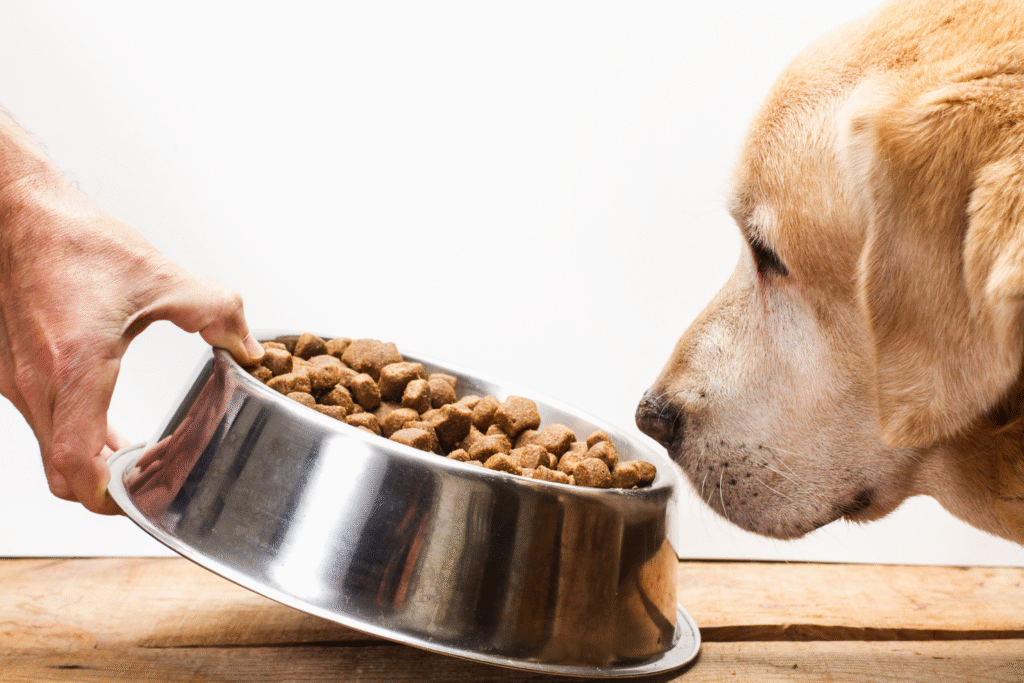
Grain free pet foods surged in popularity, but veterinarians became cautious after seeing heart disease cases linked to certain formulations. Owners often switched diets believing grains were harmful, unaware that nutritional balance mattered more than ingredient labels. The concern created confusion and fear around food choices that once seemed straightforward.
The issue was never grains alone. Diets heavy in substitutes like legumes may disrupt nutrient balance. Without a medical reason, veterinarians increasingly recommend balanced diets supported by feeding trials rather than trend driven formulas.
3. Retractable leashes frequently cause preventable injuries.

Retractable leashes promise freedom but often reduce control at critical moments. Vets and emergency physicians regularly see dogs struck by vehicles or tangled in cords after sudden leash extension. Owners also suffer burns, fractures, and cuts when cords snap or wrap around hands.
The thin line encourages distance where quick response is needed. Fixed length leashes offer clearer communication and safer handling. Many veterinarians now discourage retractable designs, especially in busy or unpredictable environments.
4. Cheap flea treatments sold online risk toxicity.

Low cost flea products found online can appear identical to trusted brands. Veterinarians report neurological reactions, tremors, and skin burns tied to improperly formulated or counterfeit treatments. Small pets are especially vulnerable to dosing errors that owners cannot easily detect.
Regulated flea preventatives undergo safety testing for species and size. Unverified products may contain incorrect concentrations or harmful ingredients. Vets consistently advise purchasing preventatives through clinics or reputable pharmacies to reduce risk.
5. Cooked bones still lead to serious injuries.

Many owners believe cooked bones are a natural treat. Veterinarians frequently treat cracked teeth, intestinal perforations, and blockages caused by bone fragments. Cooking makes bones brittle, increasing the chance they splinter into sharp pieces.
Even small fragments can cause damage as they move through the digestive tract. Most vets strongly advise avoiding cooked bones entirely. Safer dental alternatives exist that clean teeth without risking internal injury.
6. Exotic pets marketed as easy starters suffer most.

Small mammals and reptiles are often sold as beginner pets, yet their care requirements are complex. Veterinarians see malnutrition, dehydration, and stress related illness in animals purchased without proper preparation. The mismatch between marketing and reality leads to suffering.
These species require precise diets, temperatures, and lighting. Specialized veterinary care may also be limited. Vets urge prospective owners to research thoroughly before buying animals labeled as simple or low maintenance.
7. Tiny decorative aquariums create toxic environments.

Small decorative fish tanks are sold as effortless décor. Veterinarians who treat aquatic species see high mortality linked to uncycled water and poor filtration. Fish suffer long before owners realize water chemistry has become lethal.
Proper filtration, water volume, and cycling are essential for aquatic health. Tiny tanks allow toxins to build rapidly. Vets stress that tank size and equipment matter far more than visual appeal.
8. Laser toys can trigger compulsive behaviors.

Laser pointers seem like harmless entertainment, yet some cats develop fixation and anxiety after repeated use. Veterinarians report cases of obsessive pacing, shadow chasing, and stress behaviors tied to unresolved chase instincts.
The inability to physically capture the target creates frustration. Over time, play becomes compulsion. Vets recommend using toys that provide a tangible reward to support healthy mental engagement.
9. Decorative collars sometimes compromise safety.

Fashion focused collars with heavy hardware or poor fit can cause skin irritation, neck strain, or breathing interference. Vets also treat injuries from collars that snag or break during normal activity.
Function matters more than appearance. Lightweight, properly fitted collars reduce risk. Veterinarians encourage owners to choose designs made for safety rather than style, especially for active or growing pets.
10. Unproven supplements distract from real treatment.

Pet supplements promise joint support, calm behavior, or immune boosts with little oversight. Veterinarians often see owners relying on supplements while underlying conditions progress untreated. Delayed diagnosis can worsen outcomes.
Many supplements lack evidence or consistent dosing. Vets advise consulting professionals before adding them. Proper nutrition, diagnostics, and medical care offer clearer benefits than unverified powders or chews.