
A tiny enzyme is sparking big distrust.
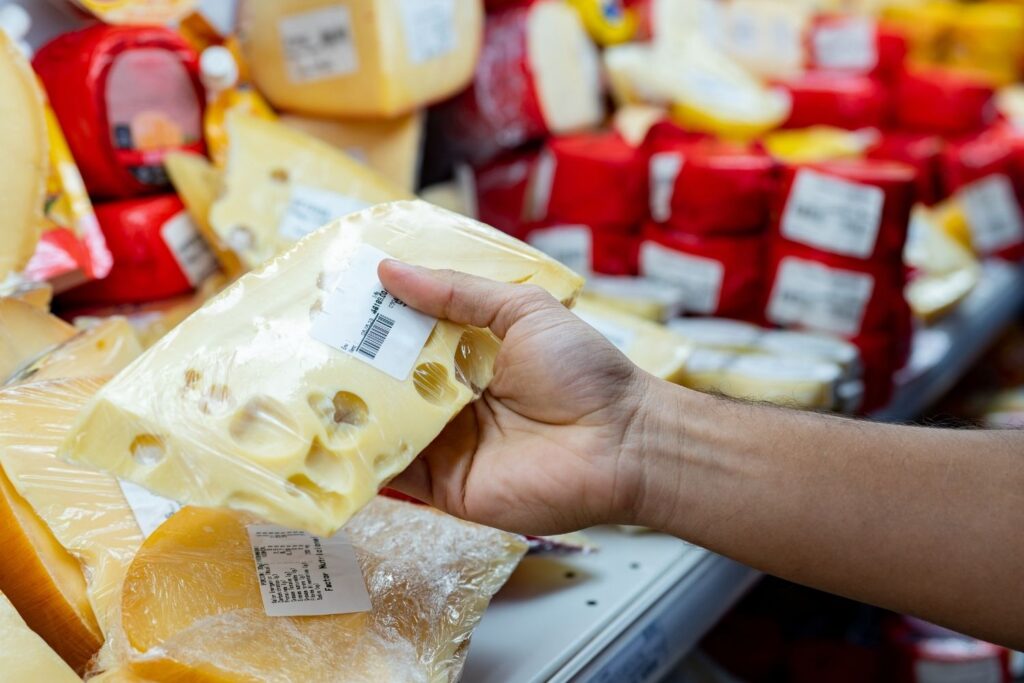
Across the U.S. in 2024 and 2025, a strange new argument started showing up in grocery aisles, comment sections, and group chats. People began asking why cheese labels feel so calm while social media insists something hidden is inside. Pfizer, best known for medicines, got pulled into the mess because of an old biotech milestone tied to cheesemaking. The core dispute is not really about taste. It is about trust, transparency, and how modern food ingredients quietly became normal.
1. An old Pfizer invention suddenly went viral.
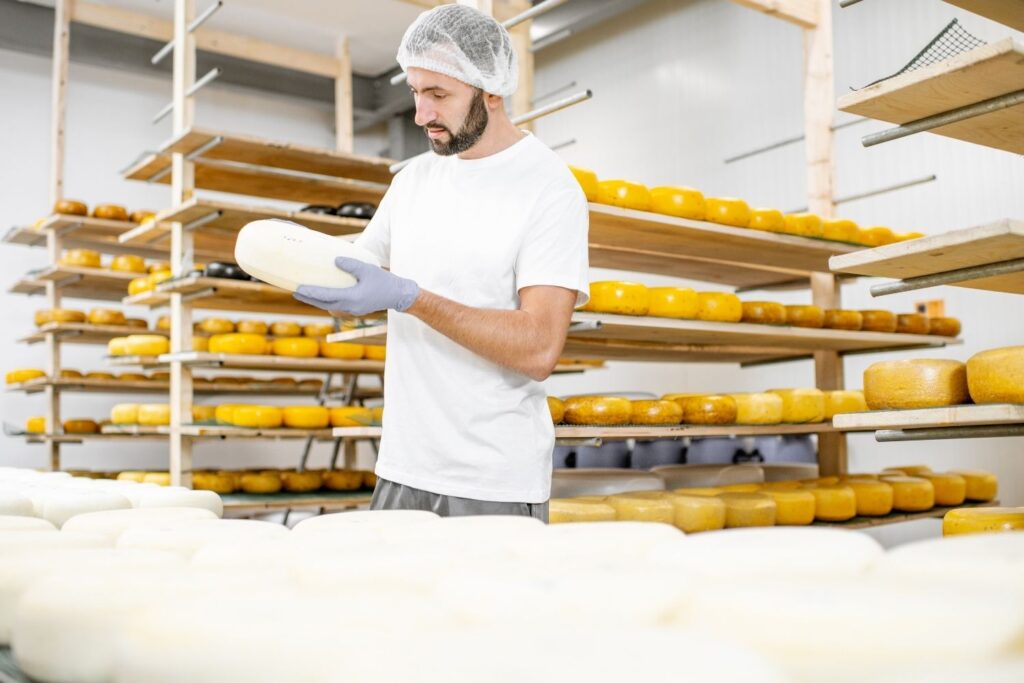
The controversy centers on fermentation produced chymosin, an enzyme used to coagulate milk so curds form. It is a modern substitute for traditional animal rennet, and it became common because it is consistent, scalable, and cheaper for producers. Pfizer’s name reappeared because it helped pioneer an early commercial version in the 1990 era, long before most people were reading ingredient lists like detectives.
That history is now being reposted as if it is breaking news, with claims that most cheese contains a Pfizer made enzyme and consumers were never told. The basic timeline is real, but the framing often spins into fear. The University of Wisconsin biotechnology outreach timeline notes that Pfizer introduced CHY MAX chymosin into the U.S. food supply in 1990, which is why the company keeps getting tagged when the topic resurfaces, according to University of Wisconsin–Madison Biotechnology Outreach.
2. People hear GMO and assume the cheese is GMO.
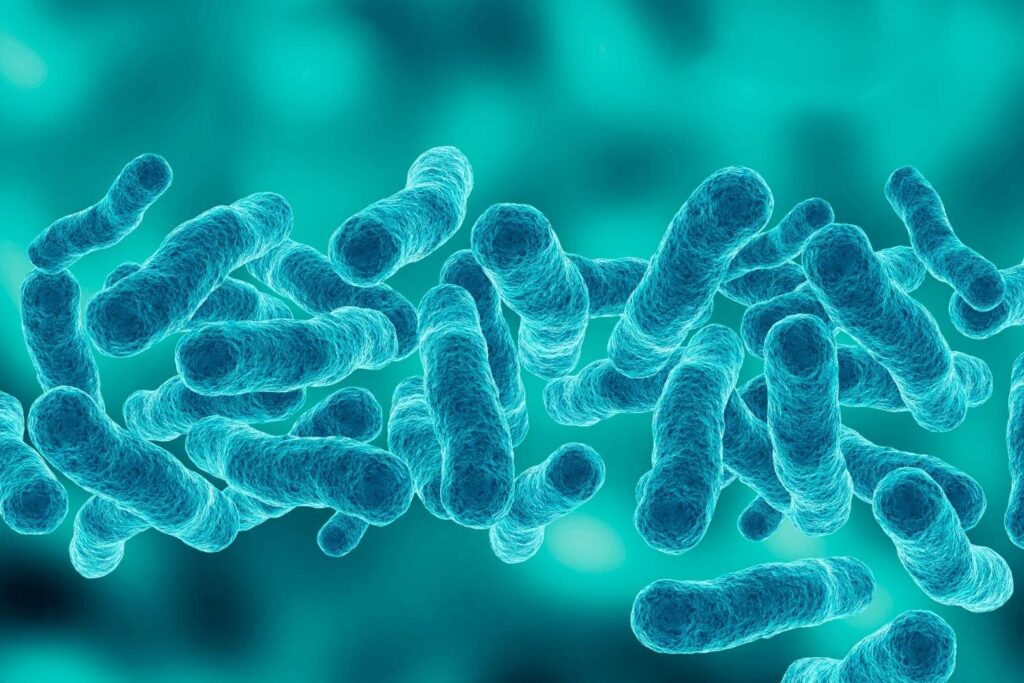
A lot of the outrage comes from a simple leap that feels intuitive but is not always accurate. If microbes were engineered to produce an enzyme, people assume the final cheese contains those engineered microbes or their DNA. In most industrial processes, the microbes are used to produce chymosin, then the enzyme is purified for cheesemaking. The process can involve genetic engineering, even if the final ingredient is just the enzyme.
Where the controversy heats up is the gap between what feels like common sense labeling and what regulations actually require. Many consumers expect GMO related production to be spelled out in big obvious language. That expectation crashes into food law, which often treats processing aids differently than direct ingredients. The Los Angeles Times described recombinant chymosin as a genetically engineered product approved for use in early stages of cheesemaking, and highlighted how tiny amounts can transform large volumes of milk, according to the Los Angeles Times.
3. The labeling fight is really about category loopholes.
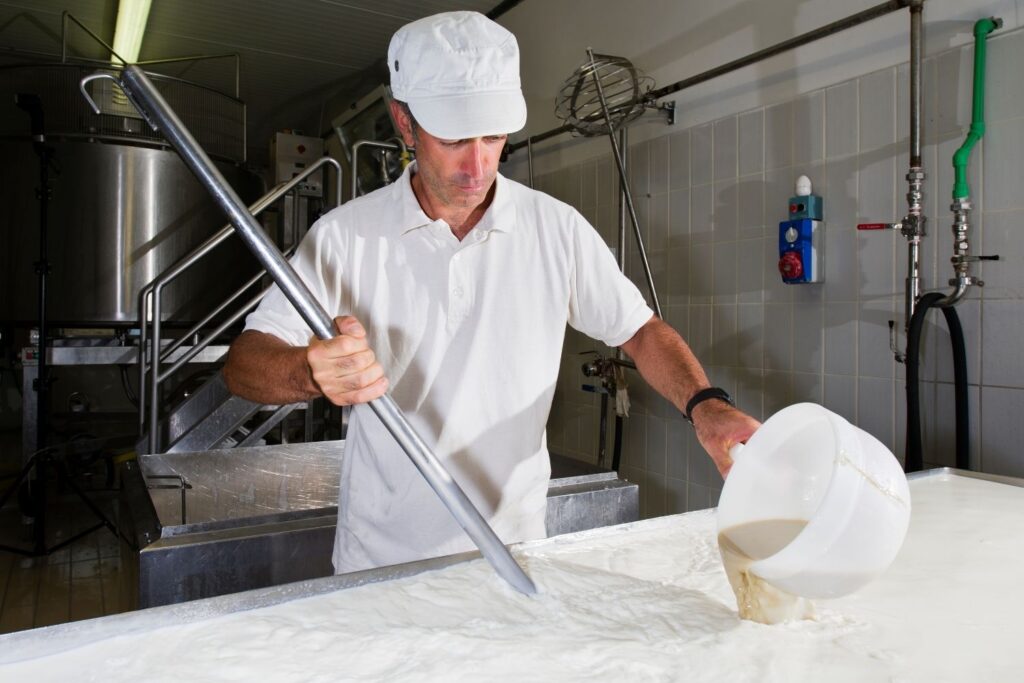
This is where Pfizer gets dragged in again, because people assume a corporate workaround happened. The more boring truth is that enzymes and processing aids often sit in regulatory categories that do not trigger front label disclosure. Chymosin is used to make curds, then most of it ends up in whey rather than remaining as a character you can easily point to on a finished cheese label.
That does not calm people down, because the public conversation is emotional, not technical. A shopper hears hidden and thinks deception. A regulator hears processing aid and thinks standard practice. The clash is predictable. Federal Register notices from 1990 describe FDA action affirming certain chymosin preparations as generally recognized as safe for cheesemaking, which helps explain how the ingredient became normalized without the kind of labeling that everyday consumers expect, according to the U.S. Federal Register.
4. The internet keeps calling it a Pfizer enzyme.
Online posts often describe the ingredient as if Pfizer is currently manufacturing cheese additives and quietly slipping them into supermarket brands. In reality, this story is more like an old patent era ghost wandering back into the room. Pfizer’s early role became a shorthand, and shorthand becomes a villain when the algorithm needs a name.
Once a claim includes a recognizable company, it spreads faster than a nuanced explanation. People do not share the words microbial fermentation and purification, they share Pfizer and hidden ingredient. Even if the enzyme is now produced by other biotech and ingredient companies, the origin story sticks. That is how brand association works. It is not about corporate control today, it is about a sticky narrative that makes every cheese aisle feel suspicious.
5. Some of the fear is actually about dairy itself.
A surprising chunk of the anxiety is not about chymosin at all. It is about industrial dairy, ultra processed foods, and a general sense that modern eating is one long chemistry experiment. Once people feel that way, an enzyme becomes symbolic. It stands in for every other concern, hormones, antibiotics, factory farming, and the speed at which food gets made.
So when someone hears that most cheese is made with lab produced rennet, it lands like a final straw, even if the ingredient is functionally similar to traditional chymosin. The controversy grows because it attaches to bigger frustrations. Cheese is just familiar enough to feel personal, and just industrial enough to feel untrustworthy. Pfizer ends up as the face of it because Pfizer is already a cultural lightning rod.
6. Cheesemakers say the alternative is not simple.
Traditional animal rennet comes from the stomach lining of calves, and supply constraints were a major reason microbial chymosin took off in the first place. Small artisanal producers may still use animal rennet or non engineered alternatives, but large scale cheesemaking depends on consistency and volume. One batch failure can mean thousands of pounds lost.
That creates a quiet tension. Consumers want natural sounding simplicity. Producers need predictable chemistry. Fermentation produced chymosin solved a real manufacturing problem, which is why it became so common. The debate gets messy because both sides have a point. People are not wrong to want transparency, and producers are not wrong to rely on stable inputs. The fight is about who should carry the burden of complexity.
7. The controversy keeps confusing vegetarian labeling.

Many vegetarians avoid animal rennet, so microbial or fermentation derived rennet became the practical solution for mass market cheese. That means the same ingredient being framed as suspicious online is also the reason many vegetarian labeled cheeses exist at scale. It is a weird cultural collision, because one community sees it as a workaround to avoid animal slaughter, and another sees it as corporate tampering.
Add religious dietary concerns and it gets even more complicated. Some cheeses are acceptable precisely because microbial chymosin is not sourced from animals. When Pfizer is dragged into the debate, those nuances get flattened. People argue past each other, because they are not actually debating enzymes. They are debating values, food identity, and who gets to define what counts as real cheese.
8. Social media thrives on the word hidden.

The phrase hidden ingredient is basically rocket fuel for engagement. A video can imply wrongdoing without proving any, and comments will fill the gaps. That is how a technical detail becomes a scandal. The more the claim sounds like a secret, the more viewers feel smart for learning it, even if the reality is simply complicated regulation plus industrial standard practice.
Pfizer’s name amplifies the emotional punch. People already associate it with high stakes decisions and institutional power. Put that name next to food, and the reaction becomes visceral. It does not matter that the timeline is decades old. It does not matter that multiple suppliers exist now. The audience feels like they caught a hidden connection, and that feeling spreads faster than any careful clarification.
9. The real question is what labels should tell.
If you strip away the shouting, the controversy boils down to a policy question. Should labels disclose not only what is in a product, but how key processing aids were produced. Many consumers say yes, because process affects their ethical choices. Many regulators and manufacturers say that would be confusing, expensive, and inconsistent across categories.
Pfizer is being dragged because it is the most famous name in the origin story, and origin stories are easier to argue about than regulatory definitions. The next step is not a viral takedown, it is a clearer public conversation. If chymosin produced through fermentation is going to remain standard, then consumers will keep asking for plain language explanations. The longer the gap between expectation and labeling reality, the louder the cheese aisle gets.