
A silent chamber is reopening an ancient question.

For decades, Egyptologists believed the resting place of Thutmose II had either been destroyed or absorbed into later construction. That assumption shaped textbooks, tours, and timelines. Recently, renewed excavation in the Valley of the Kings has reopened a question many thought settled. The chamber involved is not grand, not decorated, and not announced with certainty. Yet its location, design, and timing have raised fresh attention. The possibility does not arrive with gold or inscriptions. It arrives with doubt, context, and a narrow window into royal burial decisions still poorly understood.
1. The focus has returned to a forgotten valley chamber.
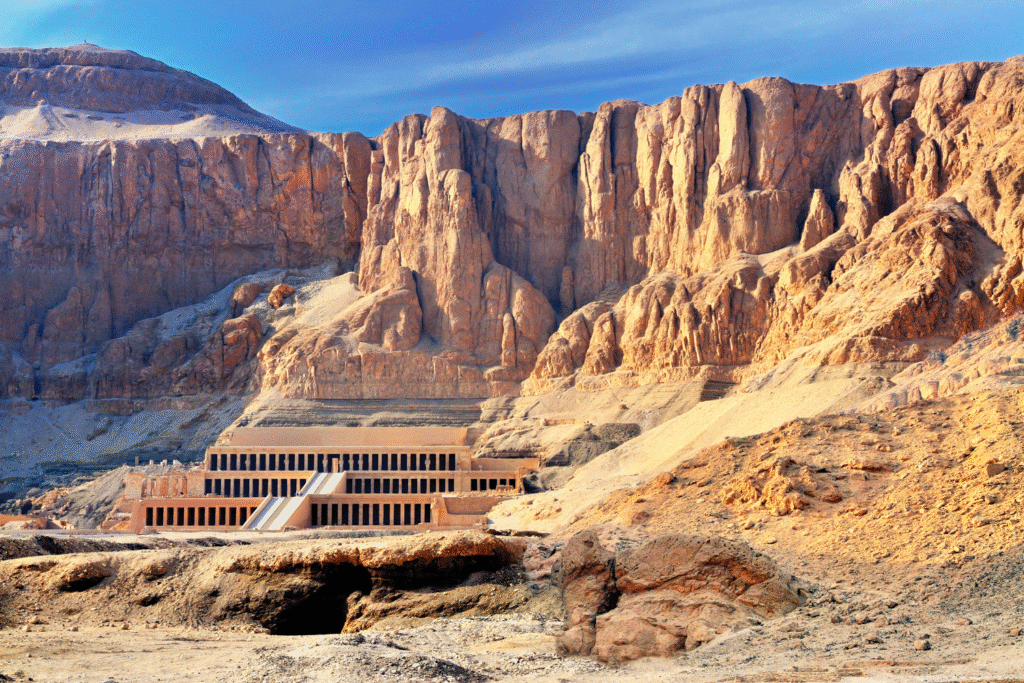
The chamber lies in the Valley of the Kings, cut into limestone and long dismissed as unfinished. Earlier excavations cataloged it quickly, finding no decoration or burial goods. Over time, it faded from serious discussion as attention moved elsewhere.
Recent reassessment by archaeologists working with Egypt’s Ministry of Tourism and Antiquities has reopened the site, according to the BBC. New surveys identified architectural choices consistent with early Eighteenth Dynasty planning. The chamber’s position now raises questions about whether it was misidentified rather than incomplete.
2. Thutmose II remains one of Egypt’s unresolved burials.
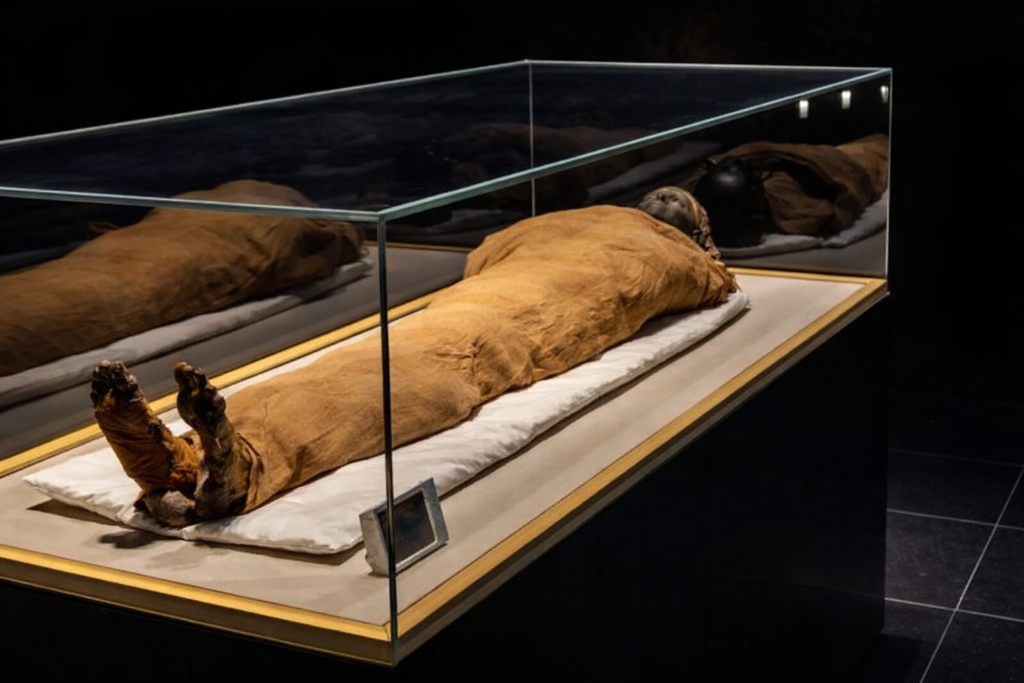
Thutmose II ruled briefly during the early Eighteenth Dynasty, yet no confirmed tomb bears his name. His reign sits between more prominent rulers, complicating historical focus and archaeological prioritization.
Egyptologists have long debated whether his burial was modest, relocated, or deliberately concealed. That uncertainty persisted for generations. The renewed attention on this chamber reframes the issue, suggesting the tomb may have existed in plain sight, misunderstood because it lacked later royal features and monumental scale.
3. Renewed excavation followed years of archival review.
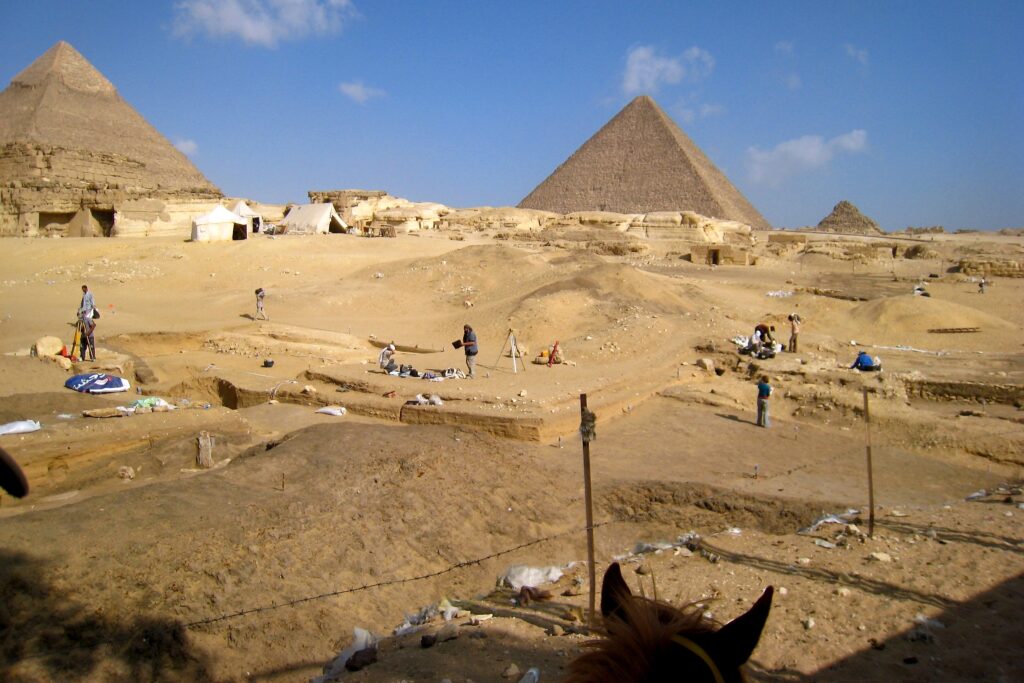
The investigation did not begin with digging. Archaeologists first returned to excavation records, architectural drawings, and geological data compiled decades earlier. Patterns emerged that had not been pursued fully at the time.
Targeted excavation resumed only after this review, as reported by Reuters. Researchers focused on debris layers and tool marks rather than artifacts. Their method reflects caution. Identification depends on spatial logic and construction sequence, not a single dramatic object.
4. The architectural layout resists easy classification.

The tomb’s corridors are narrow, plain, and minimally finished. This does not align neatly with later royal tombs known for expansion and decoration. Yet it also exceeds typical nonroyal burials in scale.
This ambiguity creates tension. The design could represent an early experiment in royal burial architecture or a tomb completed under constraint. Without inscriptions, layout becomes the primary evidence, and interpretation remains deliberately restrained.
5. The absence of burial goods complicates interpretation.
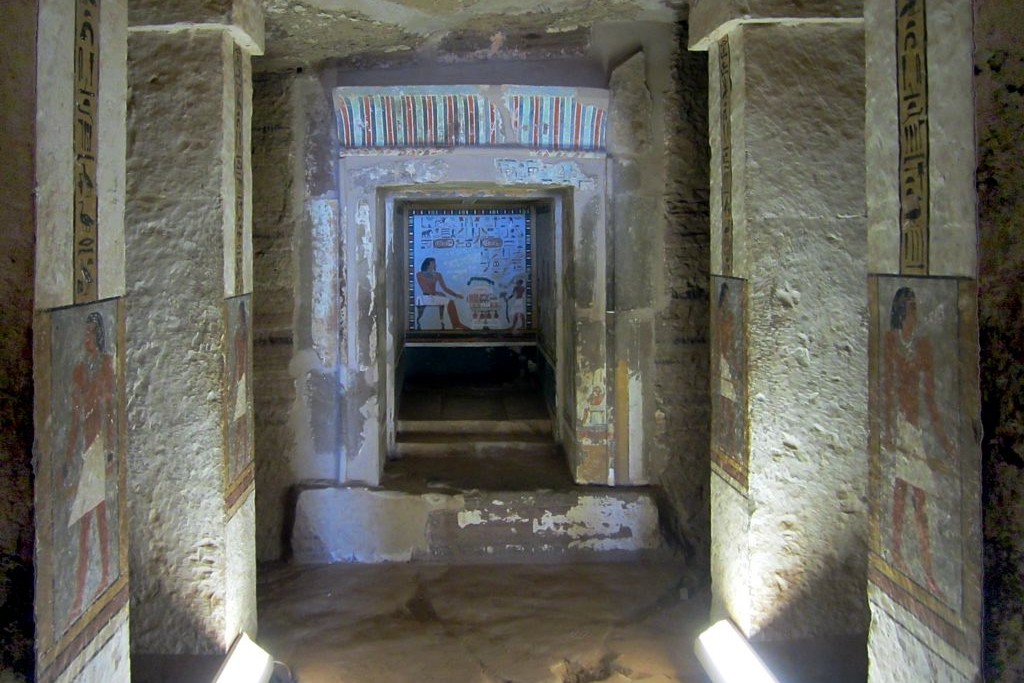
No intact burial assemblage has been recovered from the chamber. The lack of objects immediately invites skepticism about royal use, especially compared to richly furnished tombs elsewhere in the valley.
However, absence carries multiple explanations. Tombs were often cleared in antiquity to protect remains. Others were stripped during later periods of reuse. Determining whether removal was intentional or the tomb was never used remains central to identifying its original purpose.
6. Geological features suggest deliberate sealing behavior.

Rock collapse around the chamber shows patterns inconsistent with natural erosion alone. In several areas, rubble appears placed rather than fallen, indicating human intervention.
Such sealing practices were sometimes used to obscure royal burials during unstable periods. The geology does not prove identity, but it suggests decision making after construction. Someone treated the chamber as something worth concealing, rather than abandoning casually.
7. Historical timing aligns with political uncertainty.

Thutmose II ruled during a moment of internal transition. Power within the royal family was not firmly consolidated, and succession dynamics were complex.
Burial decisions during such periods could reflect compromise. A less elaborate tomb might indicate urgency rather than insignificance. The timing aligns uncomfortably well with the chamber’s simplicity, suggesting political context shaped funerary planning more than previously assumed.
8. Proximity to later royal tombs complicates evidence.
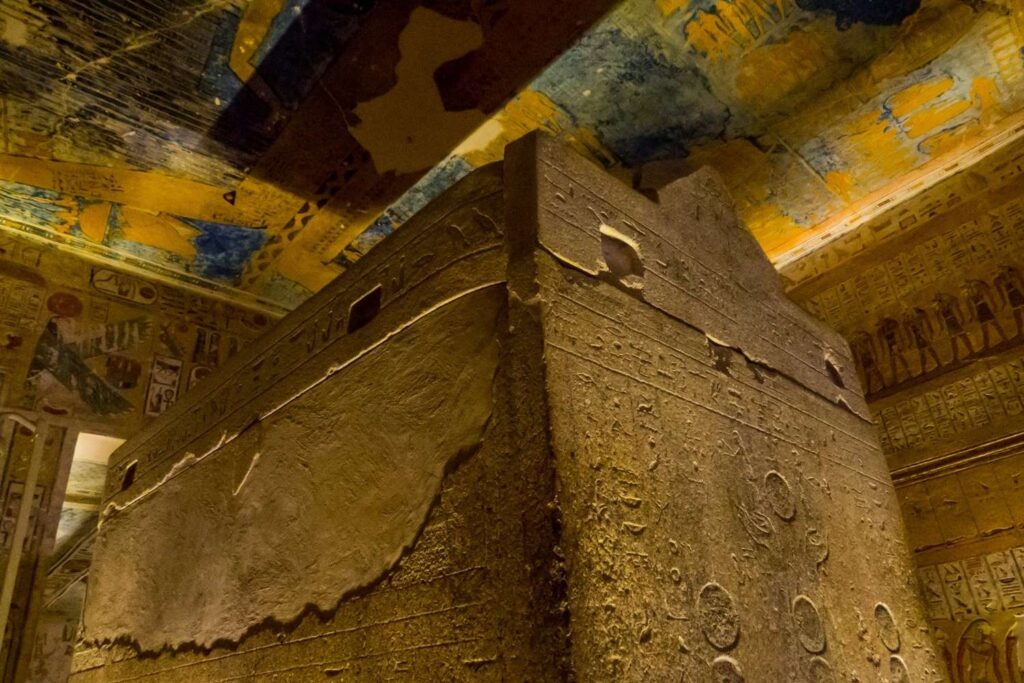
The chamber lies near areas later used extensively by subsequent pharaohs. Later construction likely altered surrounding corridors and deposits.
This overlap creates stratigraphic confusion. Later activity can erase or distort earlier intent. Untangling those layers requires careful sequencing. The chamber’s meaning cannot be isolated without understanding how later generations reshaped the valley around it.
9. Egyptologists remain cautious despite mounting indicators.

No inscription names Thutmose II, and scholars emphasize that identification requires cumulative evidence. Architecture, location, and historical context must align convincingly.
Past misattributions have taught restraint. Announcements without confirmation can unravel quickly. Researchers stress that possibility does not equal proof. The chamber invites reconsideration, not declaration, keeping interpretation grounded and deliberately provisional.
10. Confirmation would reshape royal burial expectations.

If the tomb proves to belong to Thutmose II, it would challenge assumptions about uniform royal burial practices. Not every pharaoh rested in a monumental complex.
Variation may reflect political timing, health, or logistical pressure. The discovery would broaden understanding of how flexible royal funerary planning could be. Even without certainty, the chamber already disrupts simplified narratives of pharaonic burial tradition.