
What looked safe hours earlier turned suddenly dangerous.
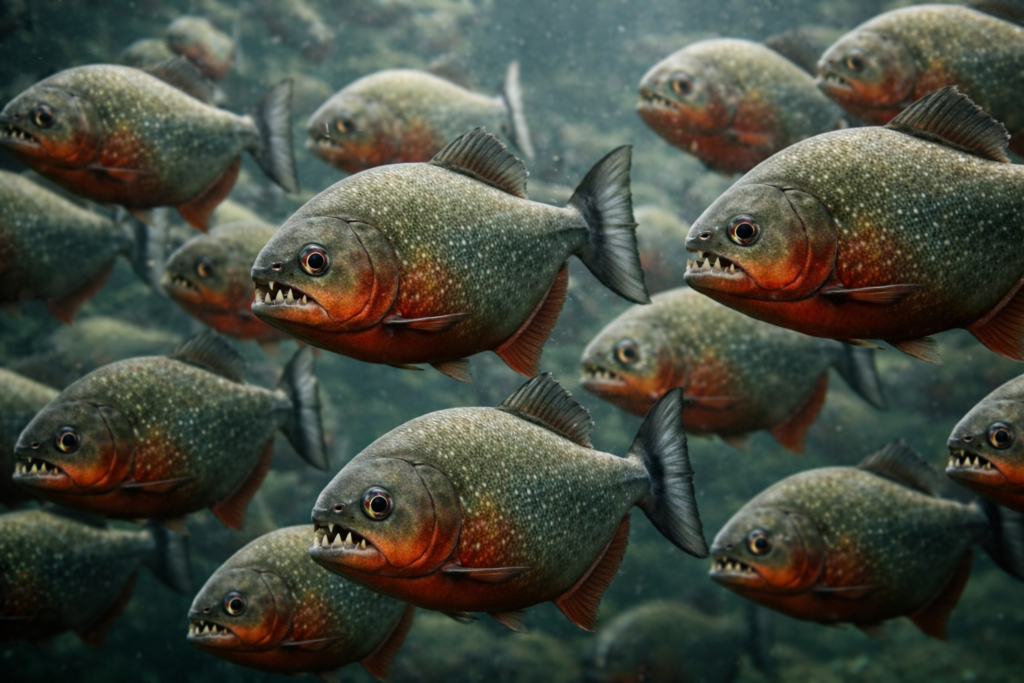
A popular Brazilian river was abruptly closed after a cluster of piranha attacks injured ten people within a short window, alarming local authorities and residents. The incident unfolded during peak swimming hours, when families were already in the water. Officials moved quickly, citing uncertainty about whether conditions had stabilized or if further attacks were likely. Similar events in past years show how fast circumstances can change in freshwater systems. What triggered this surge, and how officials decide when rivers are safe again, remains unsettled as investigations continue.
1. The attacks happened within minutes, not hours.

Witnesses at a popular swimming spot along the Paraguaçu River in the northeastern Brazilian state of Bahia, reported that the first injuries occurred almost back to back. Swimmers exited the water bleeding from feet and lower legs. Panic spread quickly along the riverbank as people rushed to help.
Emergency responders treated multiple victims on site before transporting others to nearby clinics. The tight timing raised concern that conditions in this stretch of the river were primed for repeated strikes. Authorities faced pressure to act immediately without knowing whether the danger had passed or if more swimmers were at risk.
2. Officials closed the river as a precautionary measure.
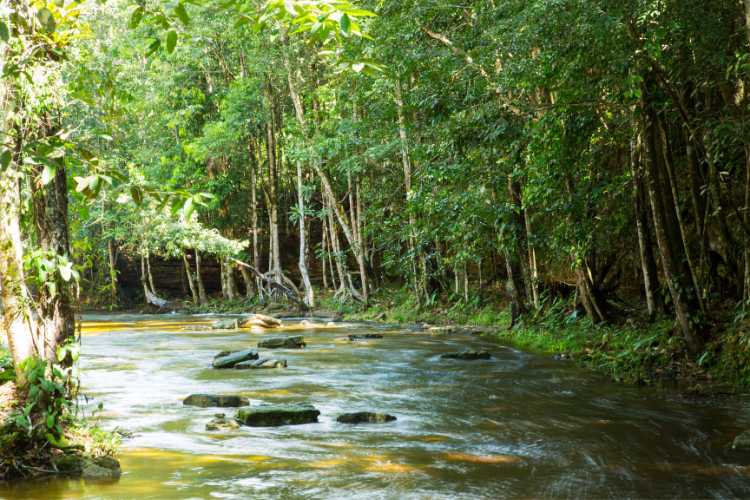
Local officials ordered the river closed within hours of the attacks. Barriers and warning signs were placed along common access points. Police patrols reinforced the closure to prevent swimmers from re entering.
The decision reflected uncertainty rather than confirmed ongoing threat. Officials cited the need to assess fish behavior and environmental conditions. Closing the river bought time while experts evaluated whether the situation could escalate further.
3. Most injuries involved feet and ankles.

Medical reports indicated bites clustered on toes, heels, and ankles. No life threatening injuries were reported, but bleeding was significant in several cases. Victims described sudden sharp pain rather than prolonged struggle.
This injury pattern is typical when piranhas feed defensively or opportunistically. Shallow water places extremities closest to fish. The location of wounds suggested accidental encounters rather than targeted attacks, complicating risk assessment.
4. Water levels were unusually low at the time.

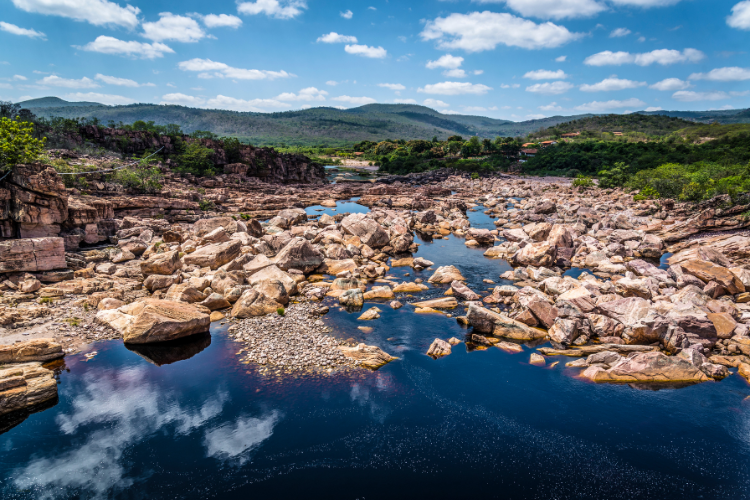
The attacks coincided with a period of reduced water flow. Exposed banks and warmer temperatures concentrated fish into smaller areas. Crowding increases competition and agitation.
Low water conditions have preceded similar incidents across Brazil. When habitat shrinks, piranhas become more defensive. Officials noted the timing aligned with seasonal drought patterns, raising questions about recurring risk during dry months.
5. Authorities warned residents against wading or swimming.
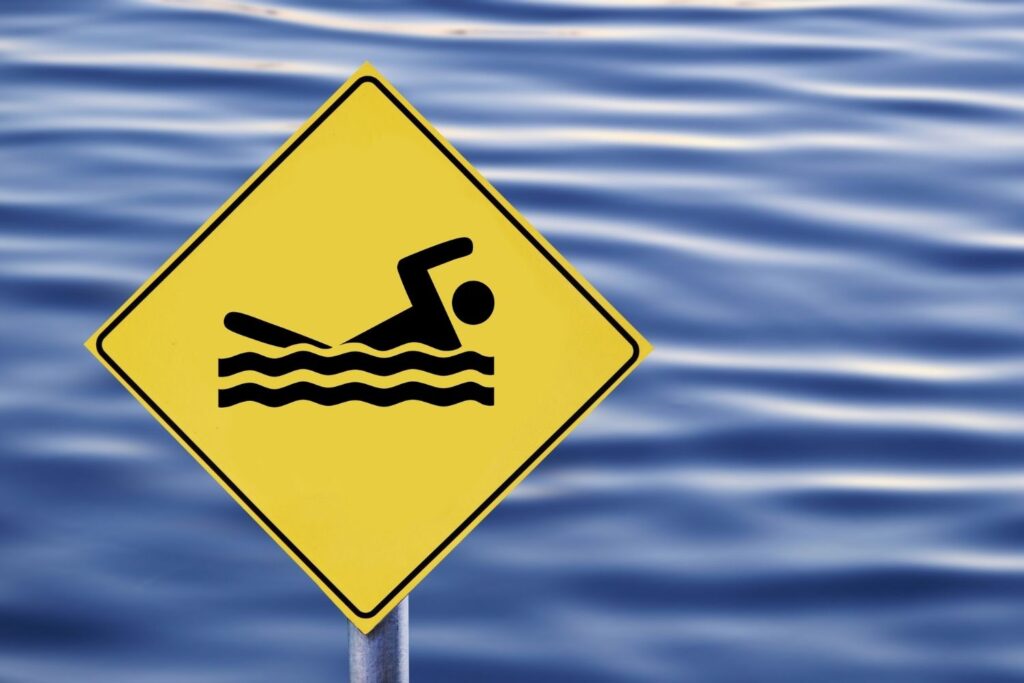
Public advisories urged residents to avoid the river entirely. Fishing, swimming, and wading were suspended. Officials emphasized that even shallow entry could trigger bites.
Warnings stressed that piranha behavior can shift rapidly. Calm conditions offer no guarantee of safety. The messaging aimed to counter assumptions that attacks were isolated or finished once victims were treated.
6. Environmental experts were brought in to assess risk.

Biologists and environmental officials began surveying the affected stretch of river. They monitored fish density, water temperature, and food availability. These factors influence aggression levels.
Experts cautioned that predicting piranha behavior is difficult. Even with data, determining when risk subsides remains uncertain. Their findings will inform whether closures are extended or lifted cautiously.
7. Similar incidents have occurred in previous years.

Brazil has documented clusters of piranha bites before, often during dry seasons. Past closures followed comparable patterns of sudden injuries and public alarm. In many cases, rivers reopened after monitoring.
These precedents guide current decision making. However, officials acknowledge that repeating patterns do not guarantee identical outcomes. Each incident depends on specific local conditions that can shift quickly.
8. Local economies felt immediate impact from the closure.

The river supports small businesses, tourism, and subsistence fishing. Closures disrupt daily routines and income streams. Vendors near the river reported sharp drops in activity.
Officials weighed economic strain against safety concerns. The closure reflects prioritizing injury prevention despite financial consequences. How long communities can absorb disruptions remains uncertain if conditions persist.
9. Residents expressed mixed reactions to the shutdown.
Some residents supported the closure, citing fear after seeing injuries firsthand. Others questioned whether officials overreacted. Conflicting opinions surfaced quickly online and in local meetings.
Trust in authorities influences compliance. Clear communication about risks and uncertainty became critical. Officials acknowledged public frustration while stressing that incomplete information necessitated caution.
10. Reopening depends on behavior that cannot be guaranteed.

Officials stated the river will reopen only after assessments suggest reduced risk. No timeline was given. Monitoring will continue as conditions evolve.
Piranha behavior is influenced by factors beyond human control. Even with improved conditions, risk may never reach zero. The closure underscores how natural systems resist certainty, forcing officials to balance access against unpredictable danger.