
A bold plan transforms elephant welfare in Pittsburgh.
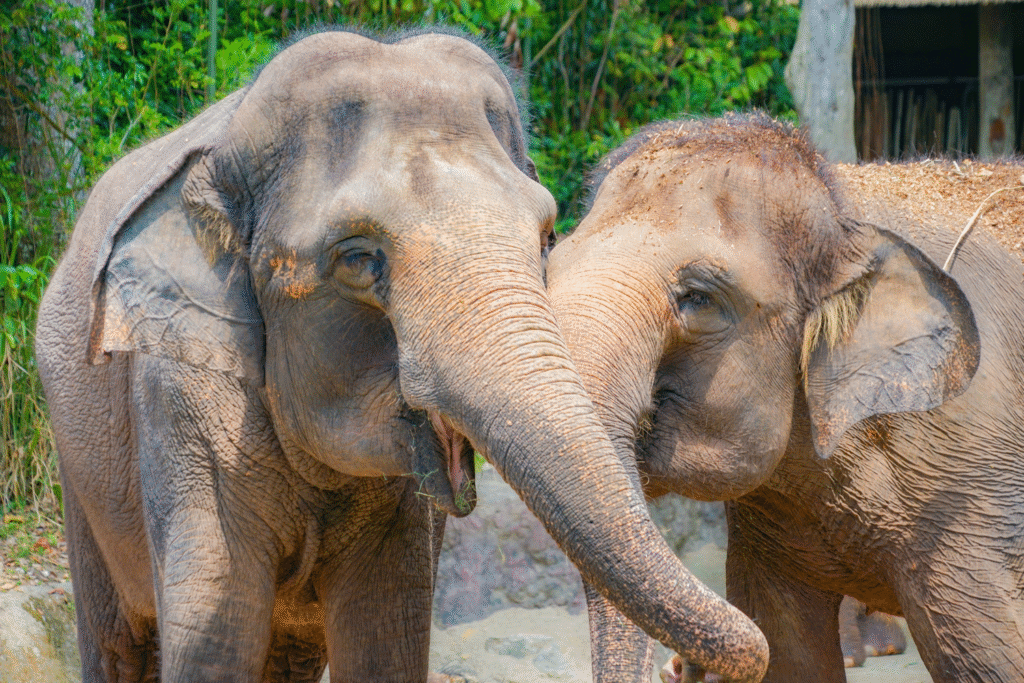
The Pittsburgh Zoo & Aquarium is embarking on a far-reaching overhaul of how it cares for its African elephants, marking one of the most significant changes in its history. In partnership with the Association of Zoos & Aquariums and wildlife experts, the zoo has announced that two of its female elephants, Victoria and Zuri, will move from the main campus to the nearby International Conservation Center in Somerset County. This carefully planned shift aims to improve herd dynamics, provide more space, and strengthen the zoo’s contribution to elephant conservation globally.
1. Moving Victoria and Zuri improves herd dynamics significantly.
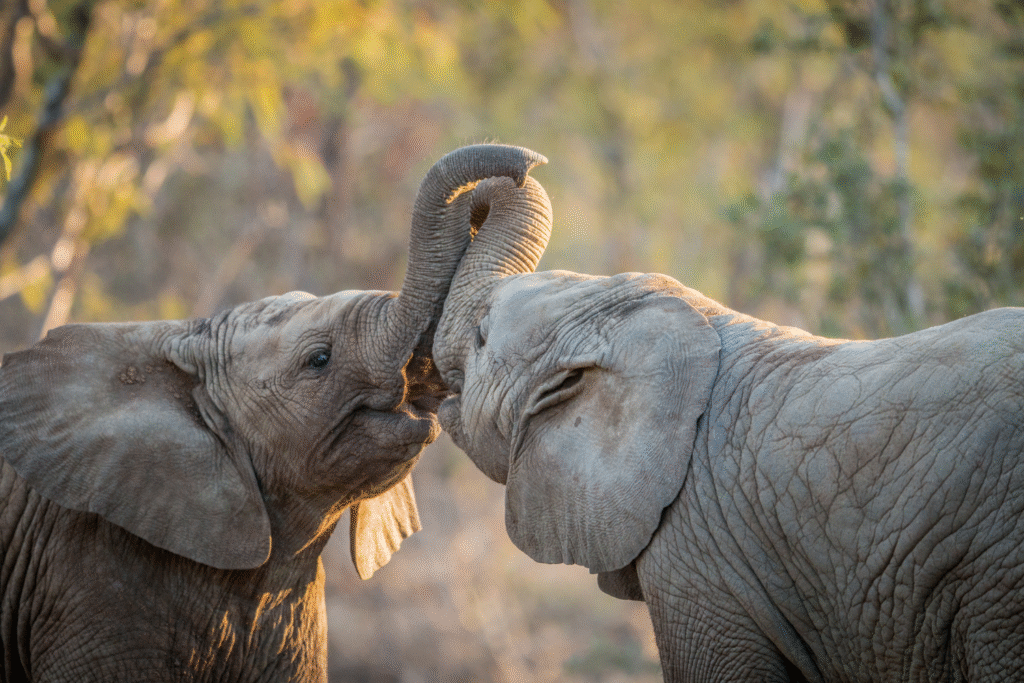
Relocating the sisters Victoria and Zuri to the conservation center allows them to join a breeding herd that includes bull Jackson and other females, improving social structure and long-term genetic health. In captivity, elephants thrive when they have appropriate companions and space to explore natural behaviors. By making the move, the zoo is prioritizing the elephants’ physical and emotional needs over convenience, as reported by WTAE. It also signals a broader shift in captivity philosophy—focusing on creating conditions closer to the wild rather than simply housing animals for display.
2. The plan allows for future herd growth and conservation alignment.
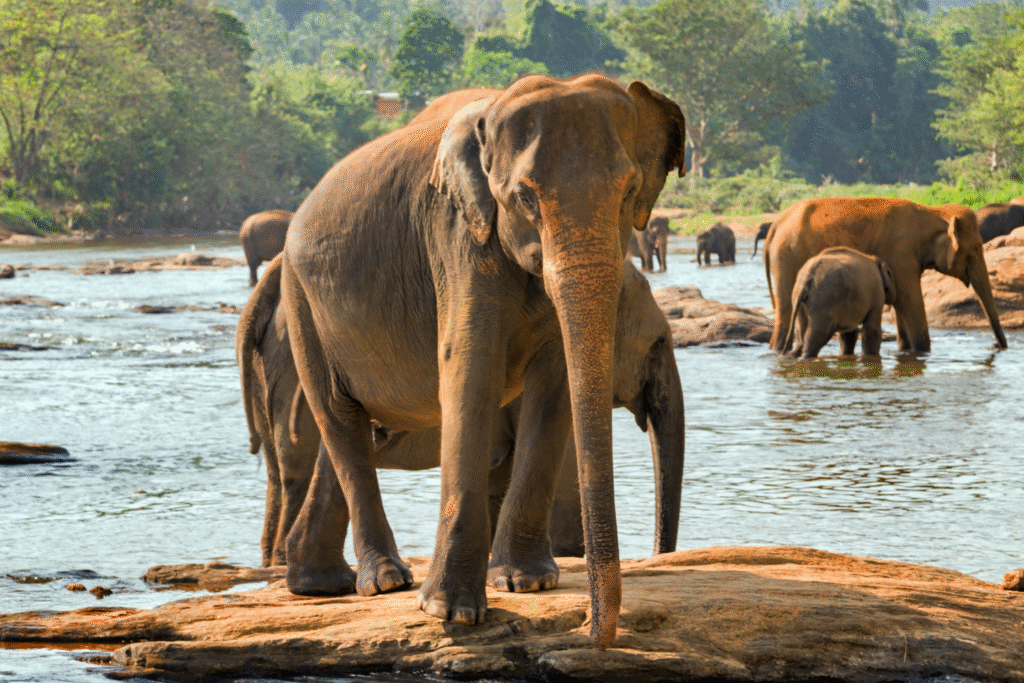
With Victoria and Zuri moving to the center, the zoo sets the stage for expanded breeding, improved genetics, and stronger herd resilience. The conservation center’s 1,000-acre habitat offers more freedom for exploration and interaction. This change is not just about today—it aims to support elephant conservation in North America by ensuring these individuals live in enriched environments that reflect species-typical needs. The move aligns with long-term welfare goals and new conservation strategies, as stated by People magazine.
3. Elephant care at both facilities will follow expert welfare standards.
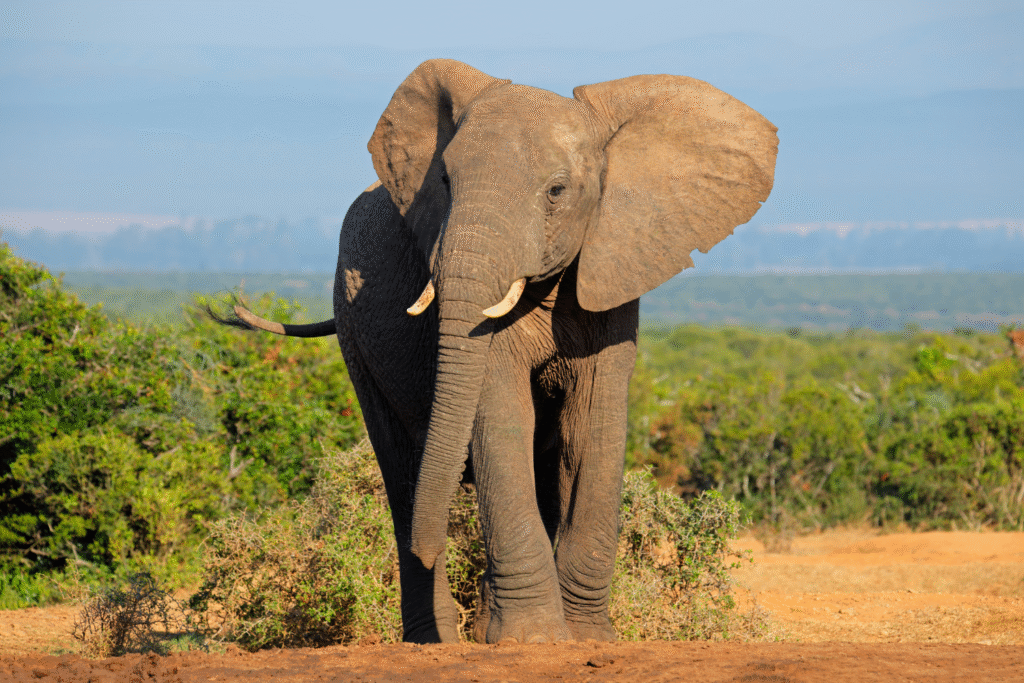
The zoo emphasized that every decision stems from animal welfare, conservation strategy, and professional consultation. Both the main facility and the conservation center will adhere to updated standards for space, socialization, enrichment, and veterinary care, as discovered by CBS News. For example, the main campus will continue housing three females—Savanna, Angeline, and Natasha—while the conservation site hosts the new group. This two-location approach provides flexibility, better social opportunities, and more meaningful visitor engagement without compromising animal well-being.
4. Greater outdoor space supports natural behavior and enrichment.
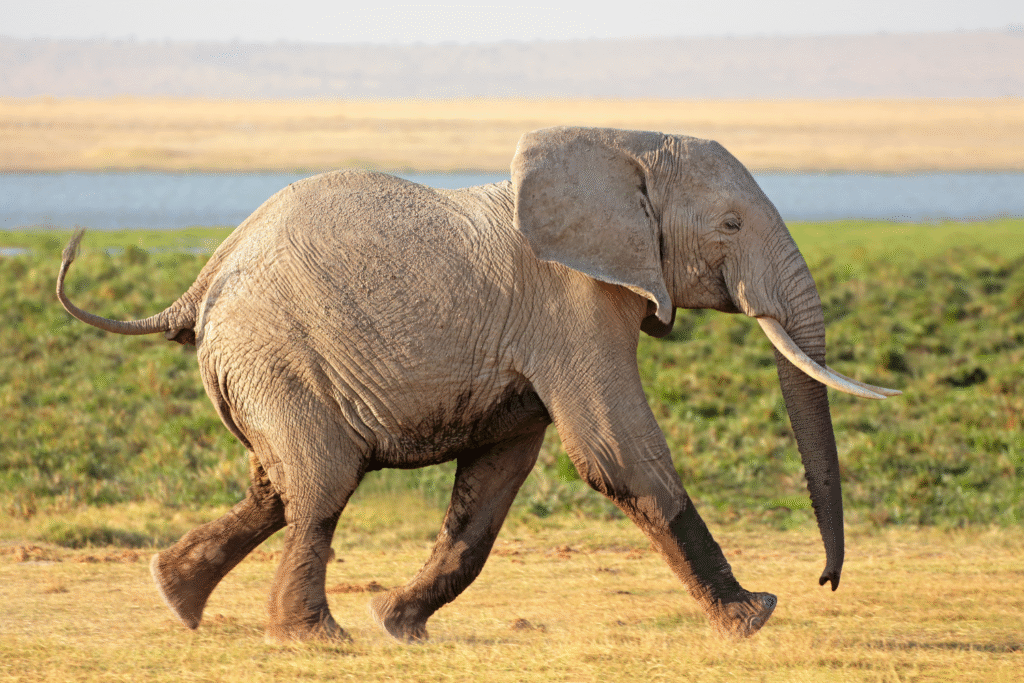
At the conservation center, elephants will have access to expanded paddocks, natural substrates, and water features, enabling walking, foraging, and social play. In captivity, space means more than acreage—it represents the chance to explore, interact, and manage stress naturally. The change allows elephants to engage in behaviors like dust-bathing, trunk sparring, and long walks, activities that contribute directly to mental health. Early welfare studies show that such habitats reduce repetitive behaviors and strengthen herd bonds, improving quality of life dramatically.
5. Specialized veterinary and nutrition support will be enhanced.
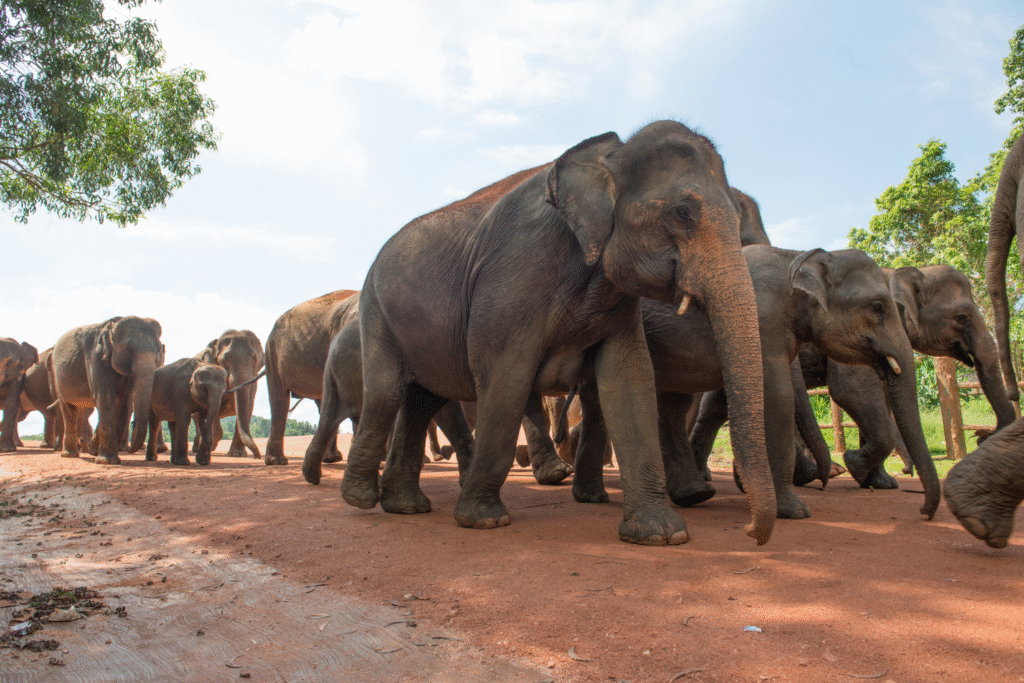
Along with the move, the zoo is investing in upgraded veterinary diagnostics, tailored nutrition plans, and health tracking systems that monitor each elephant’s physical and emotional well-being. Captive elephants frequently face challenges like arthritis and obesity, often linked to inactivity and hard flooring. By introducing softer terrain, specialized diets, and regular mobility assessments, the zoo aims to extend lifespan and improve comfort. The holistic health approach demonstrates a serious commitment to preventive care, not just reactionary treatment.
6. Staff training and elephant management protocols are being modernized.
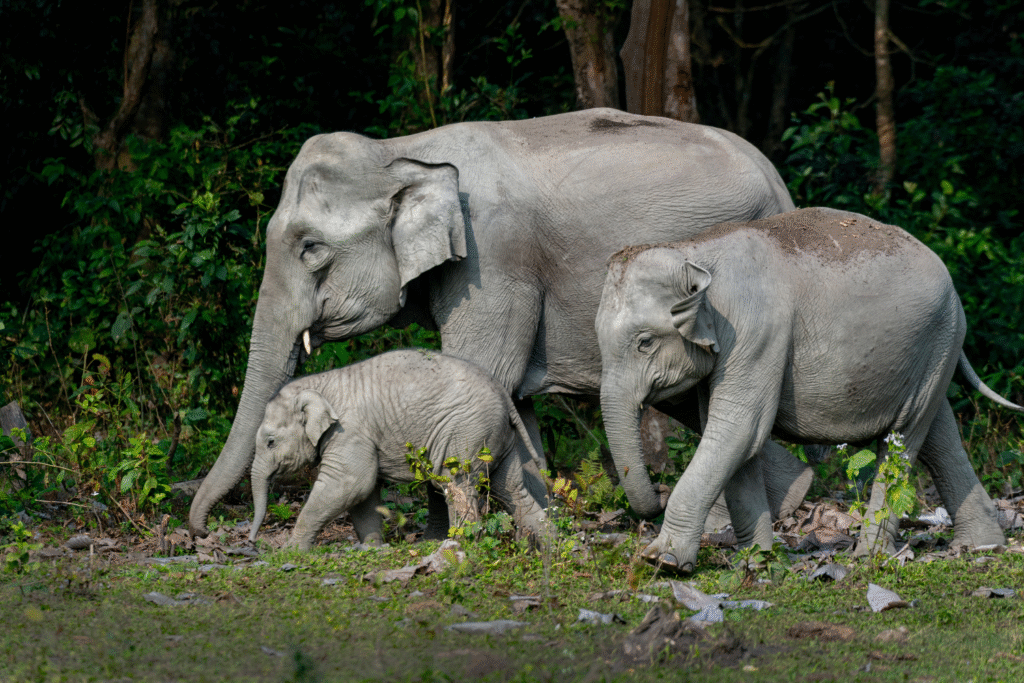
Zoo staff are undergoing advanced training in positive reinforcement, behavioral observation, and trust-building communication. The move away from dominance-based handling reflects an evolution in understanding elephant intelligence and emotion. Elephants respond strongly to human tone, consistency, and presence, meaning training must be relationship-driven, not command-driven. These updated practices not only reduce stress but also foster cooperation during medical exams and enrichment sessions, marking a major leap in humane management.
7. Conservation partnerships strengthen global elephant protection efforts.

Beyond the local herd, the zoo is deepening partnerships with global organizations like the International Elephant Foundation and the Victoria Falls Wildlife Trust. These collaborations support research, anti-poaching projects, and community-led habitat protection. By improving conditions for elephants in Pittsburgh, the zoo adds credibility to its field conservation programs abroad. The balance between captive care and wild protection represents a forward-thinking model that unites science, empathy, and action.
8. Visitor experiences are becoming more meaningful and education-driven.
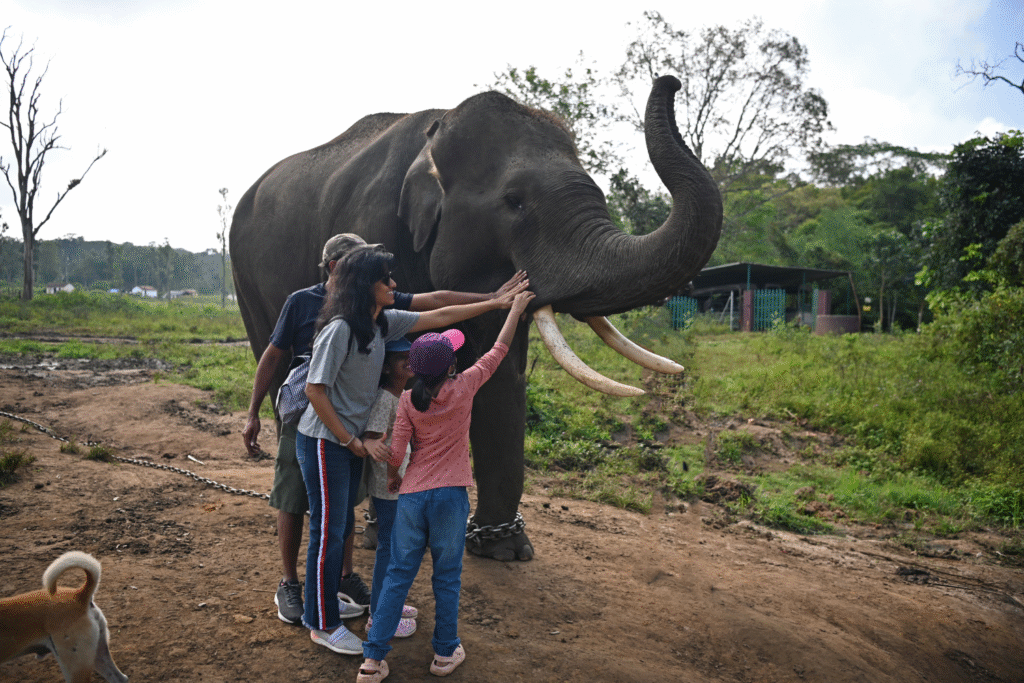
While the public will still see elephants at both zoo locations, the focus is shifting from entertainment to education. Visitors will learn about herd behavior, migration, and the threats facing wild elephants. The hope is to inspire advocacy and connect guests emotionally to conservation work rather than spectacle. The zoo’s approach encourages visitors to see elephants not as exhibits but as ambassadors for a species in need of protection.
9. Transparent communication builds community trust and accountability.
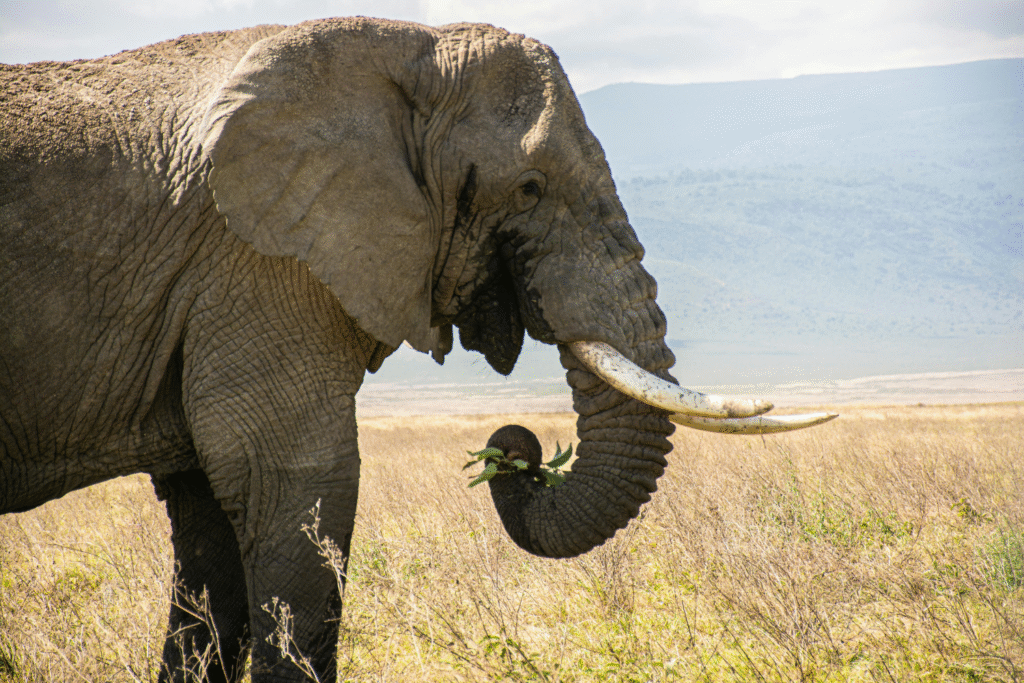
By sharing details about the transition plan, timeline, and welfare standards, the zoo demonstrates transparency uncommon in animal management decisions. Regular updates, expert input, and public Q&A sessions show a willingness to engage rather than defend. This openness cultivates trust with visitors and animal advocates alike, proving that ethical care thrives on dialogue, not secrecy. Transparency, in this case, becomes part of welfare itself.
10. The initiative sets a national example for elephant care reform.
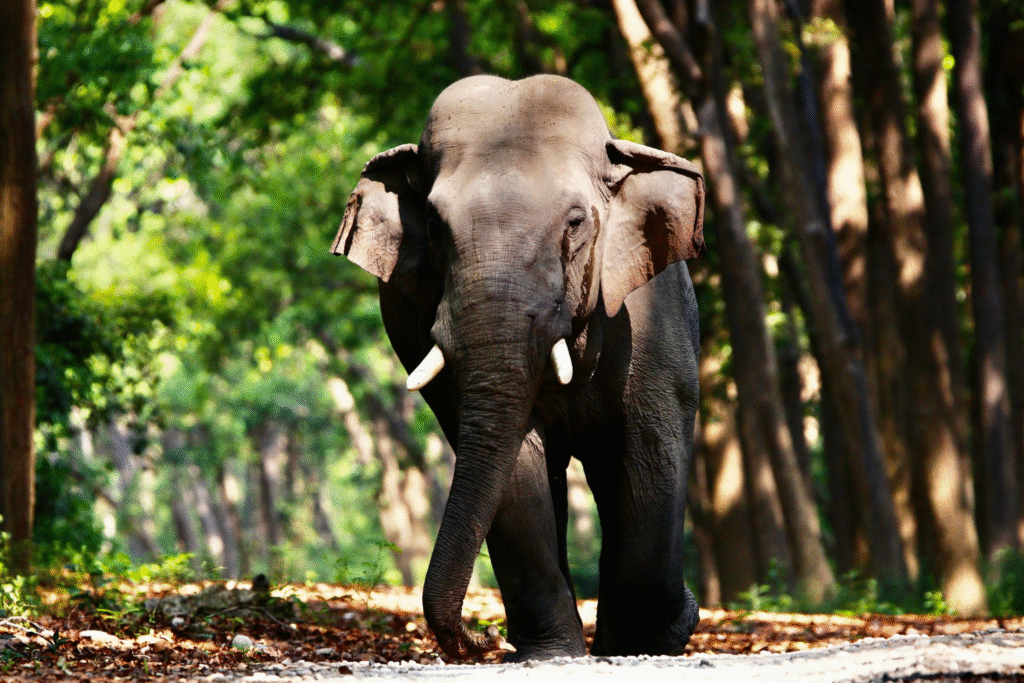
The Pittsburgh Zoo’s elephant plan is more than a local milestone—it’s a model for the future. Many zoos face the same challenges of space, herd structure, and welfare scrutiny. By taking a bold, research-based step toward improvement, Pittsburgh demonstrates that real reform is possible without losing public engagement. The outcome could influence policies and inspire other institutions to rethink what “care” truly means for the world’s largest land mammal.