
What astronomers keep finding is quietly staggering.
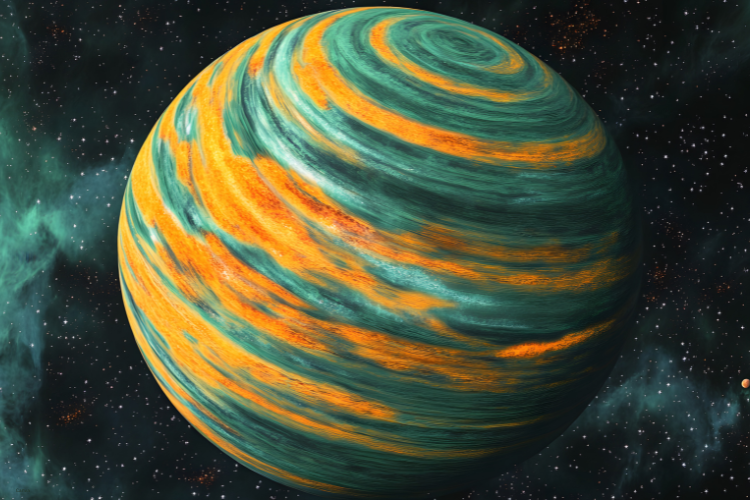
At first, planets beyond our solar system felt rare, almost mythical. Then detections began to stack, slowly at first, then relentlessly. Every improvement in telescopes widened the view and the count kept rising. Patterns emerged that no one expected. Stars once thought solitary revealed companions. Empty stretches of sky filled with signals. What seemed exceptional now feels ordinary. The deeper scientists look, the harder it becomes to avoid a startling conclusion about how crowded the universe really is.
1. Early discoveries hinted planets were surprisingly common.

The first confirmed exoplanets in the nineteen nineties were strange and extreme, gas giants hugging their stars. Even so, their existence alone cracked the assumption that solar systems like ours were unusual. Each detection raised a quiet question about how many more were hiding beyond reach.
Detection bias favored large planets close to stars, meaning many smaller worlds went unseen. Even with limited tools, discoveries arrived quickly. According to NASA, early surveys suggested planets formed alongside stars far more often than once believed, hinting at numbers that would soon overwhelm expectations.
2. The Kepler mission rewrote the statistical baseline.
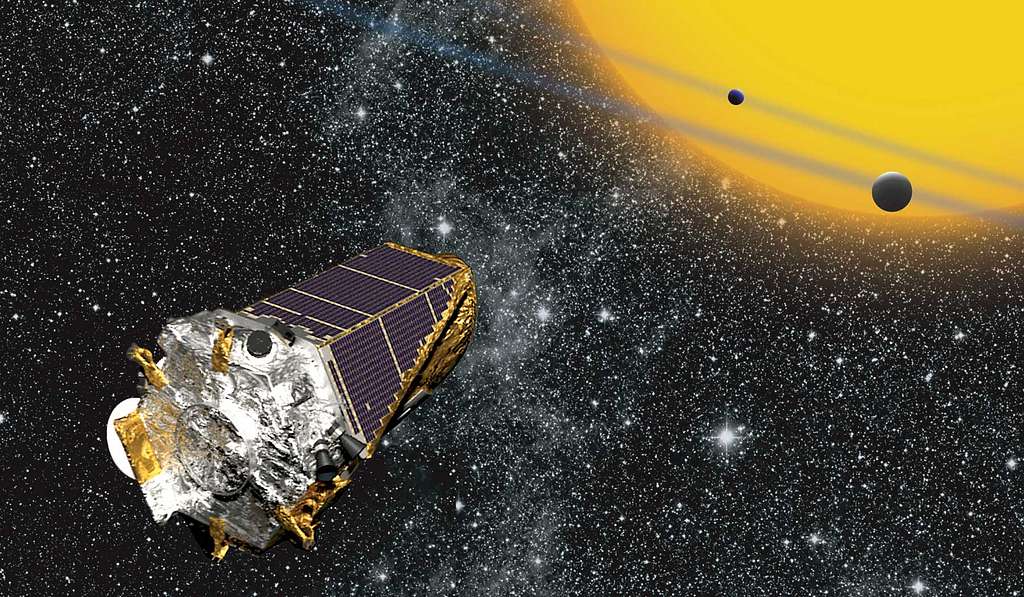
When Kepler launched in two thousand nine, its task was simple and radical. Stare at one patch of sky and count how often stars dimmed as planets crossed in front. That patience paid off with thousands of candidates and a transformed understanding of planetary frequency.
Kepler revealed that planets of many sizes orbit most types of stars. Multi planet systems appeared normal, not rare. Small rocky worlds showed up everywhere. As reported by Nature, Kepler data suggested that planets likely outnumber stars in the Milky Way, shifting the question from whether to how many.
3. Small stars turned out to be planet factories.
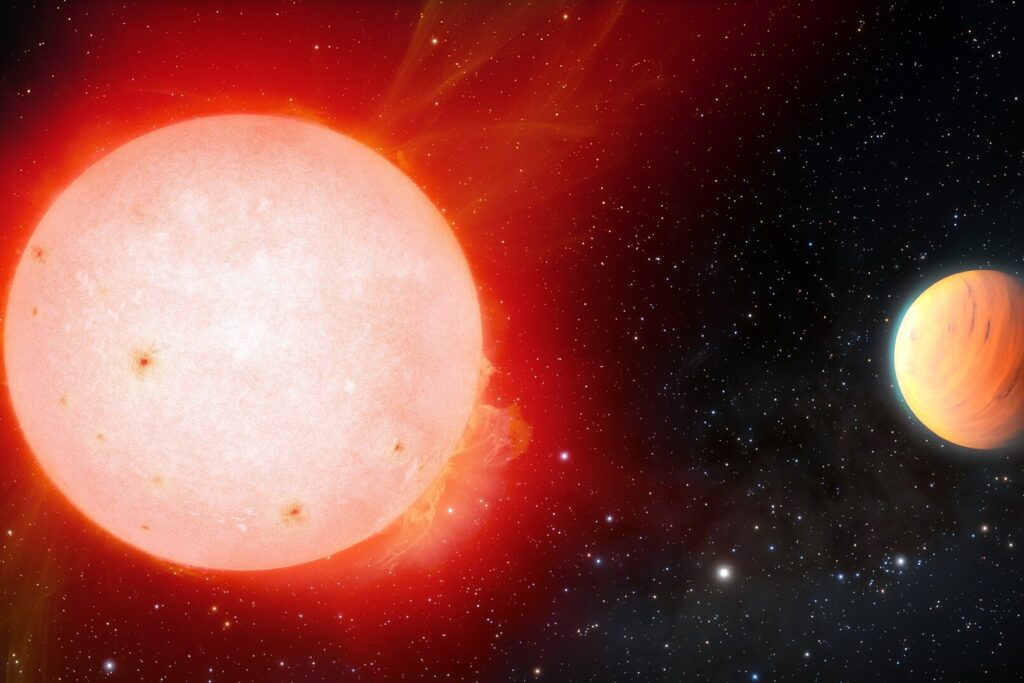
Red dwarf stars dominate the galaxy by sheer numbers. For a long time, they were dismissed as unlikely hosts for rich planetary systems. Observations overturned that idea decisively.
Surveys showed red dwarfs frequently host multiple planets, often packed tightly together. Their dim light makes planetary signals easier to detect, revealing abundance rather than scarcity. As stated by the European Space Agency, studies of nearby red dwarfs suggest planets are almost guaranteed companions, dramatically inflating total planet counts across the galaxy.
4. Detection methods miss more worlds than they find.
Every technique used to discover exoplanets has blind spots. Transit surveys miss planets that do not cross their stars from our viewpoint. Radial velocity methods struggle with small masses. Direct imaging favors wide orbits.
What gets counted is only a fraction of what exists. Statistical corrections consistently point upward. When astronomers adjust for missed detections, estimates balloon. The implication is unsettling and thrilling. The known catalog is just the visible foam on a much deeper cosmic sea of planets.
5. Rogue planets roam without any stars.
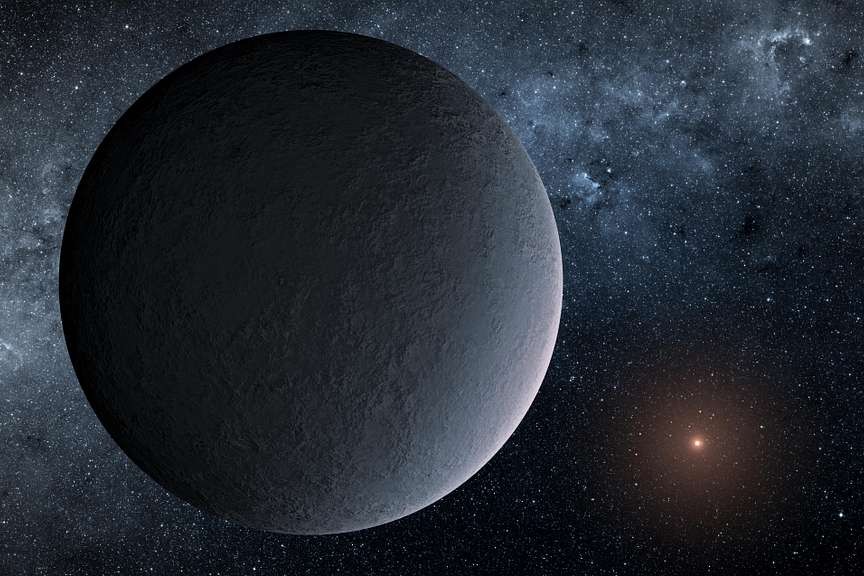
Not all planets remain loyal to their birth systems. Gravitational chaos can eject worlds into interstellar space. These rogue planets drift alone, cold and dark, unattached to any star.
Microlensing surveys suggest they may be common. Some estimates propose nearly one rogue planet for every star, possibly more. These objects rarely appear in star based counts. Yet they still count as planets. Their existence alone pushes the total planetary population beyond stellar numbers.
6. Planet formation appears almost unavoidable.
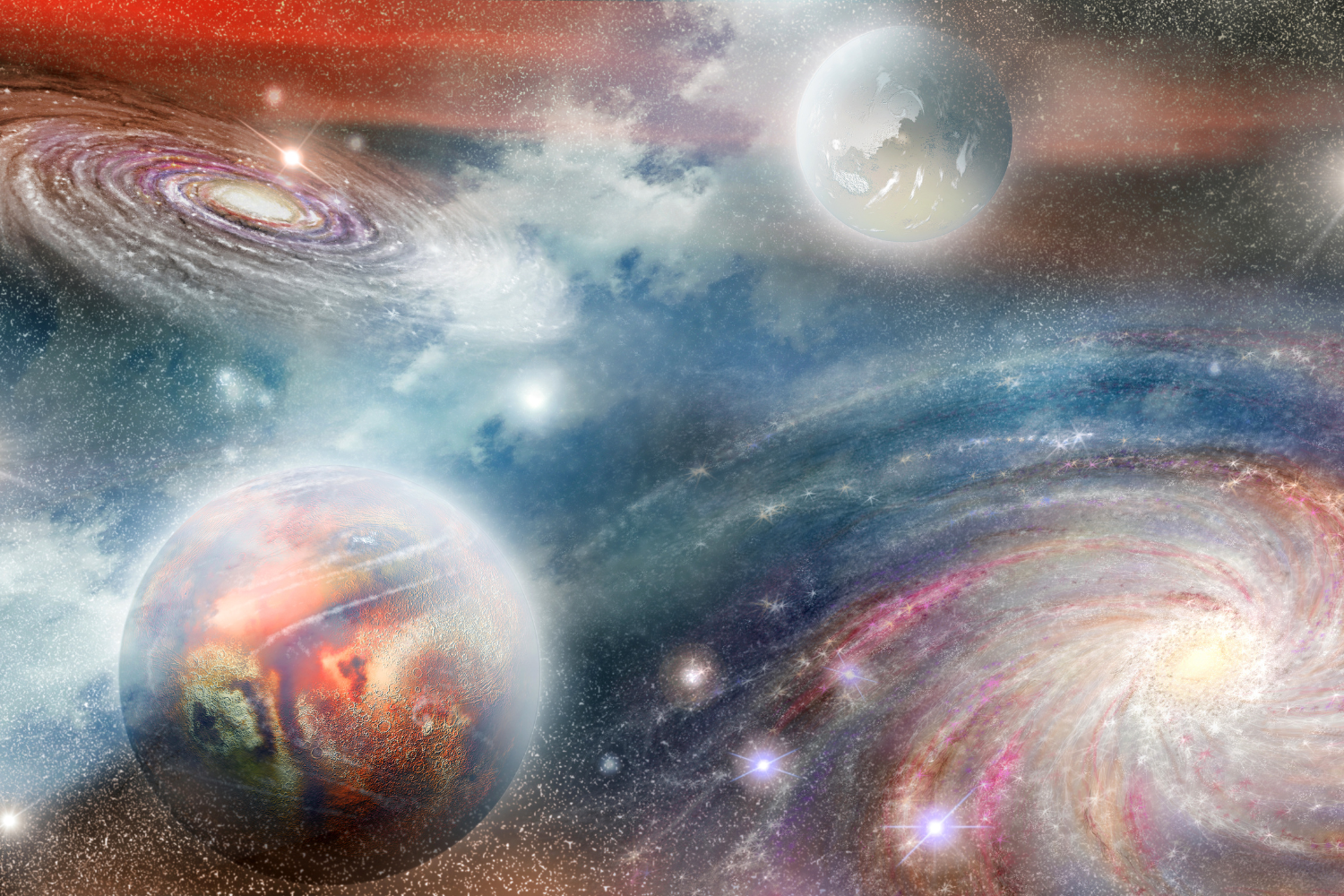
Disks of gas and dust surround young stars as a rule, not an exception. Within these disks, collisions and accretion happen quickly. Given enough time, planets emerge naturally from the process.
Simulations show that preventing planet formation requires unusual conditions. Otherwise, material clumps, migrates, and stabilizes. This efficiency explains why planets appear around stars of many ages and environments. Formation seems baked into stellar birth rather than an optional outcome.
7. Multi planet systems are the galactic norm.
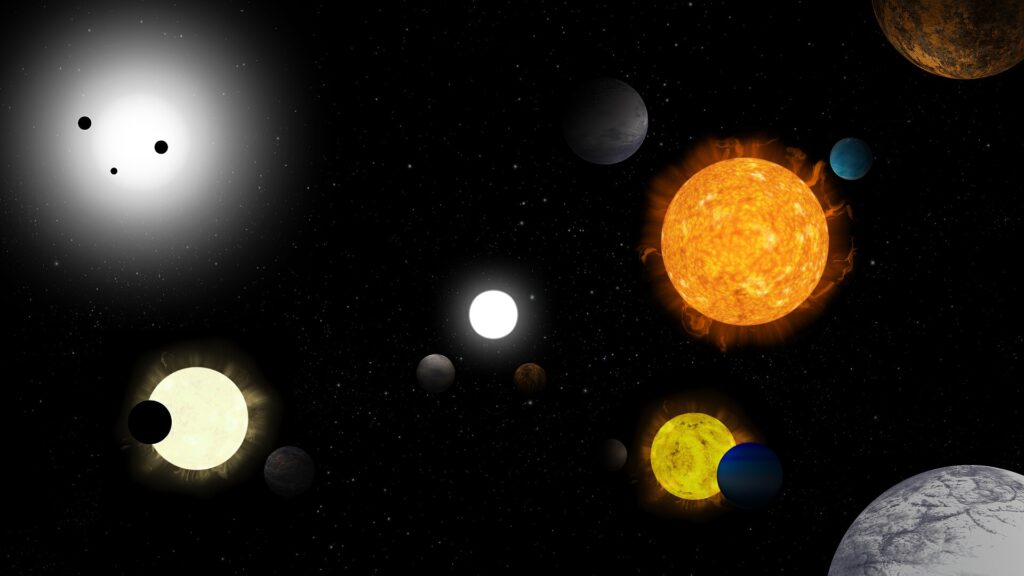
Our solar system once felt complex. Compared to many discovered systems, it now looks restrained. Compact arrangements with several planets packed inside Mercury’s orbit appear frequently.
These configurations show that stars often host more than one planet. Sometimes many more. Counting stars alone misses this multiplication effect. Each star becomes a potential host for several worlds. That math escalates quickly, especially across hundreds of billions of stars.
8. Planetary diversity hides in plain sight.

Planets are not limited to familiar categories. Super Earths, mini Neptunes, lava worlds, and water rich bodies expand the definition constantly. Some orbit tightly. Others drift far out.
This diversity suggests that planet formation explores every available niche. The absence of detection does not equal absence of existence. Many worlds fall outside current sensitivity limits. Diversity increases counts because it broadens where planets can survive and persist undetected.
9. Galactic surveys keep raising the floor.
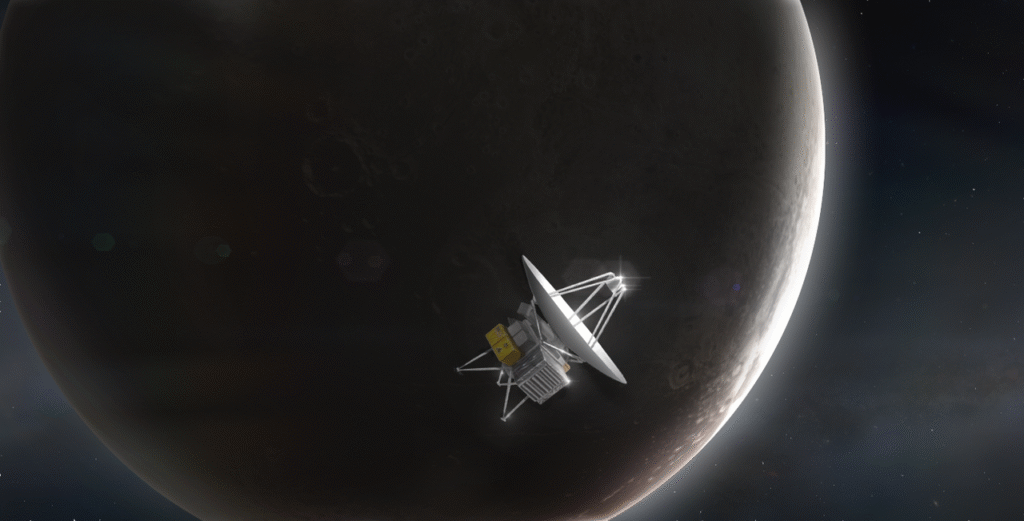
Each new survey rarely lowers estimates. Instead, minimum numbers creep upward as techniques improve. Even conservative models now assume at least one planet per star on average.
Once lower bounds pass unity, the conclusion becomes unavoidable. If many stars host multiple planets, and some planets lack stars entirely, the balance tips decisively. The universe begins to look less star centered and more planet rich.
10. The universe looks crowded in a new way.

Stars once defined cosmic structure. Now planets demand equal attention. They are not rare ornaments. They are a dominant population.
This shift changes how we think about habitability, formation, and cosmic history. The night sky feels less empty. Between points of light lie countless unseen worlds. The realization lands slowly but firmly. In the quiet arithmetic of astronomy, planets appear to outnumber the stars they orbit.