
A Gentle Collision That Changed Two Worlds
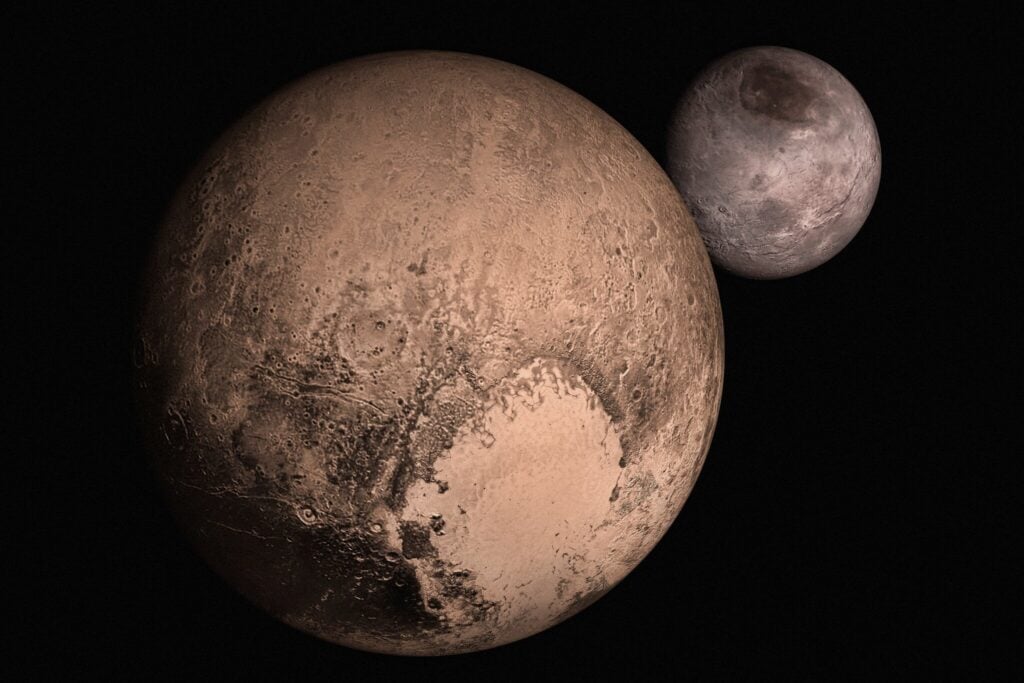
In the outer darkness beyond Neptune, two icy worlds share an orbit so precise it almost feels intentional. For decades, scientists assumed their bond began with a catastrophic smash that shattered and reshaped them. But new modeling suggests something far stranger. Instead of violent obliteration, the encounter may have been controlled, brief, and unexpectedly delicate. For a moment, the two bodies may have touched, lingered, and then separated without losing themselves entirely. That subtle interaction could explain why Pluto and its companion look less like debris and more like twins, locked together by a past far more intricate than we imagined.
1. Pluto and Charon may have temporarily merged after collision.
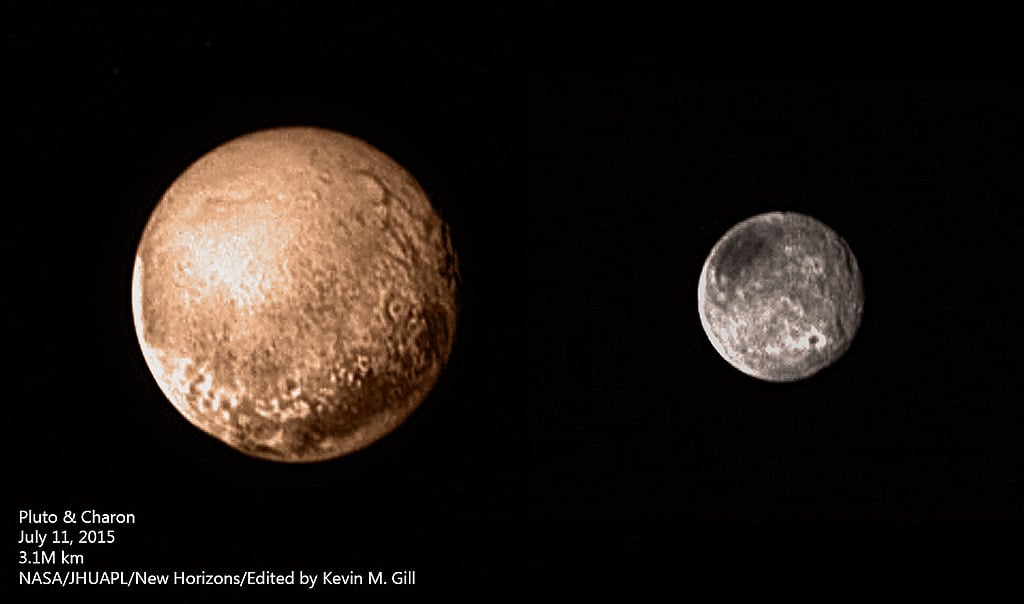
In simulations by a University of Arizona team, Pluto and a proto-Charon collided and remained bonded for several hours before separating again. This temporary merger differs from typical catastrophic impacts. Rather than behaving like fluid bodies, the icy objects stuck together like a snowman before parting ways. The study accounts for solid strength rather than fluid assumptions, making the “kiss and capture” scenario plausible under cold conditions.
This merged phase allowed gravitational and rotational interactions to sculpt the eventual binary. When separation happened, the two bodies were already locked into a shared dance, rather than being flung apart randomly.
2. The model preserves most original compositions intact.

The researchers argue that Pluto and Charon retained much of their primordial structure, ice, rock, and core, unlike in violent smash models, as stated by their analysis. Their approach suggests the bodies did not fully melt or mix during the merger. That preservation is key because it helps explain geological features we observe today, such as distinct surface terrains and interior layering.
If their compositions had been scrambled, we would expect more uniformity between them. Instead, we see unique surface signatures, implying that this delicate capture preserved individual identities.
3. The model reproduces Charon’s current orbit naturally.
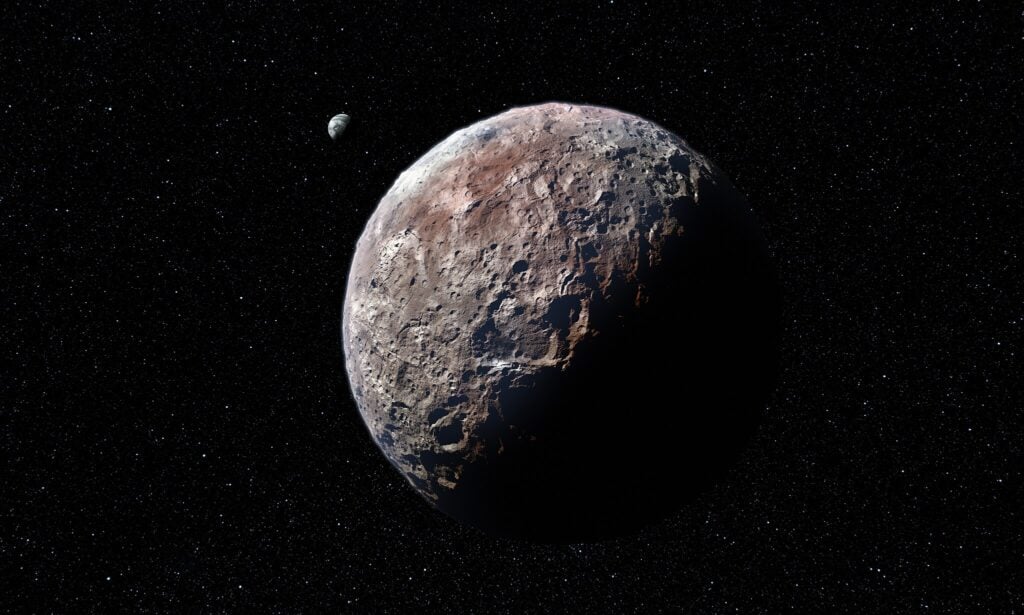
A major strength of the “kiss and capture” theory is that it outputs orbits close to what we now measure between Pluto and Charon, as reported by the team. Their impact simulations generate a binary separation distance and orbital period that closely match real values if the merger and separation are tuned correctly. That outcome gives the model credence against rival theories.
Because matching orbital parameters is a difficult constraint, the fact this model does so makes it compelling. It suggests that what seems like fine-tuned balance may be the natural result of this gentle capture process.
4. Structural strength of ice and rock was crucial.
Prior models treated colliding bodies as fluid blobs, reasonable for hot, molten systems, but Pluto and Charon are cold, rigid, and composed of rock and ice. When scientists included the actual material strength in their simulations, they discovered the possibility of sticking and controlled separation. That insight alters the dynamics of collision outcomes in small bodies substantially.
By acknowledging rigidity rather than assuming deformation, the model allows the bodies to avoid total destruction. It changes our expectations of how icy worlds behave in impacts at low temperatures.
5. The collision deposited internal heat into both worlds.
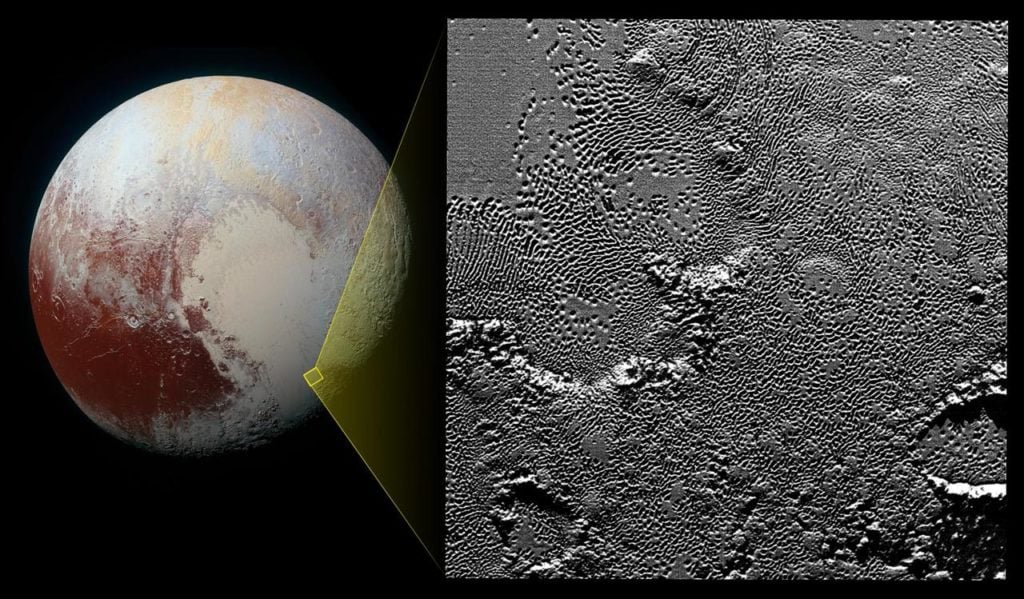
During the period of merger and slow separation, tidal forces and friction would generate significant heat within Pluto and Charon. That internal heating may have aided differentiation, melting of subsurface ice, or sustaining liquid layers. The new model suggests that later geological activity and possible subsurface oceans could stem from that early heat pulse.
Without violent mixing, this heating is especially important, it gives energy to drive internal processes without erasing original structure. This delicate balance offers a plausible path toward their later surface variety.
6. Similar formation may explain other binary bodies.
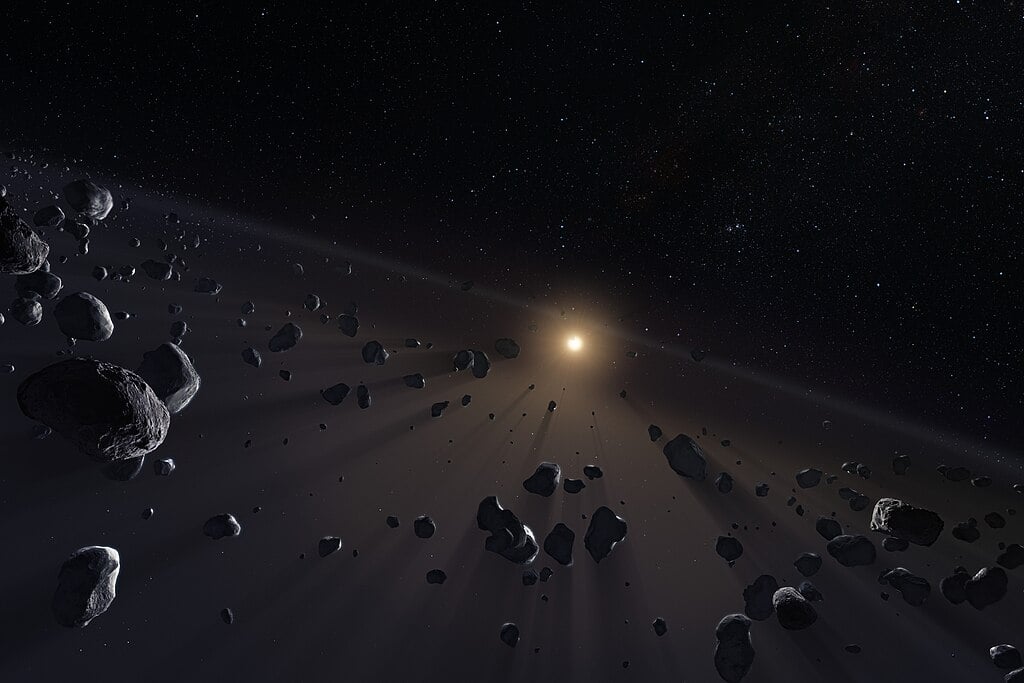
If “kiss and capture” is valid here, it might operate elsewhere in the Kuiper Belt or among icy small bodies. Some binary dwarf planets could arise from similar gentle collisions rather than extremes. That possibility encourages reexamination of how satellites form in small, cold systems.
The model broadens the toolkit for planetary scientists. It suggests that not just violent collisions, but also moderate interactions with appropriate conditions, could yield stable companion systems.
7. Geological features of Pluto support the new scenario.
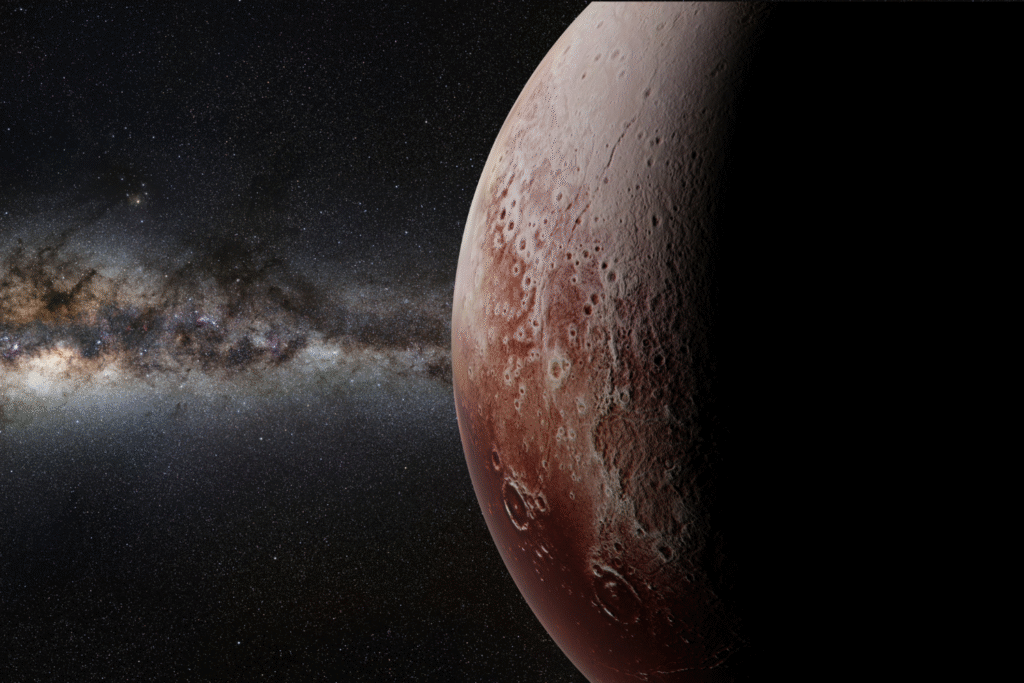
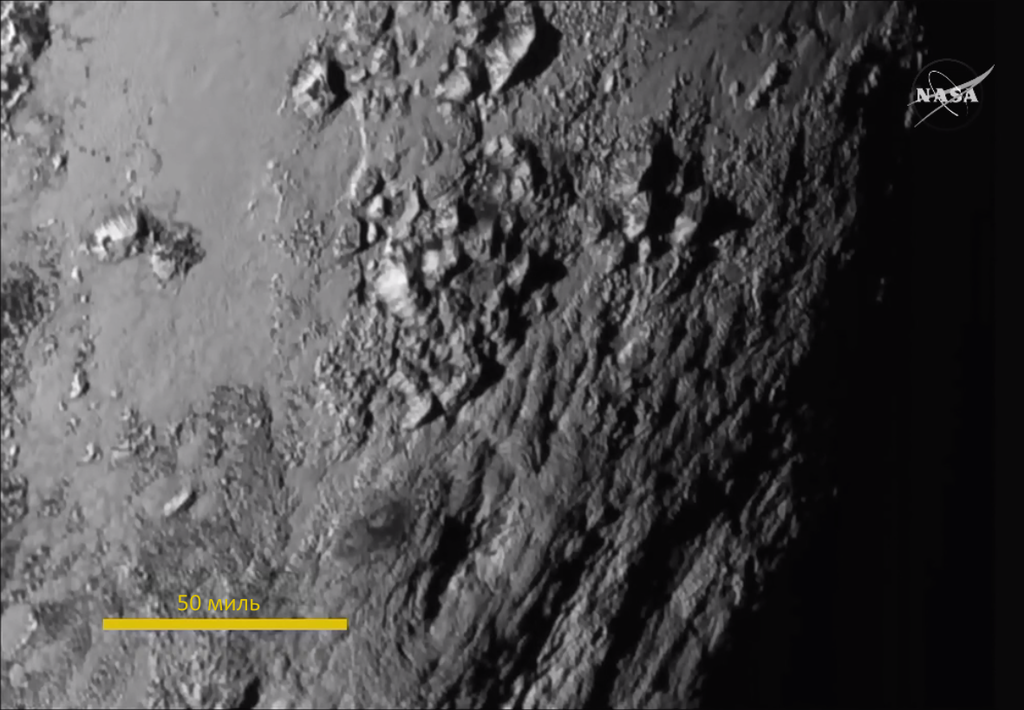
Pluto’s varied terrains, with mountains, plains, and smooth nitrogen ice flows, sometimes imply internal activity and layering. The preserved composition plus internal heat from capture may better explain such complexity than a fully destructive impact. The model aligns with observations from New Horizons of sharp contrasts between hemispheres and resurfaced areas.
Instead of erasing contrasts, this formation route lets variation persist. Over time, internal heat and geologic evolution could deepen differences, producing the twin world appearance we see today.
8. Charon’s surface also hints at careful evolution.
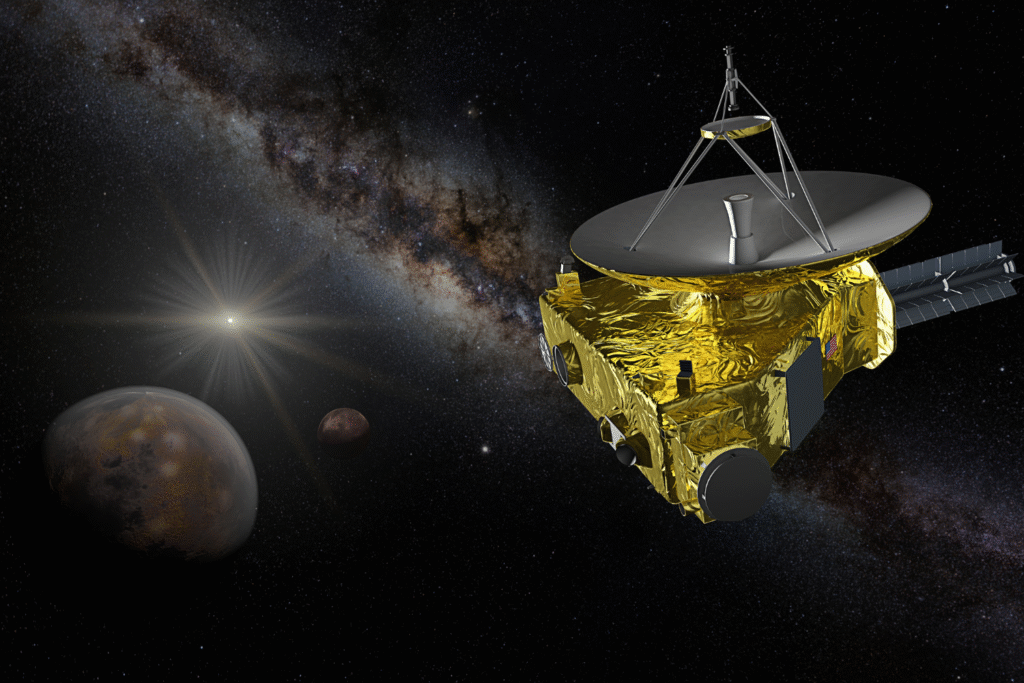
Charon displays chasms, ridges, and signs of tectonic stress, all of which suggest internal activity or ice expansion. Because the “kiss and capture” model preserves structure and provides internal energy, it gives a framework for how Charon could develop cracks and resurfacing without being completely remodeled. Its history feels more continuous than catastrophic.
This fits better with observing ancient terrain and later deformation. The model offers a gentler path toward the world we now map, consistent with layered geology.
9. This mechanism reshapes how we view small world formation.

“Kiss and capture” brings nuance to planetary formation, especially among lower mass, cold bodies. It teaches that collisions need not always erase identities, but can forge new relationships in graceful compromise. For Pluto and Charon, it offers coherence across orbit, composition, and geology.
As models are refined, this may become a standard scenario for binary systems. It invites fresh thinking about how many companion worlds formed quietly rather than violently, and how many systems we have yet to understand fully.