
A tipping point may shift climate patterns worldwide.
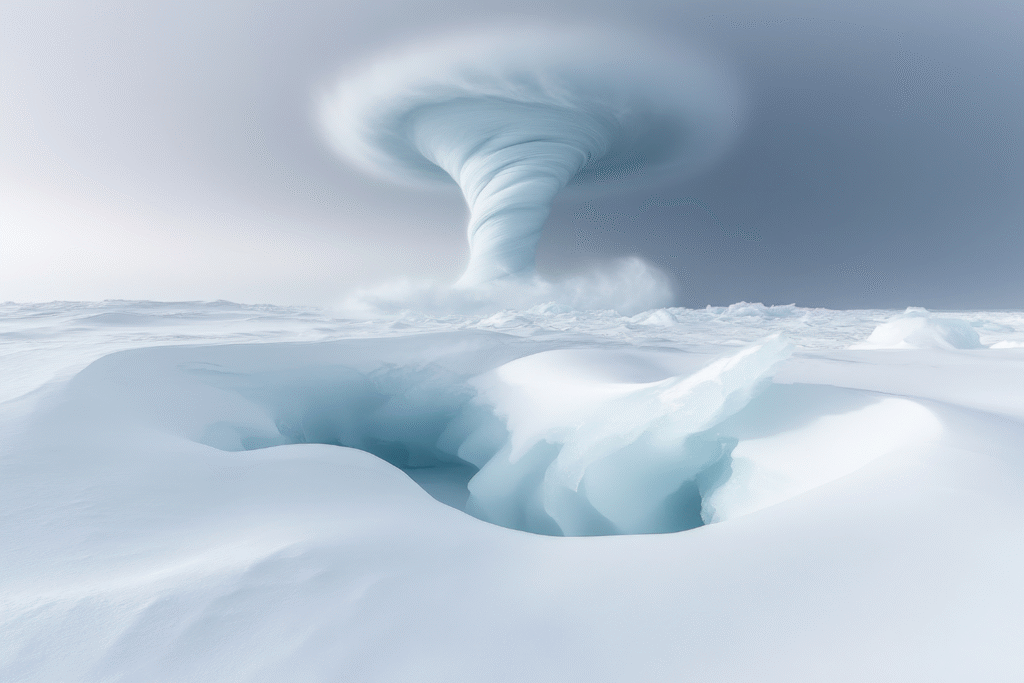
High above the Arctic, a vast swirl of freezing air called the polar vortex has always kept the planet’s climate in balance. But scientists are warning that this icy guardian may be losing its grip. As the Arctic warms faster than the rest of the world, the vortex is becoming unstable and unpredictable. Its collapse could reshape weather patterns for decades, leading to brutal cold in some regions and unexpected warmth in others. Researchers say this isn’t just about winter storms anymore, it’s about a major shift that could permanently change Earth’s climate rhythm.
1. The polar vortex is showing more frequent disruptions.
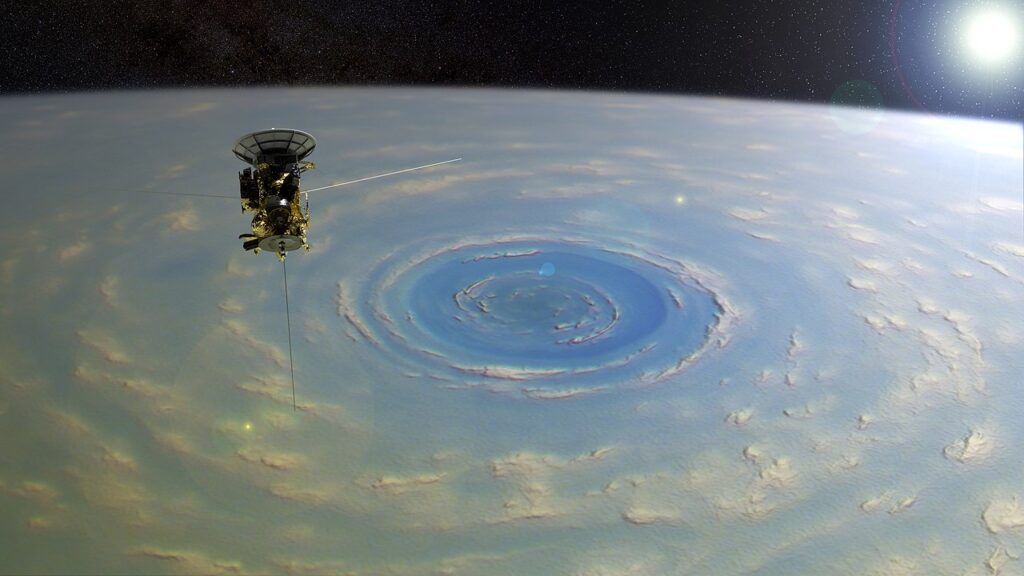
Over the past few decades, scientists have observed that the polar vortex is no longer spinning as steadily as before. It’s wobbling, splitting apart, and allowing frigid Arctic air to spill south more often. This instability is tied to rising temperatures in the Arctic, which weaken the temperature difference between the poles and the equator. That contrast once kept the vortex stable, but now it’s breaking down. Researchers found that these disruptions could cause more extreme winter swings, alternating between bitter cold and sudden warmth, according to Rutgers University 2024.
2. A full collapse of the polar vortex could trigger warmer winters in mid latitudes.
Scientists warn that if the vortex completely collapses, the result could be surprisingly warmer winters for many regions. It might sound like good news, but it would mean a total rearrangement of air patterns across the Northern Hemisphere. Cold air could remain trapped near the pole while milder air dominates the middle latitudes, changing rainfall, snowpack, and even agriculture. This shift would throw seasonal cycles off balance and weaken natural systems that depend on stable winters. It could redefine climate zones altogether, reducing deep freezes in some areas and worsening storms in others, as stated by Live Science 2025.
3. Polar vortex breakdown links to long term climate ramifications.
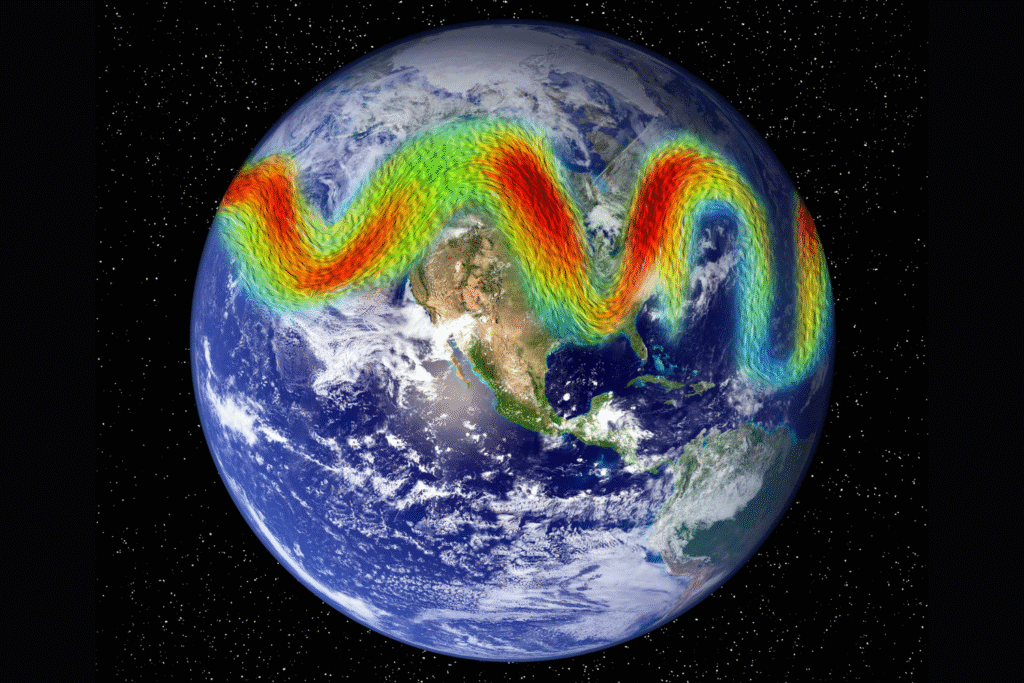
When the vortex weakens, the effects don’t just fade after winter ends. A disrupted vortex can alter jet stream patterns for months, affecting everything from storm tracks to drought cycles. The jet stream may begin to loop and meander, causing weather to stall in place longer than usual. That means heat waves could linger, or floods could persist for weeks. Over time, these patterns influence ocean currents and temperature trends. Scientists studying satellite data warn that these ripple effects could amplify existing climate change impacts, as reported by The Guardian 2025.
4. Melting Arctic sea ice accelerates vortex instability.
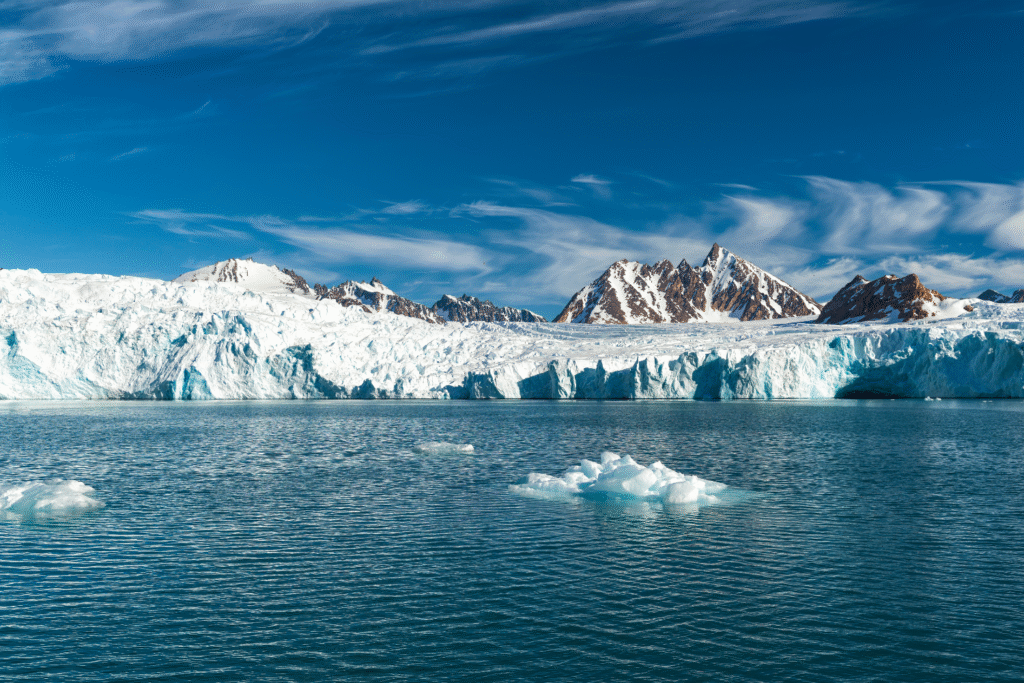
As the Arctic’s ice melts, it exposes darker ocean water that absorbs more sunlight, further warming the region. That heat rises into the atmosphere and disrupts the flow of cold air above it. With less ice to reflect sunlight, the feedback loop intensifies, pushing the vortex to weaken even more. This process makes it easier for warm air from the south to invade the Arctic, reinforcing the instability. Scientists fear that if this cycle continues unchecked, the polar vortex could shift from a rare winter event to a yearly climate hazard that changes the rhythm of global seasons.
5. Ocean currents may respond to changes in polar circulation.
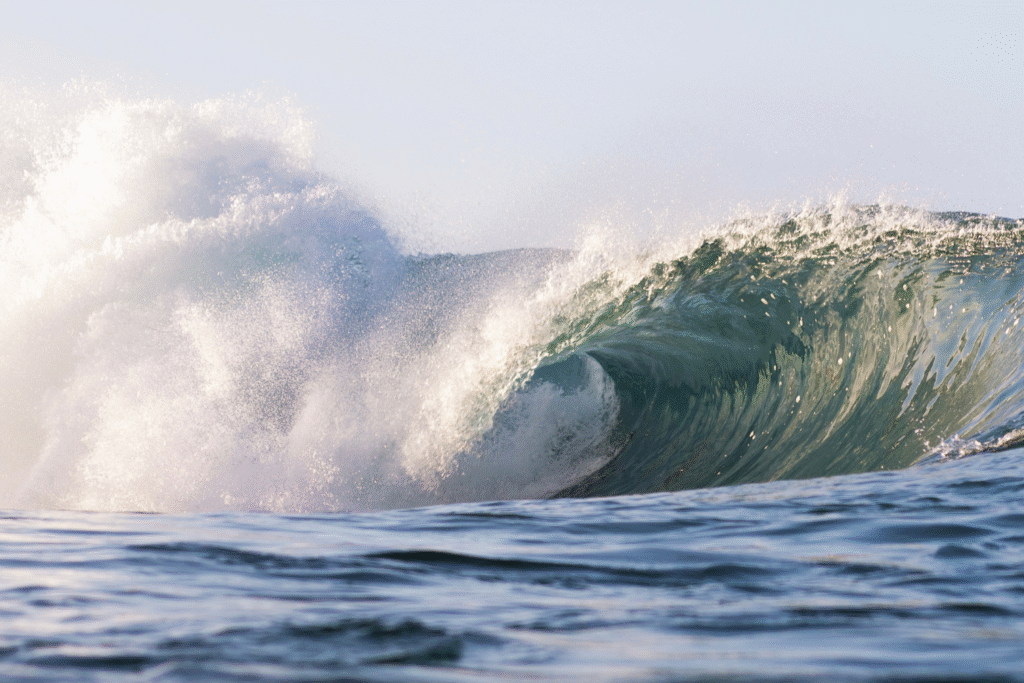
The collapse of the vortex would not only reshape the skies but could also disturb the oceans. As air pressure systems shift, they alter the winds that drive ocean currents, including the Gulf Stream. A slowdown in these currents would cause dramatic effects on weather systems, possibly cooling parts of Europe while heating others. Marine ecosystems sensitive to temperature and oxygen balance could also face upheaval. The interconnectedness of atmosphere and ocean means that a weakened vortex could send shockwaves through climate systems worldwide, influencing everything from monsoons to hurricanes for decades to come.
6. Altered seasonal rhythms threaten ecosystems and infrastructure.
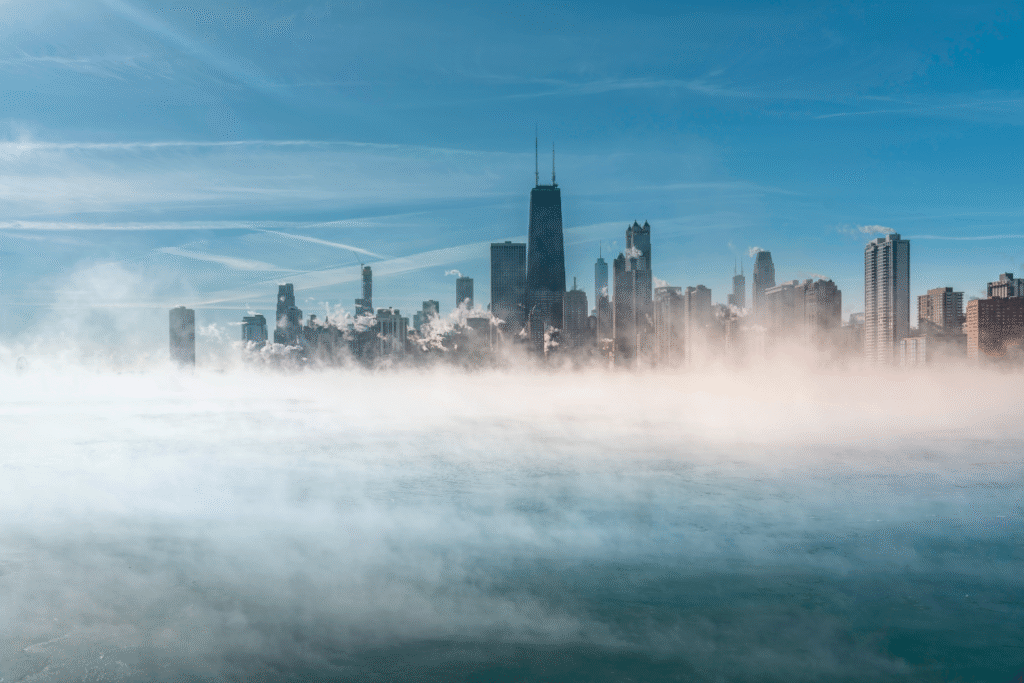
Imagine spring arriving a month early or winter staying far longer than expected. That’s what scientists fear could happen if the polar vortex continues to unravel. Crops that depend on predictable seasons may struggle, leading to food supply disruptions. Animals that rely on seasonal cues for migration or breeding could lose synchronization with their environment. Meanwhile, infrastructure designed for steady seasonal cycles, from roads to power grids, might not withstand the strain of sudden freezes or heatwaves. A collapsing vortex doesn’t just affect the Arctic sky, it rewrites the calendar of life for much of the Northern Hemisphere.
7. The risk underscores urgency for climate mitigation and adaptation.

The growing instability of the vortex is another alarm bell in the broader climate crisis. Scientists emphasize that reducing greenhouse gas emissions remains the strongest way to slow Arctic warming and protect the vortex’s structure. At the same time, governments must adapt to more unpredictable seasons. That means redesigning agriculture systems, improving early warning networks, and reinforcing energy grids. If the vortex continues weakening, regions that once had consistent climates could face a future of erratic extremes. Addressing it now is not optional, it’s essential for keeping the planet’s atmosphere in balance and its climate somewhat predictable.
8. Forecasting models must incorporate vortex dynamics.
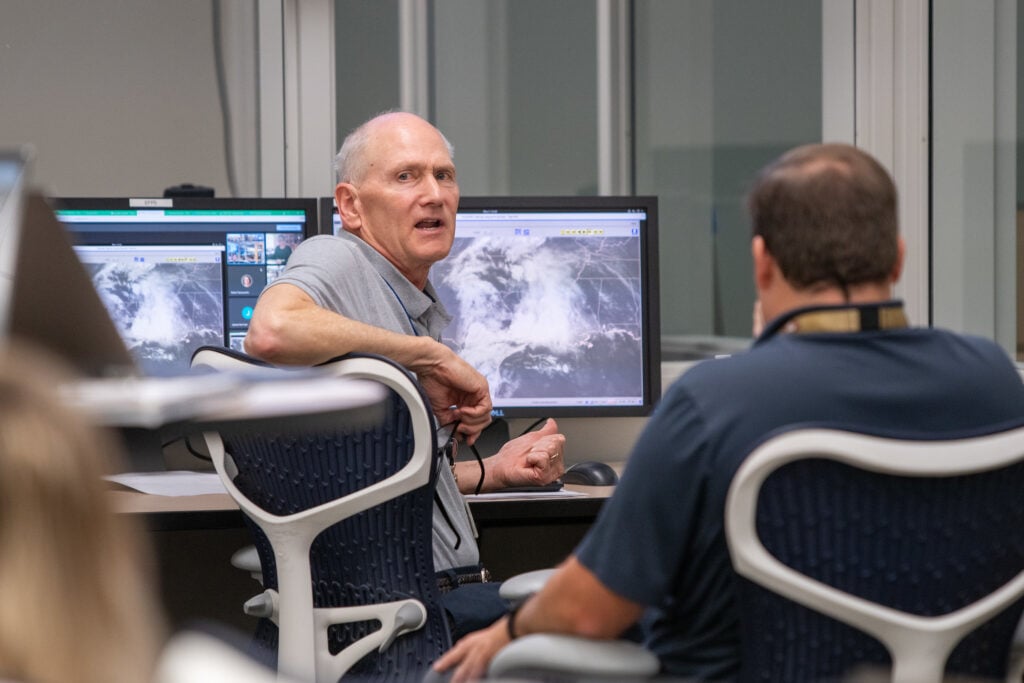
Traditional weather models have struggled to capture the complex behavior of the polar vortex, but new simulations are starting to close that gap. Scientists are developing ways to connect stratospheric data with near-surface forecasts to better predict when the vortex might weaken. Understanding its influence could allow meteorologists to anticipate cold snaps and heat waves weeks in advance. This research is vital because early warning saves lives and reduces economic losses. By improving how we read the vortex, forecasting could evolve from short term prediction to long term climate readiness, blending data with actionable insight for communities worldwide.
9. Regional surprises may emerge unexpectedly in future climates.

One of the strangest aspects of a vortex collapse is that it won’t look the same everywhere. Some regions might get colder, while others grow warmer. Europe could face wetter winters, while Asia might endure prolonged droughts. These unpredictable shifts make planning for the future far more difficult. Communities used to stable weather may have to adapt to volatility as the new normal. Scientists say that uncertainty could define the next century of climate forecasting, forcing humanity to prepare for scenarios that challenge even our most advanced models of weather and climate behavior.
10. Our climate map could be redrawn by upper atmosphere changes.
If the polar vortex collapses completely, the world’s climate zones might begin to rearrange in ways unseen for millennia. Regions that once had clear boundaries between warm and cold seasons could blur together. Forests might shift northward, deserts could expand, and coastal weather patterns may evolve unpredictably. Such a shift would redefine agriculture, migration, and the balance of natural ecosystems. Humanity would find itself living on a planet with new climate borders, drawn not by geography but by air currents far above. The vortex, once invisible to most, could become one of the defining forces of our future.