
Why modern politics feels overwhelming by design.
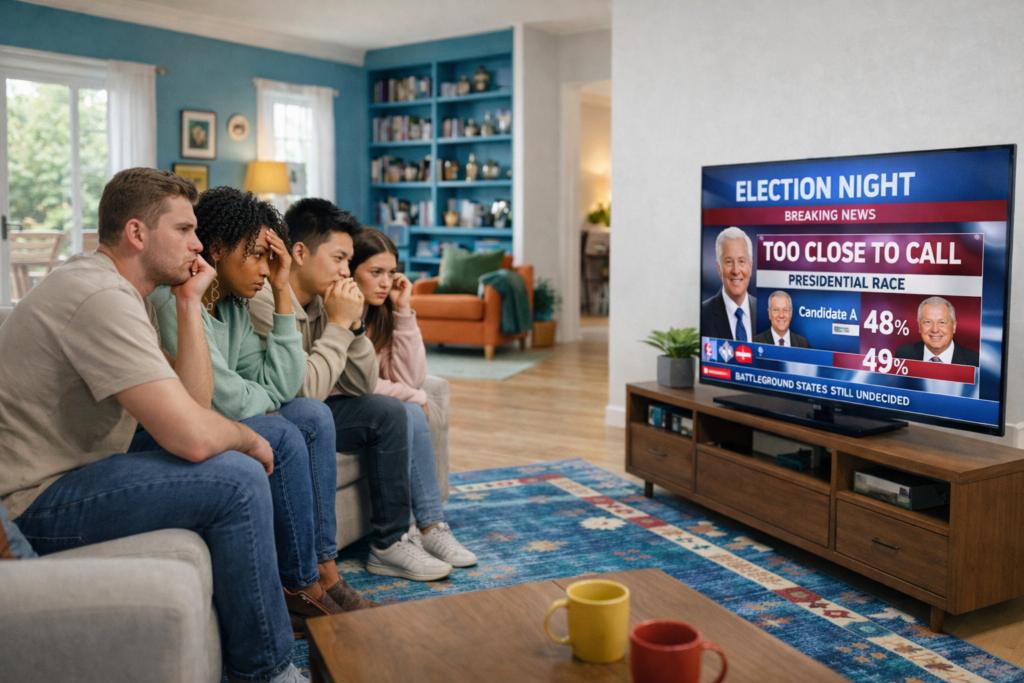
Politics feels louder than ever, yet many people feel less informed and more exhausted. That tension is not accidental. It is fueled by persistent myths that distort how power works, where influence lives, and what actually deserves attention. These assumptions spread fastest during elections, crises, and nonstop news cycles, quietly shaping stress and behavior. Understanding them does not require taking sides. It requires slowing down, spotting the patterns, and reclaiming clarity in a system designed to overwhelm most people today.
1. The biggest decisions are not decided election night.
Many people believe elections hinge on one dramatic evening, with winners and losers sealed before bedtime. That myth pulls attention toward spectacle and away from how power actually works. Most major outcomes unfold slowly through committee votes, regulatory changes, court rulings, and budget negotiations that stretch across months or years. While election night matters, it rarely delivers immediate transformation in people’s daily lives.
This misunderstanding fuels stress because it frames politics as constant crisis. When expectations clash with reality, frustration builds. Research on civic engagement shows people who understand long term governance feel less anxious and more grounded, according to the Pew Research Center. Knowing where decisions truly happen restores perspective and emotional balance.
2. One party does not secretly control everything.

During polarized moments, it often feels like one group holds absolute power. That belief spreads quickly online, especially when policies or rulings trigger strong emotional reactions. In practice, power is fragmented across branches, courts, agencies, and levels of government that slow sweeping change. Gridlock, compromise, and delay are more common than domination.
Stress grows when people assume unstoppable forces are at work. In reality, most systems are designed to resist rapid shifts. Studies of legislative outcomes show incremental movement is the norm, as stated by the Brookings Institution. Recognizing this reduces fear and reframes politics as a slow negotiation rather than an existential emergency.
3. National politics are not the whole picture.
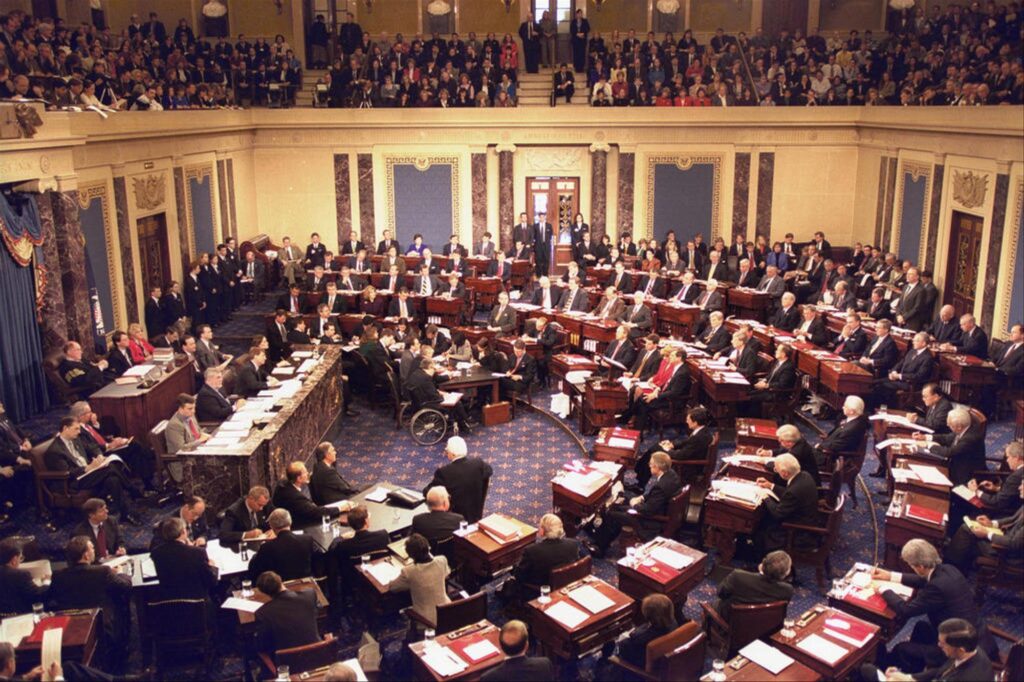
Many people focus almost entirely on federal news, believing it captures what matters most. This myth hides the influence of state legislatures, school boards, zoning commissions, and local courts that shape housing costs, education quality, voting access, and daily regulations. These decisions often affect people faster and more directly than national debates.
The imbalance creates stress by making citizens feel powerless. When attention stays local, influence feels tangible again. State level research shows most policies impacting daily life originate closer to home, according to the National Conference of State Legislatures. Shifting focus downward restores agency and reduces the sense that distant forces control everything.
4. Politics affects daily life more than expected.

A comforting myth says politics should stay separate from personal life. This belief collapses when policies touch healthcare access, housing availability, workplace protections, or school funding. Civic decisions quietly shape routines, finances, and opportunities long before they feel political.
Stress spikes when people are caught off guard by these effects. Accepting politics as infrastructure rather than drama changes how it feels. When understood as systems that govern roads, utilities, schools, and benefits, engagement becomes practical instead of emotional. Awareness replaces shock, and preparation replaces panic as policies ripple through everyday life.
5. Online arguments rarely translate into real change.

Many assume that debating strangers online influences political outcomes. Platforms reward intensity, speed, and outrage, not persuasion or collaboration. While arguments feel active, they rarely move policy, shift elections, or strengthen communities. What they reliably do is drain attention and emotional energy.
This myth persists because conflict feels like participation. In reality, impact comes from quieter actions like voting locally, attending meetings, supporting initiatives, or staying informed without overload. When effort shifts from performative debate to tangible involvement, stress drops and effectiveness rises. Political engagement becomes steadier, calmer, and far more sustainable over time.
6. Constant outrage is not a sign of awareness.

Many people believe staying angry means staying informed. Outrage feels like proof that you care and that you are paying attention. Media ecosystems reward this emotion because it drives clicks and sharing, especially during election cycles or breaking political events. Over time, constant outrage trains your nervous system to stay activated, making calm analysis feel unnatural or even irresponsible.
Awareness does not require emotional saturation. In fact, sustained anger reduces cognitive flexibility and narrows perspective. When outrage becomes the default lens, nuance disappears and stress rises. Choosing calmer sources or limiting exposure does not dull awareness. It restores your ability to think clearly and respond thoughtfully rather than react reflexively.
7. Political identity does not define your entire character.

A common myth suggests your political views summarize who you are. This framing turns disagreement into personal threat and makes every conversation feel high stakes. Social media intensifies this by collapsing complex identities into labels that flatten context and erase shared values.
Stress grows when identity becomes brittle. People stop listening and start defending. Separating beliefs from self worth lowers emotional risk and opens space for learning. Politics is one dimension of a life filled with roles relationships and experiences. When identity expands beyond ideology conversations soften and disagreement stops feeling like an attack on your existence.
8. News volume does not equal civic responsibility.

Many people feel obligated to consume large amounts of political news to be responsible citizens. This myth equates constant monitoring with engagement. In reality, excessive intake often leads to fatigue confusion and disengagement rather than informed action.
Responsibility comes from understanding key issues and participating meaningfully, not from nonstop exposure. Strategic consumption supports clarity. Checking reliable sources at set times preserves mental energy and reduces stress. When news serves understanding instead of dominating attention, civic responsibility becomes sustainable rather than overwhelming.
9. Fear based messaging distorts political reality.

Political messaging often leans on fear to mobilize attention. Warnings about catastrophe urgency and collapse dominate headlines because fear captures focus quickly. Over time, this skews perception, making rare outcomes feel inevitable and complex systems seem fragile.
Living in constant anticipation of disaster erodes trust and emotional resilience. Fear narrows thinking and exaggerates extremes. Recognizing fear as a tool rather than a truth restores balance. When emotional intensity drops, reality feels more navigable. Politics becomes less about survival and more about problem solving within imperfect but durable systems.
10. Stepping back does not mean giving up.

Many people worry that reducing political exposure means apathy or surrender. This myth keeps them locked in cycles of stress even when engagement becomes harmful. Rest is framed as negligence rather than maintenance.
Stepping back is often a form of care that preserves long term participation. Distance allows reflection perspective and recovery. People who regulate engagement tend to stay involved longer and more effectively. When politics stops consuming emotional bandwidth, energy returns for meaningful action rather than constant reaction.