
Power structures are shifting faster than governments admit.
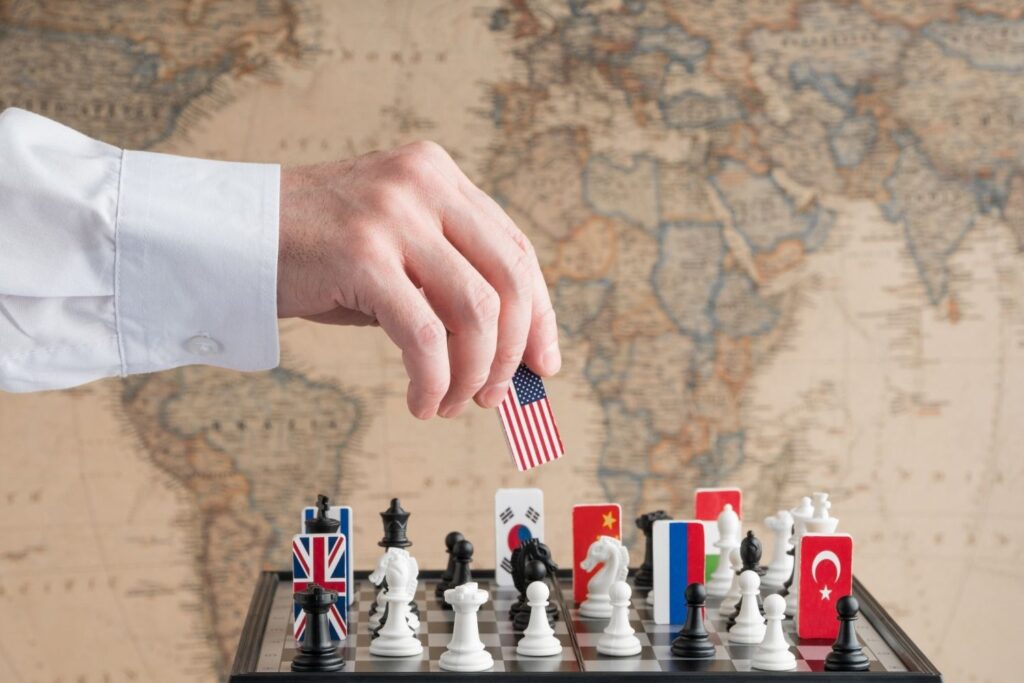
Political stability is becoming harder to define as elections, conflicts, and economic shocks overlap across regions. Longstanding assumptions about alliances, governance, and global leadership are being tested simultaneously. Decisions made in one capital now echo almost instantly in others, tightening the margin for error. The next five years will not unfold gradually. They will be shaped by accelerating pressure, unresolved tensions, and political systems struggling to adapt to realities they were not built to manage.
1. Great power rivalry is reshaping global decision making.

Global politics is again defined by competition between major states, raising stakes for every diplomatic and economic move. Strategic distrust is spreading across military planning, trade policy, and technological development. Smaller nations are increasingly caught between rival powers demanding alignment rather than neutrality.
This rivalry influences everything from supply chains to security agreements. As governments prioritize national advantage over cooperation, institutions designed for consensus struggle to function. The risk lies less in intentional conflict and more in miscalculation as communication narrows and pressure builds across multiple regions simultaneously.
2. Traditional alliances are losing automatic political certainty.

Alliances once assumed to be stable are now shaped by domestic politics and shifting priorities. Elections, leadership changes, and public opinion increasingly affect whether commitments hold. Partners no longer assume continuity, introducing uncertainty into defense and economic planning.
This erosion forces countries to hedge their relationships. Governments are exploring parallel partnerships and regional cooperation as safeguards. Over time, alliances may persist in name while functioning more loosely, altering deterrence, crisis response, and the balance of influence across continents.
3. Resource control is becoming a primary political weapon.
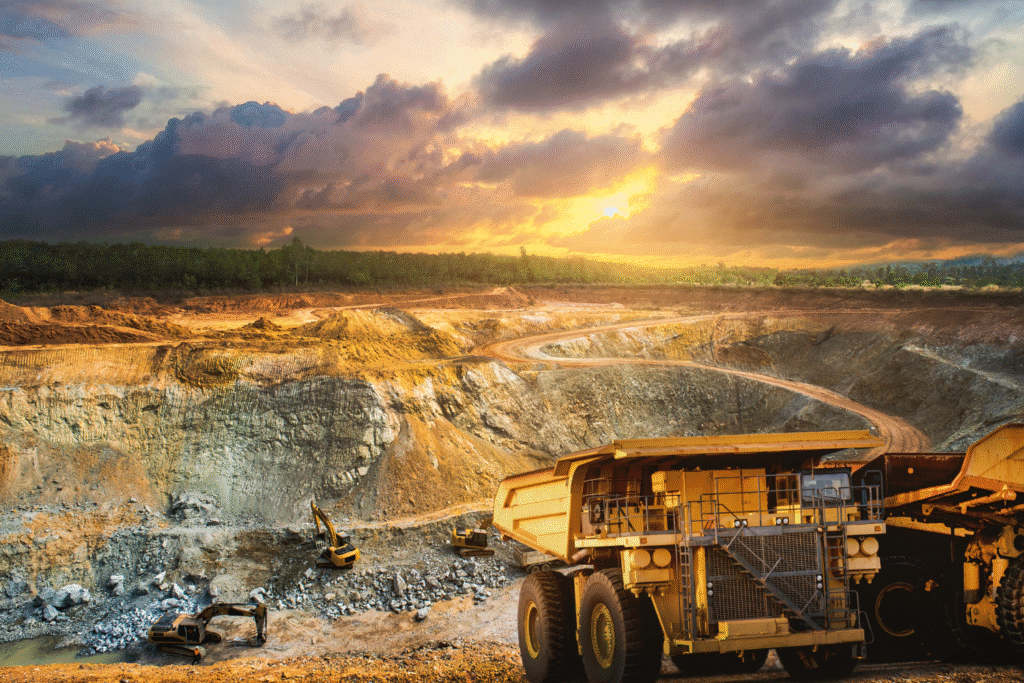
Access to energy, minerals, and food supplies is now openly politicized. States are using control over critical resources to influence rivals and secure leverage. Disruptions once framed as market issues are increasingly treated as national security threats.
This shift encourages stockpiling, export controls, and new trade blocs. Countries rich in resources gain outsized influence, while import dependent nations scramble to diversify. The resulting competition reshapes diplomacy, making economic decisions inseparable from strategic calculations.
4. Demographic pressure is destabilizing political legitimacy worldwide.

Population changes are straining political systems faster than policy can adapt. Aging societies face shrinking workforces while younger populations demand opportunity and representation. These pressures challenge fiscal stability and social contracts simultaneously.
Governments that fail to respond risk unrest, declining trust, and political fragmentation. Demographic imbalance amplifies polarization, pushing leaders toward short term solutions. Over the next five years, demographic realities will increasingly dictate political viability and electoral outcomes.
5. Governance models are competing more openly across regions.
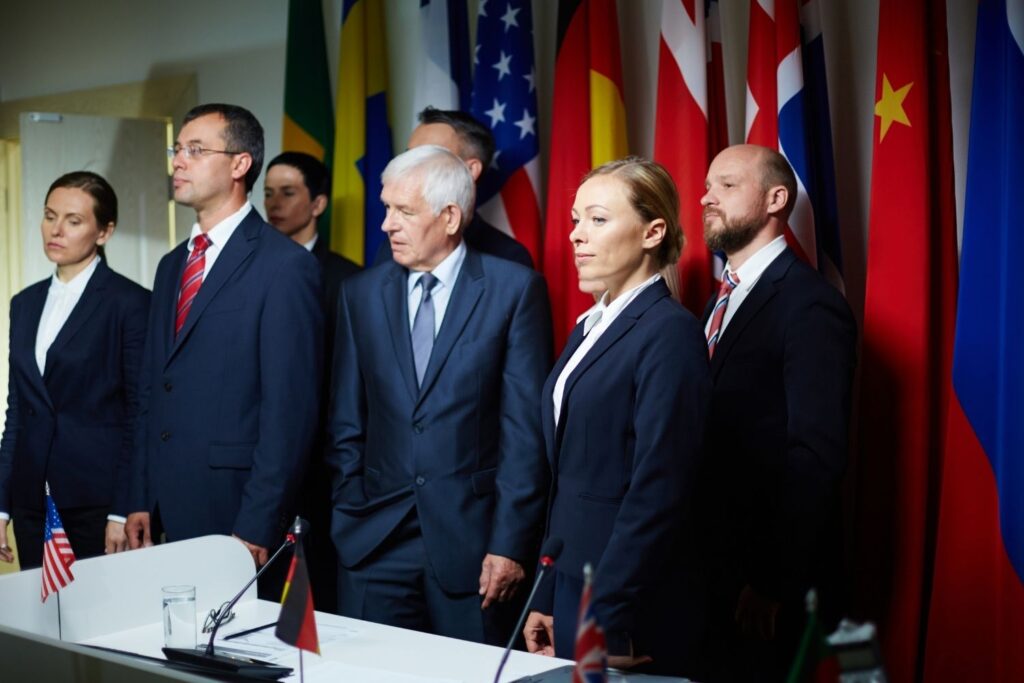
Political systems are no longer quietly evolving. Governments are actively promoting their models abroad while defending them at home. Competing visions of authority, accountability, and rights are becoming explicit sources of tension.
This competition affects aid, trade, and security cooperation. As states frame governance as identity rather than policy, compromise becomes harder. The next phase of global politics will test whether systems can coexist without forcing alignment or conflict.
6. Technology is accelerating political influence and control.

Digital platforms now shape political reality faster than institutions can respond. Information spreads instantly, while regulation moves slowly, creating gaps that are easily exploited. Governments face pressure from coordinated online movements, disinformation campaigns, and rapidly shifting public sentiment that can destabilize policy overnight.
States are responding unevenly. Some expand surveillance and control, while others struggle to protect open discourse without losing authority. Over the next five years, political power will increasingly depend on who controls digital infrastructure, narrative flow, and public trust in online spaces rather than traditional media or party structures.
7. Nationalism is reshaping domestic and foreign policy priorities.
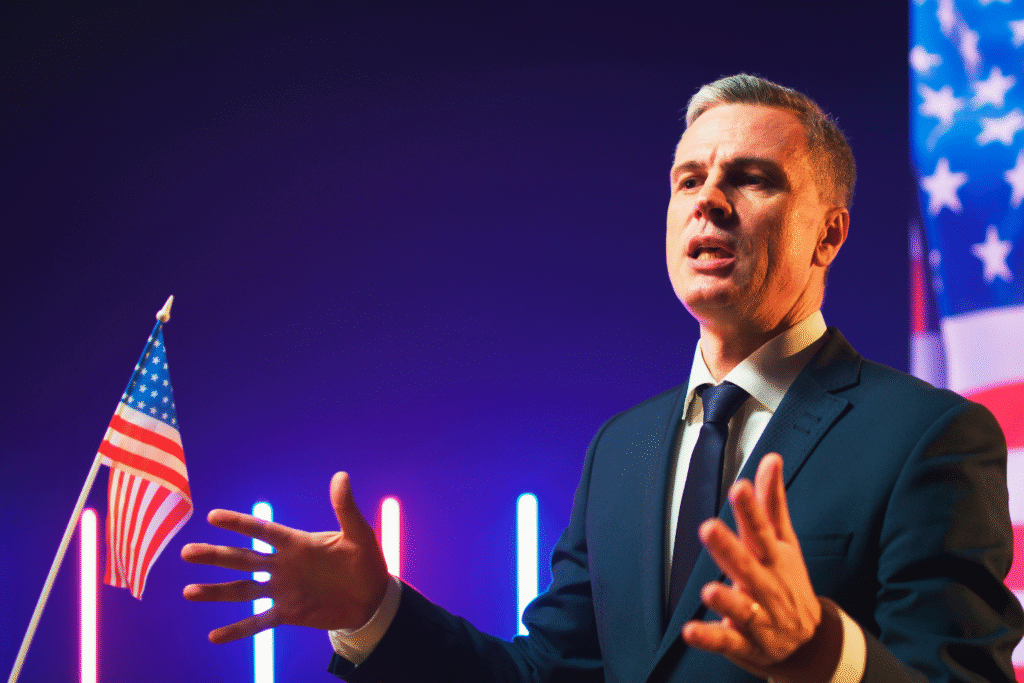
National identity is being emphasized as a political tool across diverse regions. Leaders frame policy choices around sovereignty, culture, and perceived external threats. This rhetoric resonates during uncertainty, but it also narrows diplomatic flexibility.
As nationalism strengthens, compromise becomes politically costly. Trade agreements, migration policy, and international cooperation face resistance framed as protection of identity. This inward focus reshapes alliances and increases friction as states prioritize domestic cohesion over multilateral solutions.
8. Economic inequality is driving political volatility across societies.
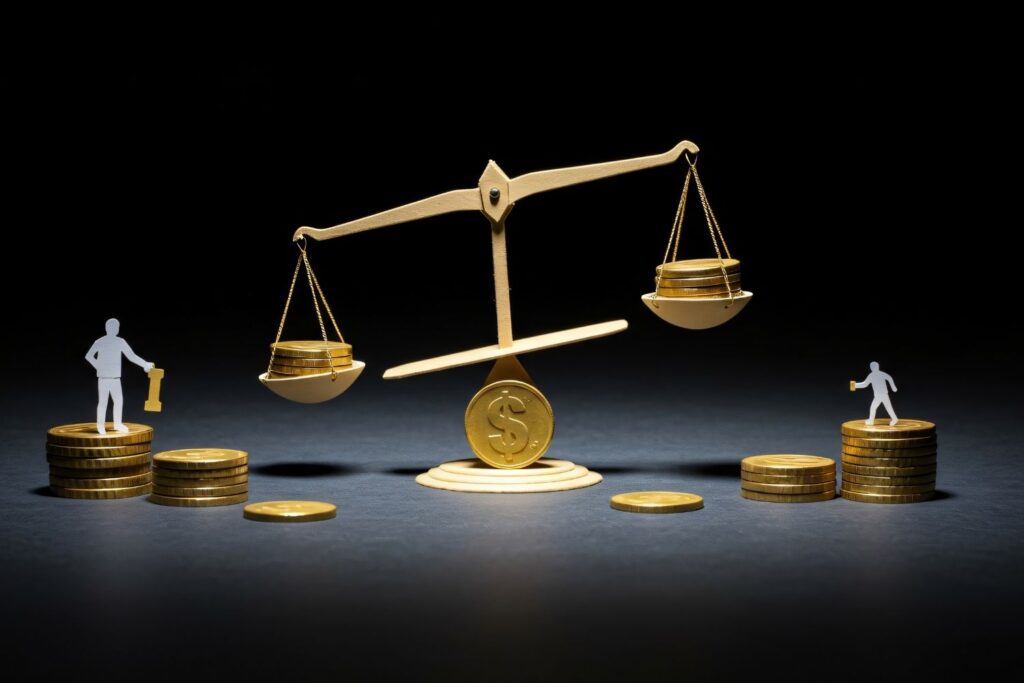
Rising costs of living and uneven growth are fueling dissatisfaction with political leadership. When prosperity feels inaccessible, trust in institutions erodes quickly. Protests and electoral swings increasingly reflect economic frustration rather than ideology.
Governments face pressure to act while constrained by debt, inflation, and global markets. Failure to address inequality risks repeated instability. Over time, economic divides harden political ones, reshaping party systems and governance norms in unpredictable ways.
9. Crisis governance is becoming a permanent political condition.

Emergency measures once reserved for rare events are now routine. Pandemics, climate disasters, and security threats keep governments in reactive mode. This constant urgency alters how power is exercised and justified.
When crisis becomes normal, oversight weakens and temporary authority lingers. Citizens grow accustomed to rapid decisions with limited debate. Over the next five years, how societies balance speed and accountability will define the durability of democratic norms worldwide.