
Clues hidden in plain sight are reshaping its story.
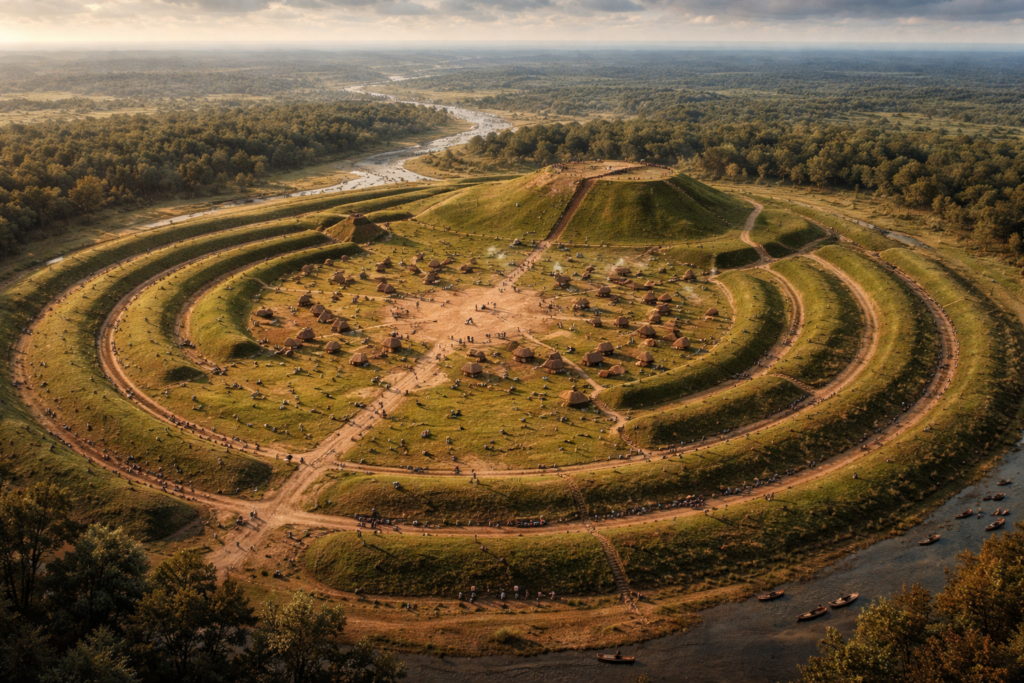
Across the quiet landscape of northeastern Louisiana, the sweeping ridges and towering mounds of Poverty Point rise with a presence that feels both deliberate and difficult to explain. For generations, archaeologists viewed the site as largely ceremonial, a place defined more by symbolism than daily life. Yet subtle clues buried in the soil have begun pointing toward a far more dynamic past. Patterns of movement, artifacts carried from distant regions, and the scale of construction hint at something larger unfolding here. As new research gathers momentum, the ancient earthworks appear less like silent monuments and more like the framework of an active human landscape.
1. Researchers now see gathering events shaping the ridges.
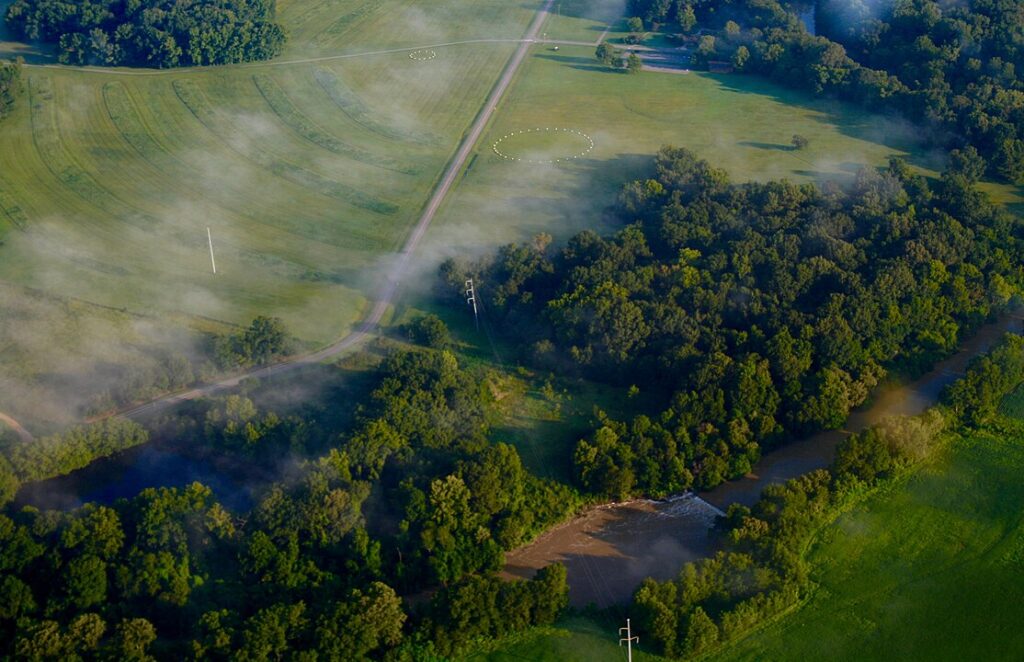
Archeologists believe the concentric ridges supported large gatherings, according to the National Park Service. That possibility transforms the site from a quiet ceremonial zone into a dynamic place filled with people who traveled long distances. The scale begins to feel intentional because it fits the activity it may have once held. Travelers likely arrived with goods, stories and expectations that shaped the rhythm of the place.
Those repeated visits would have carved patterns into the land and created a shared identity linked to Poverty Point. The idea brings a lively pulse to a space once seen as still and symbolic.
2. Movement pathways appear built into the site’s design.
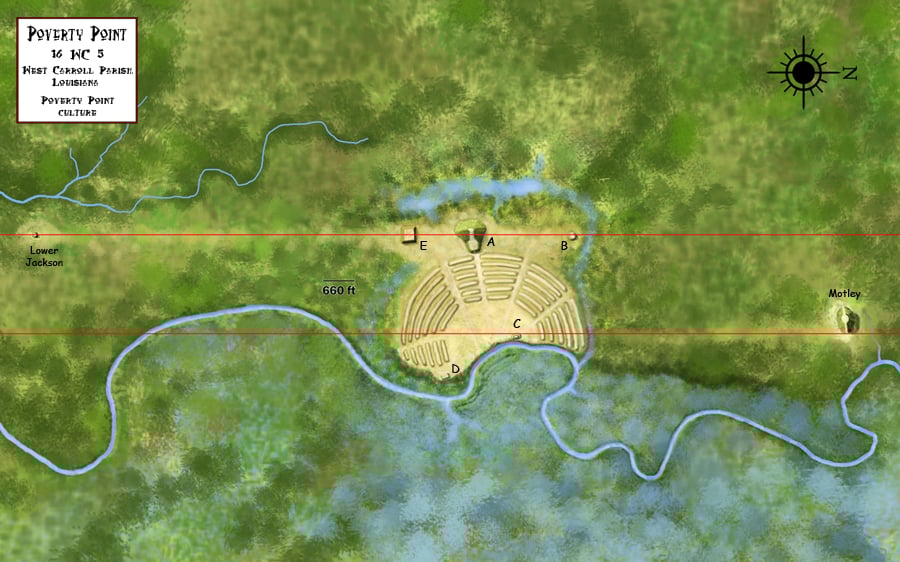
Some researchers think the ridges guided how visitors moved, as reported by Smithsonian Magazine. The curved earthworks may have shaped footpaths that channeled people toward central areas. Once seen through that lens, the entire design becomes organized rather than mysterious. Walkways appear to sit quietly inside the broader landscape, waiting for someone to trace them again.
Such structure suggests the site functioned more like a coordinated gathering space than an empty monument. People may have followed predictable routes, creating a sense of flow that held the community together each time they returned to Poverty Point.
3. Massive community labor created the monumental mounds.

Soil studies reveal that large communities helped build the mounds, as discovered by the Louisiana Office of State Parks. The work required immense cooperation and hints at a shared purpose that involved many groups. No single leader could have commanded labor on this scale without a unifying reason. That unifying force may have been gatherings, trade or seasonal events that encouraged participation.
This cooperative building effort suggests the site held meaning across broad regions. The sense of collective investment points to a place that functioned actively in the lives of those who constructed it, not a silent symbol removed from daily life.
4. Far reaching trade routes fed into Poverty Point’s economy.
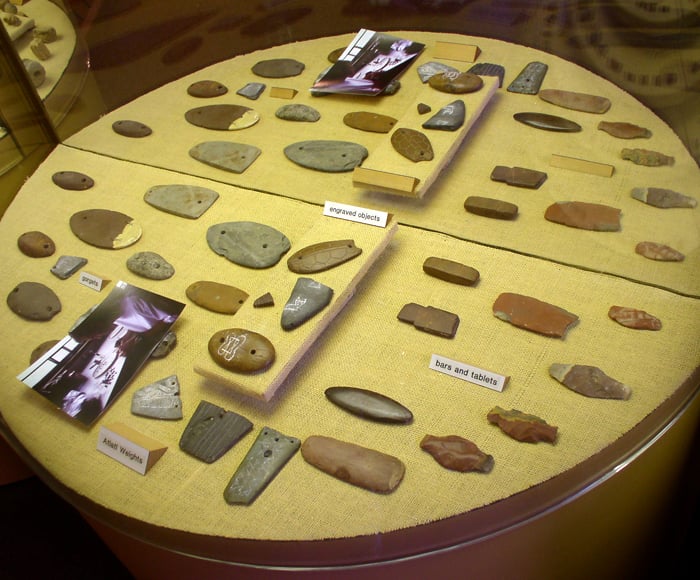
Artifacts found at the site originate from regions stretching from the Great Lakes to the Ohio River Valley. Items such as stone tools and copper pieces suggest people arrived carrying goods meant for exchange. These long distance connections give the site a wider influence than many expected and paint it as a major hub. Travelers may have returned because the location offered both opportunity and familiarity.
Trade would also explain why different groups were willing to invest effort into maintaining the site. A place that benefitted many people would naturally gather recurring attention and participation.
5. The central plaza likely hosted timed seasonal events.
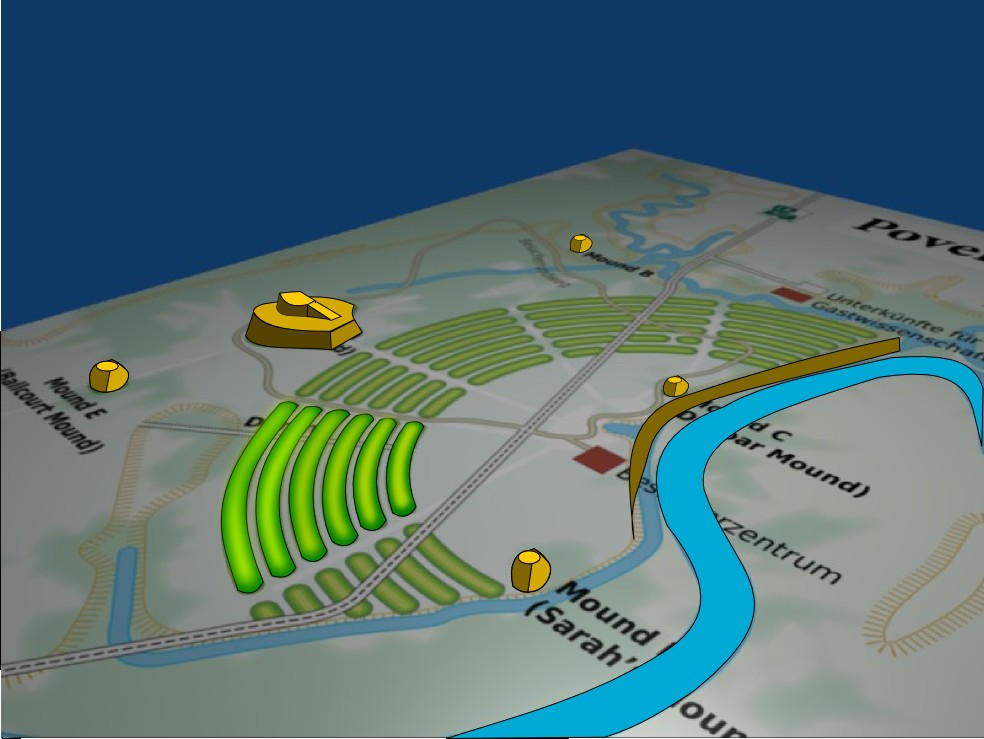
The massive open plaza appears flattened and maintained with great care. Researchers believe it may have supported events that followed seasonal patterns. Predictable gatherings could have guided travel and anchored cultural routines across many communities. People familiar with those cycles may have anticipated the journey each year and prepared for long trips to the site.
This kind of recurring schedule would create memories tied directly to the plaza. It becomes easier to imagine it filled with families, traders and visitors moving in sync with a rhythm that returned generation after generation.
6. The tallest mounds may have served as visual markers.
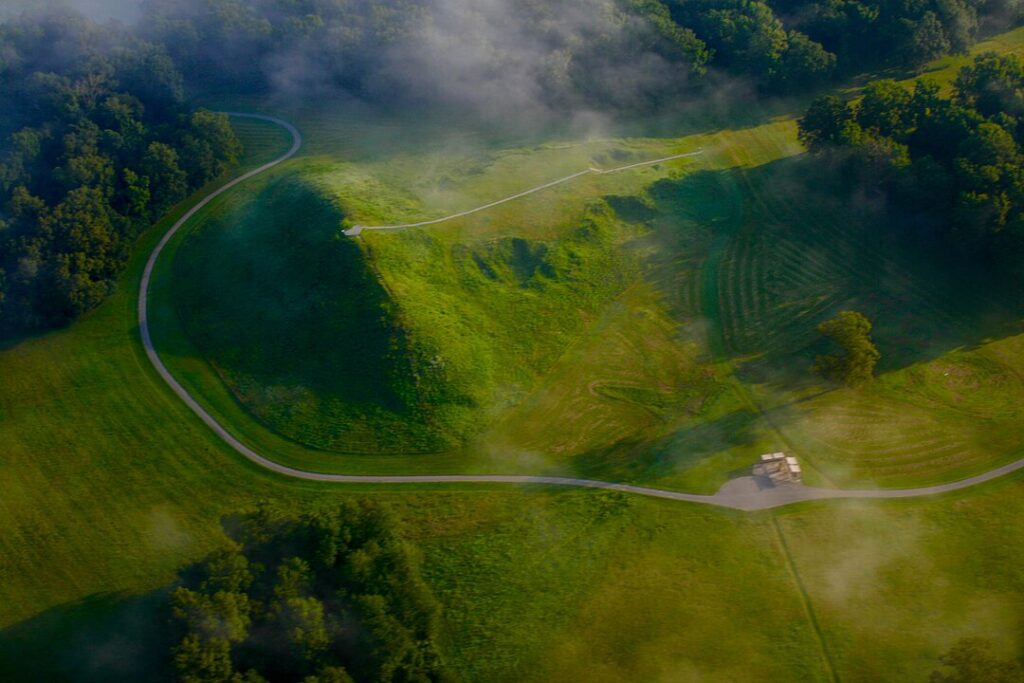
Some scholars propose that the largest mounds operated as signals for travelers approaching from river routes. Their height and placement make them visible above the surrounding landscape, offering guidance to those arriving by water. That visibility gives the mounds a practical function beyond ceremony. They become landmarks meant to aid navigation across a region shaped by rivers.
Seeing them as markers makes the surrounding area feel more connected. Travelers could have relied on these reference points, making Poverty Point a familiar and welcoming destination even from far away.
7. Specialized activity areas reveal organized working zones.
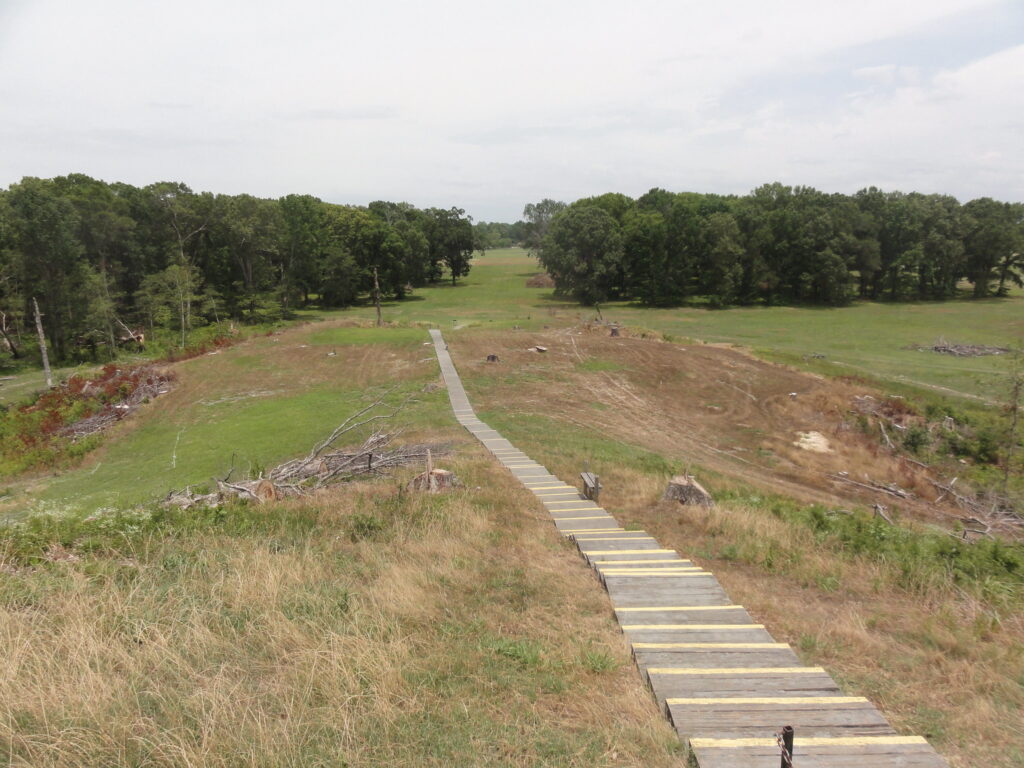
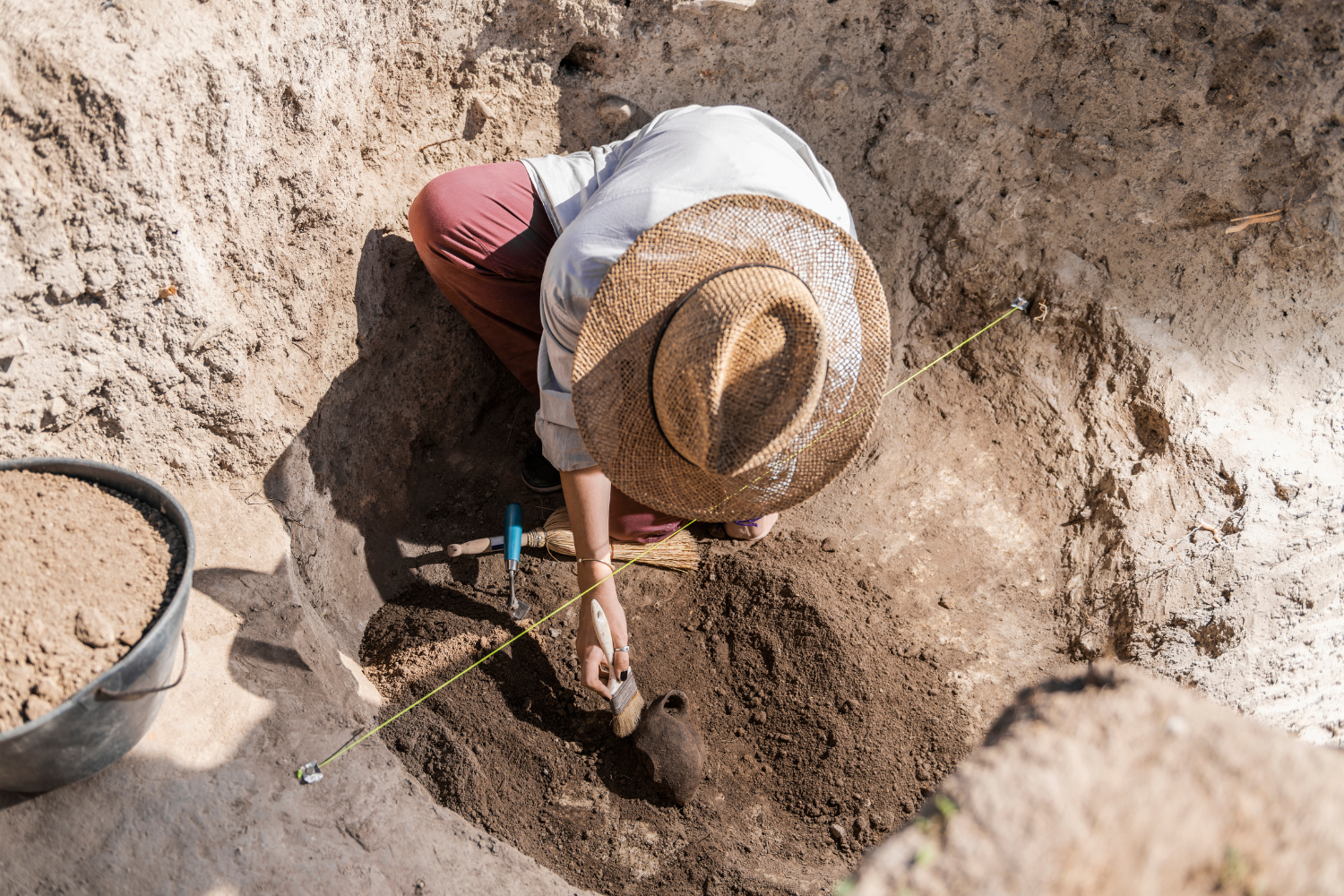
Excavations show clusters of tools and debris that suggest people worked in designated areas. These zones appear set apart from living or gathering spaces, hinting at intentional planning. Visitors may have crafted items, prepared supplies or exchanged goods in particular spots. Such organization points to a site designed to support different roles without chaos.
This separation of activity helps explain the impressive scale of the earthworks. A place that managed large groups needed order, and these areas show how that order may have been maintained by people who used the space regularly.
8. Shared meals created a sense of community identity.
Food remains found throughout the site suggest many people ate together during gatherings. Bones, seeds and cooking residues show that meals were larger than simple subsistence activities. Shared eating often strengthens bonds, especially when groups reunite seasonally. These collective meals may have created traditions that tied people from distant regions to the same location.
That social unity helps explain why visitors returned. Meals shared across communities make a place feel familiar, weaving emotional ties into the land itself and anchoring Poverty Point deeper in cultural memory.
9. Water access points reveal careful planning for arrivals.
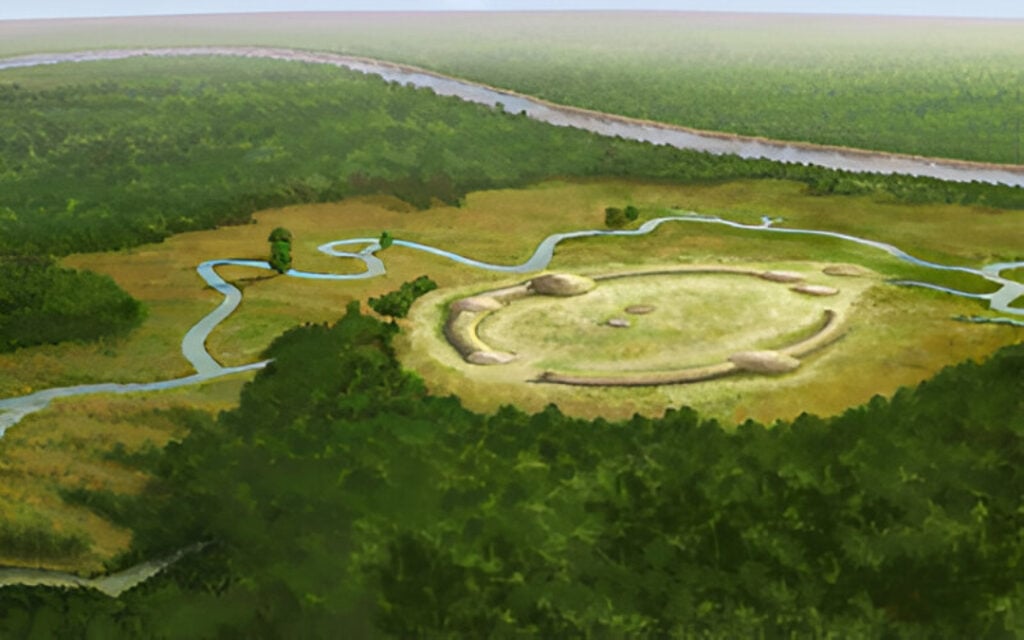
The ridges near natural water sources suggest travelers accessed the site through predictable routes. People arriving by boat would have found convenient transitions from water to elevated ground. This layout indicates that the builders understood how movement worked across the region. Their planning made entry smooth, efficient and intuitive.
Such thoughtful design reinforces the idea that Poverty Point was built for repeated use. It may have been a dependable destination that generations trusted, knowing their arrival would be met with a landscape that welcomed them.
10. New interpretations reveal a site full of human motion.
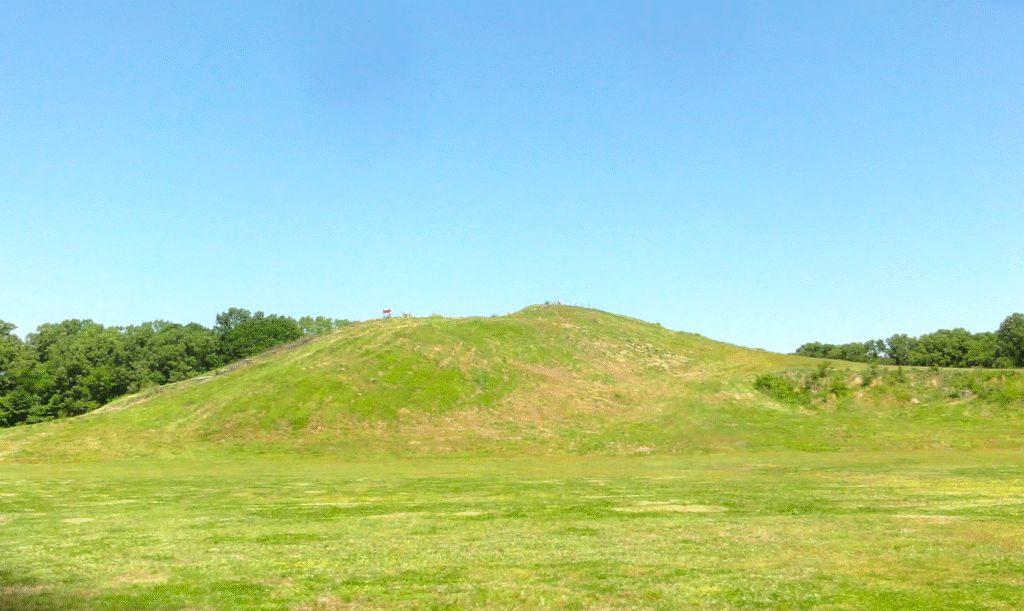
The emerging view of Poverty Point highlights people gathering, trading and working rather than standing in silent ceremony. The land carries the imprint of movement as much as construction. Travelers may have shaped the site as much as the builders did, adding layers of meaning each time they returned. The ridges and mounds feel less like rigid structures and more like traces of lives in motion.
Seeing the site this way brings warmth to its history. Poverty Point becomes a place built by many hands for many reasons, held together by shared purpose.