
Hidden risks often appear long after adoption.
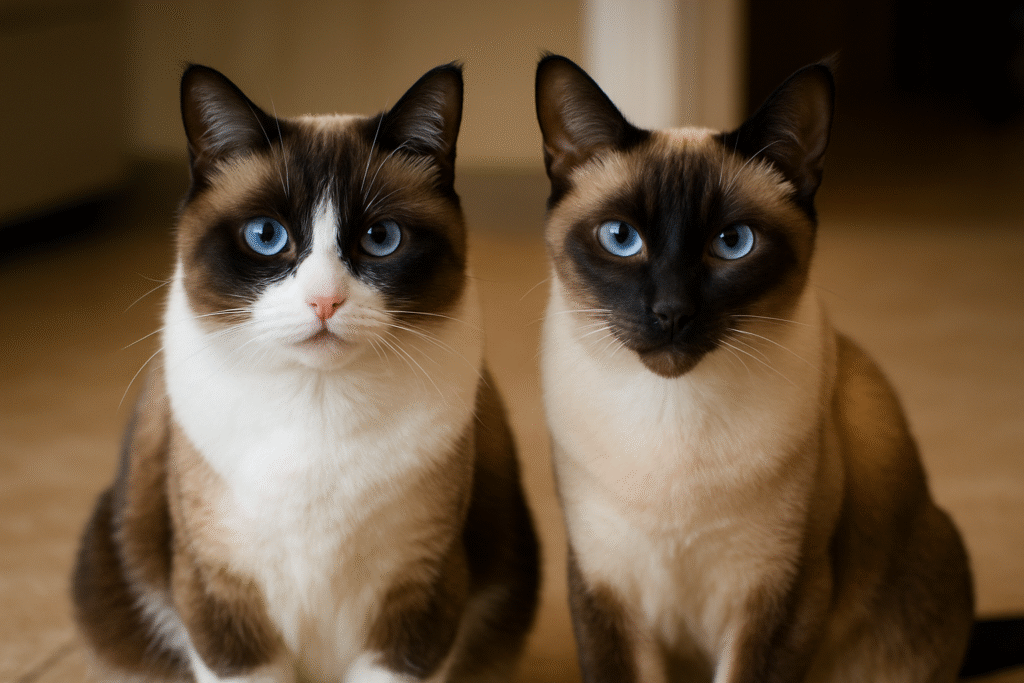
Purebred cats attract people with their striking features, gentle personalities and predictable traits. Yet behind those appealing qualities lies a layer of genetic vulnerability that many owners only learn about after health problems appear. Breeding for specific looks narrows the gene pool, increasing the odds of inherited conditions that remain invisible during kittenhood. These issues can surface slowly or suddenly, leaving families confused about what went wrong.
Veterinarians have become increasingly vocal about these concerns as new research reveals how many conditions are tied to intense selection. Some breeds carry risks linked to bone structure while others struggle with heart, kidney or immune complications. Understanding these challenges helps owners prepare, allowing them to spot early signs and support their cats before problems worsen. It also brings clarity to why responsible breeding matters more than ever.
1. Persian cats often struggle with chronic breathing issues.
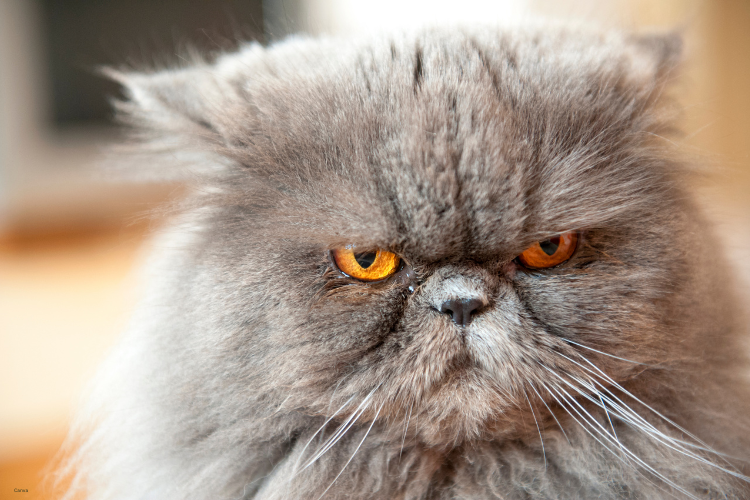
Persian cats are known for their calm nature, but their shortened facial structure places pressure on their airways. This can lead to persistent congestion, noisy breathing and difficulty staying active. Many families notice signs only after their cat begins avoiding play or resting more than usual. These subtle changes are easy to overlook, especially when kittens seem healthy at first.
As the condition progresses, the discomfort becomes harder to ignore. Heat intolerance, dental complications and recurring eye discharge may surface as well. These symptoms connect back to the facial structure that gives the breed its signature appearance. Understanding these risks early helps owners plan for regular veterinary care that supports long term comfort.
2. Maine Coons face significant risk of heart disease.

Maine Coons are admired for their size and gentle personalities, yet many carry a genetic tendency toward hypertrophic cardiomyopathy. This condition thickens parts of the heart, making it work harder than it should. Cats often show no early symptoms, which creates a false sense of security. Families may not realize anything is wrong until a sudden episode draws attention.
When veterinarians detect the disease early, they can monitor heart function and help manage symptoms. Medications may improve comfort and extend quality of life, but the genetic roots cannot be undone. These realities remind owners why screening and responsible breeding are vital to the breed’s long term health.
3. Scottish Folds often develop painful joint problems.
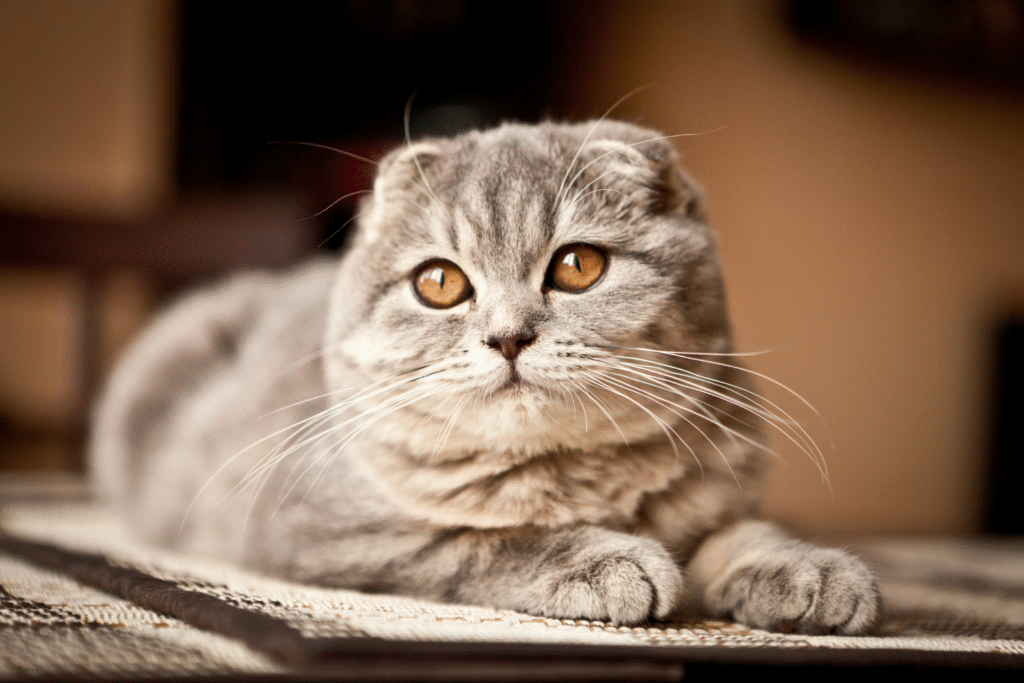
The adorable folded ears that set Scottish Folds apart come from a genetic mutation that affects cartilage throughout the body. While the ears look cute, the same mutation can weaken joints, causing stiffness or pain. Many cats begin showing signs early, including reluctance to jump or a preference for soft surfaces. Families sometimes assume this is normal behavior for a calm breed when it is actually discomfort.
As the condition advances, mobility becomes a daily struggle. Cats may move slowly or avoid stairs entirely. Without ongoing treatment, their quality of life declines. The link between ear shape and cartilage health highlights how strongly appearance focused breeding can affect an animal’s well being.
4. Bengals sometimes experience chronic digestive sensitivity.
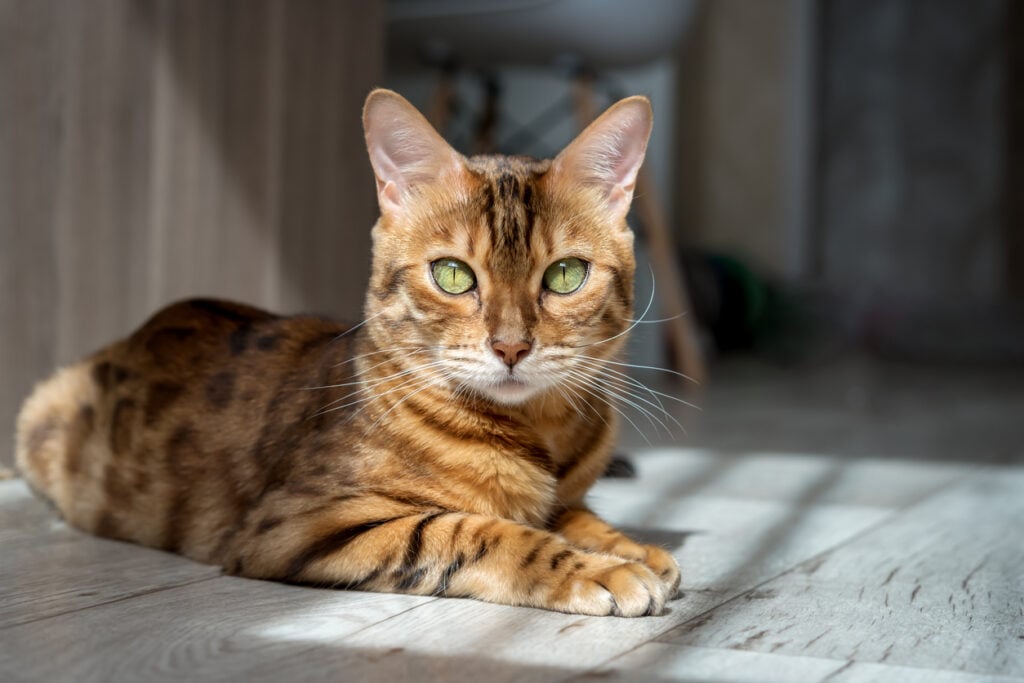
Bengal cats bring athletic energy and striking patterns to a household, yet many develop digestive troubles that linger throughout life. Their sensitive systems react strongly to abrupt diet changes, stress or certain ingredients. Owners often notice loose stools, vomiting or reduced appetite. These symptoms can be confusing, especially when they appear in an otherwise active and confident cat.
Managing these issues requires careful observation and long term dietary planning. Veterinarians often recommend specialized diets or supplements to support stable digestion. These adjustments help reduce flare ups, but the underlying sensitivity remains. Understanding this tendency prepares owners for a level of management they may not expect at adoption.
5. Ragdolls carry notable risk of urinary system complications.

Ragdolls are known for their mellow personalities and relaxed posture, yet many face challenges linked to their urinary tract. Some develop bladder inflammation or recurring infections that cause discomfort. Owners may see increased litter box visits, vocalization during urination or accidents outside the box. At first these signs appear inconsistent, making them easy to misinterpret as behavioral problems.
With time, the symptoms grow more noticeable. Stress, dehydration or diet can trigger flare ups that linger for weeks. Managing these conditions requires patience and ongoing veterinary support. Families drawn to the breed’s gentle nature benefit from knowing the potential health demands ahead.
6. Sphynx cats struggle with severe skin sensitivity.

The hairless bodies of Sphynx cats create a unique look, but the absence of fur leaves their skin exposed to irritation. Oils build quickly on the surface, leading to acne or rashes. Families often learn that regular bathing is essential, yet the wrong products can worsen the issue. These cats react strongly to detergents, fabrics and temperature changes.
Ongoing care becomes a central part of living with a Sphynx. Maintaining clean bedding, moisturizing dry areas and monitoring for infections requires steady attention. The vulnerability stems from the same trait that draws people to the breed. Respecting that balance keeps these cats comfortable.
7. Abyssinians sometimes develop serious kidney disorders.
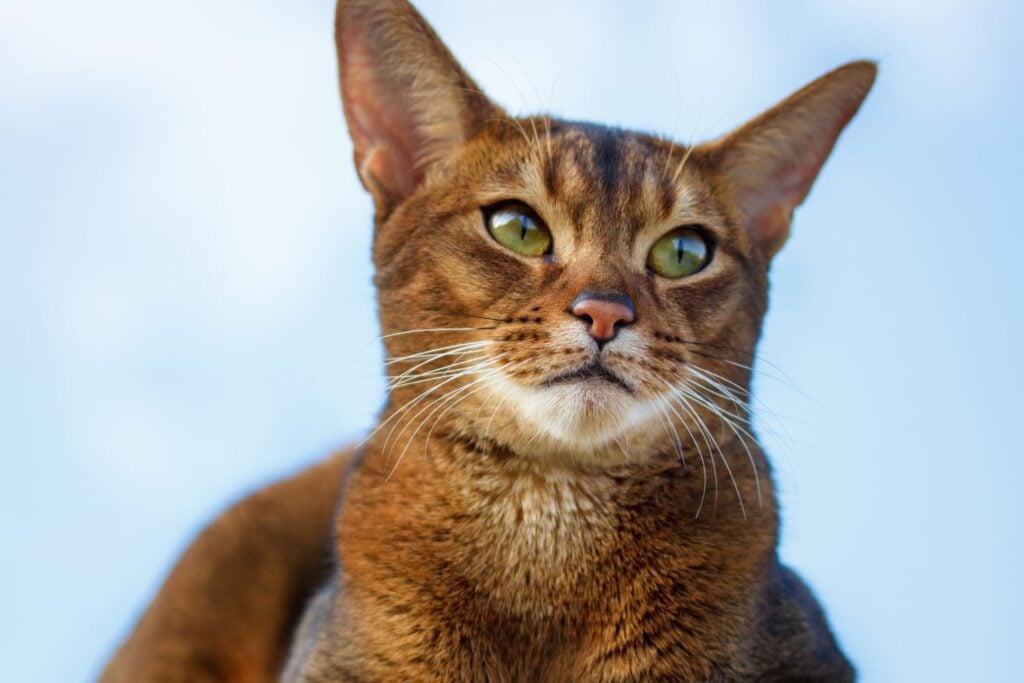
Abyssinians are admired for their bright eyes and energetic personalities, yet some carry a genetic predisposition to kidney conditions. These issues may progress slowly, revealing themselves through weight loss, increased thirst or subtle changes in activity. Families may overlook early symptoms because the cats remain playful and engaged.
When the disease advances, the kidneys struggle to filter toxins effectively. Managing this requires veterinary monitoring, hydration support and long term diet changes. Knowledge of this risk gives owners a chance to act before the condition disrupts daily life.
8. British Shorthairs face growing concerns about obesity.

British Shorthairs have sturdy bodies and calm temperaments that make them easy to love, but their relaxed nature pairs poorly with high calorie diets. Without careful management, many become overweight, which places strain on their joints and increases risk of diabetes. Owners often assume their round shape is normal when it is actually early weight gain.
Obesity develops gradually, creeping up as activity decreases. Once the weight settles in, reversing it becomes challenging. Structured feeding routines and enrichment help manage the issue, but they require consistency. Understanding this tendency helps owners shape healthier daily habits.
9. Burmese cats sometimes struggle with respiratory instability.

Burmese cats have expressive features and affectionate personalities, yet many carry a risk of respiratory issues linked to their facial structure. Narrow nasal passages make breathing noisier and more difficult, especially during play. Owners may hear snorting or see signs of fatigue during mild exertion. These symptoms often appear harmless until they escalate.
As they age, some cats experience chronic congestion that disrupts sleep or appetite. Managing these issues requires a calm environment, humidity control and regular veterinary checkups. Recognizing the signs early prevents complications that might otherwise go unnoticed.
10. Devon Rex cats face increased risk of muscle weakness.

Devon Rex cats bring a mix of energy and curiosity into a home, yet some carry a gene that leads to muscle weakness. The condition affects their posture, gait and ability to jump. Families may notice trembling or fatigue during normal activity. These symptoms can be subtle, especially in young cats who adapt quickly to their limits.
As the condition advances, mobility challenges become more pronounced. Providing ramps, soft bedding and gentle exercise helps support their comfort. Understanding these needs helps families provide an environment that reduces strain and maintains quality of life.
11. Oriental Shorthairs can develop chronic dental complications.

Their slender faces and narrow jaws create a striking silhouette, yet this same structure can cause dental overcrowding. Teeth may shift or trap debris, leading to inflammation or pain. Owners often notice changes in chewing habits or a reluctance to eat dry food. These small signs reflect deeper oral discomfort.
If left untreated, the issues worsen quickly. Regular cleanings and early intervention prevent long term damage. The breed’s beauty often distracts families from the hidden upkeep their dental structure requires.
12. Siamese cats show increased vulnerability to anxiety related behaviors.
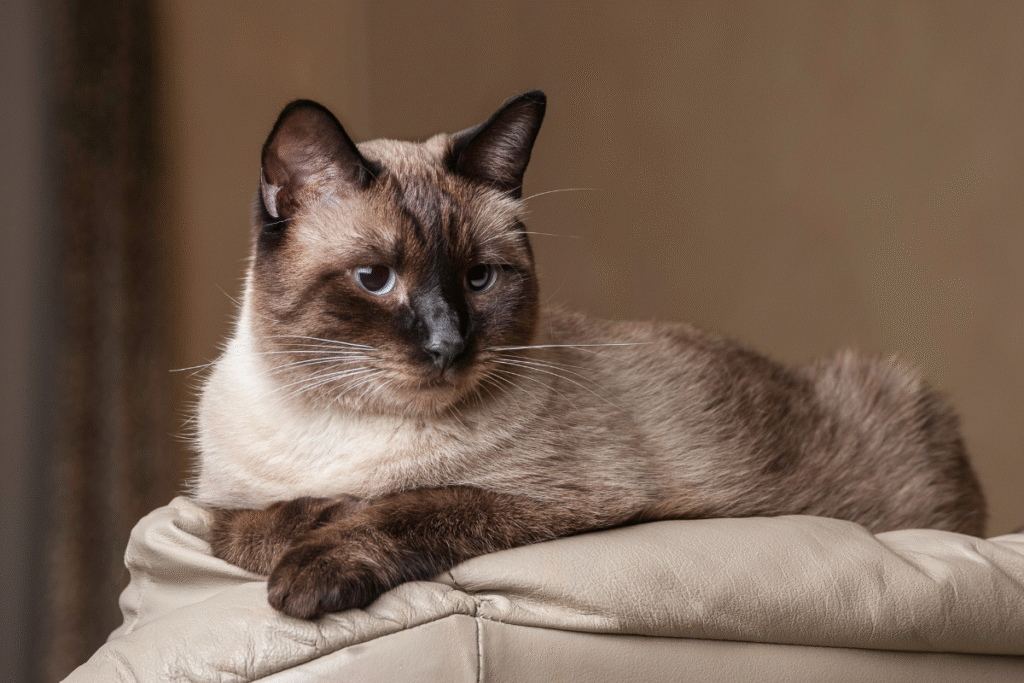
Siamese cats communicate constantly and form strong attachments to their families. This emotional intensity makes them sensitive to change. Sudden shifts in routine, noise or environment may trigger anxiety that appears as vocalization, pacing or over grooming. Many families misread these signs as simple fussiness when they reflect deeper stress.
Over time, chronic anxiety can lead to physical symptoms such as hair loss or digestive trouble. Maintaining a predictable environment and offering mental engagement helps ease these patterns. Awareness of this tendency encourages owners to build routines that keep their Siamese cats secure and balanced.