
Fragile species vanish as warnings go unheard.

Entire lineages are slipping away inside forests that once felt endless, and the world barely notices the silence they leave behind. Many of these disappearances unfold far from cities, in shadows where monitoring is thin and pressure from climate shifts, logging and fragmentation grows by the year. What makes these losses haunting is how quietly they happen. A species can collapse without a headline, leaving only scattered reports from field biologists who watched the decline happen step by step.
1. The Sumatran striped rabbit is fading without fanfare.
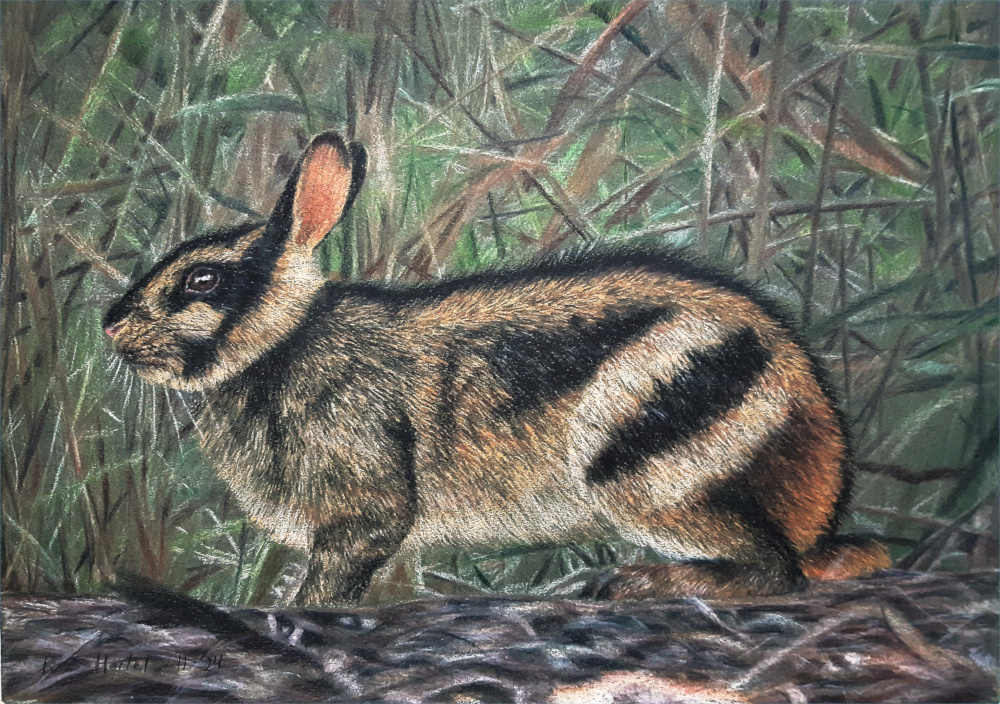
Deep inside the mountains of Sumatra, the striped rabbit has become one of the least photographed mammals on Earth. As stated by National Geographic, it has only been confirmed on camera a handful of times in the last two decades, even though researchers know exactly where it should live. The forest keeps shrinking and this rabbit’s numbers shrink with it, yet its disappearance gathers little public attention compared to larger animals on the same island.
This kind of extinction unfolds in a whisper. A hillside is cleared, a patch of undergrowth dries, and a species that barely left records begins to vanish. Scientists worry that by the time global awareness catches up, the rabbit may already functionally disappear, held together only by scattered individuals unable to rebuild a stable population.
2. The Honduran emerald hummingbird is losing the last scraps of habitat.
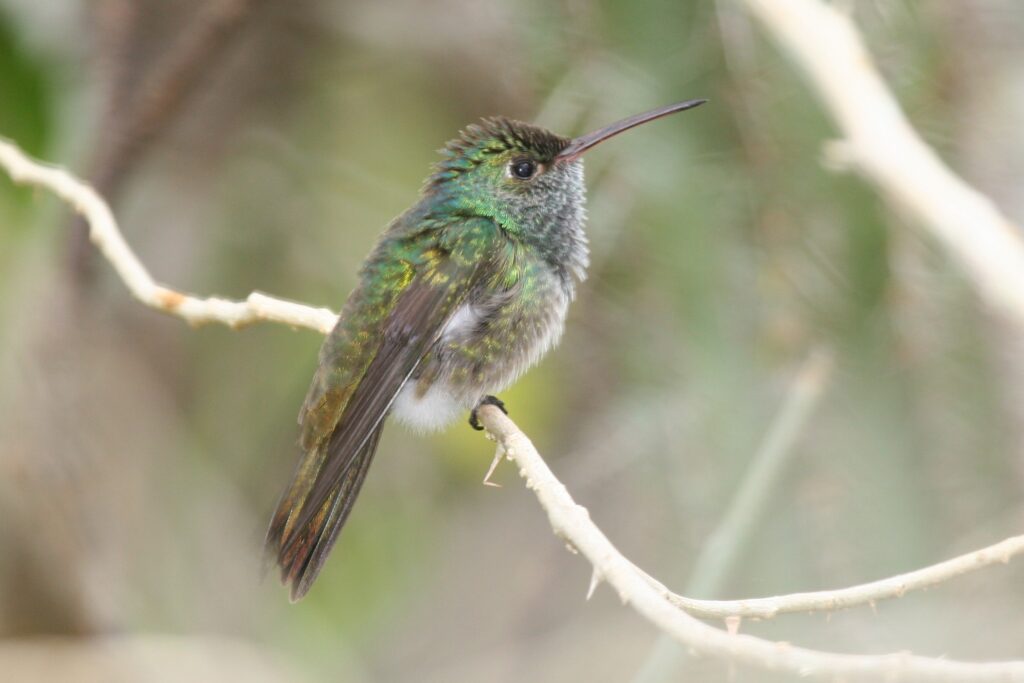
In the dry forest valleys of Honduras, the emerald hummingbird now survives in only a few isolated pockets. According to the Smithsonian, these forests once stretched far beyond the present fragments but agriculture and development carved them apart. The bird still flashes across the remaining canopy, yet every year the boundaries close in faster than recovery can occur.
Its future depends entirely on landscapes that have already been segmented into small islands. Flight cannot solve fragmentation when there is nowhere safe to land, and researchers fear the species may soon cross into a decline too steep for captive breeding to counter.
3. The northern sportive lemur hovers on the edge of absence.
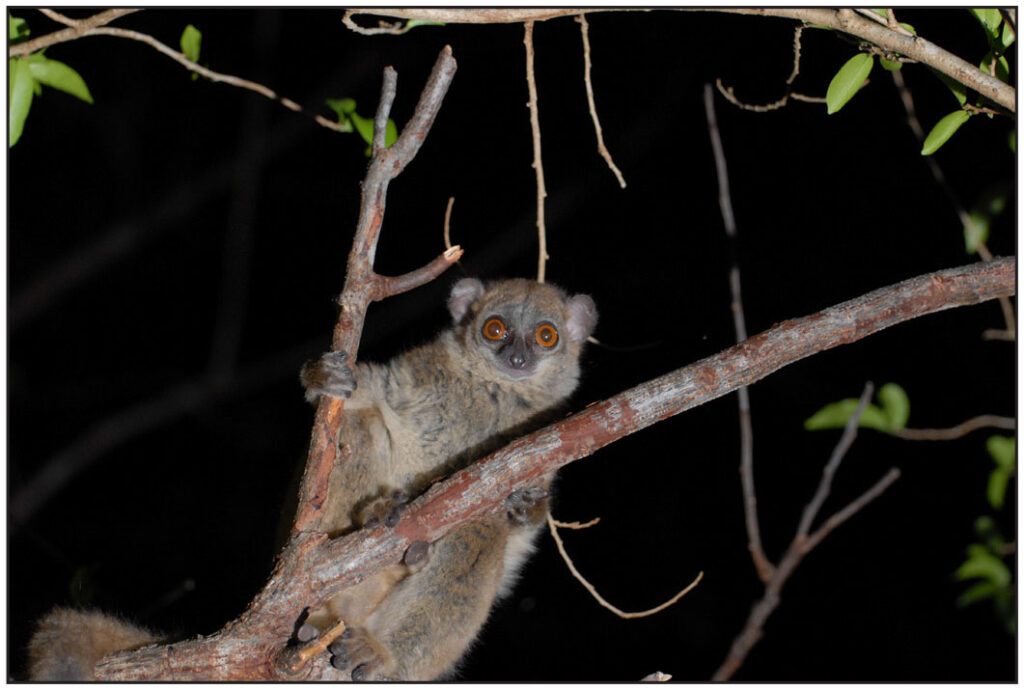
Madagascar’s northern sportive lemur has become one of the rarest primates alive. As reported by the IUCN, fewer than a hundred individuals remain, scattered across dry forests that shrink under logging pressure. The species is so rarely seen that every confirmed sighting becomes a scientific event rather than routine documentation.
The danger intensified once hunting pressure and habitat loss aligned. With such a small population, one bad season or a single wildfire can reset decades of conservation work. Experts warn that this is exactly the pattern that defines quiet extinction, where decline gathers speed only after numbers fall far below recovery thresholds.
4. The Sri Lankan shrub frog family is collapsing in slow motion.
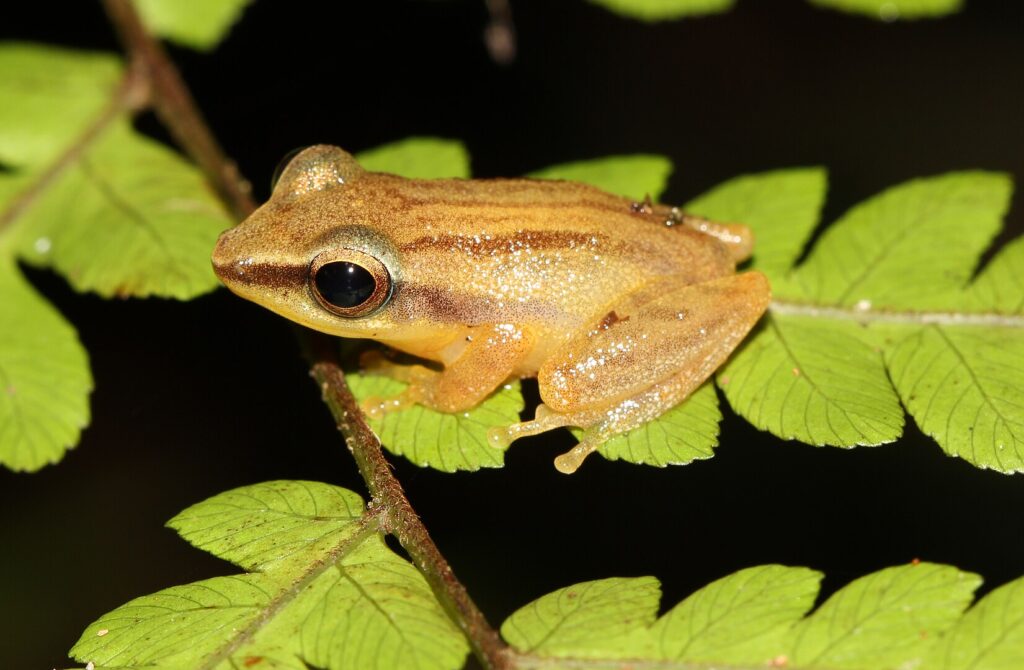
In the cloud forests of Sri Lanka, several shrub frog species have disappeared before most people even learned their names. These amphibians evolved on isolated peaks where each mountain held its own tiny lineage. Once development reached these heights, many species lost their only home. Field biologists describe finding only silence in places where calls were once deafening.
The tragedy is that their ranges were too small to absorb even minor disturbance. Climate shifts added pressure by drying the mist zones they relied on. With few records and scattered populations, their extinctions unfold quietly, unnoticed by the outside world until surveys reveal empty branches.
5. The saola remains a ghost in Vietnam’s forests.

Often called the Asian unicorn, the saola has not been documented in the wild for years. The dense forests of the Annamite Range mask its presence, and snares set for other animals remove its numbers long before researchers can intervene. Conservationists work through remote camera traps, hoping for proof that clusters still survive.
What makes the saola’s situation harrowing is its complete invisibility. A species can disappear without anyone witnessing the final moments. Each passing year increases the risk that the saola already crossed a biological threshold from which it cannot return.
6. The Pernambuco pygmy owl has slipped from daily observation.
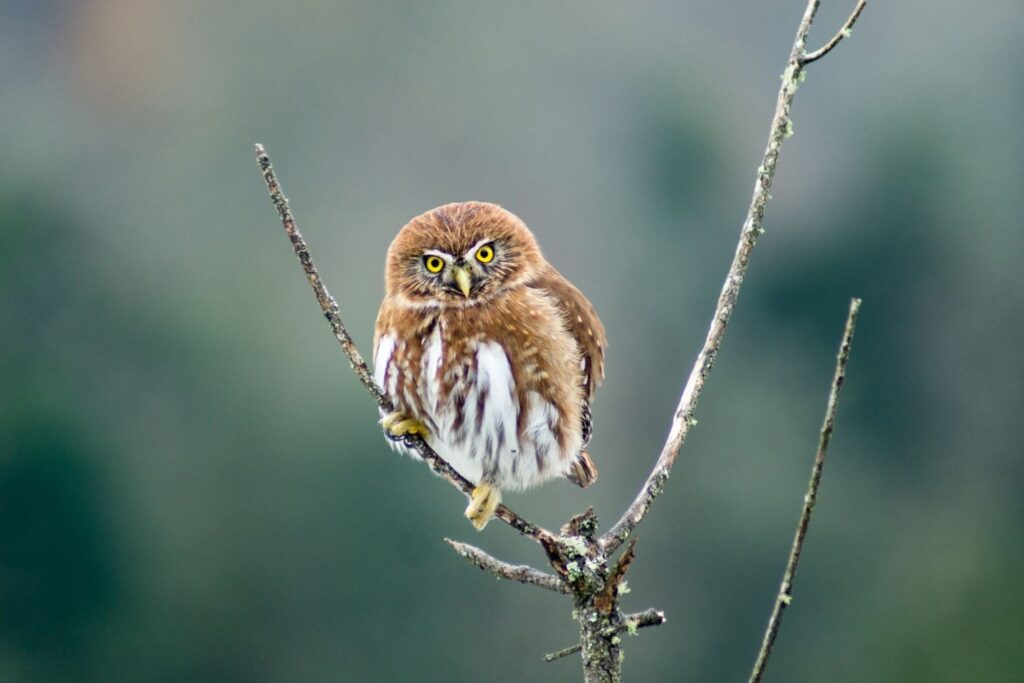
In the remnants of Brazil’s northeast forests, this tiny owl survives in some of the most fragmented habitats on the continent. Once logged for centuries, the Atlantic Forest retains only fragments of the canopy the species once depended on. Ornithologists report fewer calls, fewer sightings and fewer breeding territories each season.
Owls are often resilient, but this one evolved inside a specialized pocket of ecosystem stability. Fragmentation makes every territory a gamble. If enough pockets collapse, the species may fade before population mapping can catch up.
7. The Javan warty pig faces mounting pressure from all sides.
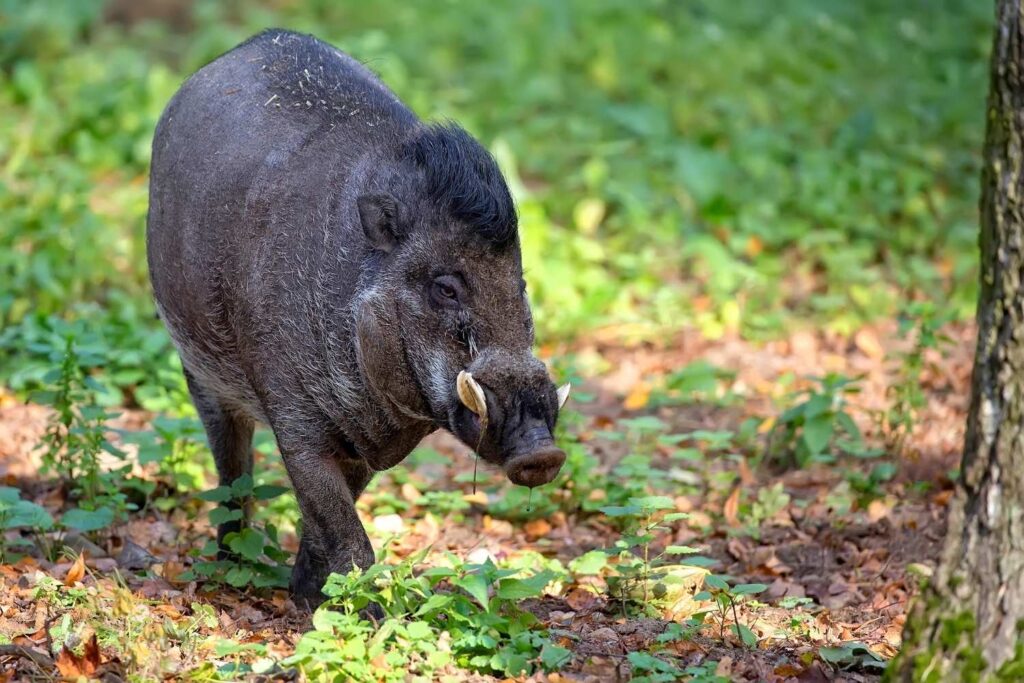
Java’s forests have been subdivided for agriculture, removing the landscape complexity this pig once relied on. Hunting intensified as local communities adapted traditional practices to shrinking land availability. The combination pushed the species into a narrow strip of surviving habitat.
Researchers say the danger now comes from isolation. Once small populations are boxed in by farms and roads, genetic diversity drops quickly, and recovery becomes almost impossible without intervention. This quiet decline has all the hallmarks of an extinction forming out of sight.
8. The Palawan forest turtle is barely holding on.
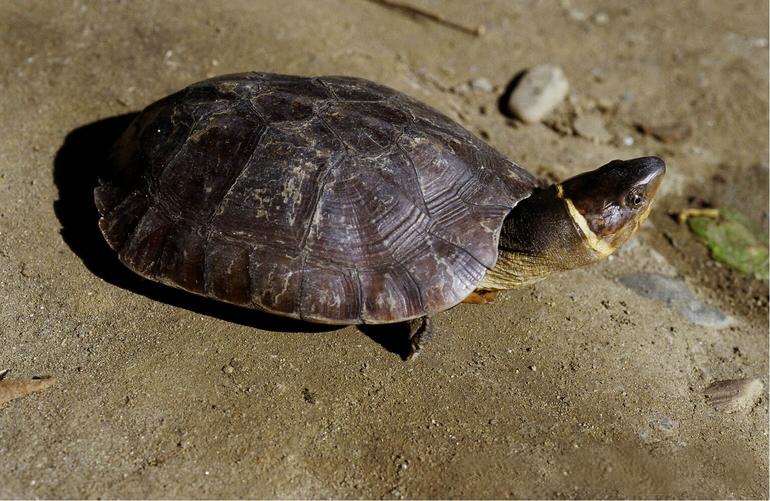
The Philippines hosts some of the most threatened forest reptiles in the world, and this turtle sits near the top of that list. Illegal wildlife trade removed thousands from the wild before most people even knew the species existed. Though rescues occur, the forest pockets it once occupied continue to shrink.
Its survival depends on water quality and dense understory, both of which decline as forest pressure increases. Conservationists describe this species as a warning case, where obscurity itself becomes the main barrier to saving it.
9. The Mount Oku rat has become nearly impossible to find.
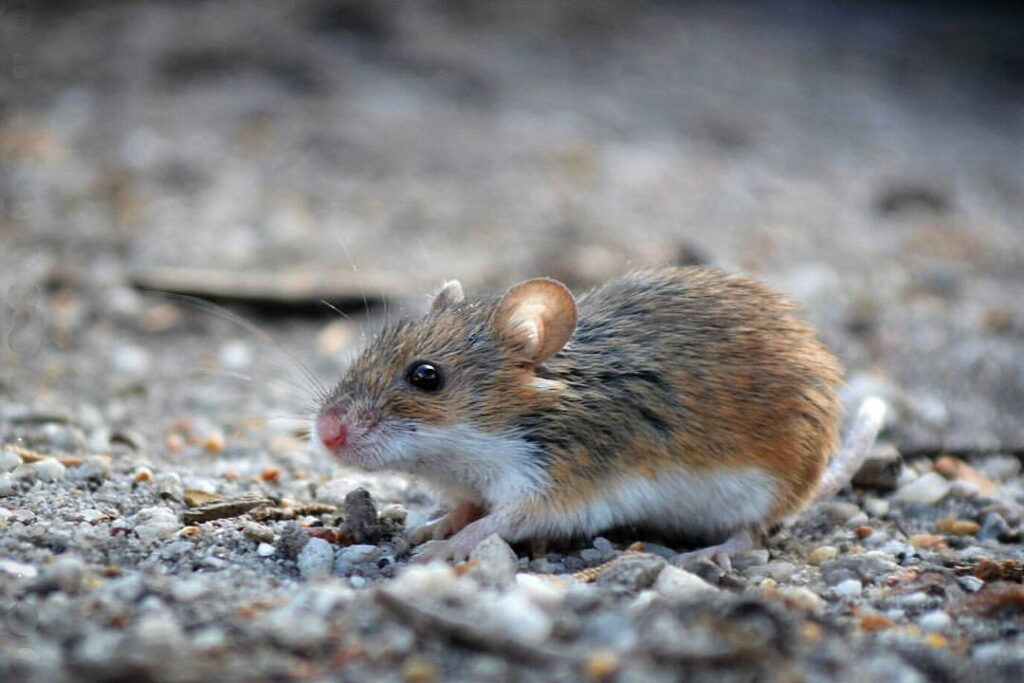
On a single volcanic mountain in Cameroon, this species hangs on in forests surrounded by human expansion. Logging roads, firewood collection and crop expansion chip away at every direction the rat could retreat. Surveys now find fewer signs than ever before.
Small mammals disappear silently because their absence is easy to miss. The danger is not dramatic but steady, a pressure that grows each year until nothing remains except outdated field notes of a creature that once shaped the ecosystem.
10. The Sangihe shrike thrush drifts toward functional extinction.
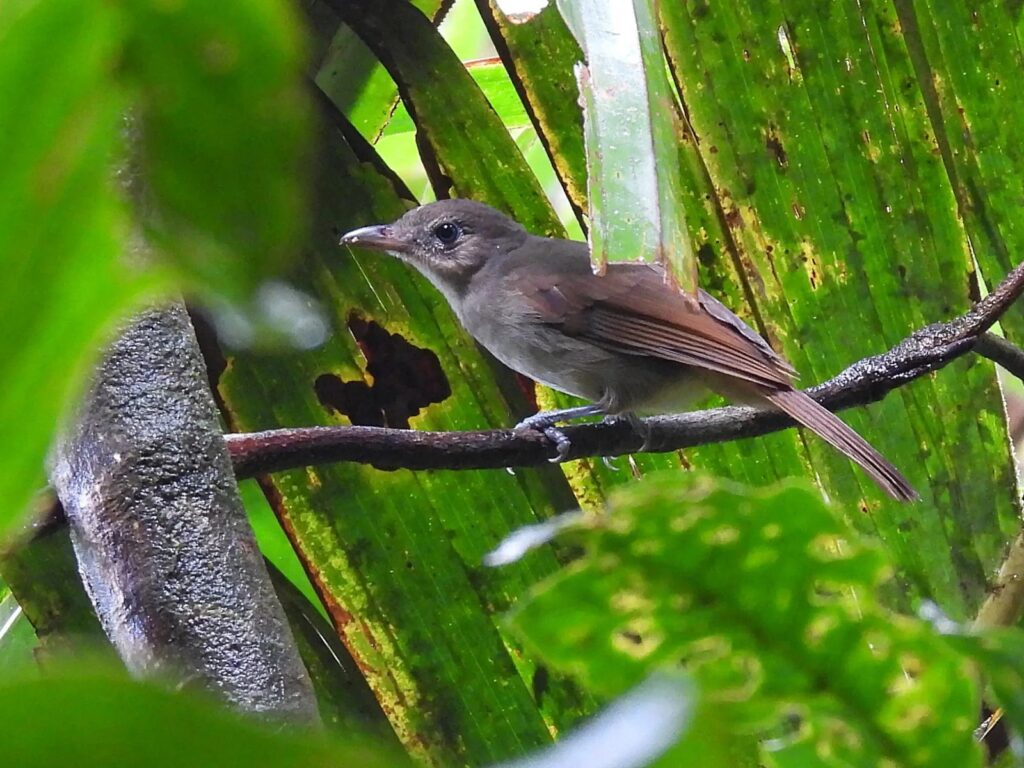
On Sangihe Island in Indonesia, this songbird depends entirely on a dwindling patch of highland forest. Much of the island has been converted to settlements and farms, leaving the species stranded above the lowlands. Conservationists warn that almost every remaining bird may belong to the same shrinking lineage.
With so few individuals left, population collapse can happen in a single storm season. The forest may appear green from afar, but inside, the ecological web is fraying bird by bird.
11. The bonin flying fox survives only through extreme effort.
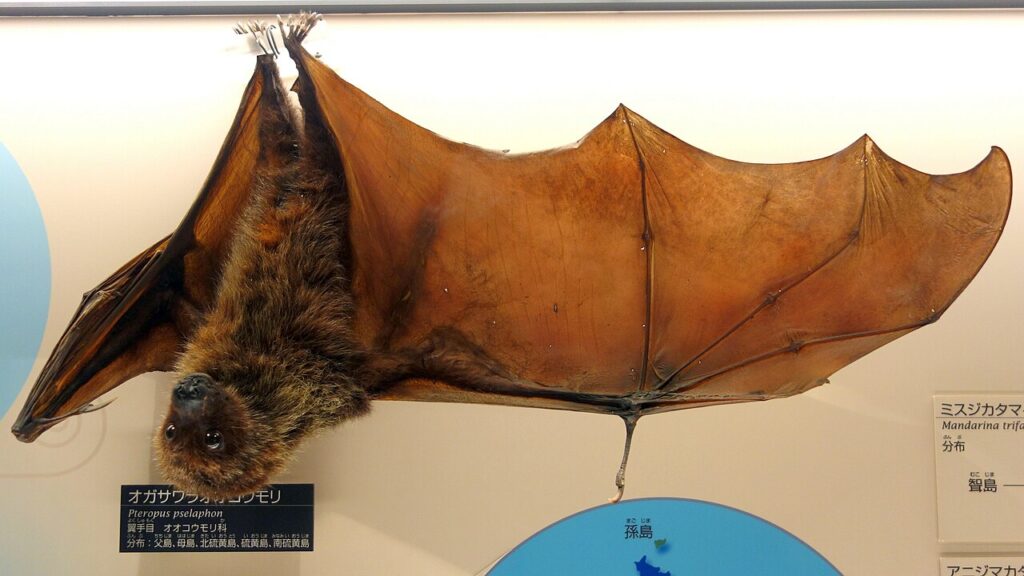
This bat from the Ogasawara Islands of Japan has faced storms, habitat loss and invasive predators for decades. Recovery programs hold its numbers above collapse, yet each hurricane season resets progress. The species lives in a precarious space between survival and disappearance.
Its story reflects a larger global pattern. Many forest species survive only because dedicated teams intervene year after year. Without constant support, these quiet extinctions would accelerate, leaving ecosystems emptier long before the wider world notices.