
A few simple swaps can improve your rabbit’s health
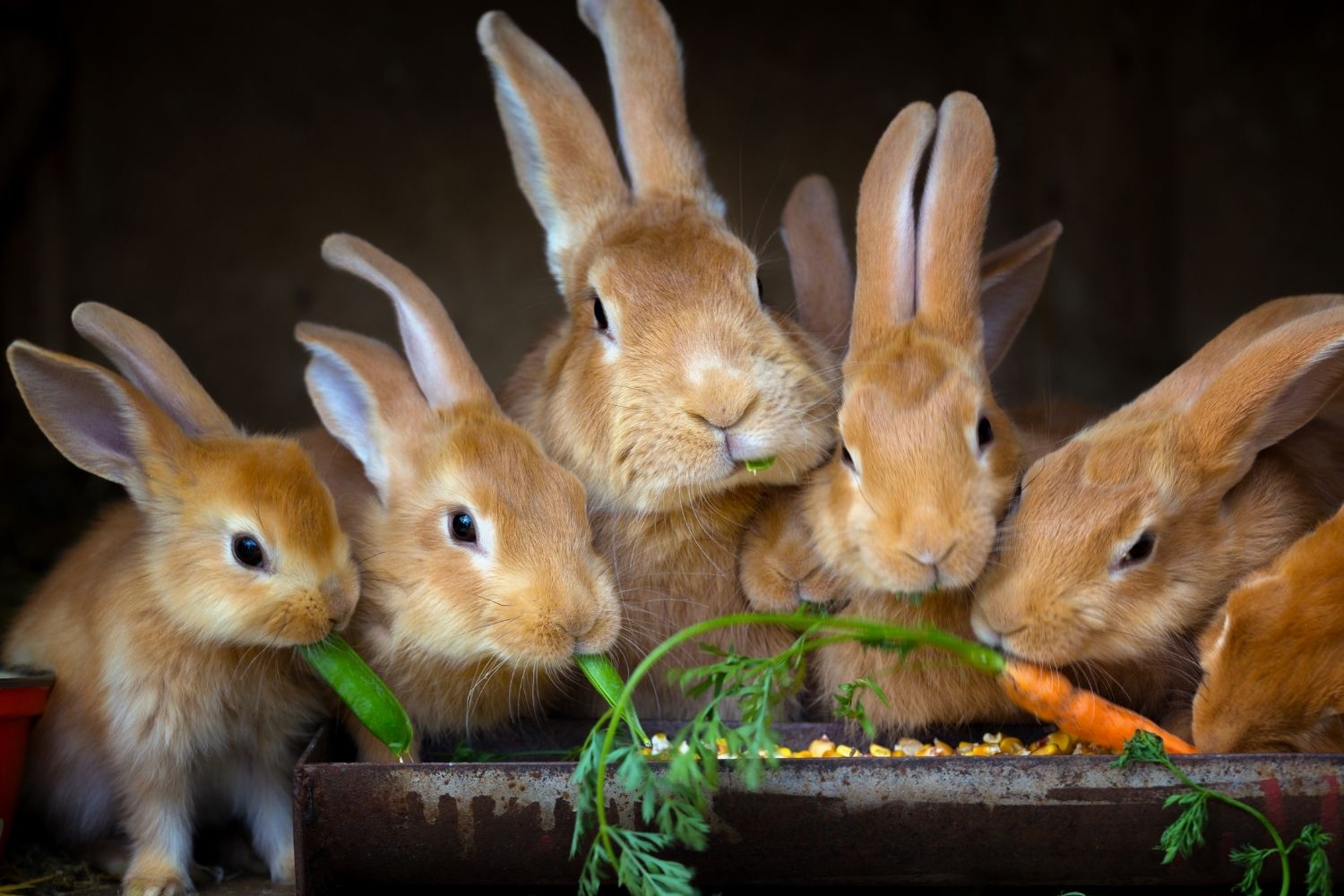
Feeding your rabbit the wrong foods can lead to digestive issues, weight problems, and long term health risks that are often overlooked. While hay should always be the foundation of their diet, fresh fruits and vegetables play an important role when chosen carefully. The challenge is that not all produce is equally safe, and some options that seem healthy can actually cause problems if given too often. Understanding which foods to offer, and how much to give, can make a significant difference in your rabbit’s energy, digestion, and overall well being over time.
1. Leafy greens like romaine lettuce are a healthy everyday option

Romaine lettuce is a perfect staple for your rabbit’s diet. It’s low in calories, rich in fiber, and provides a good source of hydration. Just be sure to skip iceberg lettuce, which lacks nutrients. Offering fresh, crispy romaine daily keeps your bunny’s digestive system running smoothly and makes for a tasty snack. Rinse the leaves well to remove any residues before serving. Pair it with other leafy greens to give your rabbit a more balanced and varied diet.
2. Carrots are a sweet snack, but only in small amounts

Although carrots are a classic bunny treat, they should be given sparingly due to their high sugar content. A small slice now and then is perfect for satisfying your rabbit’s sweet tooth without overdoing it. Carrots provide beneficial vitamins and are a fun, crunchy snack that your rabbit will happily nibble on. Too much can upset their digestion or lead to weight gain over time. Keep portions small and occasional, treating carrots more like a dessert than a daily staple.
3. Strawberries are a sweet indulgence your bunny will love

Strawberries are safe for rabbits and make for a delicious occasional treat. They are rich in vitamins and antioxidants but contain natural sugars, so limit them to a few small pieces. Your rabbit will love the sweet taste, and you’ll love how happy they are! Be sure to wash them thoroughly and remove the leafy tops before serving. Offer strawberries only once in a while to keep your rabbit’s diet balanced and digestion on track.
4. Parsley adds a tasty and nutritious punch to your rabbit’s meals

Parsley is a flavorful herb packed with vitamins K and C, making it a fantastic addition to your rabbit’s diet. Offering a small handful of parsley gives your bunny a nutritional boost, and the fresh, fragrant taste will quickly become a favorite. Just make sure to offer it in moderation. Too much can contribute to excess calcium intake, which may lead to health issues over time. Rotate parsley with other leafy greens to keep your rabbit’s meals balanced and varied.
5. Bell peppers are packed with vitamins and hydration
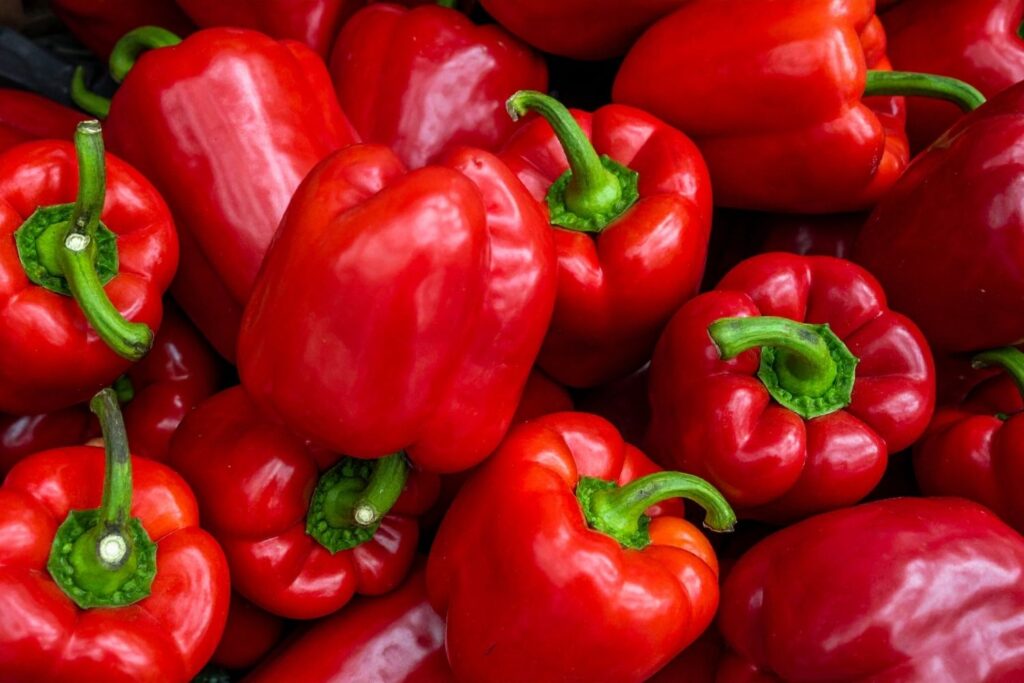
Bell peppers are a colorful, crunchy option that adds vitamins A and C to your rabbit’s diet. These veggies are also high in water content, helping to keep your bunny hydrated. Whether red, yellow, or green, bell peppers are a nutritious, low-calorie snack your rabbit will enjoy. Be sure to remove the seeds and core before serving to make them easier to digest. Introduce them gradually and rotate with other fresh foods to keep your rabbit’s diet balanced.
6. Blueberries make a fun, antioxidant-rich treat
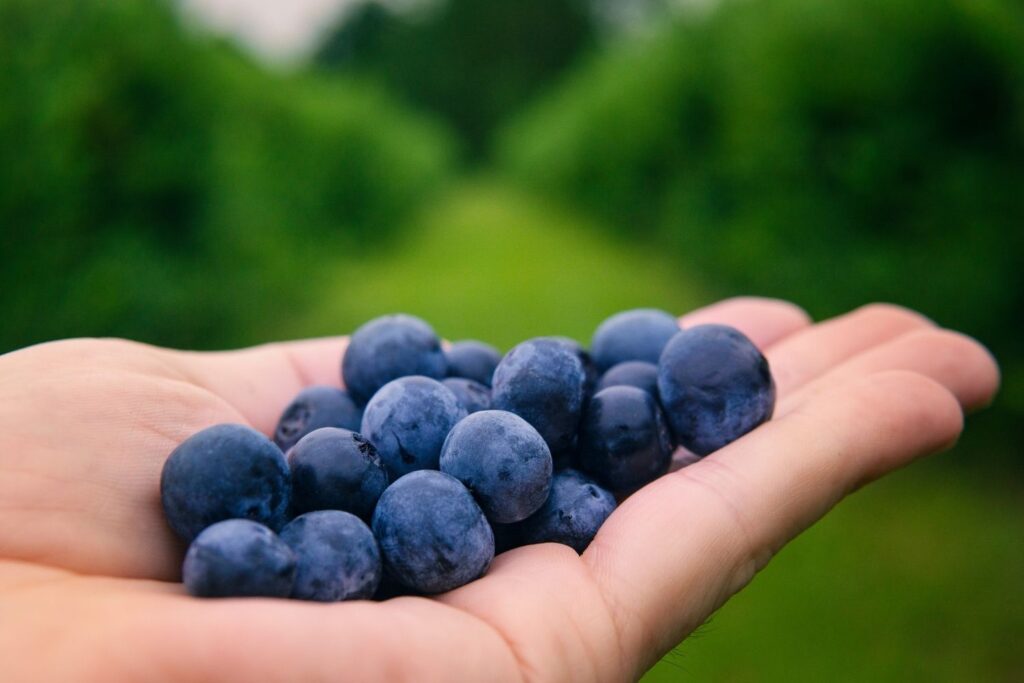
Blueberries are safe for rabbits and make a delicious, bite-sized snack. These little fruits are packed with antioxidants and vitamins, but their sugar content means they should be given in moderation. Offering a few blueberries every once in a while will make your bunny hop with joy while supporting their health.
7. Cucumber is a refreshing, hydrating snack for your bunny
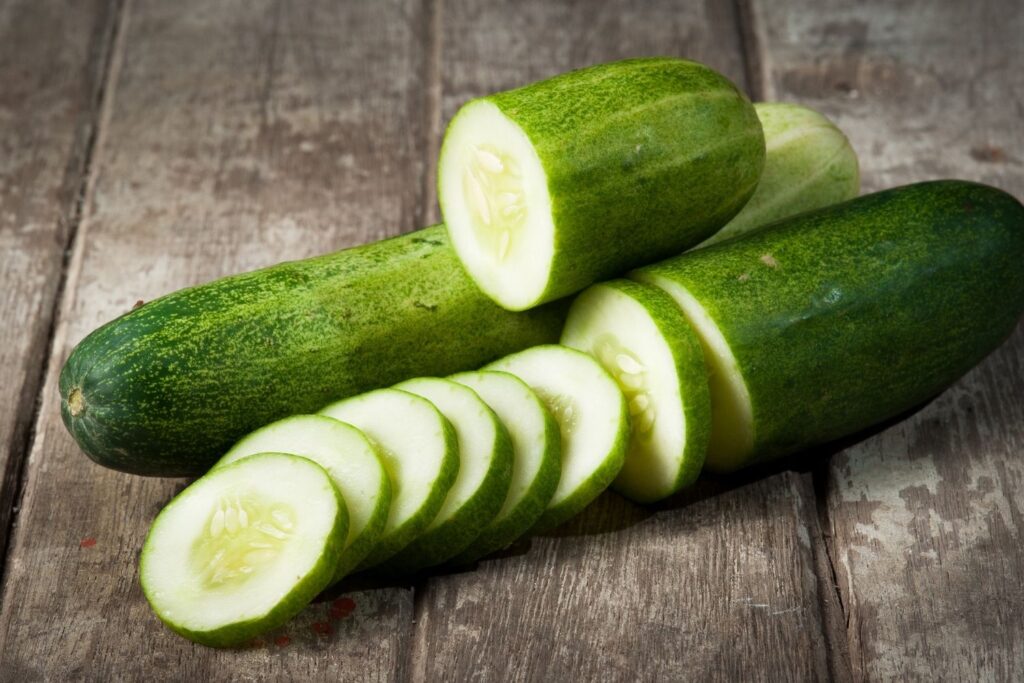
Cucumber slices are a perfect hydrating treat for your rabbit, especially in warm weather. Low in calories and full of water, cucumber helps keep your bunny cool and refreshed. Just be sure to remove any seeds before serving, as they can be tough for rabbits to digest. Offer thin slices to make it easier for your rabbit to chew and enjoy. As with any treat, keep portions small to avoid upsetting their sensitive digestive system.
8. Kale provides a hearty dose of vitamins and minerals
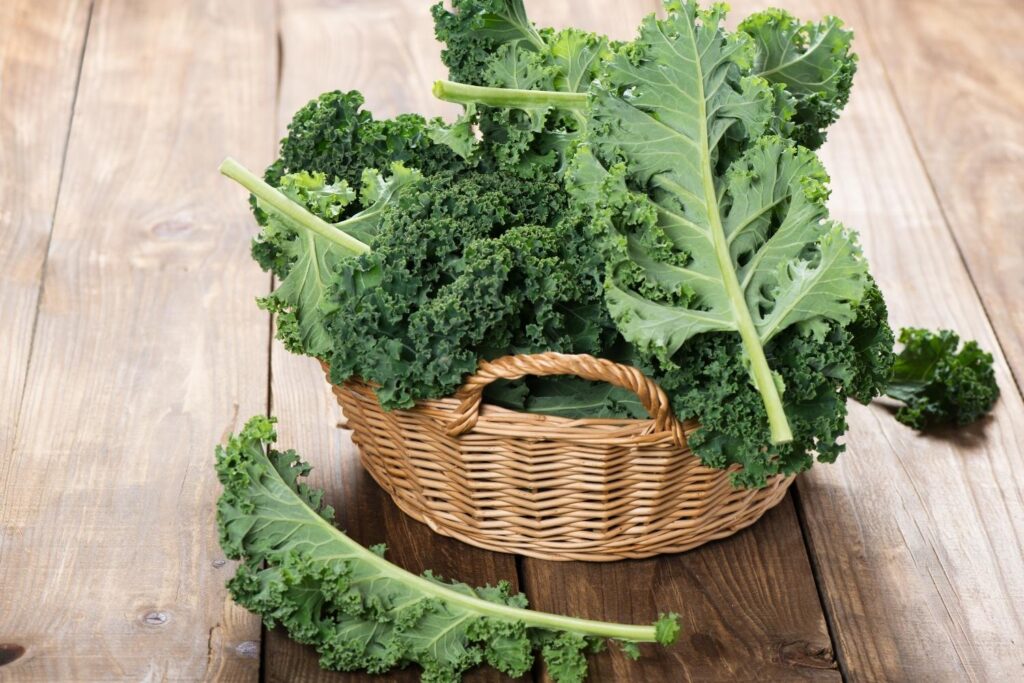
Kale is a nutrient-dense vegetable loaded with fiber, calcium, and vitamins A, C, and K, making it a great choice for your rabbit. Its rich texture and earthy taste will be a hit with your bunny, but remember to serve kale in moderation to avoid overloading their diet with calcium. Too much can lead to digestive issues or contribute to bladder problems over time. Mix it in with other leafy greens to keep your rabbit’s diet balanced and varied.
9. Basil provides a flavorful, nutrient-packed option

Basil is another herb that rabbits can safely enjoy. It’s aromatic, flavorful, and packed with vitamins A and K. A few leaves of fresh basil can brighten up your rabbit’s meal and provide a burst of nutrition. Plus, the fresh scent is likely to get your bunny excited for snack time. Just keep portions small so it stays a treat, not a main food. Wash the leaves thoroughly and introduce it gradually to make sure it agrees with your rabbit’s digestion.
10. Apples are a crunchy, fiber-rich snack, just hold the seeds
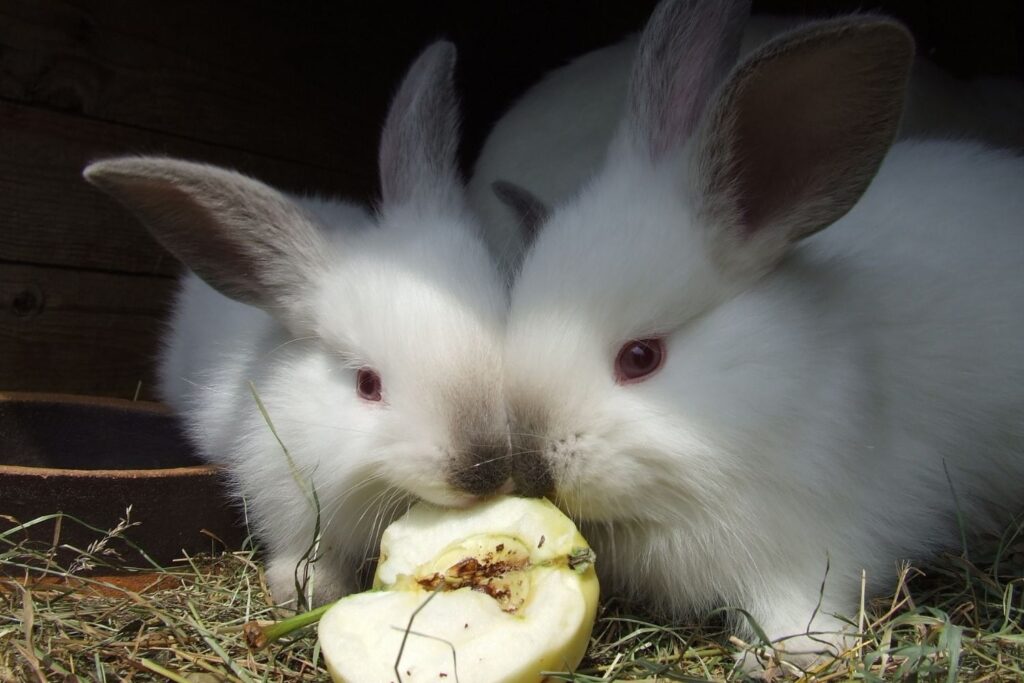
Apples are safe for rabbits, but you’ll want to remove the seeds and core before serving. They’re a good source of fiber and vitamins, making them a crunchy, tasty snack. Offer your bunny a small slice of apple now and then for a sweet and nutritious treat! Too much fruit can upset their digestion, so keep portions small and occasional. Always introduce new foods slowly so you can watch for any changes in behavior or appetite.