
That masked visitor may be doing more good.

Seeing a raccoon in your yard can trigger alarm, frustration, or an urge to intervene. Homeowners worry about damage, disease, or nuisance behavior, especially in suburbs where wildlife feels out of place. But removing a raccoon is rarely simple and often backfires in unexpected ways. Ecologists and wildlife officials warn that forcing animals out can disrupt ecosystems, spread conflict, and even create legal trouble. What looks like a problem animal may be stabilizing your property in ways to miss often.
1. Removing one raccoon often invites several replacements.
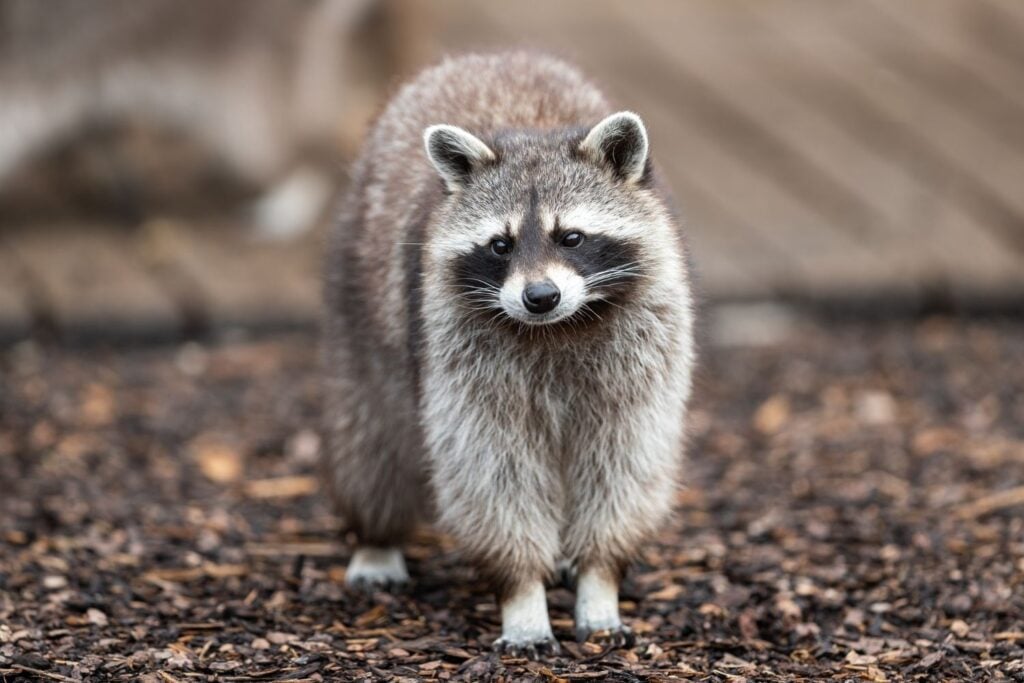
Chasing a raccoon away can feel like solving a problem. The yard goes quiet, the mess stops, and relief sets in. Then weeks later, signs return, sometimes worse. New animals appear, unfamiliar with boundaries. The cycle repeats, escalating frustration rather than resolving it.
Raccoons maintain informal territories. When one leaves, others move in quickly. A displaced raccoon creates a vacancy, not a solution. New arrivals may be bolder or more destructive. Keeping a known raccoon is often more predictable than inviting unknown ones.
2. Raccoons control pests you actually do not want.

At first, a raccoon digging in soil or knocking over debris looks like the problem. But when raccoons disappear, other animals often move in. Rodent activity increases, insects multiply, and yards become quieter in ways that are not reassuring. Those changes can attract animals most homeowners fear more than raccoons, including snakes drawn by rising prey populations and undisturbed hiding spots.
Raccoons eat rodents, insects, eggs, and small animals that form the base of the food chain snakes depend on. They will also kill and eat smaller snakes when encountered. By reducing prey and scavenging fallen food, raccoons make yards less attractive to snakes and other unwanted pests, acting as an unrecognized buffer rather than a nuisance.
3. Forced removal increases aggressive encounters nearby.
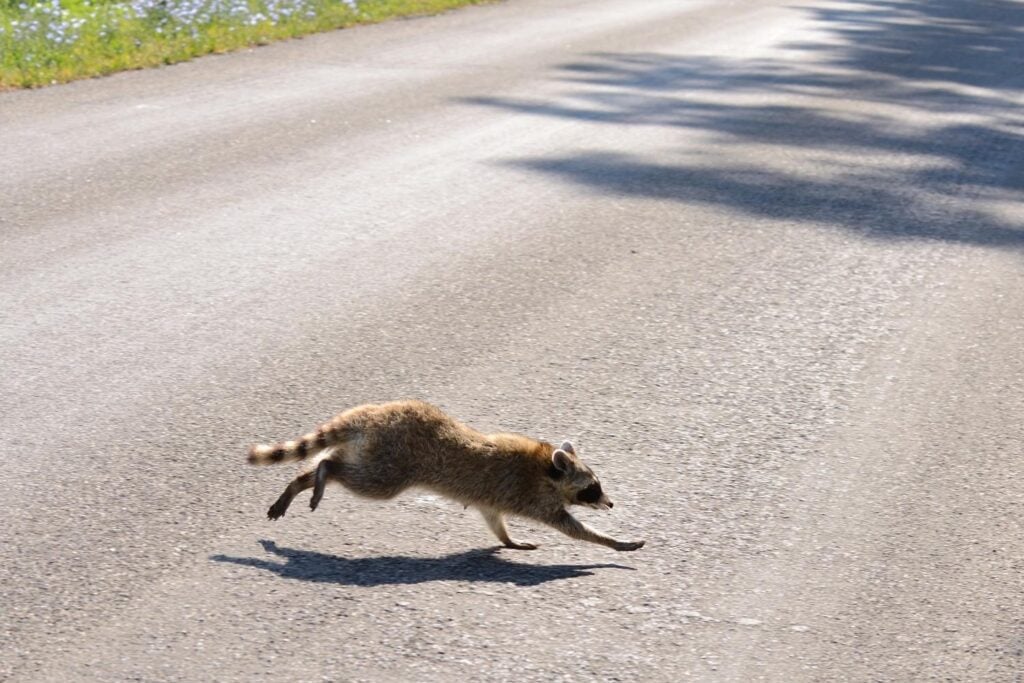
When raccoons are chased or trapped, stress levels rise. Displaced animals behave differently. They take risks, cross roads, and enter unfamiliar yards. This raises the chance of confrontations with pets, children, or drivers. A single removal can ripple outward.
A settled raccoon knows escape routes and safe spaces. It avoids humans when possible. Displacement removes that stability. The animal becomes unpredictable, and neighbors bear the consequences. Stability often reduces conflict more effectively than forced action.
4. Eviction can separate mothers from dependent young.

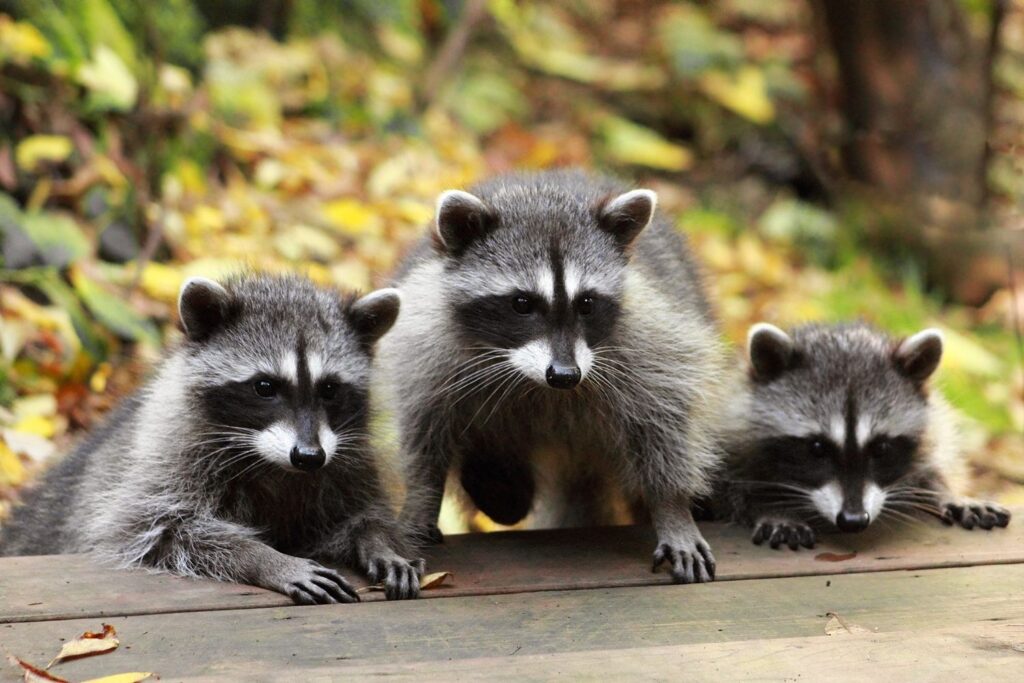
Spring and early summer are especially risky times to intervene. Female raccoons often have hidden dens nearby. Removing an adult may leave young behind. The result is suffering, odor problems, and frantic behavior from the mother trying to return.
Orphaned kits rarely survive without intervention. They may cry, attracting predators or causing distress. Wildlife officials warn that well meaning removals frequently create worse outcomes. Waiting until young disperse naturally avoids unnecessary harm and complications.
5. Many regions restrict or penalize wildlife removal.

Acting on impulse can have legal consequences. Some states and municipalities regulate wildlife harassment or relocation. Fines or penalties can follow improper removal. What feels like private property management may violate local rules.
Laws exist to prevent ecological disruption and animal suffering. Relocated raccoons often die trying to return. Regulations aim to reduce that harm. Understanding local wildlife laws protects both homeowners and animals from unintended outcomes.
8. Raccoons help manage waste and fallen food humans miss.

Food scraps do not disappear just because people stop noticing them. Fallen fruit, spilled birdseed, compost overflow, and discarded packaging accumulate quietly around yards and alleys. When raccoons are removed, that organic waste often remains, attracting insects, rodents, and other scavengers that are harder to deter and control.
Raccoons act as nighttime cleanup crews, consuming what humans overlook. By removing decaying food sources, they reduce odors and secondary pest activity. Their scavenging limits buildup that would otherwise support rats or insects. This role is unglamorous but effective, and removing raccoons can shift the problem rather than solve it.
7. Stress from eviction increases disease and injury risks.
Wildlife stress has biological consequences. Forced displacement elevates cortisol levels. That weakens immune response and increases disease vulnerability. Ironically, removal can raise health risks rather than reduce them.
A stable raccoon is healthier and less likely to behave erratically. Disease transmission risk increases when animals are stressed and mobile. Stability benefits public health more than constant disruption does.
8. Watching raccoons gives kids a rare chance to learn from nature.

For children, observing a raccoon can be an introduction to real wildlife behavior. They see problem solving, adaptability, and the realities of coexistence. These observations happen naturally, without screens or instruction. Few urban settings offer that opportunity.
These moments build respect for animals and ecosystems. Learning from nature firsthand fosters curiosity rather than fear. It also teaches boundaries, observation, and patience. That lesson lasts far longer than the inconvenience of a nocturnal visitor.
9. Coexisting avoids creating larger neighborhood conflicts.
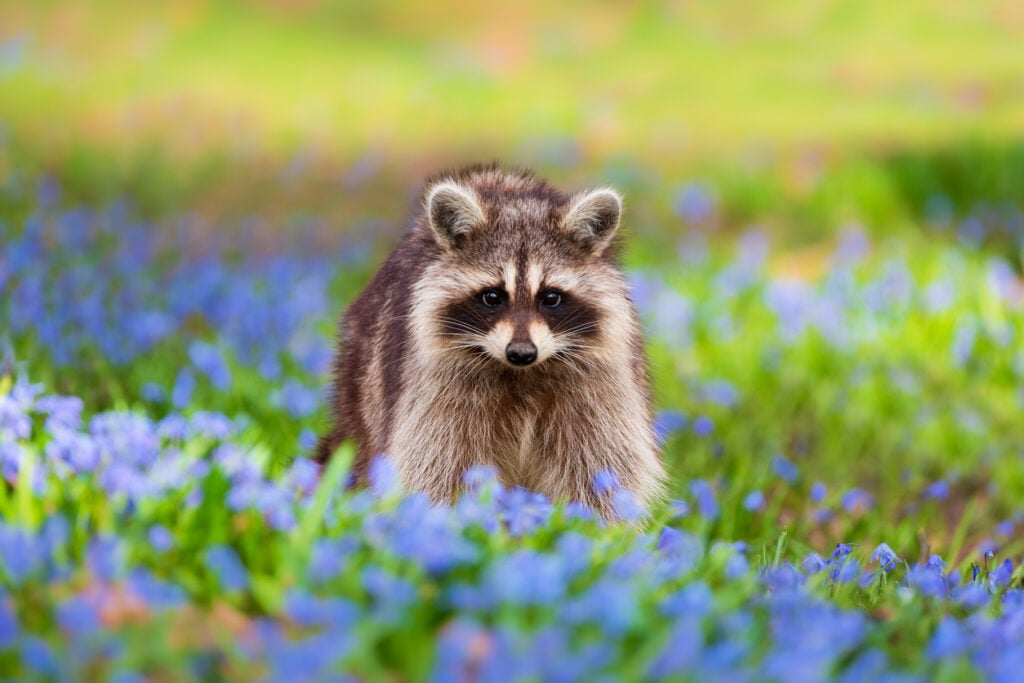
One yard’s solution can become another’s problem. Removed raccoons do not disappear, they relocate nearby. Neighbors may face increased disturbances and tensions rise. Wildlife disputes can strain communities.
Coexistence strategies keep impacts localized and predictable. Education and coordination reduce fear driven responses. A tolerated raccoon often causes fewer problems than a displaced one creating issues across multiple properties.