
Under rare light, the Moon shows something hidden.
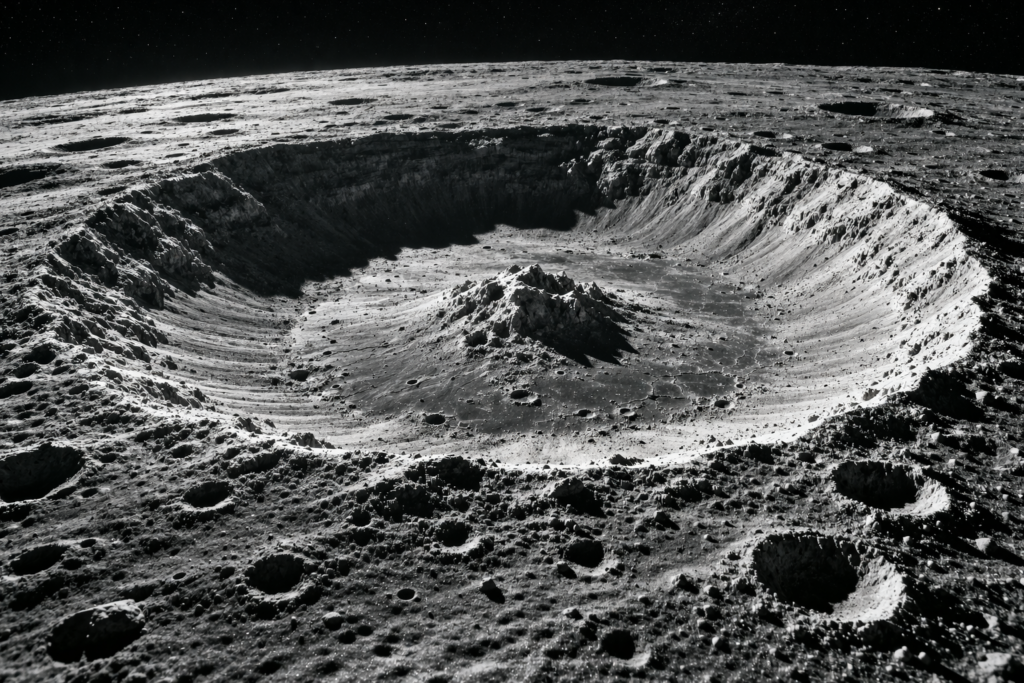
For decades, the Moon has been photographed so extensively that it feels almost overfamiliar, mapped down to details that leave little room for surprise. Yet a recent image has unsettled that assumption. A known feature has appeared in a way few living observers have ever seen, raising questions about what changes when light, timing, and perspective align just right. What looks familiar at first glance begins to feel less certain the longer you look.
1. A familiar crater appears unexpectedly different today.
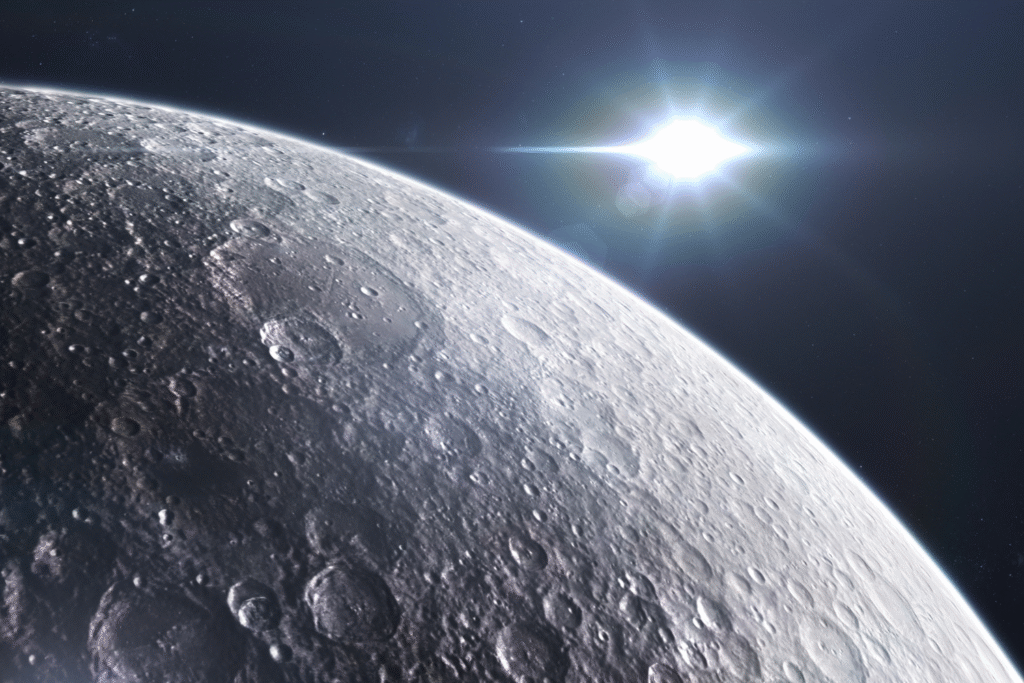
For years, this region of the Moon has been cataloged, studied, and considered well understood. Nothing about its location suggested it would surprise anyone. Yet under rare dawn lighting, the crater’s appearance shifts enough to create doubt about what is actually being seen.
Captured by NASA’s Lunar Reconnaissance Orbiter near the transition between lunar night and day, the crater’s rim and interior were revealed with unusual clarity, according to NASA. The low Sun angle exaggerates relief, turning subtle contours into stark features that had blended into the background before.
2. Light angle transforms what observers believe they see.
Most lunar images are taken when sunlight strikes more directly, flattening the terrain and reducing contrast. Under those conditions, elevation changes become harder to distinguish, leaving complex surfaces appearing deceptively smooth.
During dawn conditions, sunlight skims across the surface, casting long shadows that stretch across ridges and depressions. As reported by Space.com, this grazing light reveals fine details and textures that remain hidden under normal illumination, making the same crater look entirely different depending on when it is observed.
3. Earlier images concealed detail rather than revealing it.
Even high quality historical imagery had limitations tied to timing rather than technology alone. If the Sun’s angle was not ideal, entire layers of terrain detail could be lost in the wash of direct light.
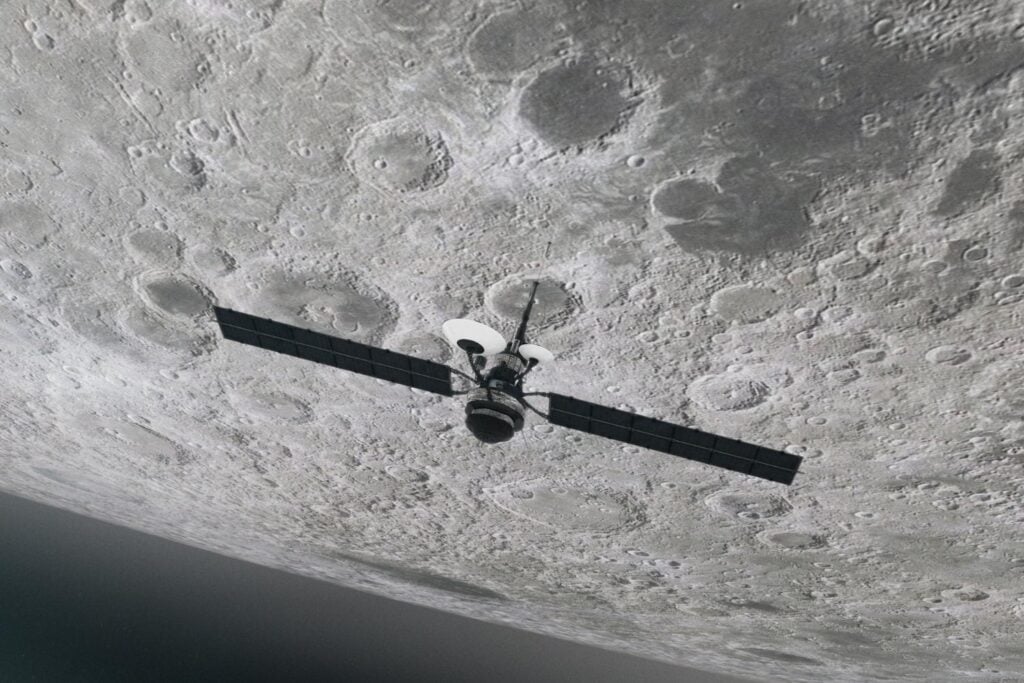
Modern orbital passes are now timed with greater precision, allowing scientists to revisit familiar regions under different conditions, as discovered by researchers connected to the Lunar and Planetary Institute. What once appeared simple now shows ridges, terraces, and subtle variations that were always present but rarely visible.
4. The crater sits where scientists felt confident already.
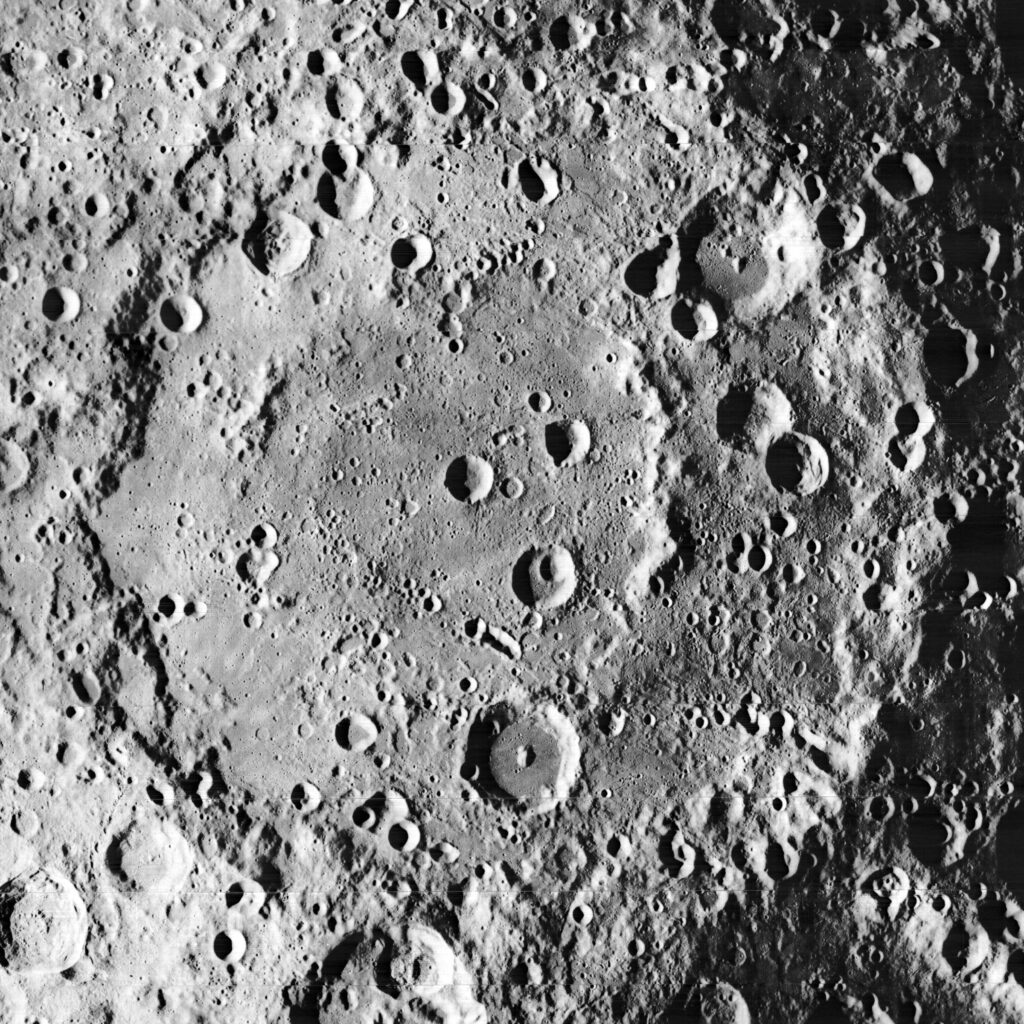
This is not an unexplored corner of the Moon. The area has been mapped repeatedly, analyzed across missions, and considered reliable in terms of its features and structure.
That confidence is what makes the new image feel unsettling. When a familiar landscape presents itself in a way that challenges prior interpretations, it suggests that certainty may depend more on viewing conditions than on the completeness of the data itself.
5. Shadows stretch across terrain in unfamiliar ways.
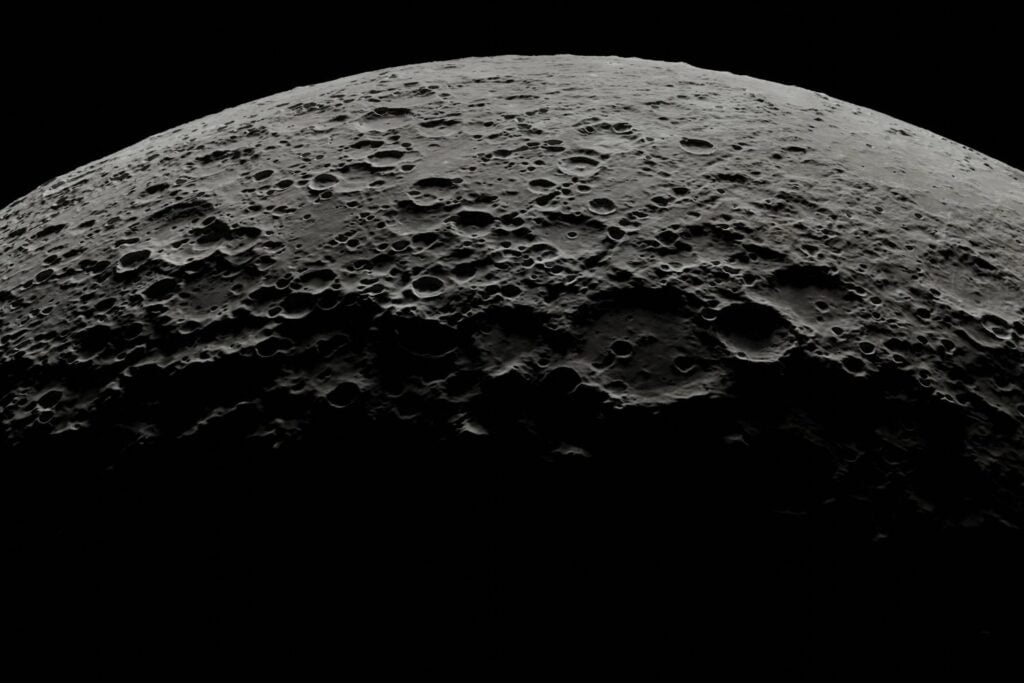
Without an atmosphere to diffuse sunlight, the Moon produces sharp, high contrast shadows that behave differently than anything seen on Earth. These shadows become even more dramatic when the Sun is low on the horizon.
Across the crater, elongated shadows trace the edges of ridges and dip into depressions, outlining structures that were previously difficult to distinguish. The visual effect creates a sense of depth that alters how the terrain is interpreted.
6. Timing turns ordinary passes into rare observations.
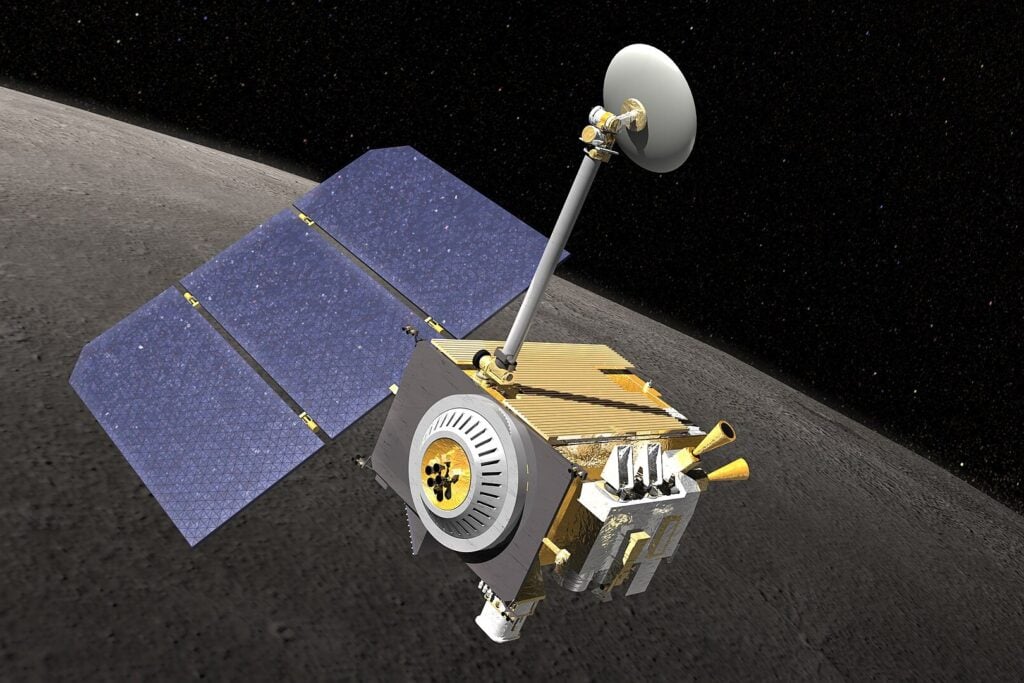
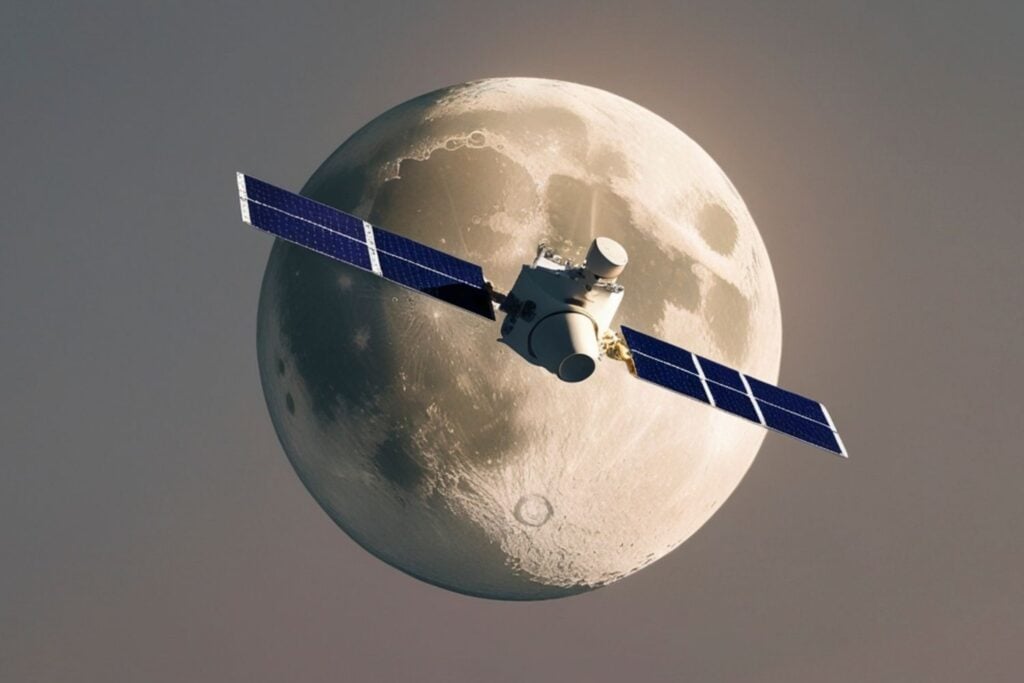
The Lunar Reconnaissance Orbiter circles the Moon regularly, but not every pass captures the same lighting conditions. Certain alignments between the spacecraft and the Sun occur infrequently and are easy to miss.
This image depended on a precise moment when the Sun was just beginning to illuminate the region. Without that alignment, the crater would continue to appear as it had in countless previous images, its more intricate features remaining concealed.
7. Surface textures emerge with unexpected sharpness.
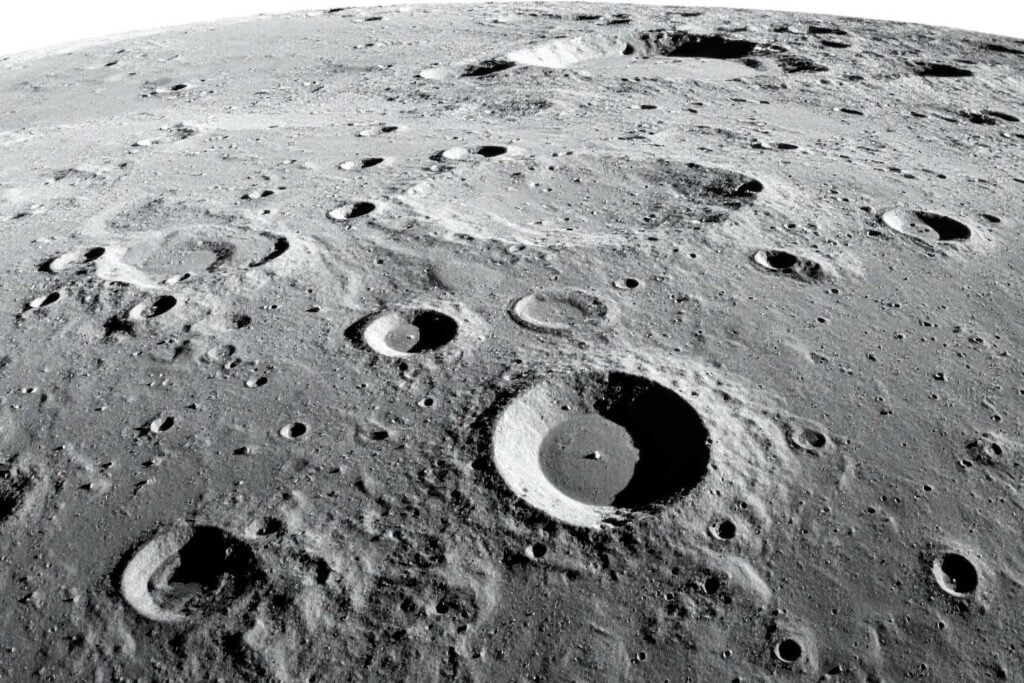
Under standard lighting, the crater’s surface can appear relatively uniform, with few visible distinctions between different sections. This creates a simplified impression of the terrain.
With dawn lighting, fine textures across the crater floor and walls become visible. Small variations in elevation and composition stand out, revealing a level of detail that changes how scientists interpret the structure and history of the feature.
8. Perception shifts faster than the surface ever could.
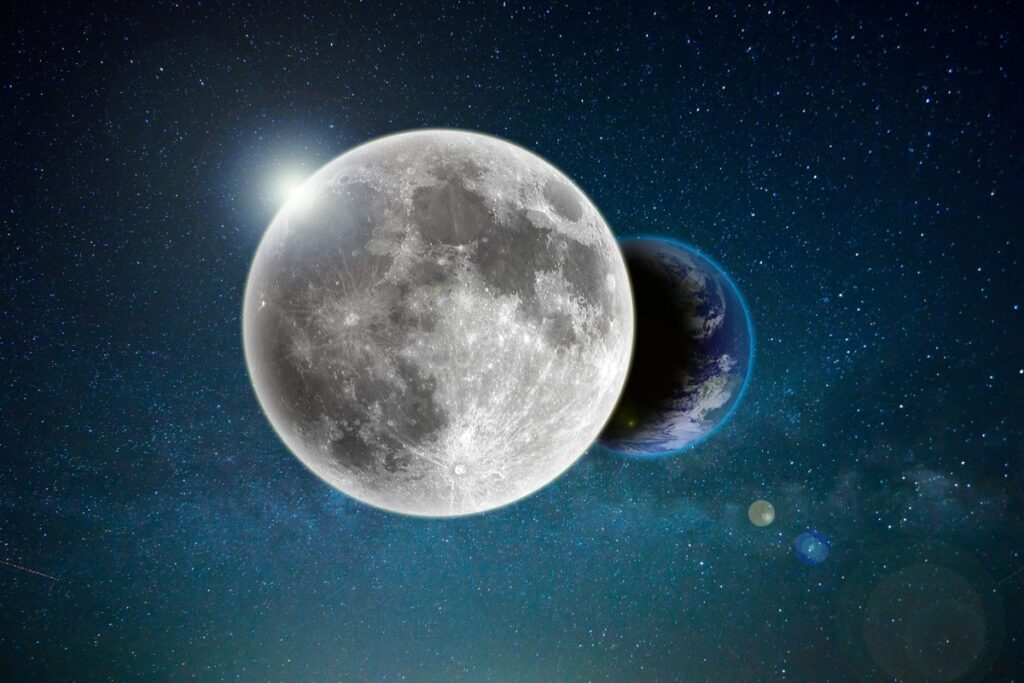
The Moon itself has not undergone any sudden transformation. The change exists entirely in how the surface is perceived when lighting conditions shift.
This contrast highlights how much of what is considered known depends on the context of observation. A single change in light can make a well documented feature appear unfamiliar, even though nothing physical has changed.
9. Repeated observation does not guarantee full understanding.
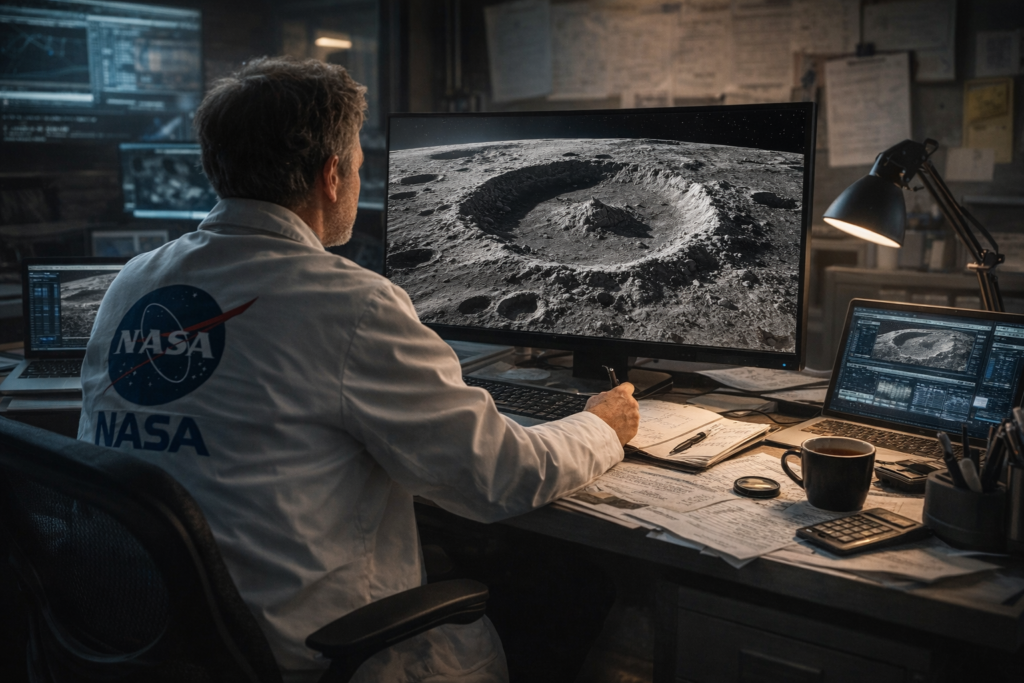
Decades of lunar exploration have produced vast amounts of data, yet certain perspectives remain underrepresented simply because the conditions required to capture them are rare.
This crater’s appearance under dawn lighting serves as a reminder that repeated observation alone does not ensure complete understanding. The quality and context of those observations matter just as much as their frequency.
10. What looks known may still hold hidden depth.
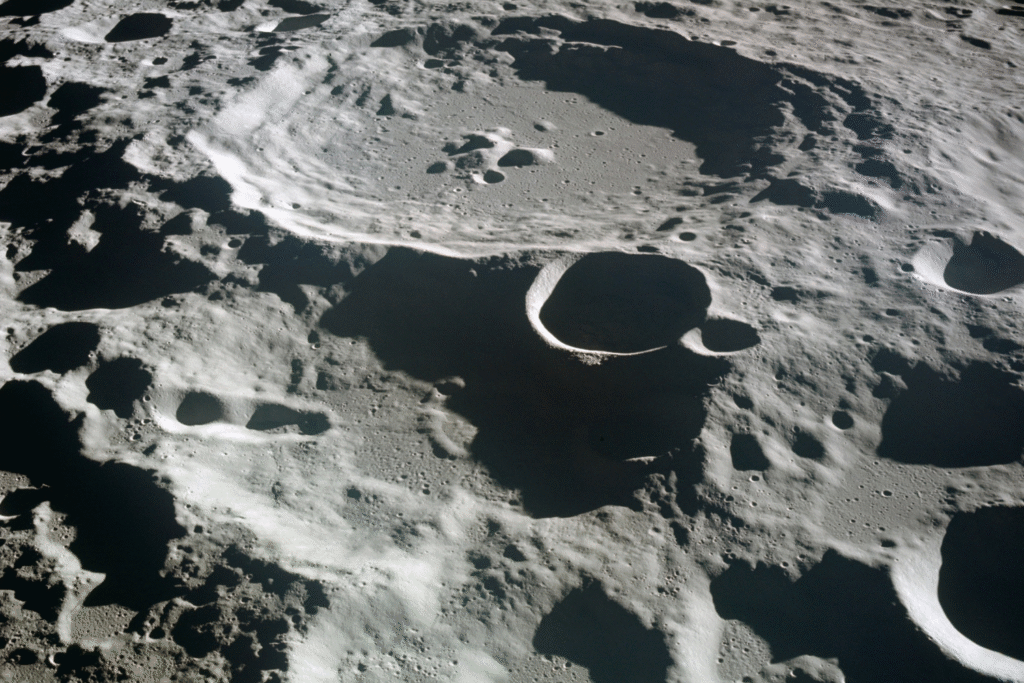
The image does not introduce a new crater, but it alters how an existing one is understood. That shift carries broader implications for how scientists approach familiar environments.
If a well studied feature can reveal new complexity under the right conditions, it suggests that other regions of the Moon may also contain details that have yet to be fully seen, waiting for the precise moment when light reveals what has always been there.