
The gap between expectation and reality has consequences.

It never starts the way you think it will. There’s a moment, somewhere between excitement and routine, when something small doesn’t quite add up. You brush it off at first. Then it shows up again, a little louder, a little harder to ignore. What felt like an easy decision begins to shift shape, and suddenly you’re adjusting your life around something you didn’t fully see coming. By the time it clicks, you’re already in it.
1. That striking Husky look hides a storm you cannot see coming.
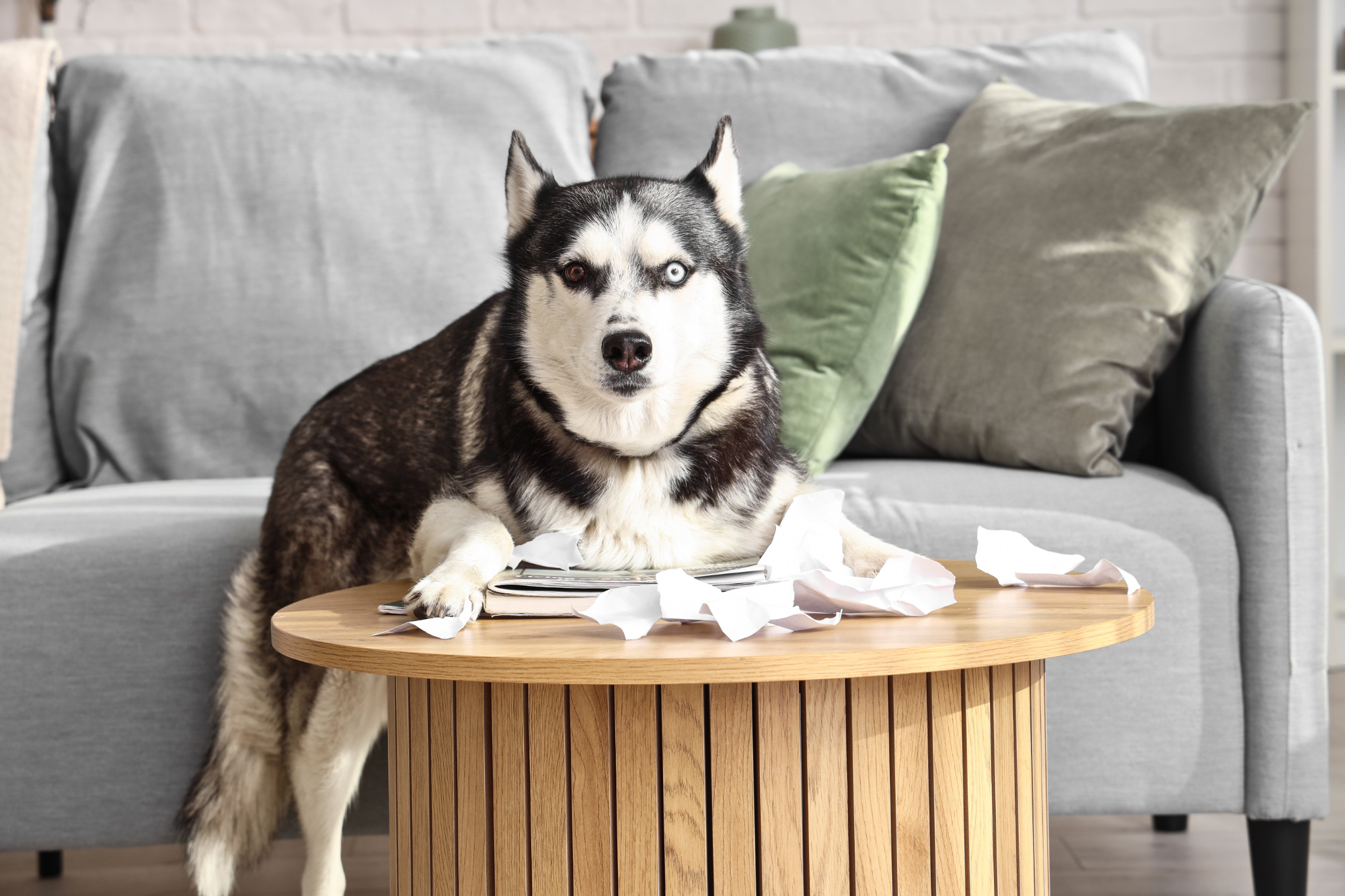
Those ice-blue eyes have a way of convincing people they’re ready for anything. But Huskies were built to run for miles in punishing conditions, not lounge between short walks and weekend errands. As stated by Always Pets, they consistently show up in conversations about breeds people struggle with most, especially in homes that cannot match their pace.
In a smaller space, the tension builds fast. You start noticing the pacing, the vocalizing, the restless energy that never quite settles. Furniture becomes collateral, walls become targets, and suddenly the house feels smaller than it ever did before. It is not bad behavior, it is a dog trying to solve a life that does not make sense to it.
2. A Border Collie will invent its own rules if you don’t give it any.

At first, it feels impressive how quickly they pick things up. Commands stick, patterns click, and there is this sense you brought home something extraordinary. But that intelligence does not sit idle for long, and as reported by Buzzfeed, trainers often warn that without constant mental engagement, Border Collies begin creating their own outlets for that energy.
That is where things shift. The pacing starts, then the hyper-focus on movement, shadows, even people. Kids running across the room can trigger herding instincts that feel more intense than expected. What looked like brilliance at the start slowly turns into something harder to manage, especially when the dog decides it is the one setting the agenda.
3. A Jack Russell Terrier in a quiet home is chaos disguised as cute.

They’re small, yes, but Jack Russells have the energy of five dogs crammed into one. Their working-dog roots make them fiercely independent, driven, and relentless in their need for stimulation. As noted by Country Living, Jack Russells rank high among breeds owners regret, mostly because they misjudge how much effort it takes to keep one happy.
This isn’t a dog that chills by your feet during movie night. It’s a dog that’s chewing your chair legs while plotting a backyard excavation. They’re smart enough to figure out how to open cabinets, and stubborn enough to ignore every rule you try to set. They’re not a handful, they’re two.
4. A Great Dane needs more than a loving home, it needs room to breathe.

Great Danes are called “gentle giants” for good reason, but they’re still giants. These dogs take up physical and emotional space. When forced into a small apartment with tight hallways and limited outdoor access, their well-being starts to fray. According to the Whole Dog Journal, even mellow large breeds like Danes can develop behavioral or health issues when stuck in cramped environments.
It’s not just the turning radius of their bodies. It’s the fact that navigating a tiny kitchen becomes a full-body effort. They knock things over by accident. Their joints suffer on slick floors. And what was meant to be a noble companion can start to feel like a very large, very stressed roommate.
5. Australian Shepherds without structure turn into full-time mental projects.

Aussies are magnetic, bright eyes, bushy tails, and a personality that’s equal parts affection and intensity. But behind that charisma is a breed that was made for herding livestock all day, not sitting quietly while you work a desk job from home. These dogs thrive on complexity, tasks, and engagement, and when they don’t get it, the anxiety hits hard.
They start trying to herd the other pets. They bark at wind. They chew through boredom like it’s their second job. Owners who thought they were getting a loyal, trainable sidekick often realize too late they’ve adopted a working dog who resents being unemployed. It’s not just a mismatch, it’s a lifestyle clash.
6. Dalmatians and toddlers are rarely a peaceful pairing.

These dogs look like cartoon stars, but in real life, they come with a lot of nervous energy and a reputation for being too much for families with little kids. They’re athletic and strong-willed, and they need serious commitment to exercise and structure. Most people who bring them home for their aesthetics don’t realize how much intensity they come with.
When toddlers are grabbing tails and screaming, a Dalmatian’s anxiety can flare. That turns into barking, pacing, and sometimes growling or snapping. They’re not bad dogs, they just don’t mesh well with chaotic little humans. Families expecting a docile, easygoing companion often get overwhelmed fast.
7. A Chihuahua in a rough-and-tumble home becomes a ticking time bomb.

Tiny doesn’t mean easy. Chihuahuas can be anxious, territorial, and fragile, not exactly the life of the party when kids are jumping off furniture or other pets are wrestling nearby. They bond tightly to one person and may not appreciate being passed around like a toy.
What people forget is that these little dogs often think they’re in charge. And without boundaries, they become bossy, reactive, and sometimes aggressive. If your vision was a friendly, portable pup that just slides into family life seamlessly, a Chihuahua may throw a reality check your way very quickly.
8. Grooming demands can take over your daily routine.

Shih-Poos, Cockapoos, Doodles, they’re sold as low-shedding, hypoallergenic wonders, and in some ways, they are. But what no one highlights enough is how intense the grooming commitment is. Regular brushing, scheduled trims, ear cleaning, eye care, it’s a whole calendar worth of upkeep.
If you miss appointments or let the brushing slide, mats form fast. That’s not just messy, it’s painful for the dog and often leads to expensive grooming repairs. People who thought they were getting an easy-to-maintain pet often find themselves overwhelmed and behind within the first month.
9. Beagles rarely meet the silence expectations people have for them.
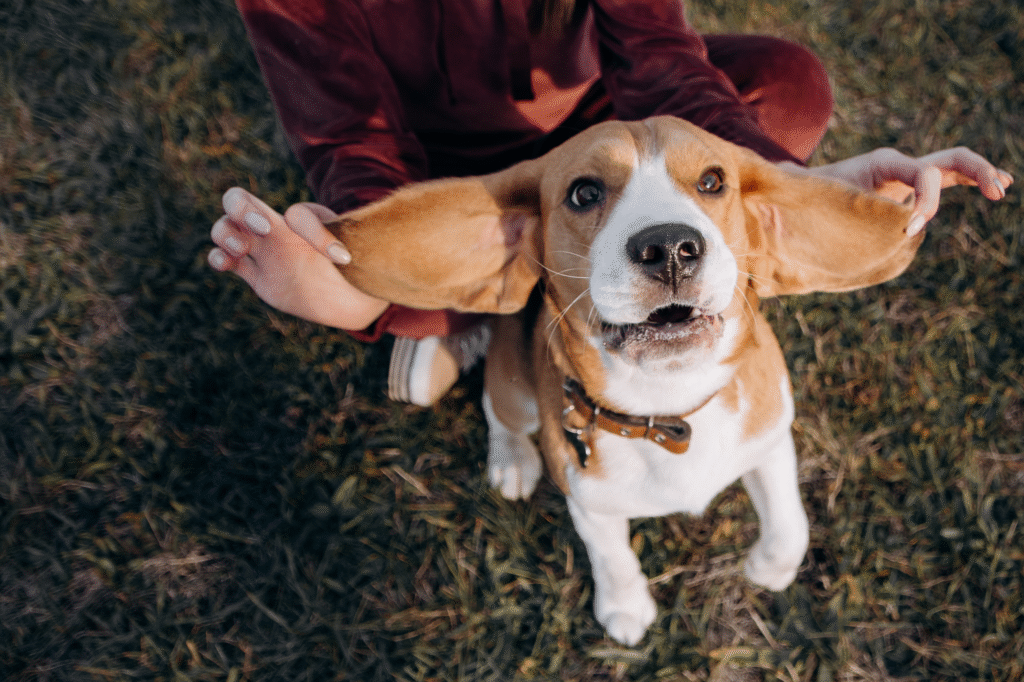
They’ve got floppy ears and sad eyes, which makes them look sweet and quiet. In reality, beagles are vocal, opinionated, and loud. They were bred to hunt in packs, which means they bark, howl, and bay like it’s their birthright, and they don’t care if your neighbors are sleeping.
People hoping for a gentle, low-key companion are often surprised by how persistent their voice can be. They bark when excited, nervous, bored, or just because something smells funny. It’s charming for five minutes. After that, it gets complicated. If you need quiet, you’re not going to find it here.
10. Working breeds in pet-only homes tend to come undone fast.

Belgian Malinois, German Shepherds, and other high-drive working dogs aren’t built for chilling out all day. They need jobs, structure, and someone who knows what they’re doing. Without that, they get frustrated, reactive, and sometimes dangerous. They’re not “bad”, they’re just intense, and that intensity needs a place to go.
People adopt them for protection, looks, or loyalty, but miss the part where these breeds require full-time attention, serious training, and daily purpose. When those needs aren’t met, things unravel. Fast. That’s when regret kicks in, and unfortunately, that’s often when these dogs start bouncing between homes.