
Two unlikely friends show how healing sometimes comes with wings.
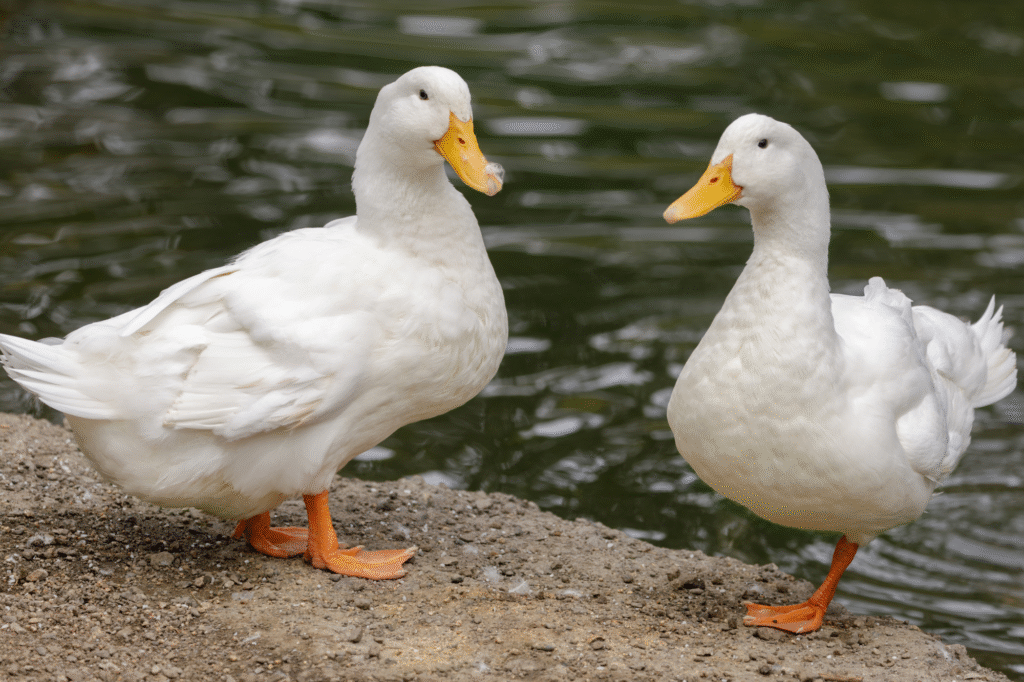
A rescue duck named Sophia had her life flipped upside down after a serious injury, but what happened next feels straight out of an indie film. She found a feathered support buddy named Lemongrass who refused to leave her side. Their friendship became an emotional lifeline, sparking a lot of attention at Farm Sanctuary in upstate New York. The way these two bonded is turning heads, and it’s changing how people think about animal recovery and companionship.
1. A broken leg led to an unexpected friendship.
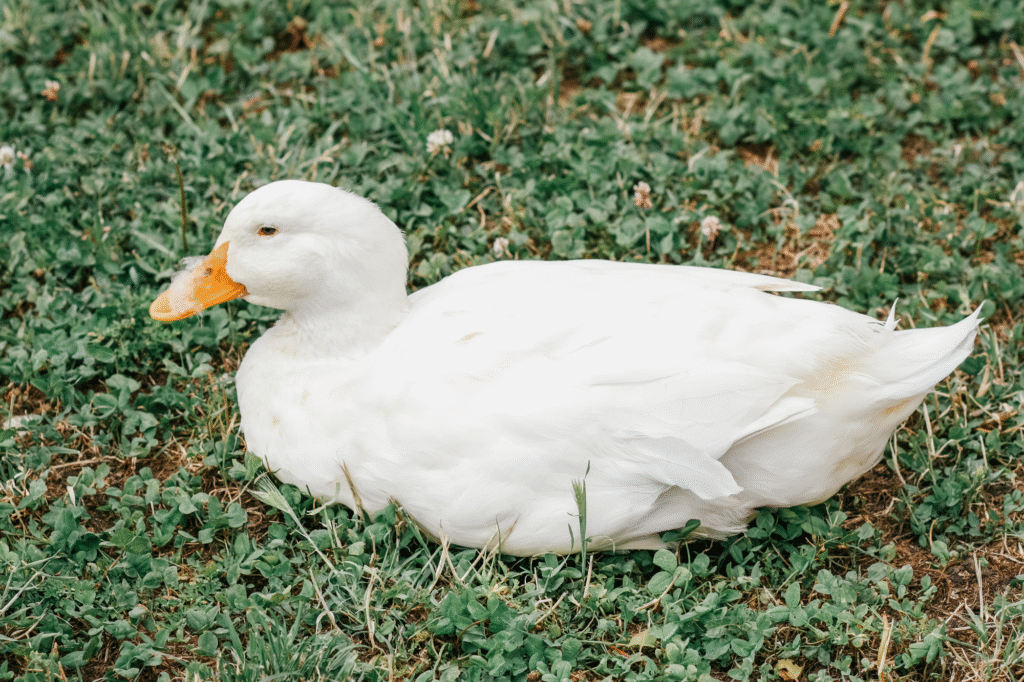
As stated by Farm Sanctuary, Lemongrass came in with a fractured leg and Sophia had just undergone surgery herself. The staff housed them near one another for easier care, and within days, they were inseparable. Ducks are social animals, but what surprised caregivers was how Sophia leaned on Lemongrass emotionally during recovery. She followed him closely and even mirrored his movements, suggesting a deep connection that helped her regain confidence faster than expected.
2. Music sessions built a calm, healing routine.
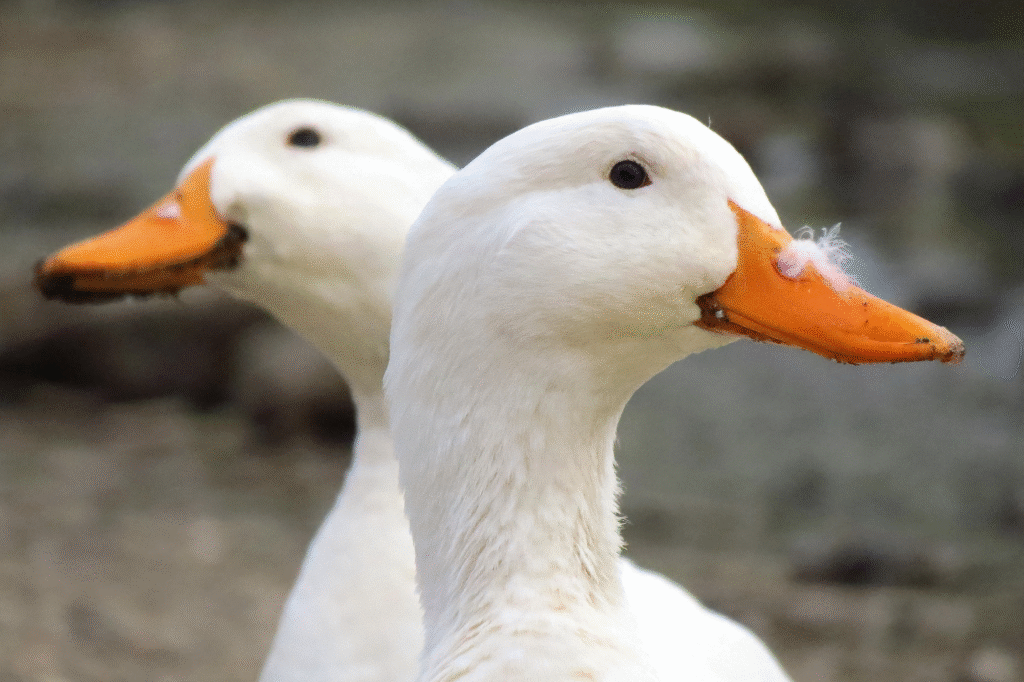
According to the sanctuary team, one of the ways they comforted recovering animals was through gentle music. Sophia and Lemongrass seemed especially soothed by Simon & Garfunkel tracks, often resting side by side during these sessions. The calm rhythm appeared to lower their stress, letting them focus energy on healing rather than anxiety. Observers noted how Sophia’s resting heart rate dropped during these moments, showing how shared calm experiences can influence physical recovery in rescued animals.
3. Their meals became a daily bonding ritual.
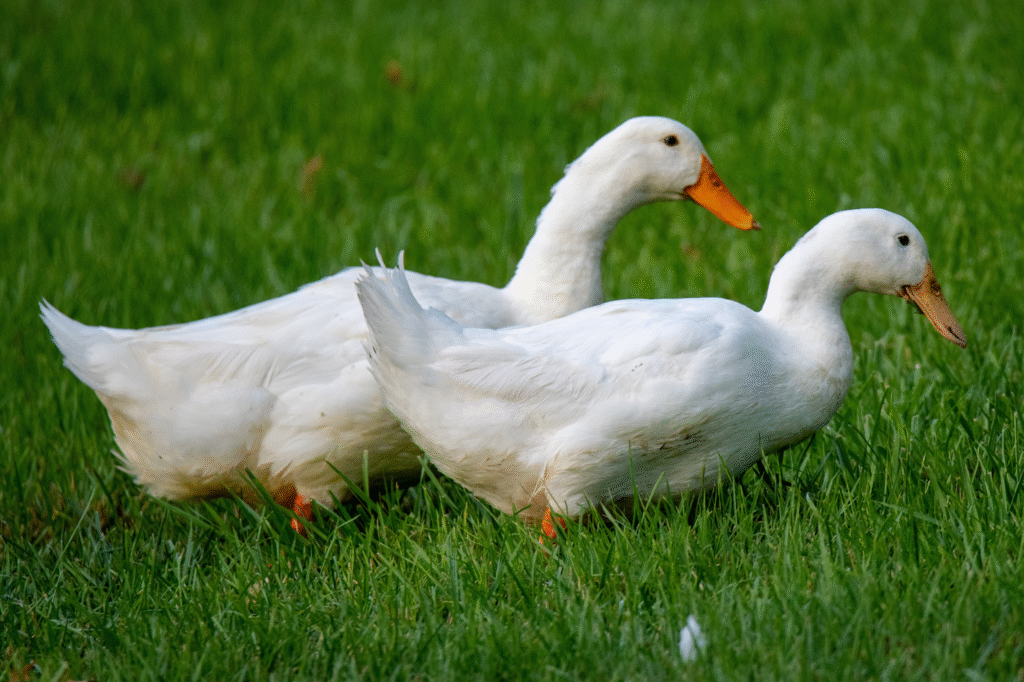
Mealtimes became key moments for their connection, as reported by caretakers on-site. Lemongrass, despite his injury, would hobble over to share food with Sophia, even nudging pieces her way. This behavior isn’t common among ducks, who usually compete for food rather than share it. Sophia, in turn, would wait for Lemongrass to eat before finishing hers, which staff saw as unusual patience. This mutual care signaled trust and an emotional link often seen in lifelong flockmates rather than recent acquaintances.
4. They began preening each other like lifelong mates.
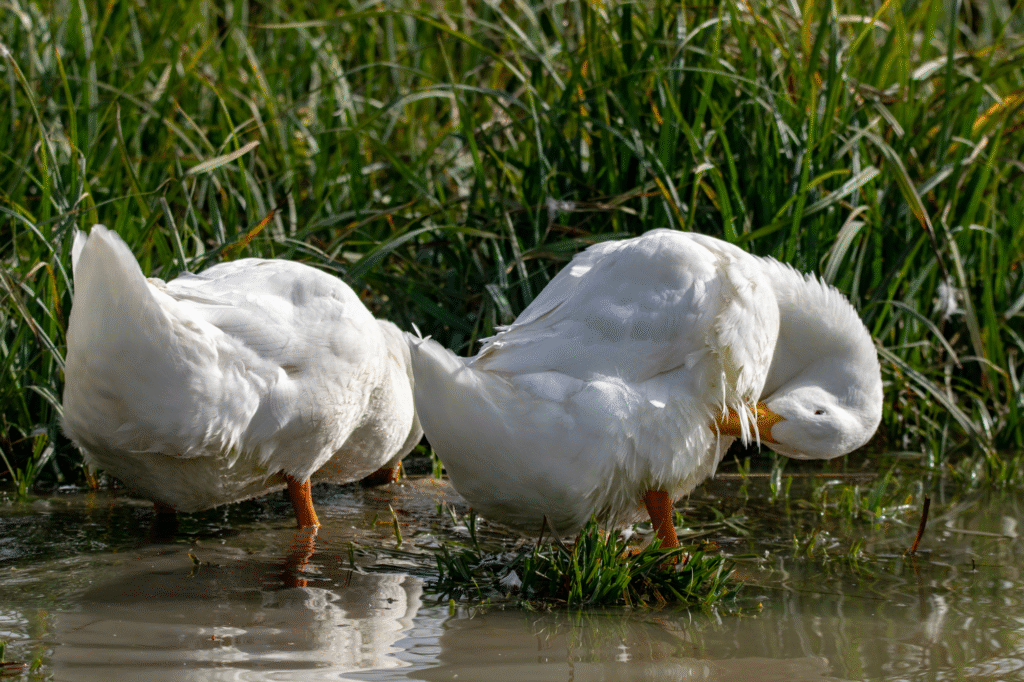
Ducks preen to maintain feathers, but doing it for another duck shows high trust. Sophia and Lemongrass began this behavior just a week into their companionship. Preening can also release natural oils and endorphins, meaning it had both a physical and emotional benefit. For Sophia, still recovering, it provided comfort similar to grooming among primates, cementing their bond and proving how social closeness can accelerate rehabilitation in animals recovering from trauma.
5. Healing time became adventure time.
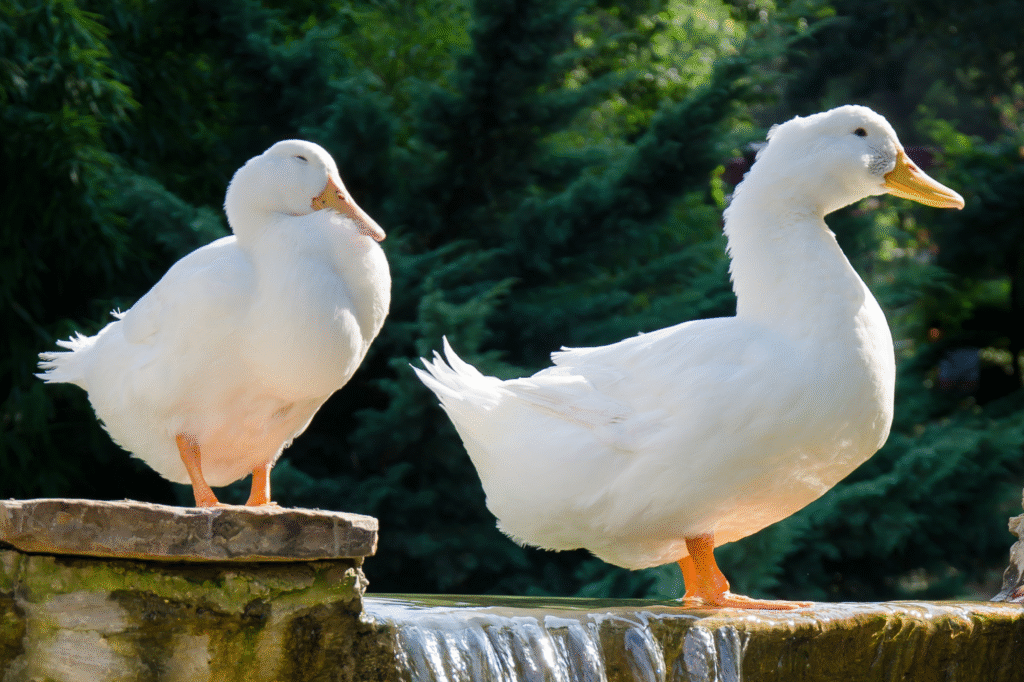
Once Sophia regained mobility, the two explored their shared enclosure together, staying no more than a foot apart. Staff watched as Lemongrass adapted his pace to match Sophia’s cautious steps. This pairing showed how animals will self-adjust to accommodate companions, reinforcing emotional attachment beyond survival needs. Even basic walking exercises became moments of reassurance and confidence-building that sped up both of their recoveries.
6. They created their own resting ritual.
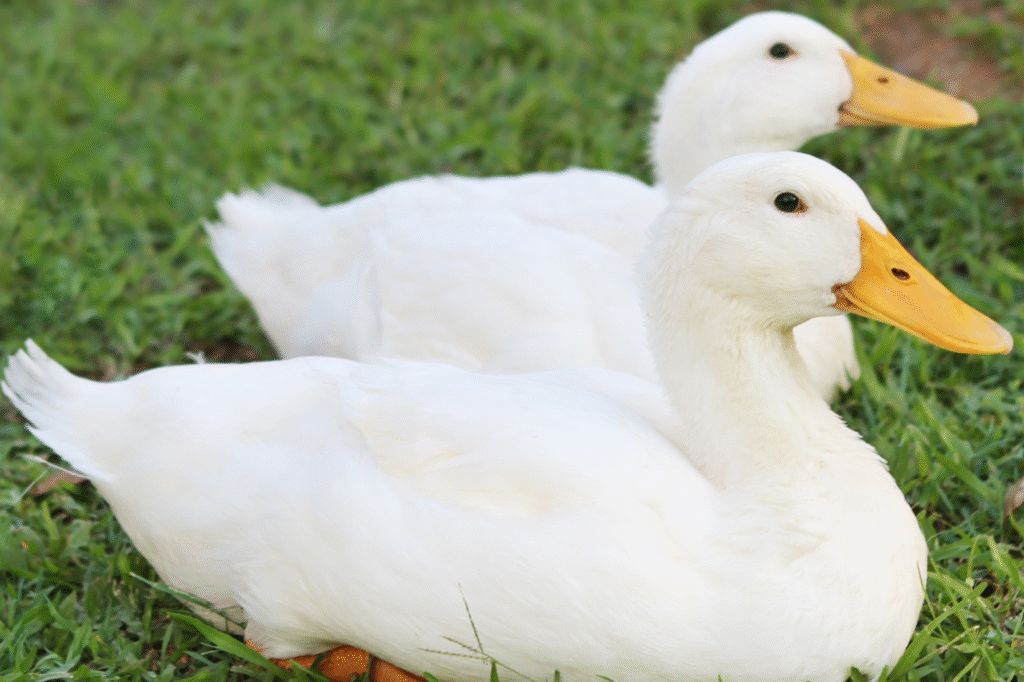
Each evening, Sophia and Lemongrass developed a habit of resting in the same corner, always facing one another. Such behaviors, usually seen in bonded pairs, provide psychological safety and reduce stress markers in animals. Caretakers noted how Sophia seemed less startled by environmental noises when Lemongrass was beside her, suggesting a calming effect that replaced what medications or isolation therapy often attempt to achieve in recovering rescues.
7. Newfound confidence spread to other birds.
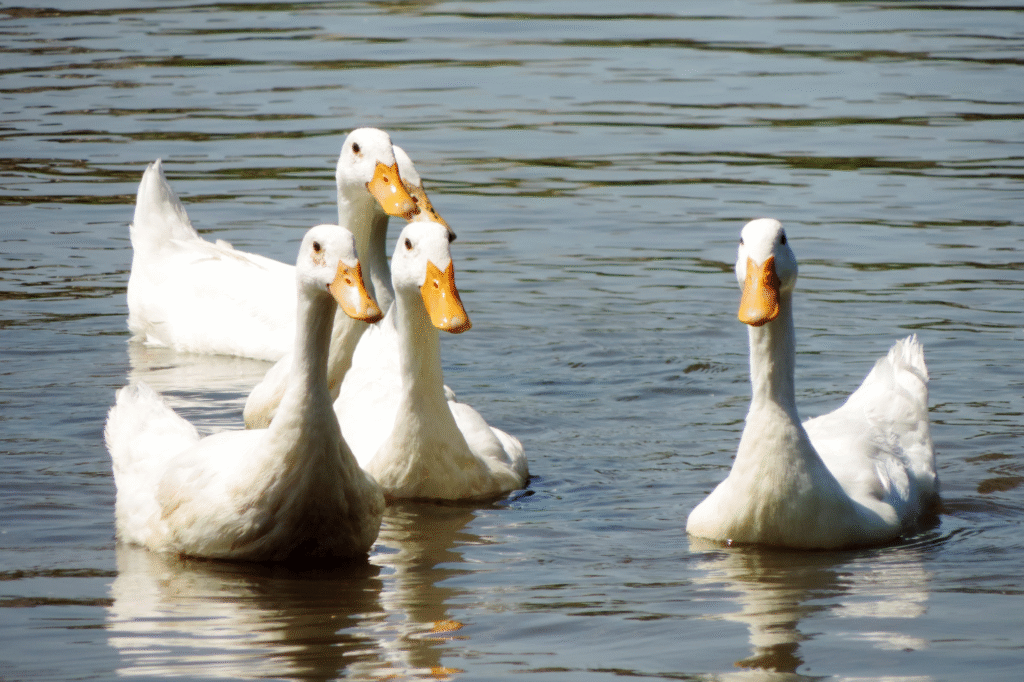
Sophia’s confidence, supported by Lemongrass, soon affected how she interacted with other ducks in the sanctuary. Previously shy, she started engaging during group feeding and tolerated closer proximity to others. Lemongrass’ calming presence seemed to give Sophia a social bridge, proving how one supportive relationship can ripple outward and influence broader social behavior in rehabilitated animals—a factor sanctuaries now consider when pairing rescues for emotional support.
8. Caregivers learned lessons about pairing rescues.
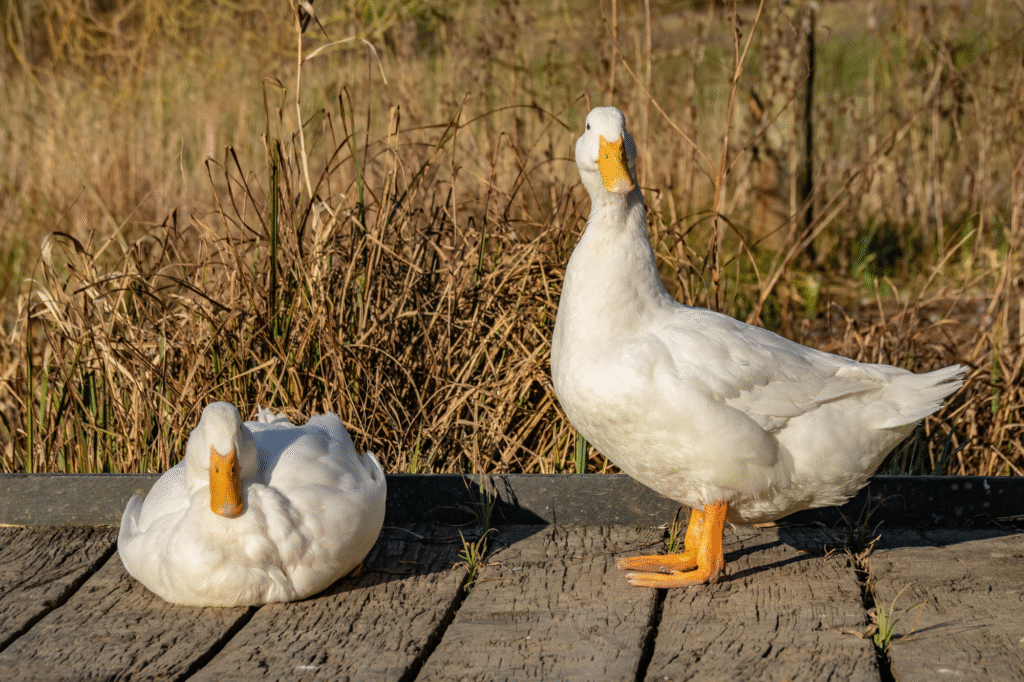
The success of Sophia and Lemongrass’ bond led Farm Sanctuary staff to rethink how they house injured animals. Instead of isolating each bird for safety, they’re now experimenting with supportive pairings when possible. The emotional benefits shown by this duo suggest some animals recover faster and with fewer complications when emotional needs are considered alongside medical treatment, shifting how sanctuaries approach post-surgery care.
9. Public response turned them into local celebrities.
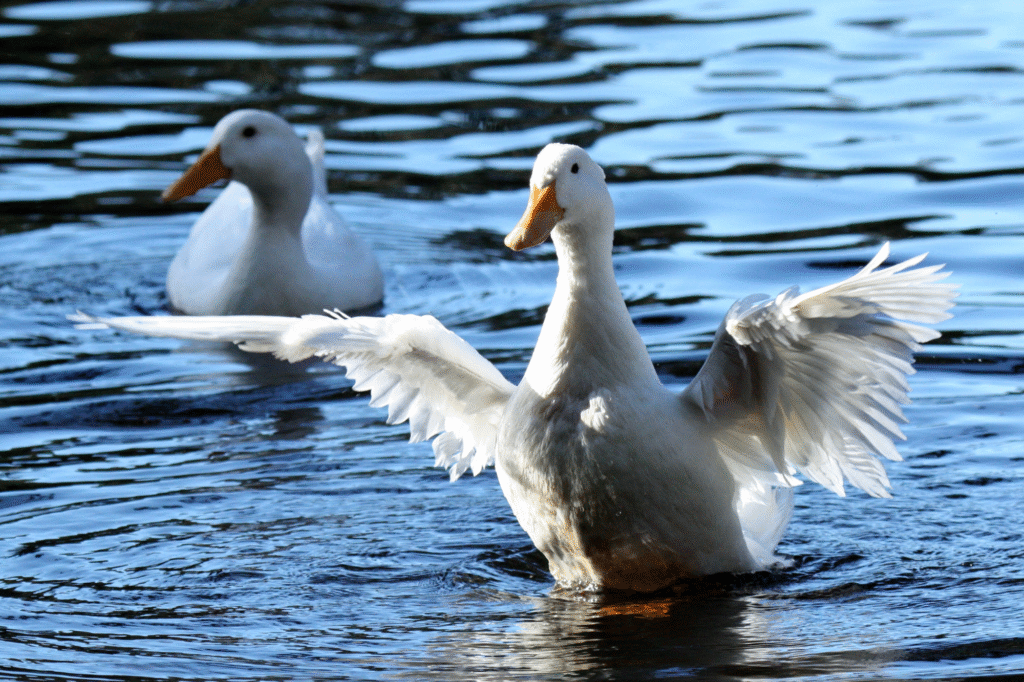
Photos and updates of Sophia and Lemongrass drew thousands of social media reactions. Visitors began requesting tours just to see the duo, proving how animal friendships resonate with people looking for uplifting stories. The attention also increased donations to the sanctuary, which helps fund future rescue operations. Sophia and Lemongrass unintentionally became ambassadors for animal welfare, showing how one small friendship can influence big-picture support for rescue facilities.
10. Their story could shape future rescue therapy.
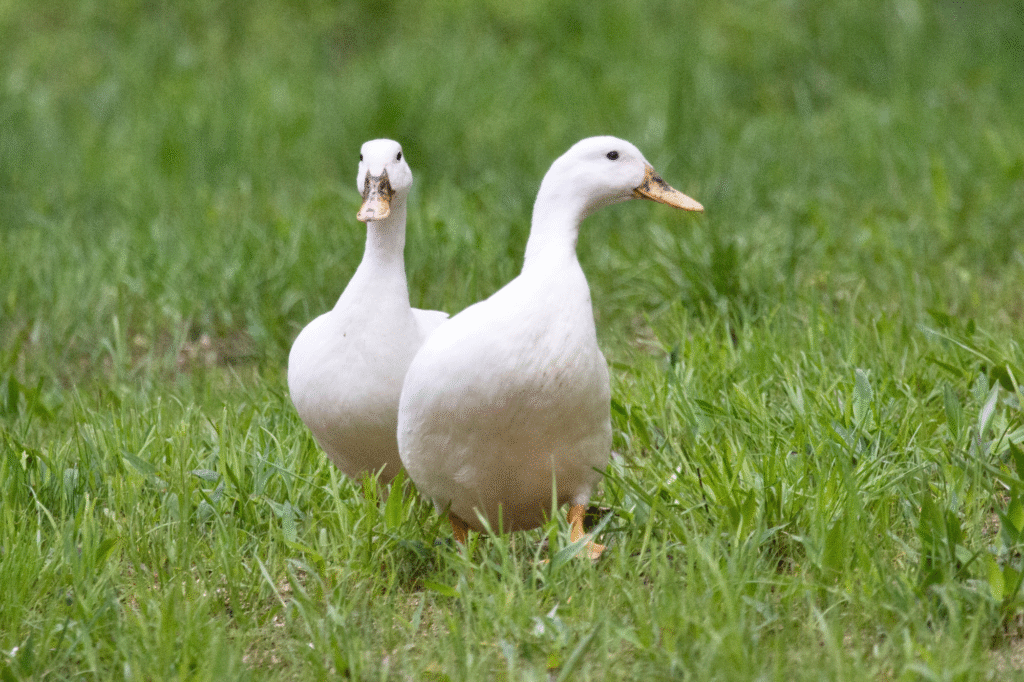
Sophia and Lemongrass may inspire more research on pairing rescued animals for emotional support. Their success highlights how emotional care can complement physical treatment in rehabilitation programs. For many animals, emotional connection isn’t just a bonus—it’s a critical piece of recovery. The sanctuary is now documenting their behavior long-term, hoping to show how natural social bonds can serve as an inexpensive, noninvasive therapy model for other rescue operations worldwide.