
Evidence beneath ice is forcing science to recalibrate.
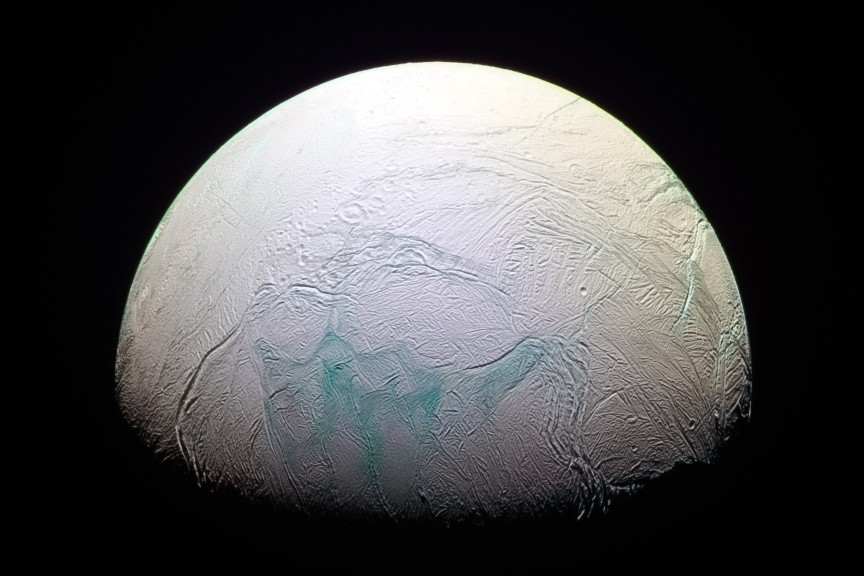
For years, Enceladus was treated as a curiosity rather than a destination. Then spacecraft data began stacking up in ways that were difficult to dismiss. Heat was leaking out. Water was erupting into space. Chemistry looked active, not frozen in time. Each discovery reinforced the last, creating a coherent picture rather than isolated surprises. Scientists are now dealing with a moon that checks multiple boxes for habitability at once. That combination has quietly but decisively shifted how the search for life beyond Earth is being framed.
1. Enceladus contains a global liquid ocean beneath ice.
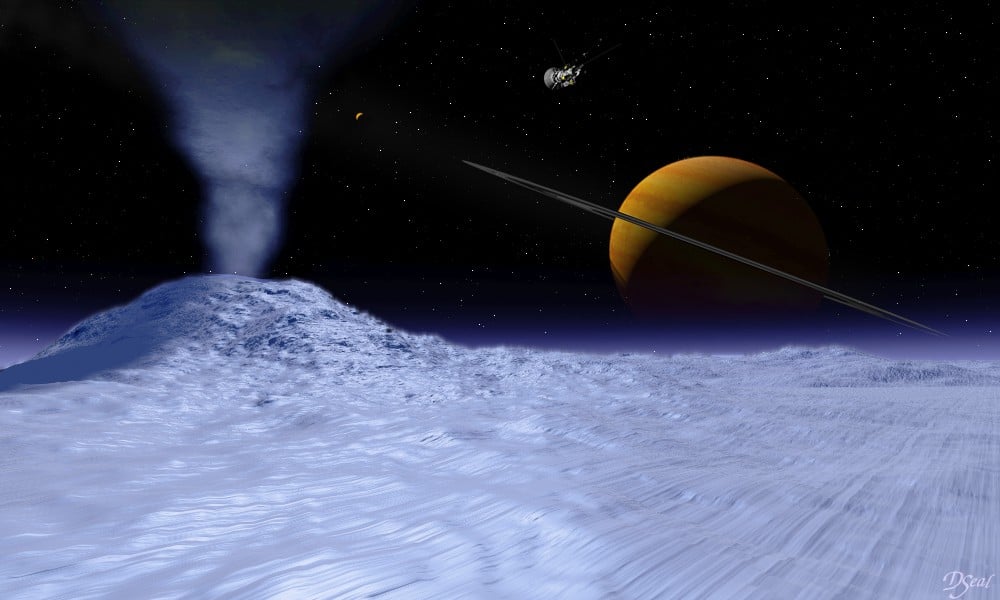
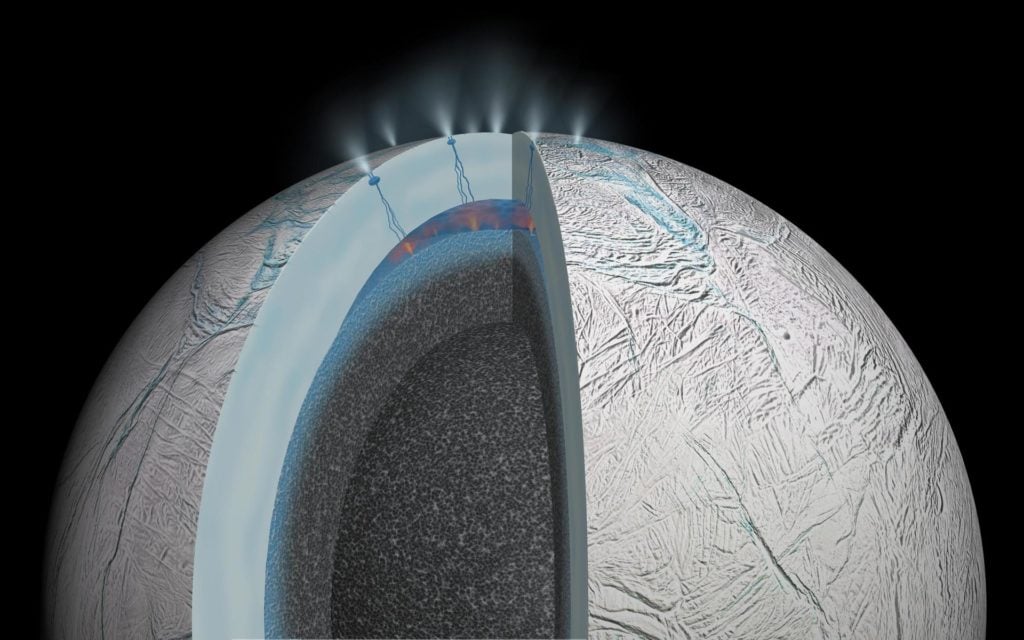
Careful measurements of Enceladus’s gravity revealed subtle changes as a spacecraft passed overhead. Those variations only make sense if the icy crust floats above a layer of liquid water instead of being solid throughout. At the same time, instruments detected unexpected heat concentrated near the south pole, far above what a small frozen moon should produce naturally.
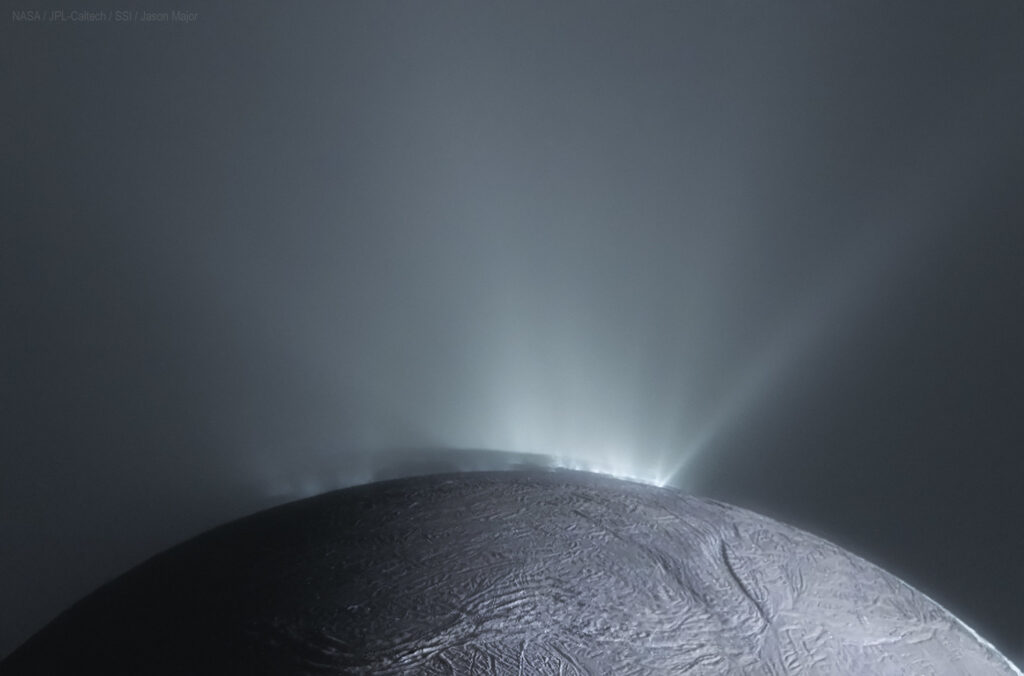
The strongest confirmation comes from the plumes themselves. Water vapor and ice grains shoot out through surface fractures, carrying dissolved salts that indicate prolonged contact with liquid water. According to NASA mission scientists, these independent lines of evidence converge on the same conclusion, a long lasting global ocean exists beneath the ice rather than short lived melt pockets.
2. Complex organic compounds were found in plume material.
When spacecraft flew directly through Enceladus’s plumes, onboard instruments detected large organic molecules trapped inside ice grains. These were not simple gases but heavier carbon based compounds capable of participating in advanced chemical reactions. Their size and structure ruled out many nonbiological explanations.
Equally important is where the molecules were found. They were embedded in salty ice particles that originated in liquid water. This strongly suggests the chemistry occurred inside the ocean rather than arriving from space. Researchers emphasized this context as reported by Nature, noting that Enceladus combines organic chemistry with water and energy in a stable environment.
3. Seafloor hydrothermal activity is strongly supported by evidence.

Among the plume particles were tiny grains of silica that form only under specific conditions. On Earth, silica of this size appears when hot water circulates through rock at the ocean floor and then cools rapidly. Cold surface reactions cannot create these particles.
This finding points to hydrothermal vents beneath Enceladus’s ocean. Such vents provide heat and chemical energy, not sunlight, to support ecosystems. Scientists linked these observations to known vent processes as discovered by researchers publishing in Science, concluding that Enceladus likely hosts an active ocean floor where water and rock interact continuously.
4. Internal heating is maintained through tidal interaction.
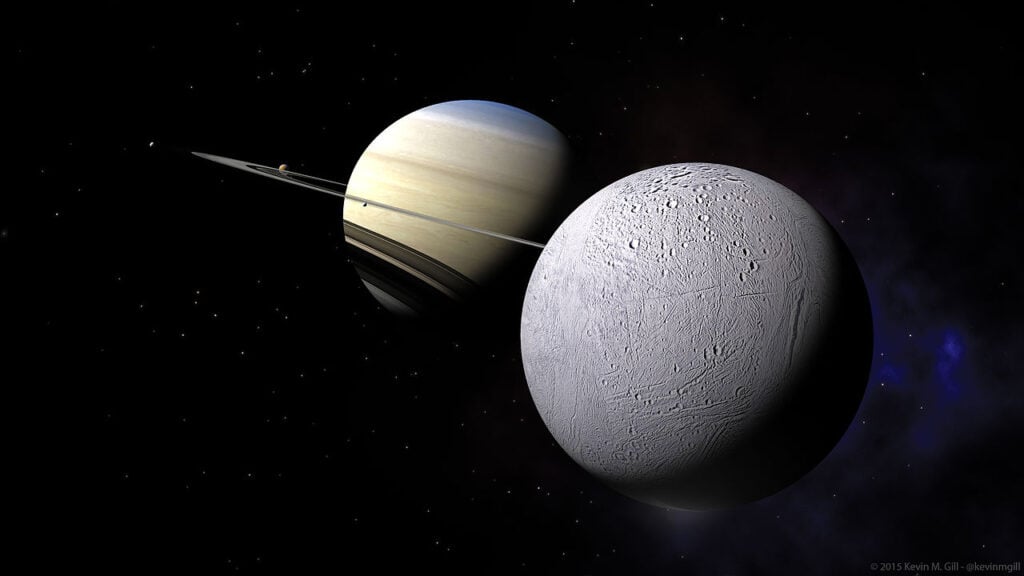
Enceladus emits far more heat than radioactive decay alone can explain. The extra energy comes from gravitational forces as Saturn repeatedly stretches and compresses the moon during its orbit. This constant flexing converts orbital energy into internal heat.
What matters is persistence. Models show that this heating can continue for millions of years as long as the orbit remains stable. That means Enceladus does not rely on ancient leftover warmth. It has an ongoing power source that keeps water liquid and drives chemistry over timescales relevant to biological processes.
5. Ocean chemistry indicates long term water rock interaction.
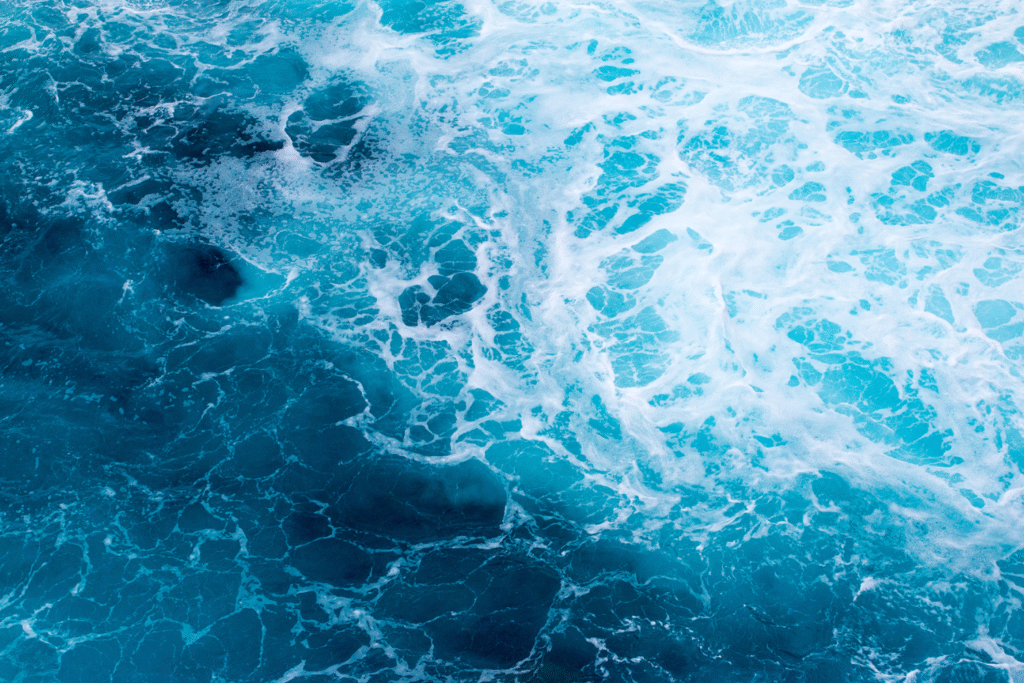
Chemical analysis of plume material shows high levels of sodium salts and carbonates. These compounds form when liquid water interacts with rocky material over long periods. This confirms that Enceladus’s ocean is not isolated beneath ice but actively exchanging material with its core.
Such interaction increases chemical diversity and creates energy gradients. Carbonates also help regulate acidity, preventing extreme conditions. The chemistry observed suggests a mature ocean system that has been evolving for a very long time, which is important for sustaining complex reactions rather than brief chemical flashes.
6. Plumes allow direct sampling without surface drilling.

Most ocean worlds hide their water beneath thick ice that is difficult to penetrate. Enceladus avoids this problem entirely. Its plumes eject material directly from the subsurface ocean into space, offering repeated access to fresh samples.
Spacecraft can collect and analyze this material during flybys without landing or drilling. This greatly reduces technical risk and mission cost. It also allows scientists to sample the ocean repeatedly over time. Few places in the solar system provide such straightforward access to an internal ocean.
7. Habitability is no longer tied to stellar distance.
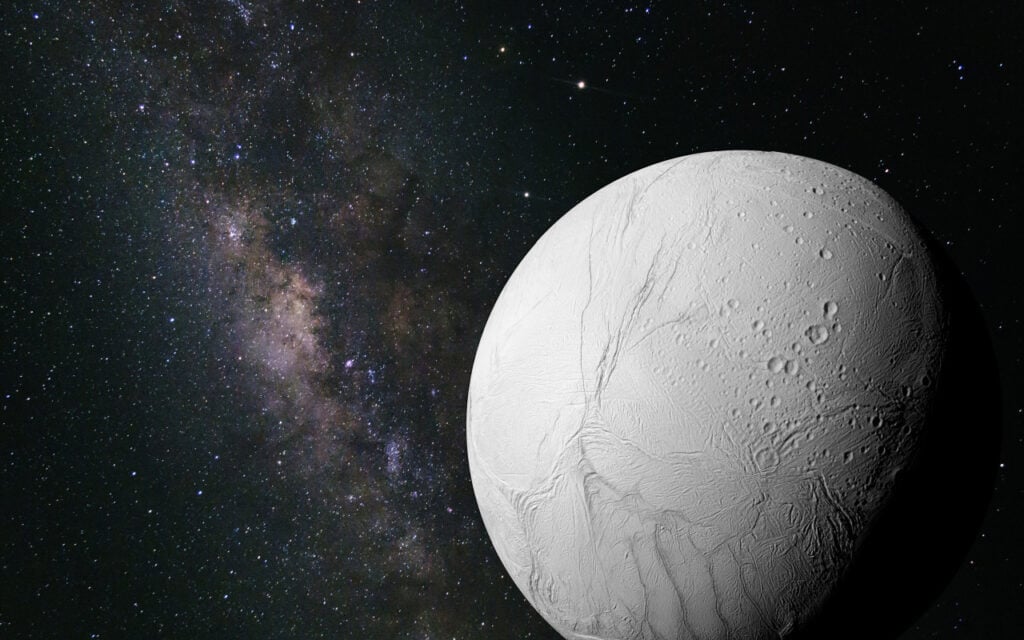
Enceladus orbits far from the Sun, well outside traditional assumptions about where liquid water should exist. Yet it maintains an active ocean through internal energy alone. This demonstrates that sunlight is not a strict requirement for habitability.
Gravitational heating can replace solar warmth under the right conditions. This expands the range of environments scientists consider viable for life. Moons around large planets may host similar oceans throughout the galaxy, even in cold regions once considered irrelevant.
8. Ocean moons are now prioritized exploration targets.
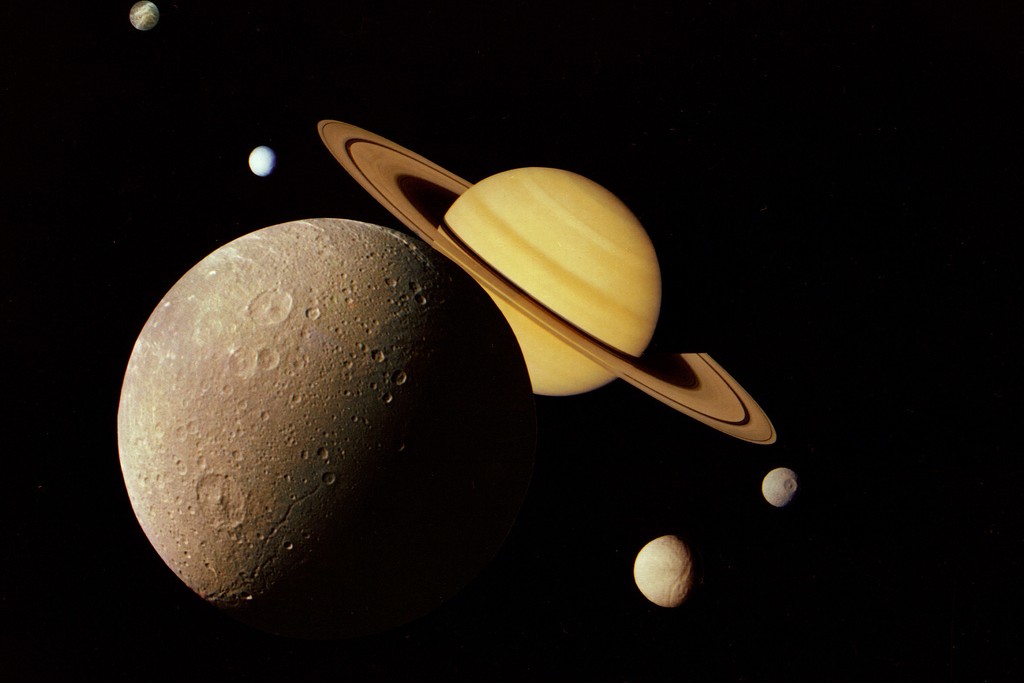
Before Enceladus, astrobiology focused heavily on Mars and Earth like planets. Evidence from this small moon forced a shift in thinking. Internal oceans protected by ice may be more stable than exposed surfaces.
Enceladus stands out because its ocean is both active and accessible. Its discoveries have influenced mission planning by showing that small moons can host complex systems. Ocean worlds are now treated as primary targets rather than secondary curiosities.
9. Biological systems may function without sunlight.
Any life on Enceladus would rely on chemical energy instead of photosynthesis. While unfamiliar to many, this strategy already exists on Earth near deep sea vents where organisms thrive in darkness.
Water interacting with rock creates chemical gradients that can power metabolism. Enceladus appears capable of sustaining these gradients for long periods. This reframes how scientists think about life, focusing less on surface conditions and more on internal processes that operate independently of light.
10. Scientific consensus now supports future missions.
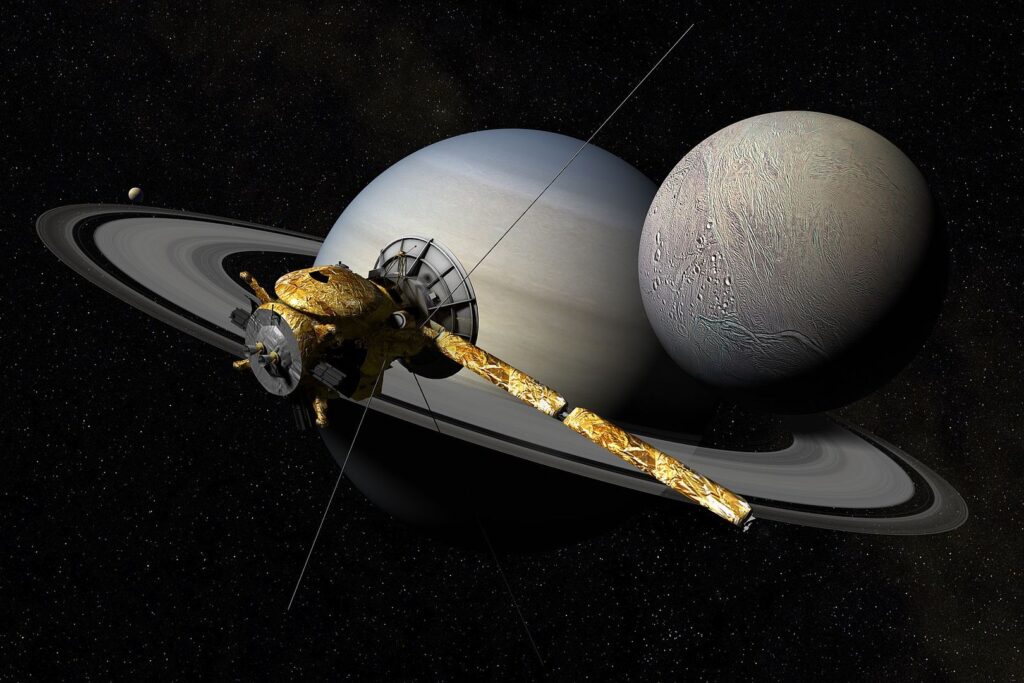
The case for Enceladus has grown stronger with each discovery. Liquid water, organic chemistry, internal energy, and direct access are all present in one location. These factors align closely with established criteria for habitability.
Future missions aim to sample plumes with instruments capable of detecting subtle chemical patterns associated with life. Enceladus is no longer a speculative target. It represents one of the clearest opportunities to test whether life can exist beyond Earth using tools already within reach.