
A routine project uncovers deep time beneath classrooms.
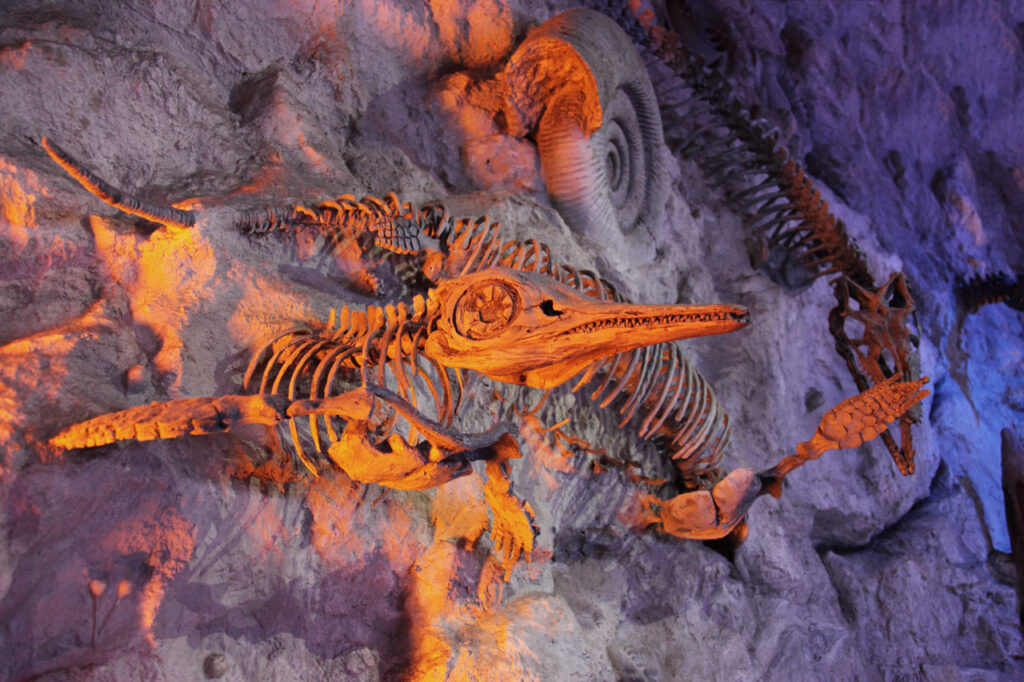
Construction crews working at San Pedro High School in Los Angeles expected dust, pipes, and concrete. Instead, they struck layers of ancient marine sediment packed with fossilized life. The discovery unfolded in stages as earth was removed for upgrades, revealing shells, bone fragments, and preserved impressions from a vanished ocean. What sits today beneath classrooms and athletic fields was once a coastal seabed. The find connects a modern school campus to Southern California’s deep geological past in a way few places ever experience.
1. Excavation revealed fossil layers beneath school grounds.
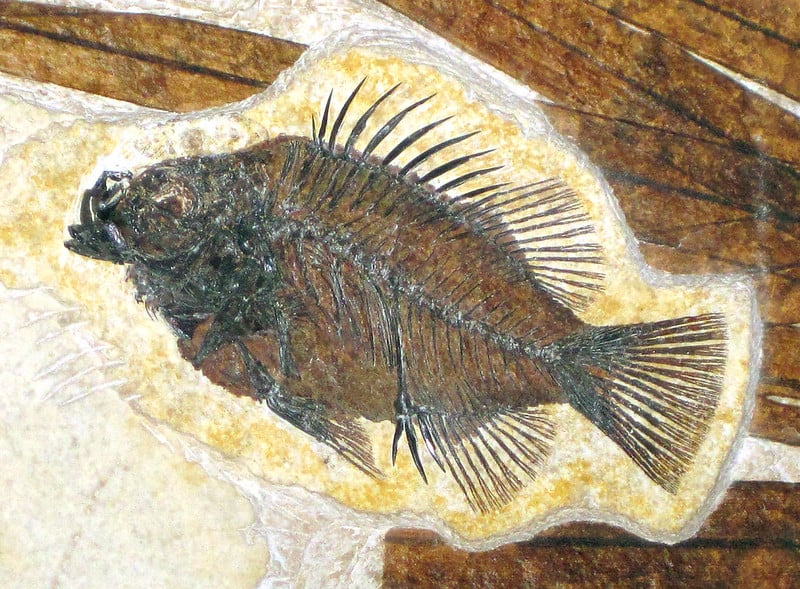
Workers uncovered dense fossil bearing sediment during routine construction tied to campus improvements at San Pedro High School. As soil was removed, distinct layers of compacted marine material appeared, clearly different from typical urban fill. The fossils were embedded directly in undisturbed sediment rather than scattered debris, indicating they were preserved where they originally formed.
The material was quickly identified as part of a known marine formation common to the Palos Verdes Peninsula. According to the Los Angeles Times, specialists confirmed the fossils dated to roughly nine million years ago, placing the site firmly within Southern California’s Miocene coastal environment rather than a relocated deposit.
2. Fossils point to an ancient marine environment.
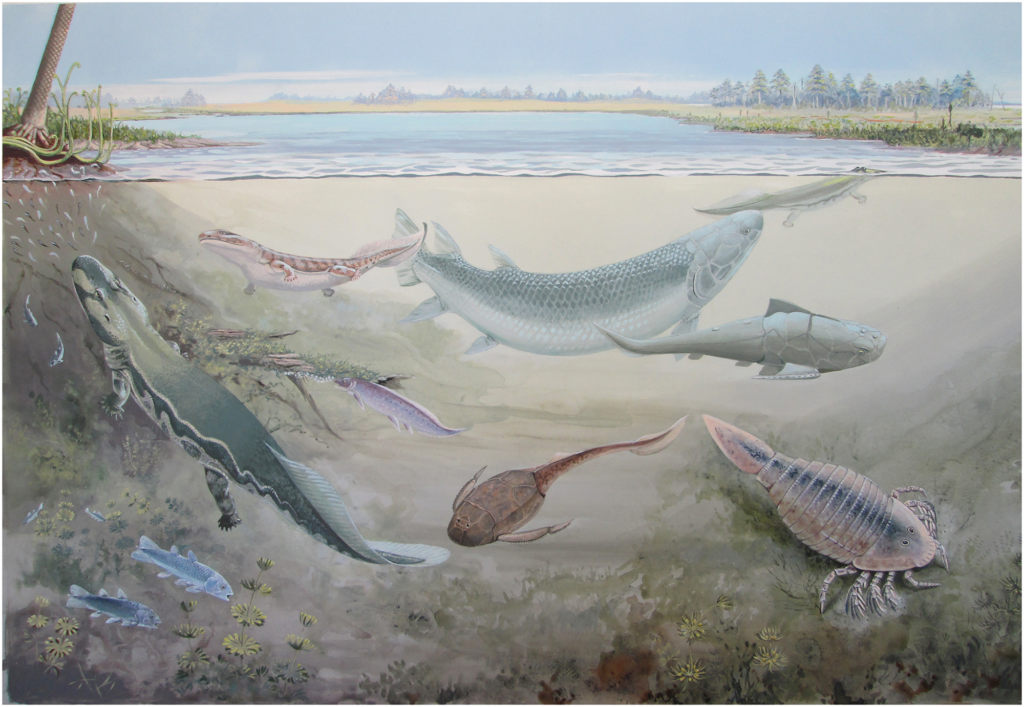
The exposed layers contained shells, marine invertebrates, and fragmented remains consistent with shallow coastal waters. Their condition showed minimal transport, meaning they settled and fossilized in place rather than washing in from elsewhere. This preserved context makes the site scientifically valuable.
Southern California sat beneath a warm ocean during this period, with shifting shorelines and rich marine ecosystems. As reported by the Natural History Museum of Los Angeles County, similar fossils across the region help map how sea levels and coastlines changed over millions of years, turning familiar land into submerged habitat.
3. The site dates to the late Miocene epoch.
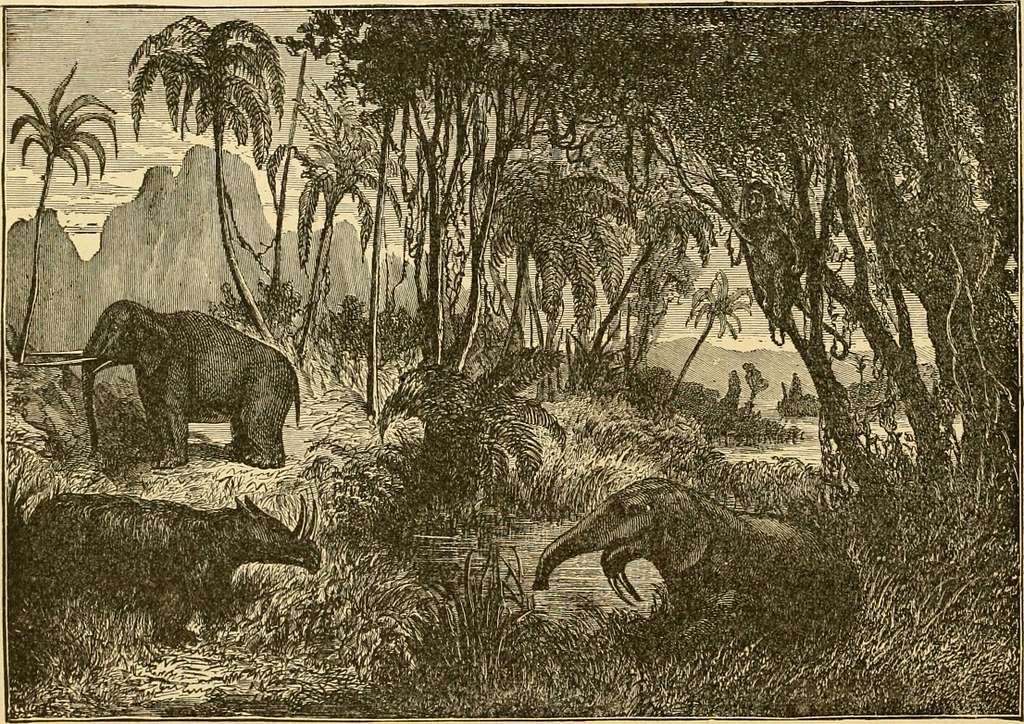
Geological analysis placed the sediment firmly within the late Miocene, approximately nine million years ago. This era was marked by global climate shifts and significant changes in ocean circulation that shaped marine life distribution along the Pacific coast.
Dating relied on stratigraphy and fossil correlation rather than guesswork. The formation matches others documented across the Palos Verdes area. As stated by the United States Geological Survey, these layers record a time when the Los Angeles Basin was repeatedly flooded by marine waters, leaving behind fossil rich deposits now buried beneath urban development.
4. Construction paused to protect exposed materials.

Once fossils were identified, construction slowed to allow proper documentation and recovery. Protective measures were implemented to prevent damage from heavy equipment and weather exposure. The pause reflected established protocols rather than emergency improvisation.
This approach ensured scientifically useful material could be preserved rather than destroyed. The coordination between contractors, school officials, and specialists demonstrated how development and preservation can coexist when clear procedures are followed and discoveries are treated seriously.
5. The discovery fits regional geological patterns.
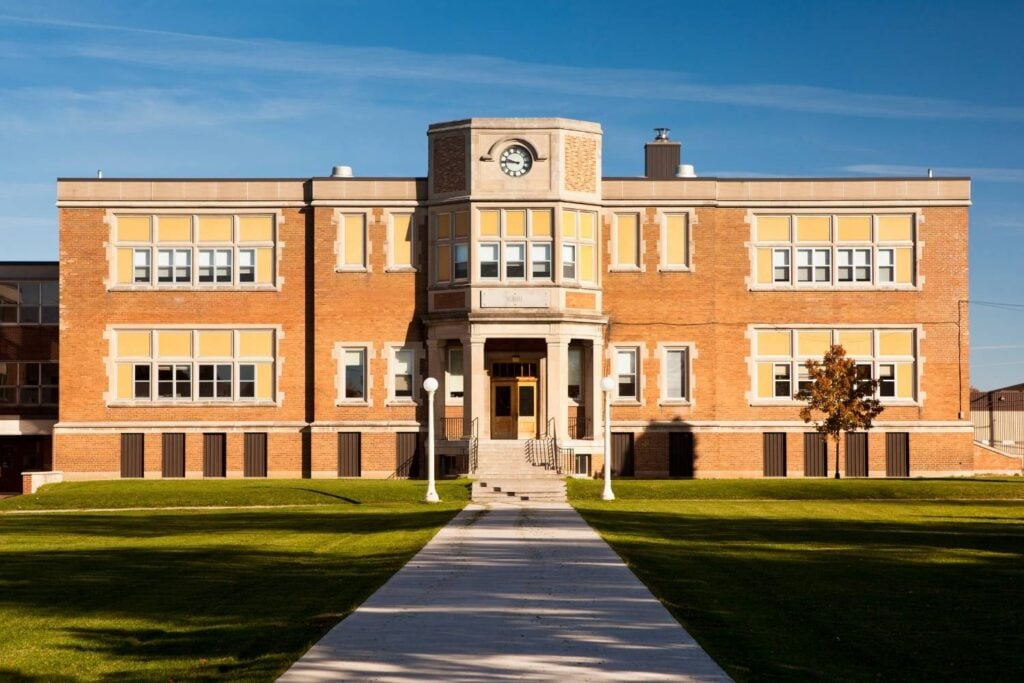
San Pedro sits within a landscape shaped by tectonic uplift and erosion. Over millions of years, marine sediments were lifted above sea level, compressed, and partially buried beneath later deposits. The school site aligns with known fossil bearing formations mapped across the peninsula.
What makes this find notable is accessibility rather than rarity. Similar layers exist nearby but remain hidden. Construction simply peeled back enough ground to reveal what geology had preserved, confirming existing models rather than rewriting them.
6. Fossils were preserved within undisturbed strata.
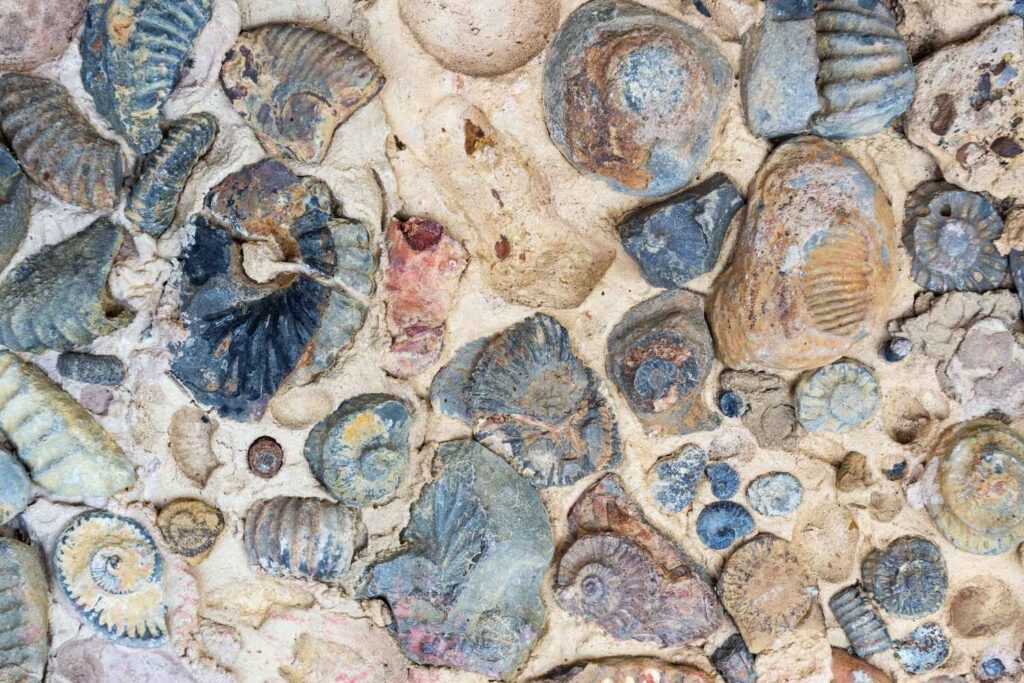
The fossils appeared in compact layers that had not been heavily altered by previous construction. This intact stratigraphy allows clearer interpretation of age and environment. Disrupted deposits often lose scientific value, but this site retained its original structure.
Preservation like this is uncommon in dense urban areas. It offers a snapshot of ancient conditions without later mixing. Such clarity helps researchers compare sites across the region and refine timelines for environmental change.
7. Urban development often uncovers deep history.
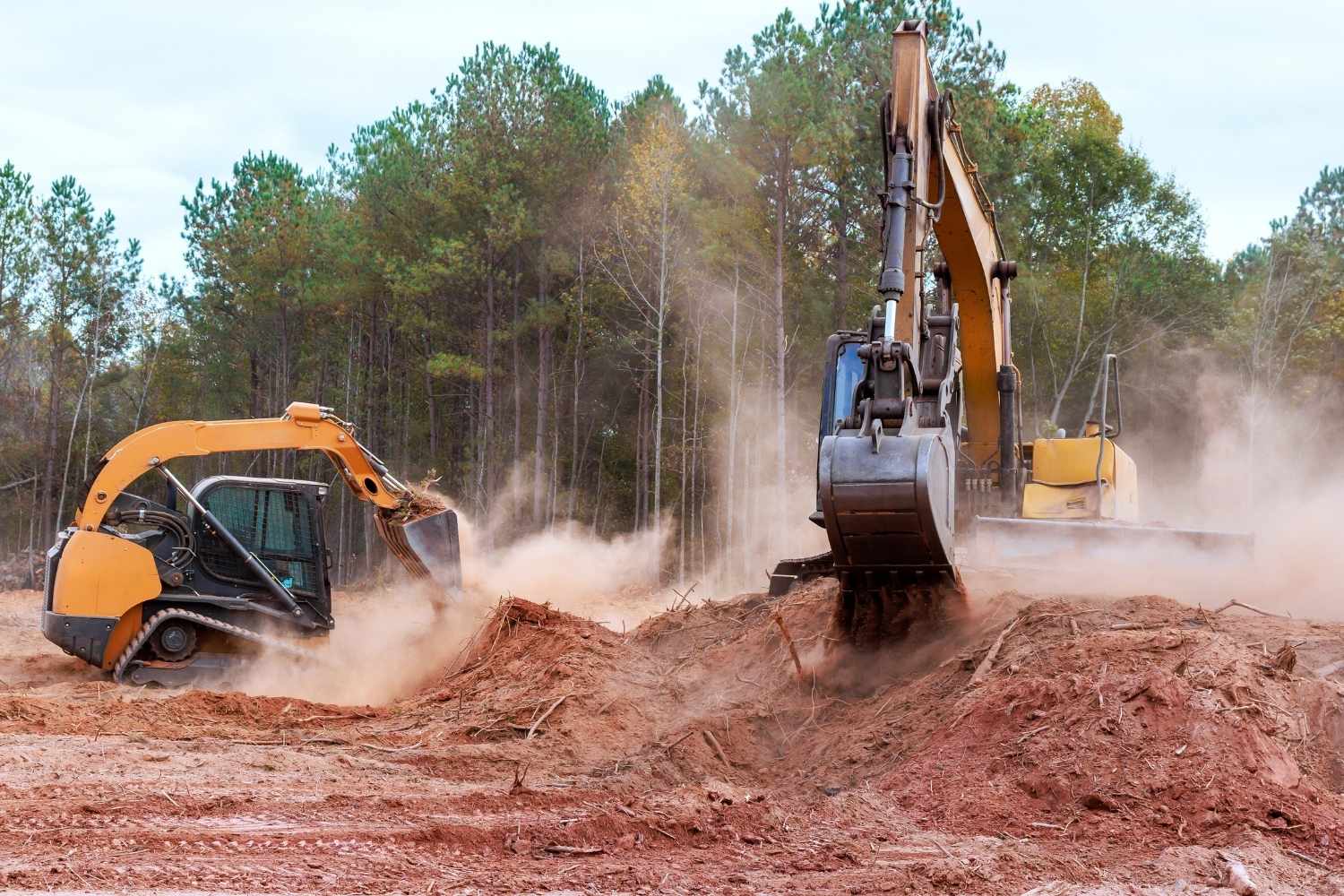
Los Angeles frequently reveals fossils during construction due to its layered geology. Projects for schools, transit lines, and housing regularly expose ancient material hidden beneath modern infrastructure.
San Pedro High School joins a long list of everyday places tied to deep time. These moments remind residents that cities are built atop landscapes shaped by oceans, earthquakes, and slow sedimentation long before human settlement.
8. The site provides educational opportunities.
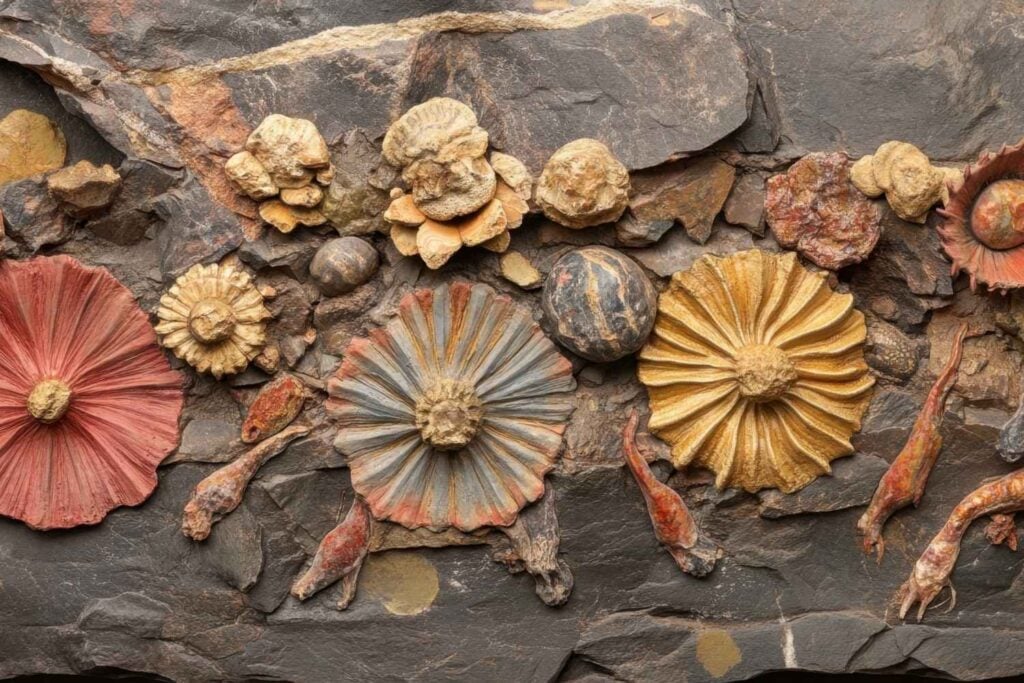
The discovery created a rare chance for students to connect coursework with real world science beneath their feet. Fossils found on campus make abstract geological timelines tangible and immediate.
Educators can use the site to discuss Earth history, climate change, and evolution using local examples. Learning becomes grounded in place rather than distant diagrams, strengthening understanding through direct relevance.
9. Fossils were documented before reburial.
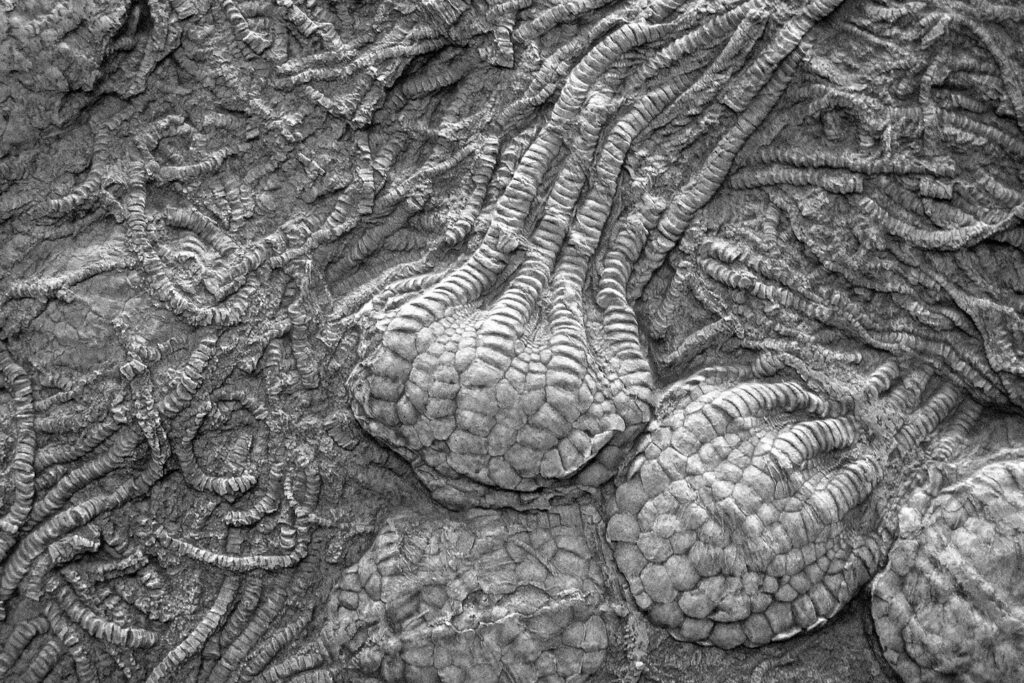
Not all fossils could remain exposed permanently. Specialists documented the site through mapping, sampling, and photography before construction resumed. Key specimens were collected for study and preservation.
This balance allowed progress without sacrificing scientific information. Reburial protects remaining material for future discovery while ensuring present day needs are met. The process reflects standard practice rather than loss.
10. The find links modern life to ancient oceans.
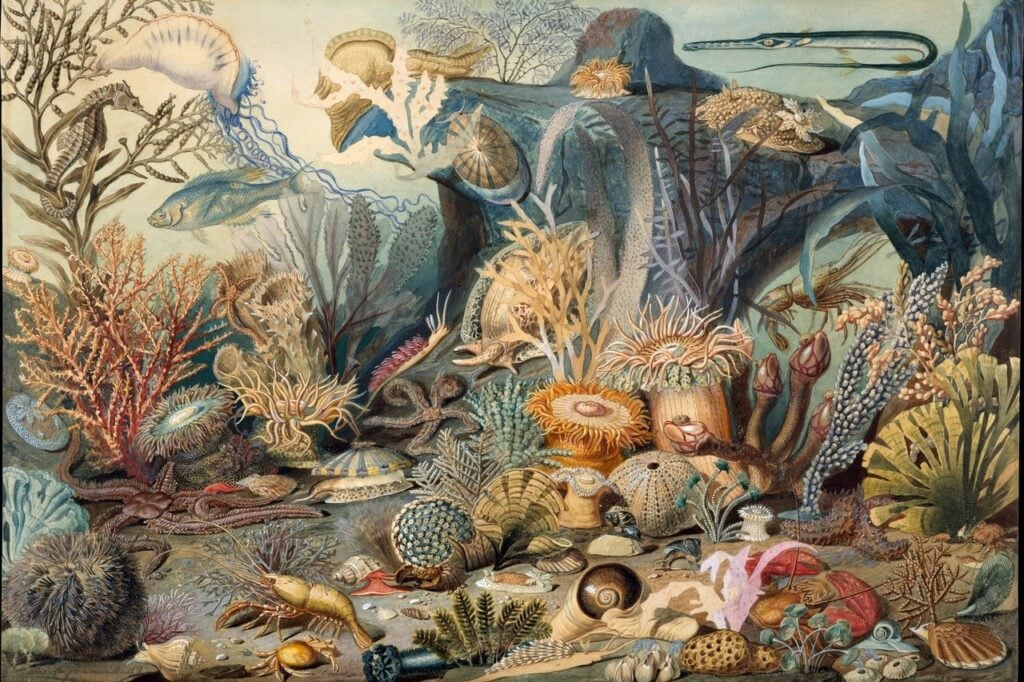
Beneath classrooms and sports fields lies evidence of a world shaped by tides and marine life. The discovery does not change global science, but it sharpens local understanding of time and place.
San Pedro High School now sits above a recorded chapter of Earth’s history. The fossils remind us that landscapes carry memory. Even ordinary projects can reveal extraordinary connections between present day life and ancient environments.