
New findings expose a crisis straining every system.
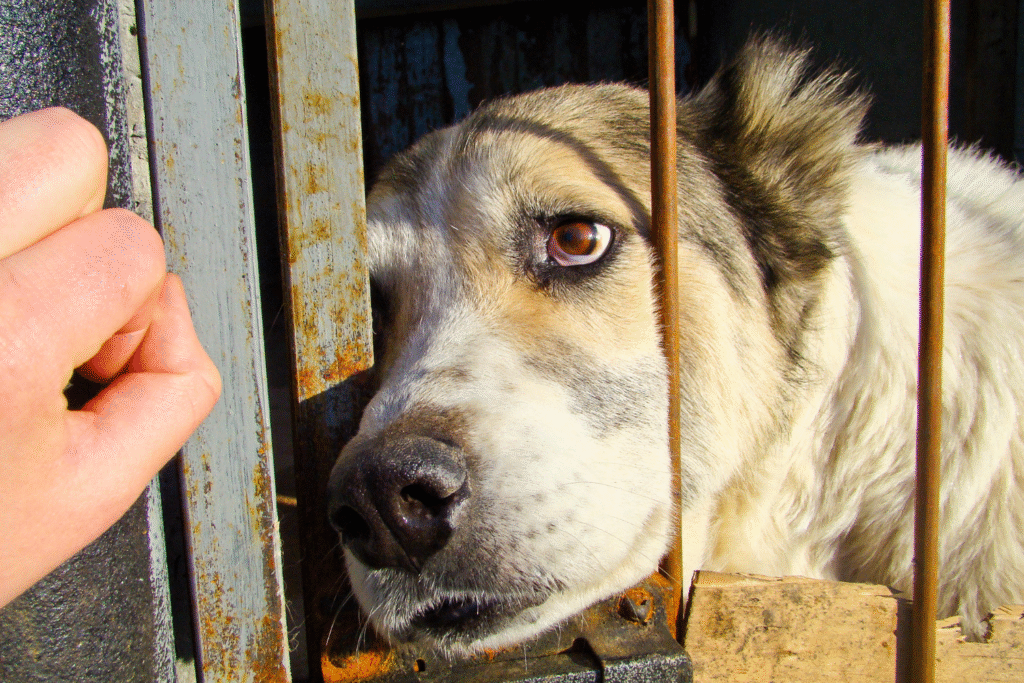
Across the country, a pattern is taking shape that many shelters hoped would never return. Intake numbers have risen faster than adoptions, and the imbalance is pushing facilities past capacity with heartbreaking speed. Staff describe days where every kennel fills by noon and the lobby remains crowded with families forced to surrender pets they can no longer keep. The new report shows how quickly small gaps in space become impossible choices. Healthy dogs, once guaranteed time, now lose it overnight.
1. Intake numbers surged far beyond available kennels.

Shelters in states such as Texas, California and Georgia reported weeklong stretches where every open space filled within hours. Staff tracked numbers rising month after month until the trend became impossible to dismiss. According to the ASPCA, national intake has climbed significantly since 2022, widening the gap between dogs arriving and those leaving alive. The imbalance created pressure that even the most experienced teams struggled to absorb.
As kennels overflowed, dogs began doubling up in shared spaces meant for single animals. Noise levels rose, stress increased and illness spread more easily. These conditions reduced adoptability and shortened the window shelters had to find placements. Facilities that once held dogs for weeks began counting available hours instead.
2. Adoption rates fell sharply in multiple high population regions.

A slowdown in adopter turnout hit metropolitan shelters first. Cities like Los Angeles, Houston and Phoenix reported fewer walk in adopters despite heavy promotion. As stated by The Washington Post in recent animal welfare coverage, adoption numbers have not recovered to pre pandemic levels. The hesitation left once thriving adoption floors eerily quiet even as intake surged.
Some potential adopters cited rising rent, pet fees or uncertainty about future stability. Others shifted toward breeders or online pet listings. Shelters that traditionally relied on weekend events found that fewer families were attending. The decline deepened the crisis by reducing the number of available exits for healthy dogs who urgently needed space.
3. Data revealed that overcrowding forced euthanasia decisions earlier.

Shelters operating at three or four times their intended capacity began initiating euthanasia lists within days of intake. The Humane Society of the United States reported that overcrowding directly increased euthanasia risk in municipal shelters across the South and West. Many of the dogs entering these facilities were young, healthy and adoptable, yet they had nowhere to go.
Some shelters attempted temporary expansions using pop up kennels or borrowed space from rescue partners, but this only delayed decisions. When new intakes arrived faster than space could be cleared, staff faced an impossible cycle. Dogs with no behavioral issues were added to lists simply because the building had no room left to hold them safely.
4. Surrender requests overwhelmed facilities already at maximum capacity.
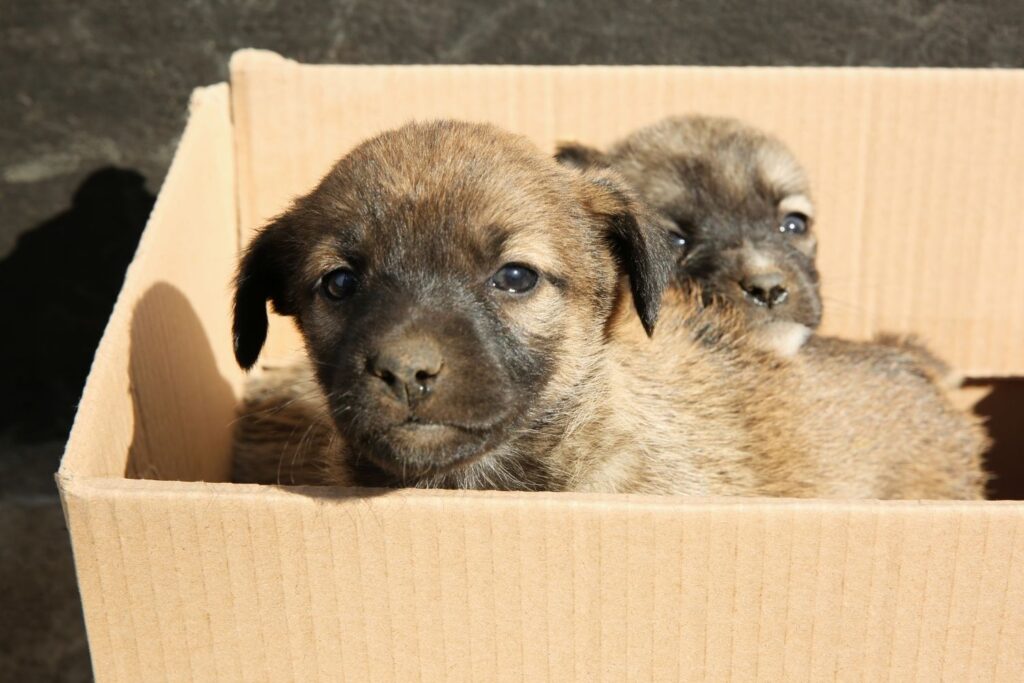
Economic strain pushed more families to surrender pets they could no longer house or feed. Shelters received hundreds of calls each week from owners pleading for help. Waitlists grew, sometimes stretching several weeks. Staff had to tell callers that space would not open soon, even when the situation felt desperate.
These delays led to heartbreaking outcomes. Some families left dogs tied outside after being turned away, creating additional stress on the system. Others drove to multiple counties hoping to find a shelter with room. The pressure created a wave of dogs entering facilities with nowhere to go and no backup solutions.
5. Rescue groups struggled to absorb the overflow.

Organizations that normally pulled dozens of dogs each month from high kill shelters found themselves overwhelmed. Foster homes were full, transport routes were delayed and adoption interest had slowed. Rescue coordinators described inboxes filled with urgent pleas from shelters begging for space.
The rescue network, which historically acted as an essential escape valve, could not keep pace. Some groups suspended intakes entirely, creating even more bottleneck pressure at municipal shelters. Dogs who might have once traveled across the country to new homes were now stuck waiting in overcrowded facilities with diminishing time.
6. Behavioral decline made adoptable dogs harder to place.

Crowded kennels amplified stress, and dogs who arrived calm often deteriorated within days. Constant noise, limited enrichment and reduced human interaction triggered anxious pacing, barking or withdrawal. These behaviors made it harder for potential adopters to see their true temperament.
Shelter workers described heartbreaking transformations. Dogs who once wagged through intake stood trembling in corners or lunged unpredictably from overstimulation. These changes reduced their chances of rescue or adoption, tightening the cycle leading to euthanasia for dogs who would thrive in stable homes.
7. Veterinary shortages slowed medical clearances across states.
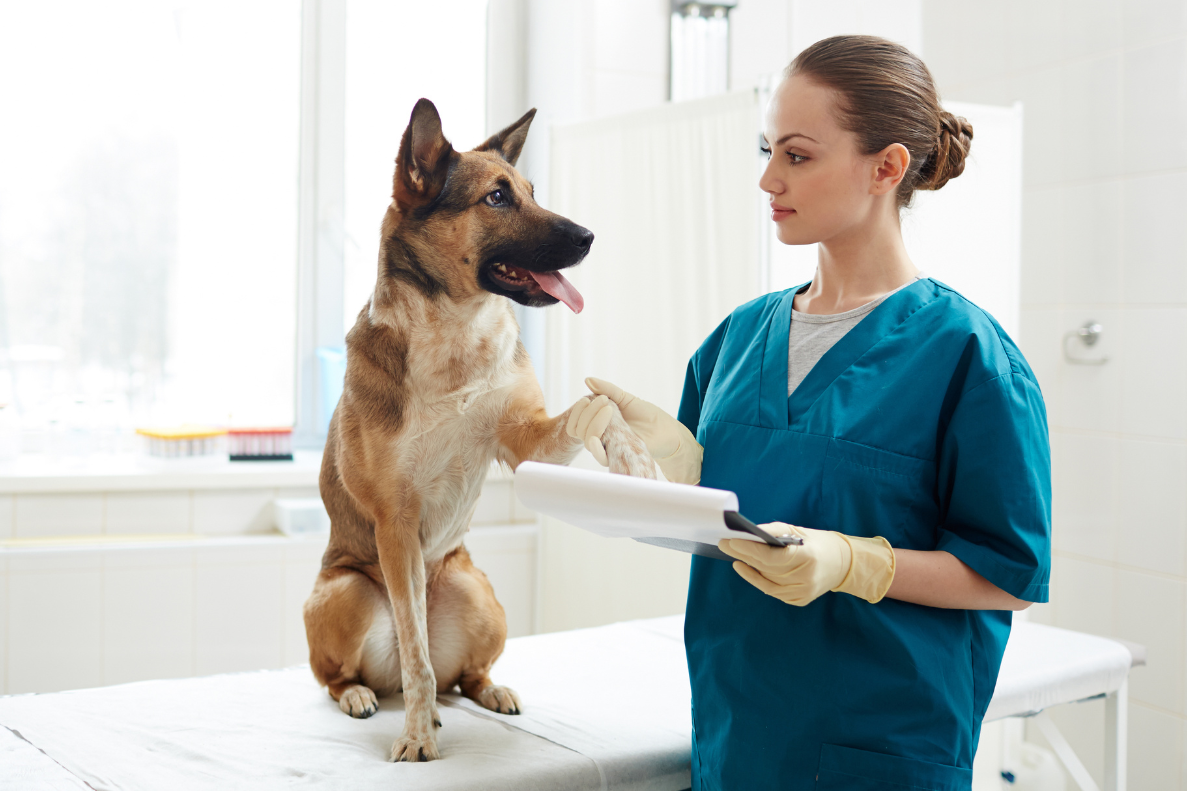
A national shortage of veterinarians and technicians meant longer delays for spay or neuter procedures, vaccinations and medical checks. Without these steps, dogs could not be listed for adoption or transport. Shelters faced growing backlogs of dogs waiting for routine care.
As wait times increased, more dogs entered the building before others could be cleared to leave. This created a chain reaction where adoptable animals remained stuck while kennels filled behind them. Medical bottlenecks became a hidden contributor to overcrowding and the resulting euthanasia decisions.
8. Rural shelters faced the worst conditions with limited funding.
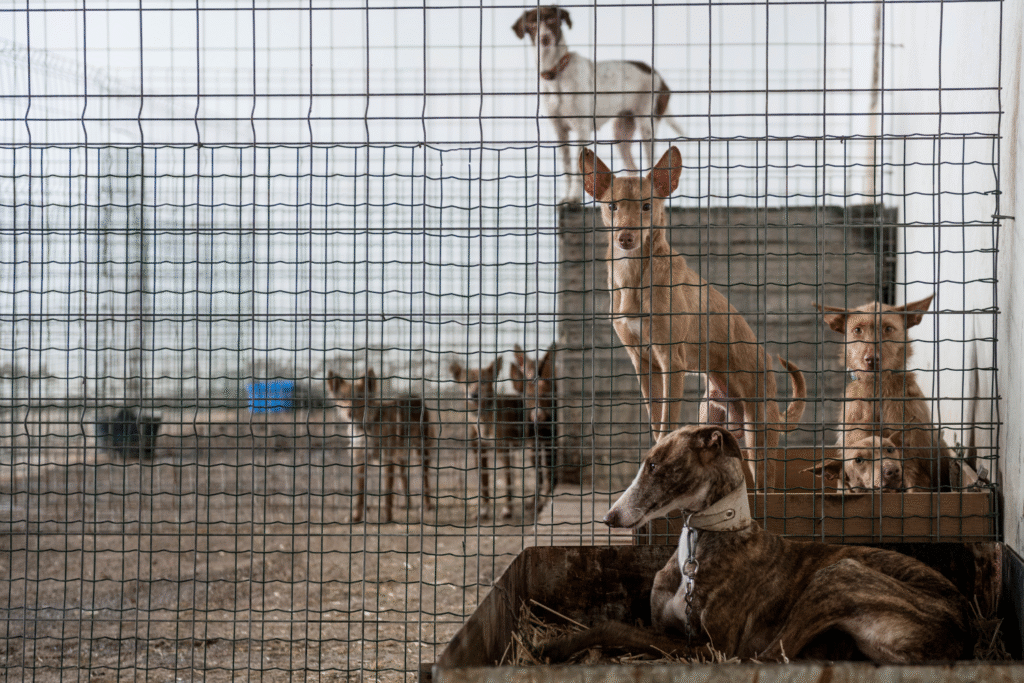
In counties with minimal budgets, shelters had few staff members and no access to expansion resources. Buildings designed decades ago now held twice or three times their intended numbers. Some lacked air conditioning, proper isolation rooms or adequate outdoor space.
Rural communities often lacked rescues or transport partners who could relieve pressure. Without outside support, dogs faced extremely short timeframes between intake and euthanasia. These shelters became the frontline of the crisis, shouldering the steepest losses with the fewest options for relief.
9. Dogs of certain breeds suffered disproportionately from overcrowding.

Large breeds such as Pit Bulls, Huskies and German Shepherd mixes entered shelters in high numbers and stayed the longest. Their size, energy level or breed restrictions made them more difficult to place quickly. Some municipalities enforced strict regulations that limited adoption opportunities even further.
Dogs who simply looked like restricted breeds faced barriers regardless of individual temperament. These pressures created a disproportionate impact on young, healthy dogs caught in situations beyond their control. The crisis magnified existing biases within the system.
10. Shelters now push urgently for systemic change.
As the report circulates nationally, directors emphasize that the crisis cannot be solved by shelters alone. Affordable vet care, accessible housing, spay and neuter programs and stronger rescue networks are all necessary to slow the intake flood. Without major support, euthanasia numbers will continue rising.
Communities that once assumed shelters guaranteed safety now face a painful reality. The system is strained beyond its limits, and healthy dogs are paying the price. The findings create a call to action that grows louder as each month pushes shelters further into crisis.