
Your pup’s stress runs deeper than expected.

Most dog owners recognize the obvious signs when their furry companion struggles with being alone. But separation anxiety often manifests in subtle ways that we dismiss as normal behavior or simple mischief. These hidden indicators can reveal that your dog’s distress runs much deeper than those occasional chewed shoes or scattered pillows suggest. Understanding these overlooked symptoms helps you provide the support your anxious pup truly needs.
1. Destructive behavior escalates when you’re away.

Chewed furniture legs and shredded couch cushions aren’t just expensive annoyances. They represent your dog’s desperate attempt to cope with overwhelming stress hormones flooding their system. According to the American Veterinary Medical Association, dogs with separation anxiety engage in destructive behaviors as a self-soothing mechanism, similar to how humans might bite their nails under pressure. The destruction typically focuses on exit points like doors and windows, showing your dog’s frantic desire to reunite with you rather than simple boredom.
2. House training accidents happen only during absences.
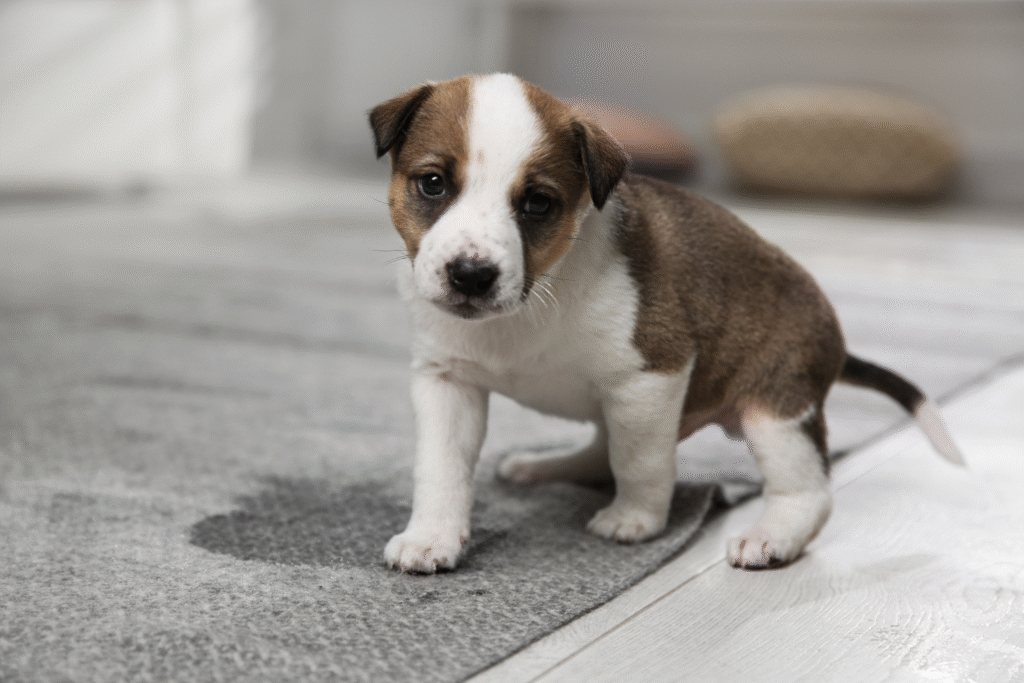
Bladder control becomes nearly impossible when anxiety peaks in your dog’s nervous system. Even perfectly house-trained dogs lose control of their bodily functions during severe stress episodes. The accidents aren’t defiance or forgetfulness but rather involuntary responses to panic, as reported by veterinary behaviorists at the University of California Davis. What makes this particularly telling is the precision – these accidents occur exclusively when you’re gone, never during your presence.
3. Your dog follows you everywhere at home constantly.
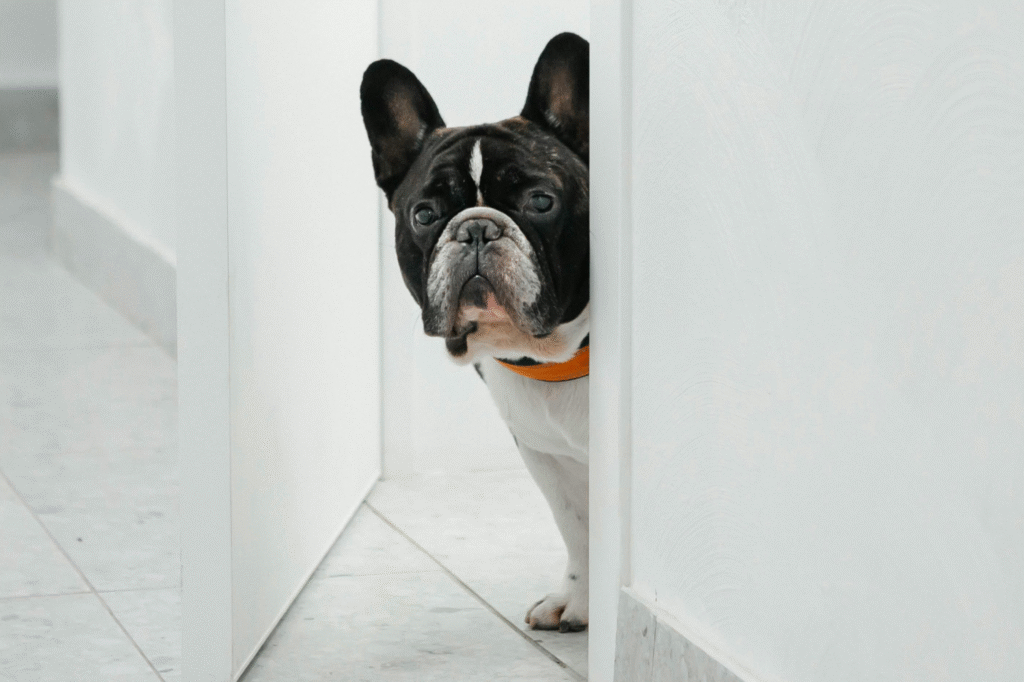
Shadow-like behavior reveals deep-seated insecurity that extends beyond normal bonding. Dogs experiencing separation anxiety develop what veterinarians call “velcro dog syndrome” – an inability to feel secure unless they’re physically close to their owner. As discovered by canine behavior researchers, this hypervigilance stems from chronic stress that makes your dog unable to relax even when you’re home. The constant following becomes their way of preventing the anxiety-inducing separation they know is inevitable.
4. Excessive panting occurs without physical exertion recently.
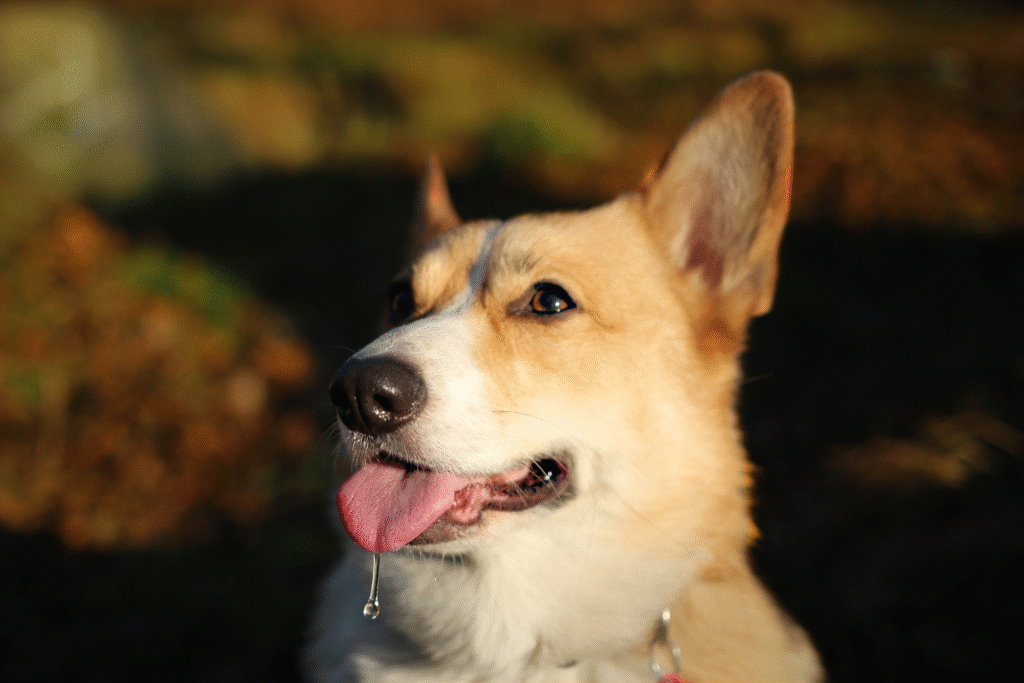
Heavy breathing in a resting dog signals internal turmoil that’s often overlooked. Stress-induced panting differs dramatically from normal temperature regulation or exercise recovery. The rhythm appears irregular and labored, accompanied by other subtle stress signals like dilated pupils or trembling. This physiological response indicates your dog’s fight-or-flight system remains constantly activated, creating chronic exhaustion that compounds their emotional distress.
5. Escape attempts become increasingly desperate and dangerous.

Scratched door frames and damaged window screens tell a story of mounting panic. Dogs with severe separation anxiety will injure themselves trying to reach their owners, showing complete disregard for physical safety. These escape behaviors escalate over time, progressing from gentle pawing to frantic digging and clawing. The desperation behind these actions reveals anxiety levels that border on phobic, requiring immediate intervention to prevent serious self-harm.
6. Vomiting happens specifically after you leave home.
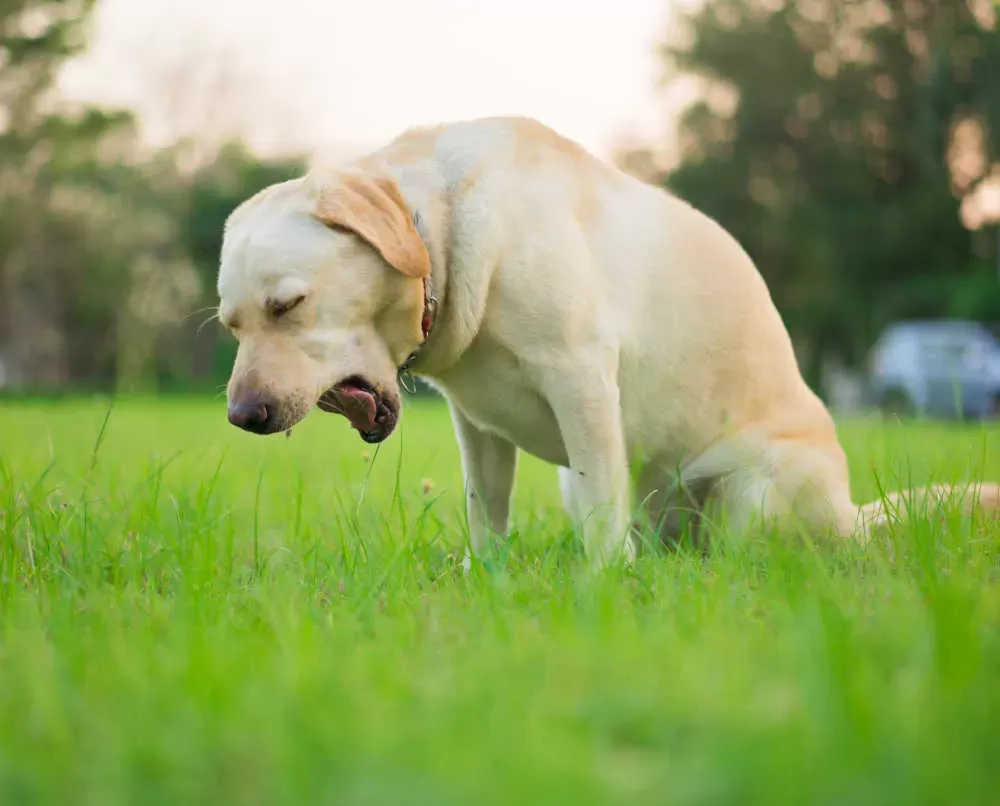
Nausea from anxiety creates a vicious cycle that many owners miss entirely. The stress of separation triggers genuine physical illness, causing your dog to associate your departure with feeling sick. This conditioned response intensifies over time, creating anticipatory nausea that begins even before you actually leave. The timing proves crucial – vomiting that occurs within an hour of departure indicates anxiety rather than dietary issues or other health problems.
7. Your dog refuses food until you return completely.

Loss of appetite during separation reveals anxiety severe enough to override survival instincts. Food represents comfort and security for most dogs, so refusing treats or meals indicates extreme emotional distress. Some anxious dogs won’t even drink water while alone, creating dangerous dehydration risks during longer absences. This self-imposed starvation demonstrates how thoroughly separation anxiety can disrupt normal biological functions and basic self-care behaviors.
8. Repetitive behaviors emerge only when you’re absent.
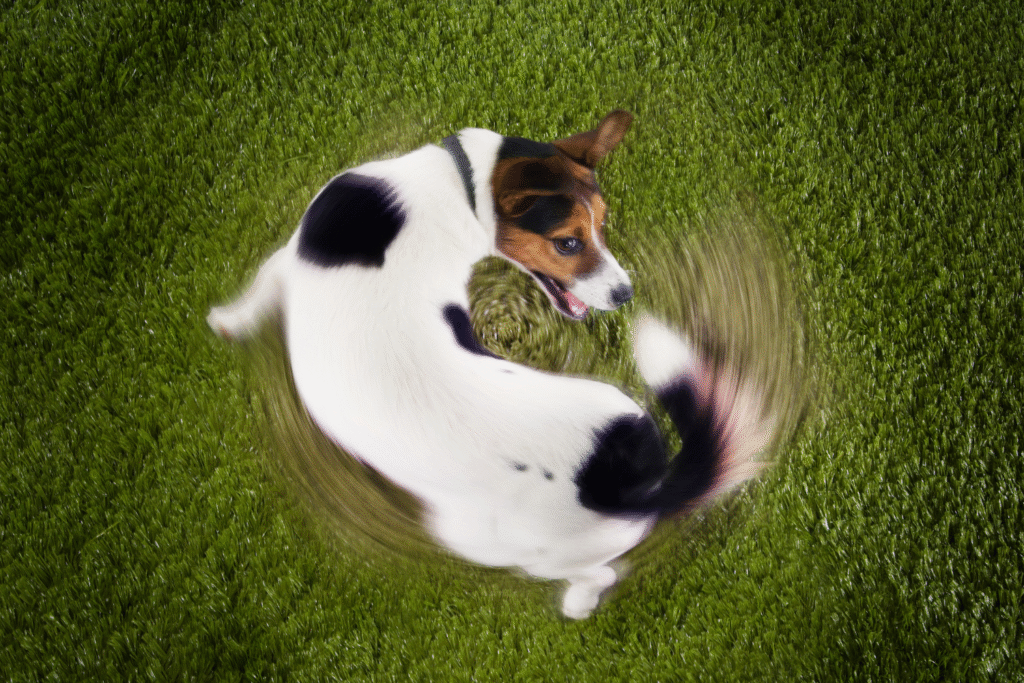
Obsessive tail chasing, excessive licking, or repetitive pacing develops as coping mechanisms for unbearable stress. These stereotypical behaviors mirror human anxiety disorders, representing your dog’s attempt to self-regulate overwhelming emotions. The repetition serves as a mental escape from panic, but it can escalate into harmful self-injury like lick granulomas or raw paw pads. The exclusive occurrence during absences confirms these aren’t playful activities but desperate survival strategies.
9. Neighbors complain about continuous howling and barking.
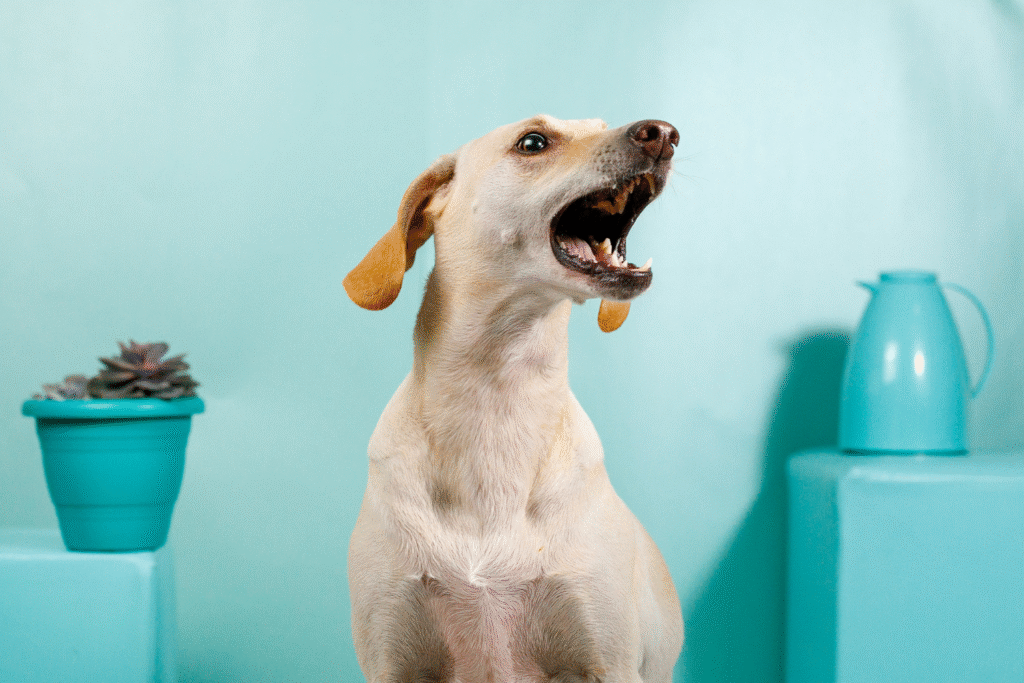
Vocalization serves as your dog’s distress signal broadcast to the world. The intensity and duration of separation-related barking differs completely from territorial alerts or excitement. This continuous vocalization can last for hours, representing your dog’s desperate attempt to call you back home. The neighbors’ complaints often provide the first concrete evidence of how severe your dog’s anxiety becomes once you’re out of sight.
10. Pre-departure rituals trigger visible panic responses immediately.
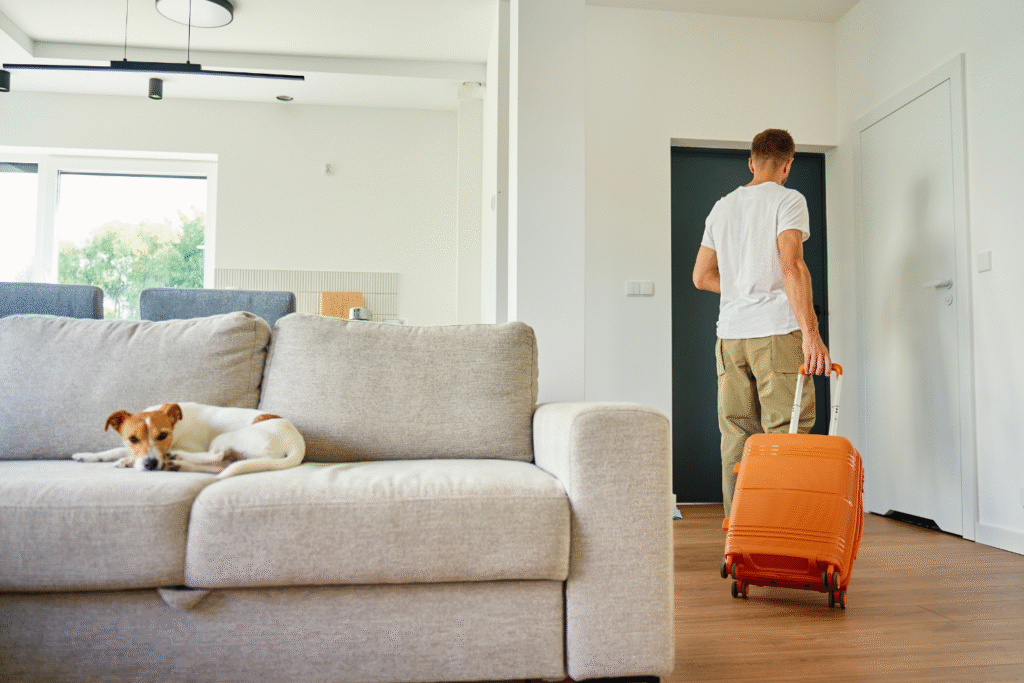
Grabbing your keys or putting on shoes shouldn’t send your dog into a tailspin. Dogs with separation anxiety develop heightened awareness of departure cues, beginning their stress response long before you actually leave. Their bodies start trembling, panting increases, and they may attempt to physically block your exit. These anticipatory reactions show how deeply the anxiety has embedded itself into your dog’s daily experience.
11. Recovery time extends long after your return home.

Normal dogs celebrate homecomings briefly before settling back into routine. Anxious dogs remain hypervigilant for extended periods, unable to believe the separation ordeal has truly ended. They may continue panting, pacing, or clinging behavior for thirty minutes or more after your return. This extended recovery period reveals the depth of trauma your absence creates, showing how thoroughly separation anxiety disrupts your dog’s emotional equilibrium and sense of safety.