
The signs are subtle, the damage often isn’t.

Dogs are remarkably skilled at hiding pain, a survival instinct that works against them in modern homes. Changes come quietly, a skipped meal, a shorter walk, a habit that fades without notice. By the time something feels unmistakably wrong, the body has often been compensating for months or years. Many owners look back and realize the clues were there, just scattered and easy to dismiss. This silence is not indifference or resilience. It is biology. And when it finally breaks, the window for meaningful help is often already closing.
1. Chronic kidney disease starts without obvious warning signs.

According to the American Kennel Club Canine Health Foundation, chronic kidney disease in dogs often begins with subtle dehydration and mild appetite loss that owners easily overlook. The kidneys can lose up to two-thirds of their function before showing outward signs. Dogs may still eat, play, and act normally while toxins slowly build in their bloodstream.
Once the damage becomes visible, vomiting, weight loss, and lethargy, it’s often too late to reverse. Regular bloodwork is the only reliable way to detect it early. The tragedy lies in how normal everything seems until the kidneys quietly fail.
2. Heart disease advances silently in even healthy-looking dogs.

Dogs can live for years with an undiagnosed heart condition, showing only faint hints like heavier breathing or fatigue during walks. Many small breeds develop valve disease, while larger ones face muscle-related cardiac issues. Most owners don’t notice anything unusual until coughing or fainting begins, by which time heart enlargement and fluid buildup are already present, as stated by the American Veterinary Medical Association.
Because dogs instinctively mask weakness, it’s easy to misinterpret signs as aging. By the time you realize it’s heart disease, irreversible changes may have already set in.
3. Diabetes can develop gradually and mimic minor behavior shifts.

As reported by the Cornell University College of Veterinary Medicine, canine diabetes often progresses unnoticed for months. Increased thirst, hunger, or accidents indoors might seem like quirks, not symptoms. Yet during that time, blood sugar levels quietly climb, straining the pancreas and damaging other organs. By the time weight loss and vision changes appear, insulin regulation has already failed.
Routine checkups can reveal elevated glucose long before crisis strikes. It’s the kind of disease that hides in everyday habits—small changes you might not connect until the pieces form a much bigger picture.
4. Hypothyroidism disguises itself as normal middle age.

When a dog starts slowing down, gaining weight, or losing fur, most owners assume it’s just aging. In reality, those can be early signs of an underactive thyroid. The gland’s reduced hormone production slows metabolism, affecting energy, coat quality, and even mood. Because symptoms appear gradually, hypothyroidism often lingers untreated for years.
With simple blood tests, diagnosis is straightforward, yet it’s rarely caught early. That slow creep of fatigue and dullness robs vitality long before it draws enough attention to act.
5. Liver disease often develops without early outward symptoms.
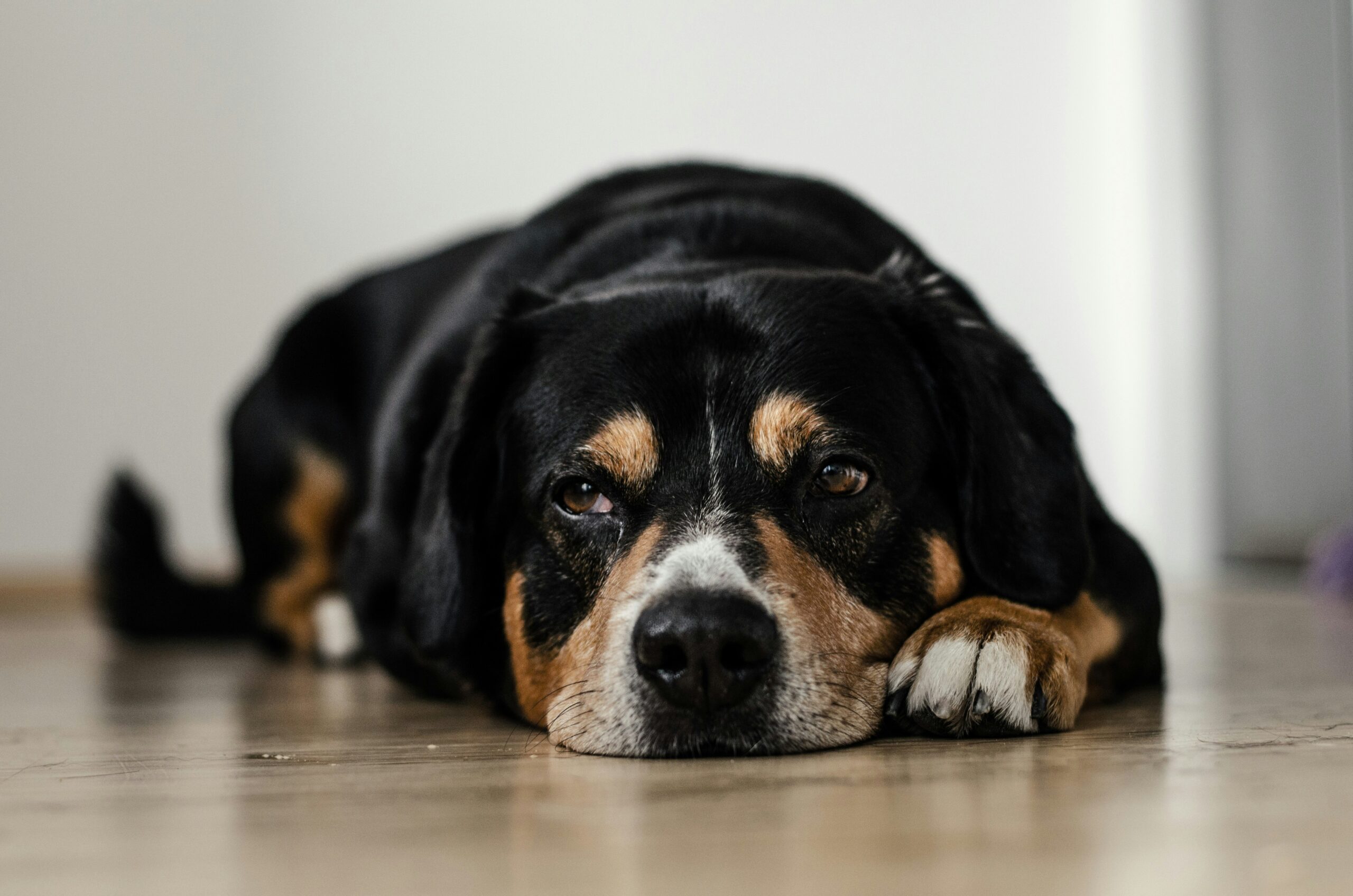
The liver compensates impressively for damage until it no longer can. By the time you notice jaundice, vomiting, or a distended belly, significant injury may have already occurred. Early indicators, mild appetite changes, increased thirst, or confusion, often blend into everyday dog behavior.
Regular screenings are the only reliable way to catch it early. Because so many medications and processed foods burden the liver, hidden damage accumulates over time without clear signals until the tipping point arrives.
6. Cancer can hide beneath a dog’s ordinary behavior.
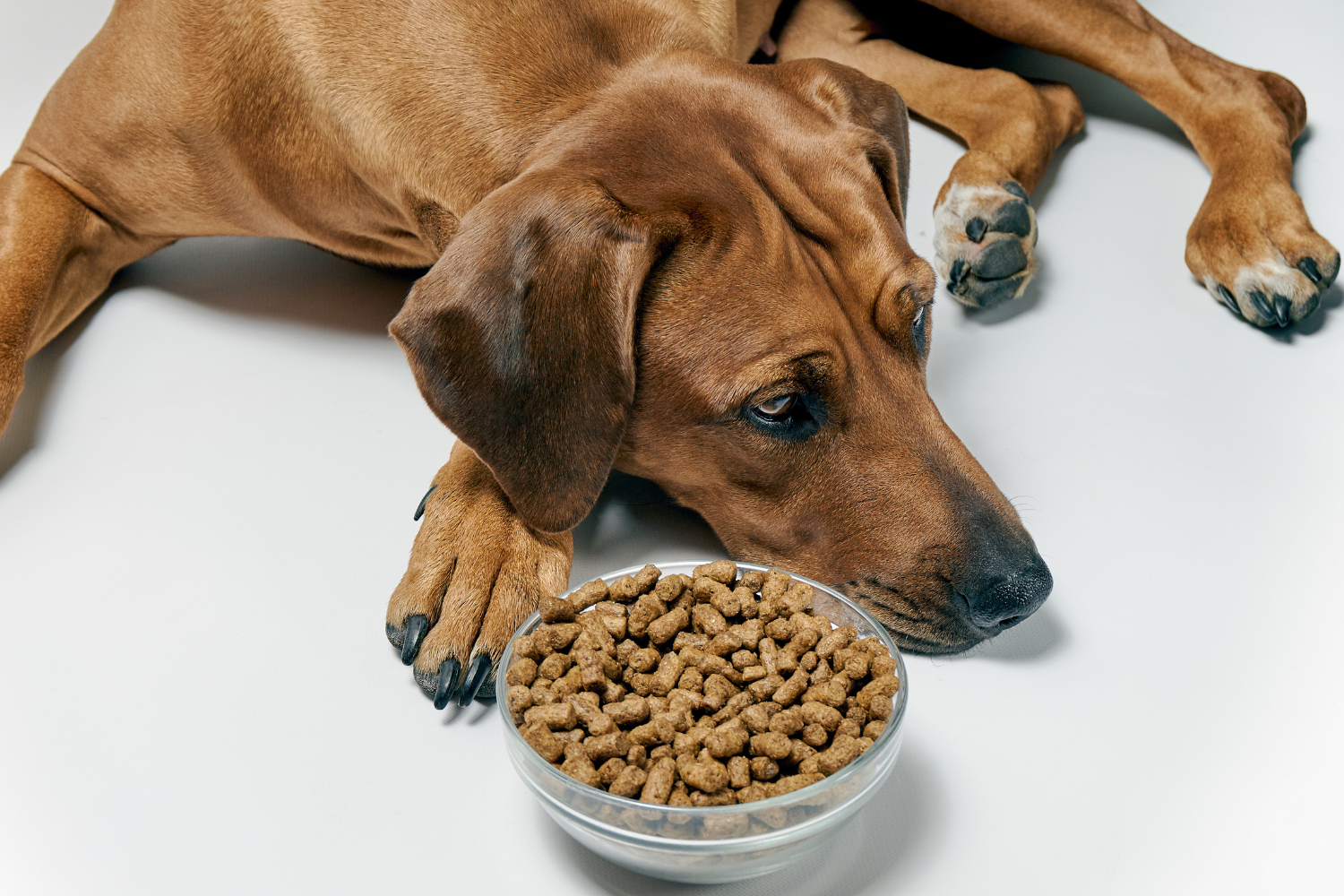
Dogs are experts at masking pain, and cancer exploits that tendency. Tumors can grow in the abdomen, bones, or organs without obvious symptoms until they cause visible swelling or sudden weakness. Some cancers release subtle clues—occasional limping, reduced appetite, or shortness of breath—that are easy to misread.
By the time lethargy or bleeding appears, metastasis may already have spread. Modern diagnostics catch more cases early, but only if owners act on those tiny inconsistencies that once seemed trivial.
7. Cushing’s disease mimics harmless behavioral quirks.
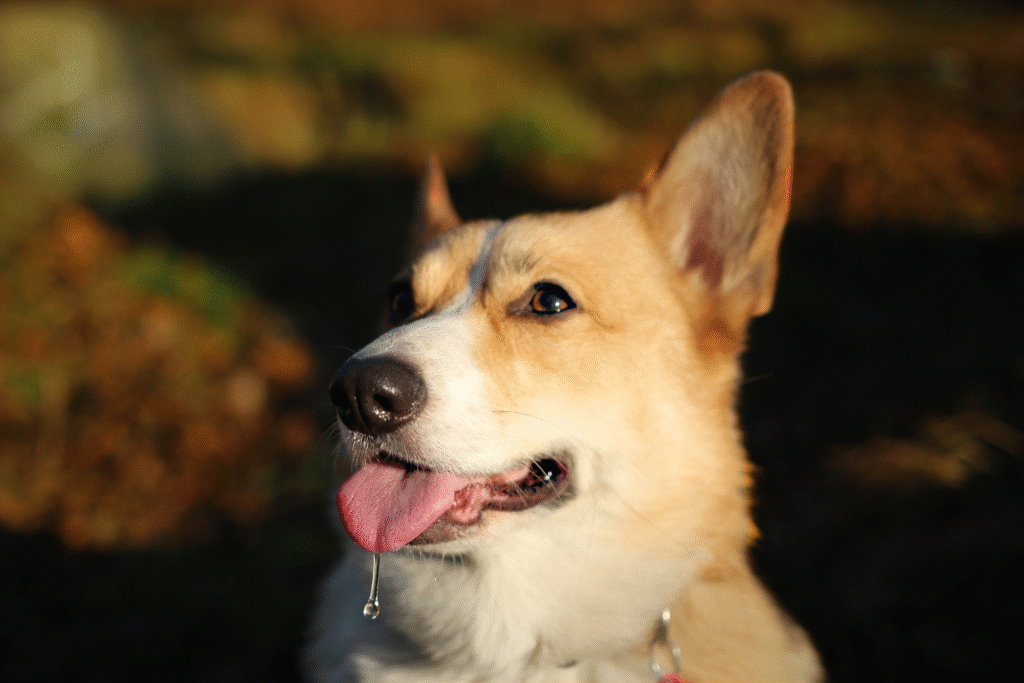
Excess cortisol production can make dogs drink and urinate more, eat voraciously, or pant excessively. These signs are often dismissed as quirks, but they point to serious hormonal imbalance. Left untreated, Cushing’s disease weakens the immune system, thins the skin, and damages internal organs.
It’s a disease that hides in the margins of normal behavior. Dogs may look well-fed and cheerful even as their body chemistry unravels from the inside out.
8. Dental disease quietly poisons the bloodstream.
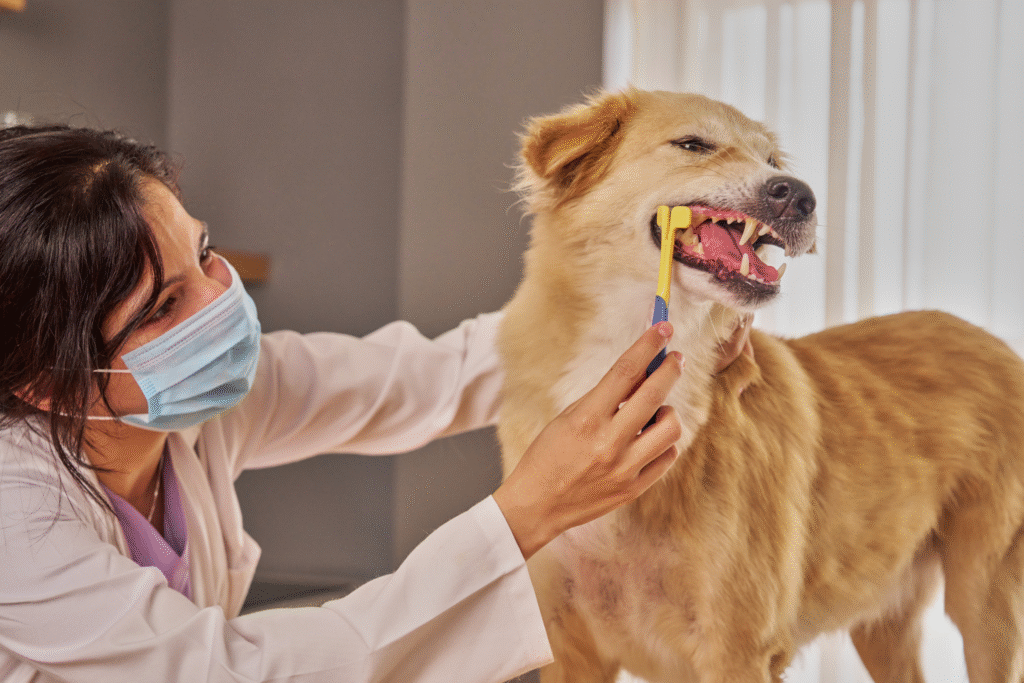
Bad breath is more than a nuisance—it’s often a sign of bacterial infection below the gum line. Over time, that bacteria enters the bloodstream, damaging the kidneys, liver, and heart. Because most dental disease hides beneath the surface, owners only notice once the mouth smells foul or teeth loosen.
Routine cleanings and daily dental care can add years to a dog’s life, yet it’s one of the most overlooked preventive measures. A healthy mouth isn’t cosmetic—it’s systemic protection.
9. Arthritis hides behind subtle behavior changes and posture.

Dogs rarely cry out when joints ache. Instead, they slow down, hesitate to climb stairs, or shift weight slightly while standing. Because these changes unfold slowly, arthritis often goes untreated until pain becomes debilitating.
Early detection means better management with supplements, anti-inflammatories, and weight control. The sooner stiffness is recognized as discomfort, not laziness, the longer a dog can move comfortably through old age.
10. High blood pressure quietly damages multiple organs at once.
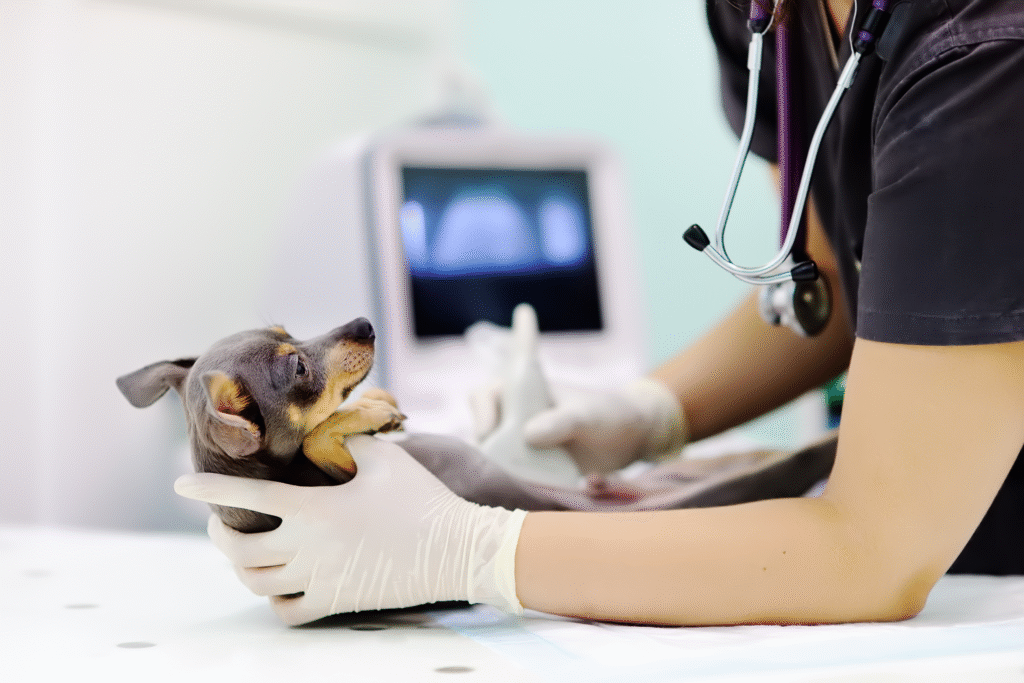
Hypertension in dogs often accompanies kidney disease or hormonal imbalance, but it can also appear independently. Without visible signs, it silently damages the brain, heart, and eyes. You might not notice anything until your dog starts bumping into objects or has sudden nosebleeds—symptoms of advanced pressure damage.
Routine blood pressure checks at the vet are the best defense. It’s a small test that can prevent a chain reaction of organ failure, making it one of the simplest yet most overlooked lifesaving habits in pet care.