
Quiet signals shape herd life every day.
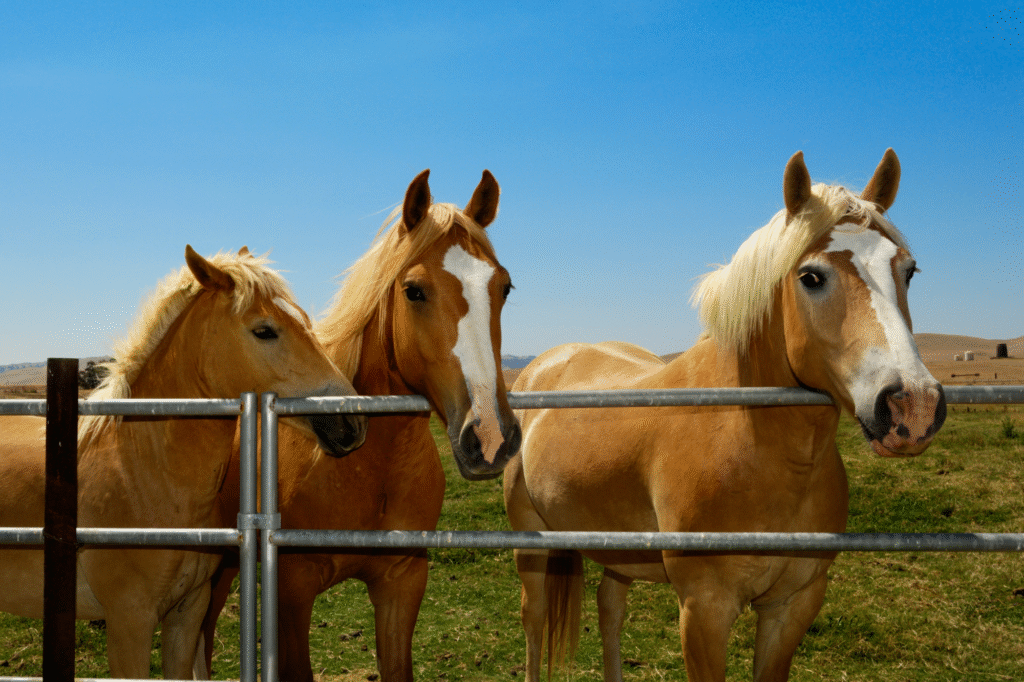
Watch a group of horses standing still in a pasture and it can look like nothing is happening. Yet beneath that calm surface, information is moving constantly. Horses evolved as prey animals, which means loud signals often bring danger. Over thousands of years, they refined silent communication that works across distance, hierarchy, and changing environments. From subtle posture shifts to synchronized movement, horses exchange warnings, reassurance, and intent without making a sound. Much of it happens so fast humans usually miss it.
1. Ear positioning delivers constant emotional updates.
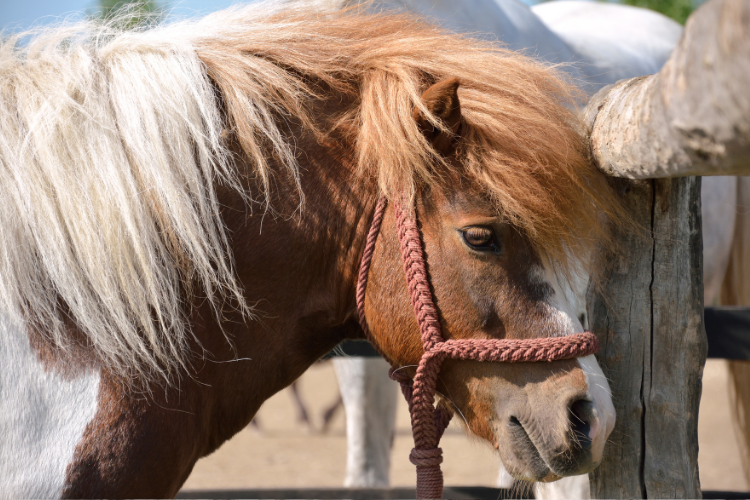
A horse’s ears rotate independently, creating a precise emotional broadcast. Forward ears signal curiosity or focus, pinned ears indicate irritation or threat, and soft sideways ears suggest relaxation. Herd mates read these changes instantly, adjusting their own behavior in response. Even slight flicks can signal attention shifting elsewhere.
Research observing free ranging horses shows ear movement precedes physical action, according to the University of Sussex Animal Behavior Research Group. This allows horses to negotiate space, avoid conflict, and coordinate movement silently, especially in open grazing areas.
2. Tail tension signals mood and impending movement.

The tail acts like a visual meter for emotional intensity. A loose, swinging tail reflects calm engagement with the environment. A stiff or clamped tail signals discomfort, anxiety, or readiness to move away. Other horses notice immediately, often mirroring or giving space.
Studies of herd dynamics have linked tail carriage changes to shifts in group behavior, as reported by the journal Applied Animal Behaviour Science. These cues help herds remain cohesive without vocalizing, especially when grazing in exposed areas where sound could attract predators.
3. Head height quietly announces confidence or concern.
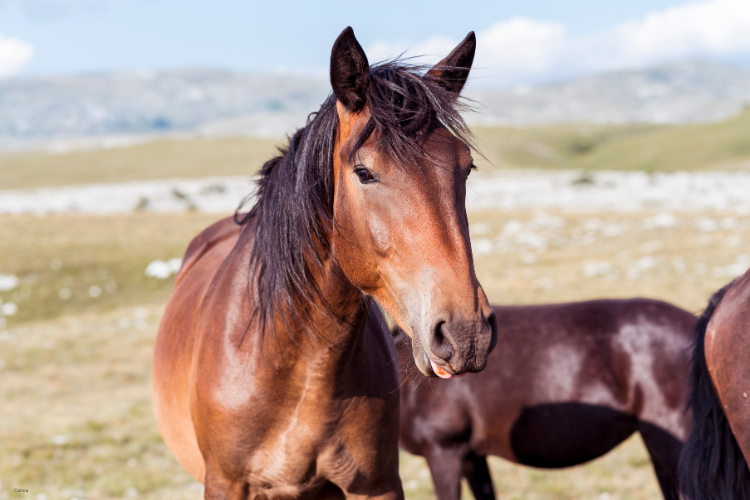
Head position functions as an early warning system. A raised head indicates alertness or uncertainty, often prompting others to scan the surroundings. A lowered head signals safety and encourages grazing. These changes ripple through the group in seconds.
Field observations in semi wild herds show head height shifts often precede collective movement, as discovered by researchers with the International Society for Equitation Science. One horse noticing a distant disturbance can silently prepare the entire herd without a single sound.
4. Subtle weight shifts communicate intent instantly.
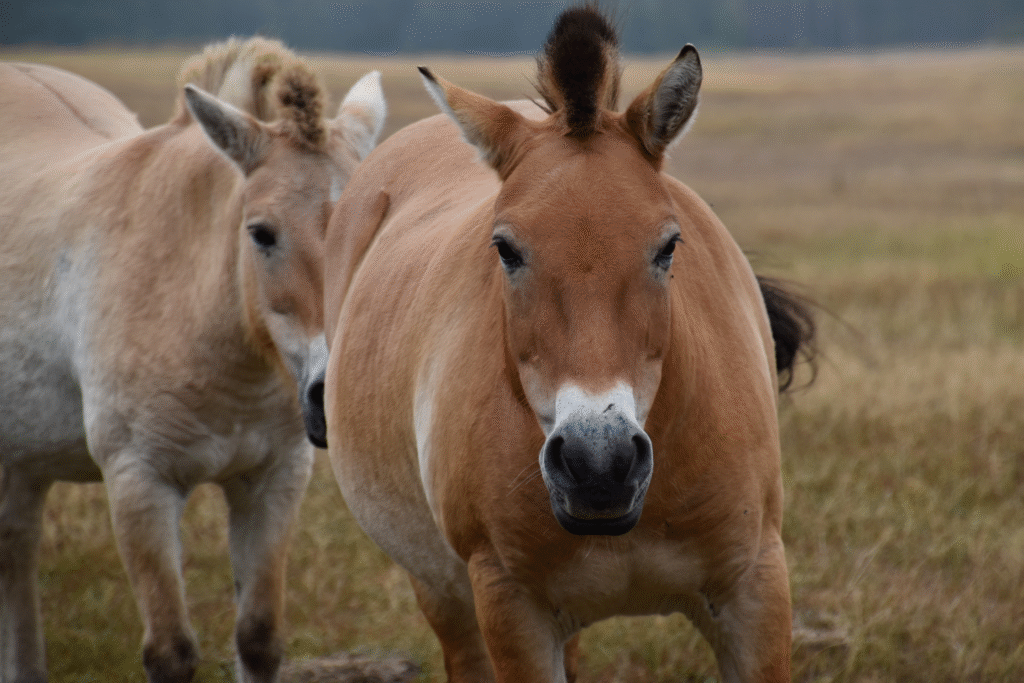
Before a horse steps forward, turns, or bolts, its weight shifts almost imperceptibly. Herd mates watch these micro adjustments closely. A shift onto the hindquarters can signal readiness to flee, while a forward lean suggests curiosity or approach.
These movements allow horses to synchronize actions without chaos. In tight groups, especially near water or shelter, weight cues prevent collisions. Over time, familiar herd members become exceptionally skilled at predicting each other’s next move through posture alone.
5. Spatial positioning defines hierarchy without aggression.
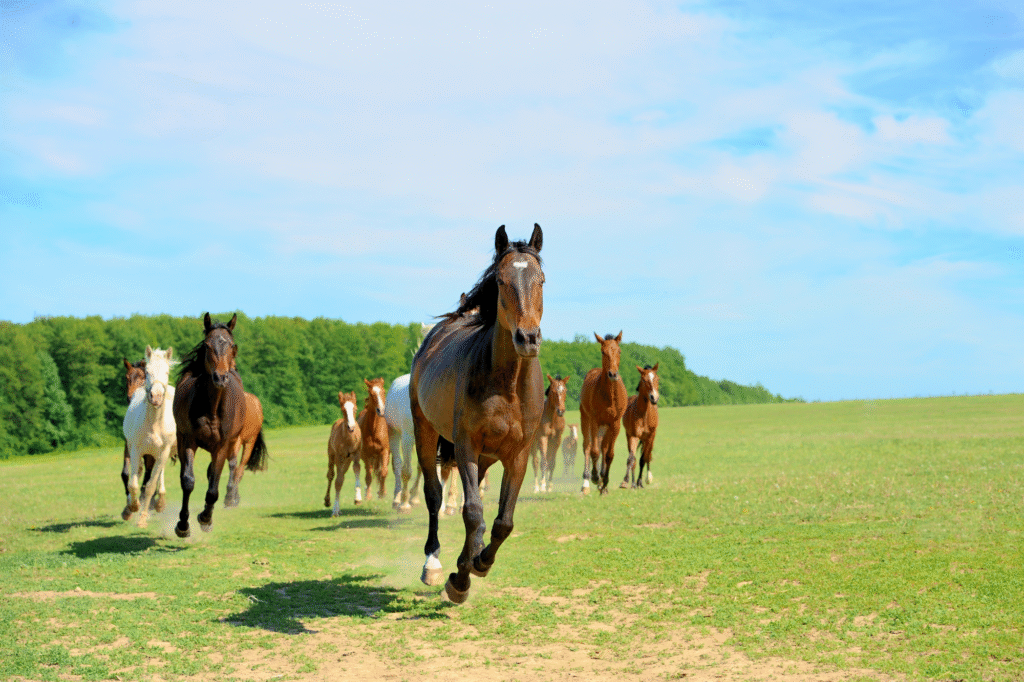
Dominance in horse herds rarely requires physical conflict. Higher ranking horses control space by where they stand and how others reposition around them. A single step into another’s space can send a clear message.
Lower ranking horses yield by moving away or adjusting angle. This constant negotiation maintains order without noise or violence. In stable herds, these patterns remain consistent, allowing younger or weaker horses to move safely by reading placement rather than testing boundaries.
6. Eye focus directs group attention silently.
Horses have wide vision, but eye focus still matters. When one horse locks its gaze on a distant object, others often follow the line of sight. This shared attention spreads awareness quickly.
In open landscapes, this visual relay helps herds monitor threats without panic. The signal is subtle yet powerful. A few seconds of focused staring can shift the entire group from relaxed grazing to alert readiness, all without a sound breaking the quiet.
7. Breathing rhythm influences nearby horses.
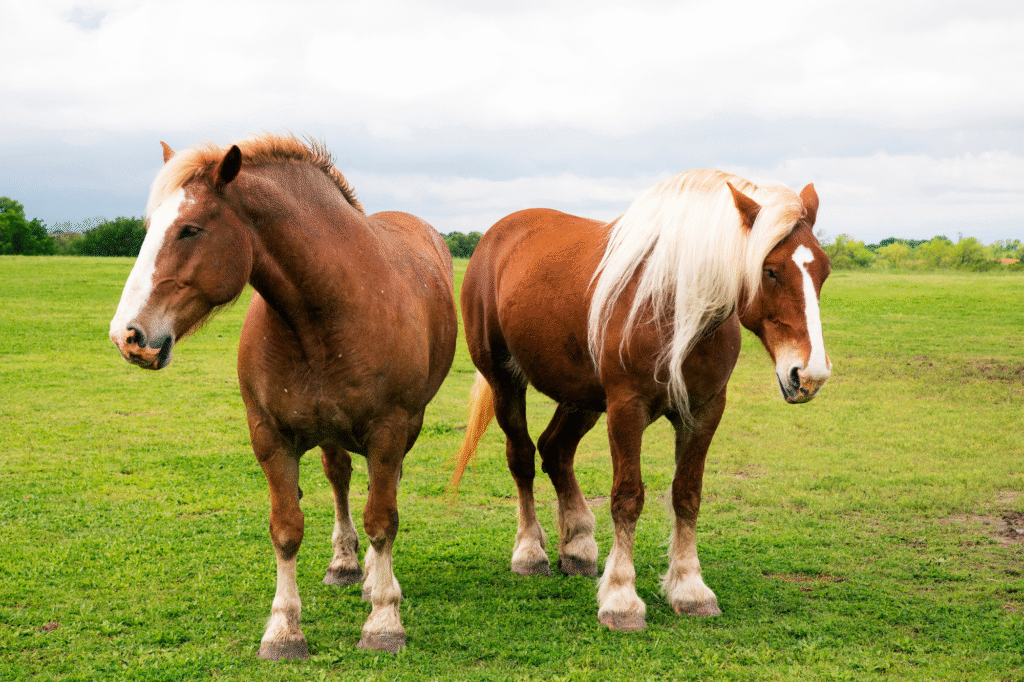
Horses are sensitive to changes in breathing rate among herd members. Rapid breathing can signal stress or danger, while slow rhythmic breathing promotes calm. Nearby horses often subconsciously match these patterns.
This physiological syncing helps regulate group stress levels. In confined spaces like barns or trailers, one anxious horse can raise tension, while a calm individual can settle others. The exchange happens silently through shared air and proximity rather than vocal cues.
8. Neck angle conveys invitation or warning.

A stretched neck with relaxed muscles invites approach or social grooming. A stiffened neck angled toward another horse signals warning without escalation. These signals are clear within horse social language.
They allow horses to manage relationships while minimizing injury risk. Especially during feeding or rest, neck positioning keeps interactions orderly. Over time, familiar horses learn each other’s thresholds, reducing misunderstandings and reinforcing trust through consistent nonverbal cues.
9. Movement synchronization builds group cohesion.

Horses often begin walking, stopping, or grazing simultaneously without a leader calling the change. Small timing cues ripple outward as individuals mirror neighbors. The result looks effortless.
This synchronization reduces vulnerability by keeping the herd unified. Predators target isolation. Silent coordination ensures safety. Even domestic horses retain this instinct, often matching the pace and posture of companions in pastures, arenas, and turnout areas.
10. Stillness itself functions as meaningful communication.
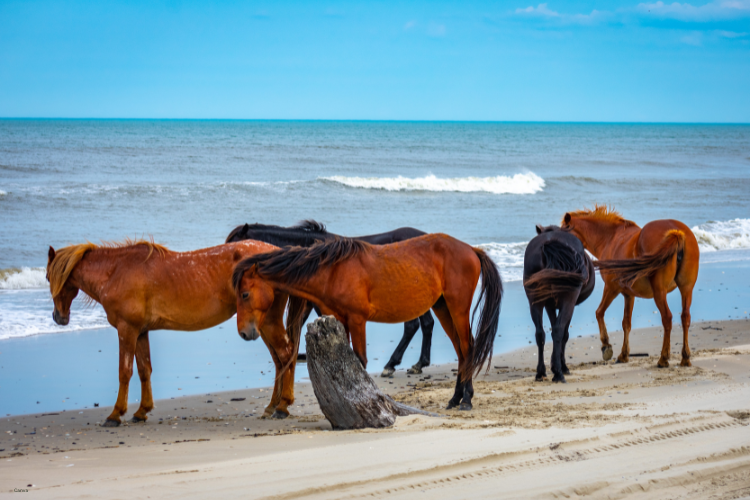
Complete stillness is not inactivity in horse language. When multiple horses freeze, it signals shared assessment of the environment. Movement pauses until enough information is gathered visually.
This collective stillness prevents rash reactions. One horse breaking the freeze can signal either safety or urgency, depending on posture. In this way, silence and immobility become some of the most powerful communication tools horses use to survive together.