
Early social gaps quietly reshape adult feline behavior.
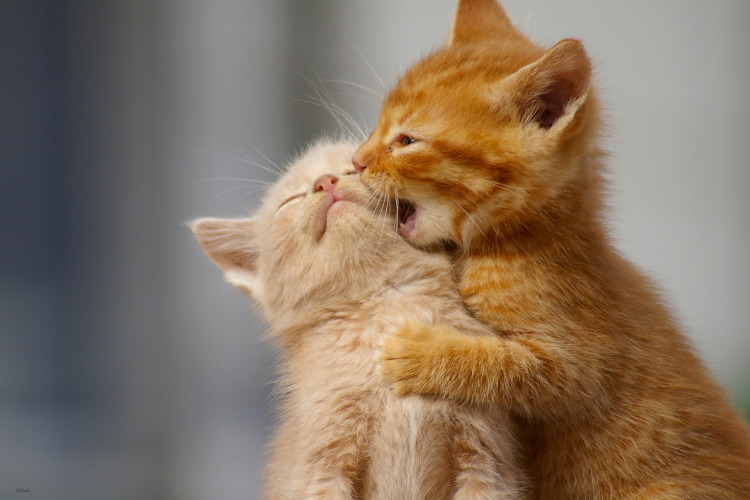
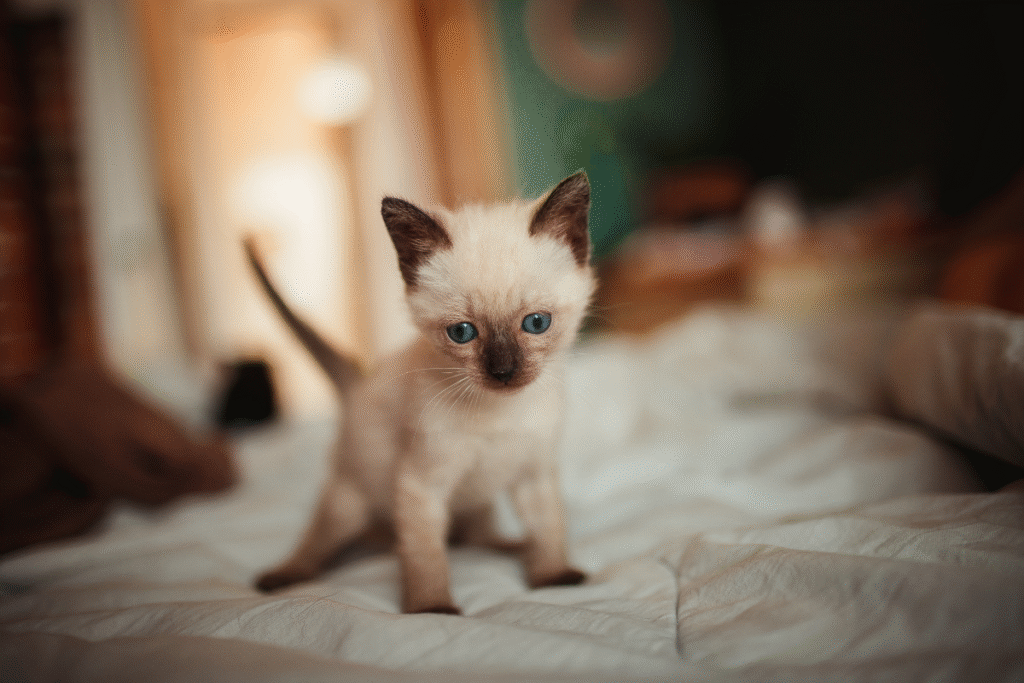
A single kitten raised without siblings rarely looks different at first. Food arrives on time. Hands replace littermates. The environment feels calm, controlled, even ideal. Yet researchers have long flagged these situations as quietly consequential. Social learning normally unfolds through constant friction. When that friction disappears, development does not stop. It simply redirects. The effects stay hidden for months or years. Adult behavior becomes the first real signal, surfacing differences that feel emotional, puzzling, and difficult to trace back to those earliest weeks.
1. Solo kittens often misread physical interaction cues.

Play usually teaches kittens when movement crosses a line. Without siblings, physical feedback stays limited and inconsistent. Early interactions seem gentle, yet calibration never fully settles. Nothing feels wrong until strength increases.
As adults, touch can escalate too quickly or shut down abruptly. Play becomes mismatched. Signals arrive late. This pattern appears consistently in behavioral observations of singly raised kittens, according to the International Society of Feline Medicine, which links early peer interaction to accurate physical communication development.
2. Frustration tolerance develops unevenly without litter feedback.
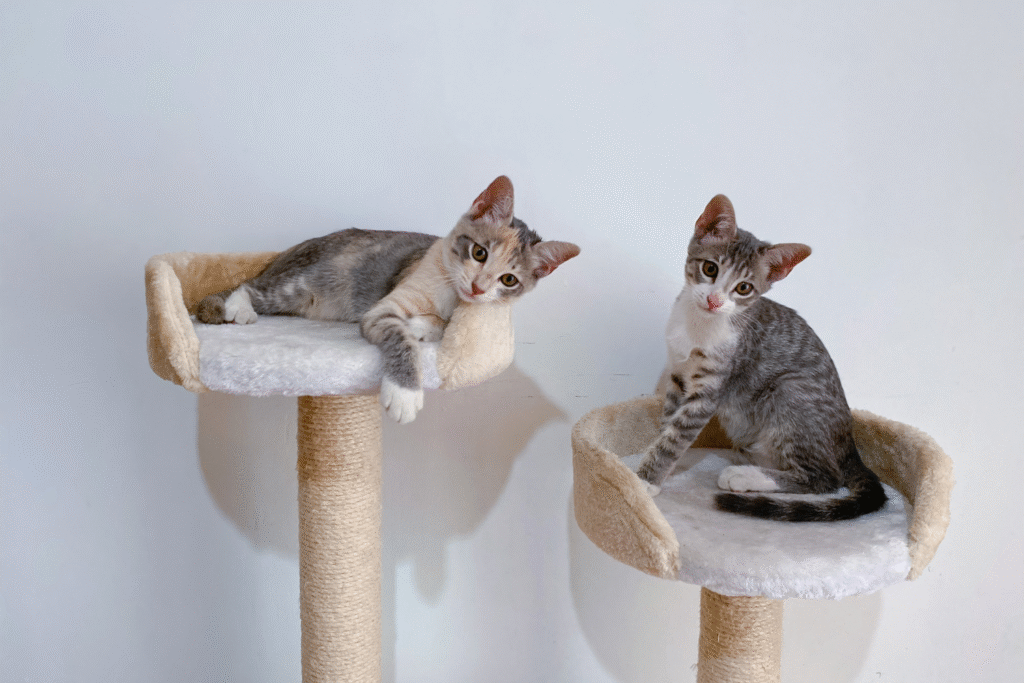
Littermates interrupt constantly. Food shifts. Toys disappear. Those moments teach patience without instruction. A kitten raised alone encounters fewer obstacles and fewer small losses.
Later, frustration rises faster. Waiting feels heavier. Blocked access triggers stronger reactions. These responses often appear disproportionate. Veterinary behavioral frameworks describe early social buffering as essential for frustration tolerance development, as stated by the American Veterinary Medical Association when outlining feline behavioral maturation processes.
3. Bite control often lacks fine tuning alone.
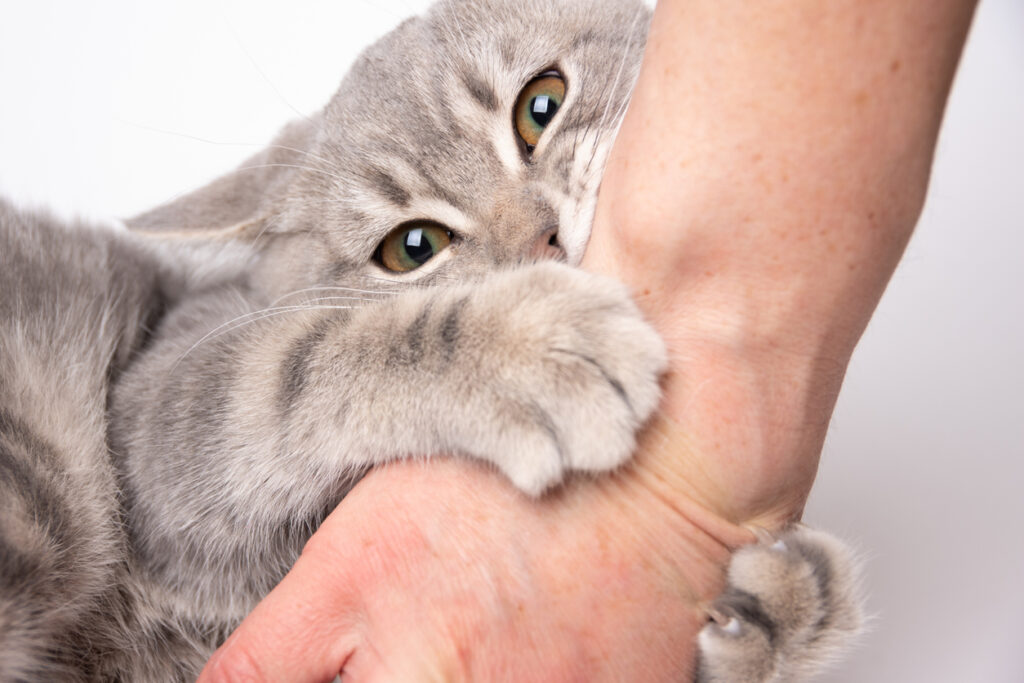
Bite inhibition develops through immediate correction. A sibling squeals. A mother intervenes. Without those moments, learning shortens. Teeth meet skin without feedback.
As adults, solo raised cats may nip during excitement or stress without clear warning. The intent is absent, yet the behavior persists. Studies tracking feline play patterns connect incomplete bite inhibition to solitary rearing conditions, as reported by the Journal of Feline Medicine and Surgery.
4. Play styles may appear rigid or repetitive.
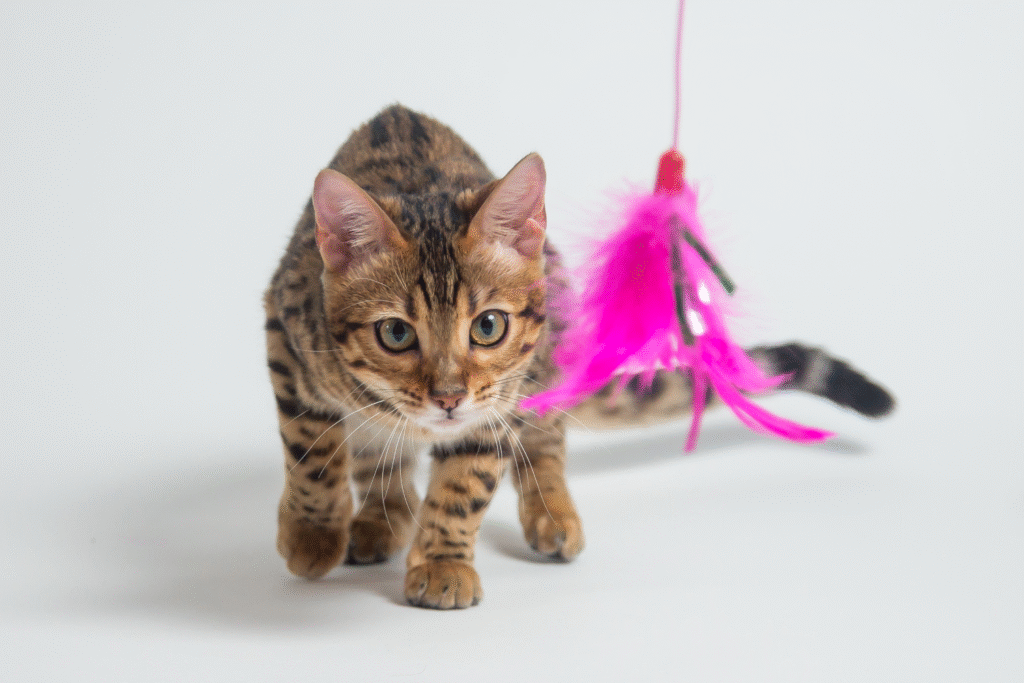
Without siblings, play becomes self directed early. Toys replace bodies. Movement patterns repeat without interruption. Variety fades quietly.
In adulthood, play preferences narrow. The cat favors specific toys, sequences, and timing. Novelty disrupts rather than enriches. What appears focused is often limited adaptability, shaped during solitary early exploration when improvisation never fully developed.
5. Social confidence can mask underlying uncertainty.
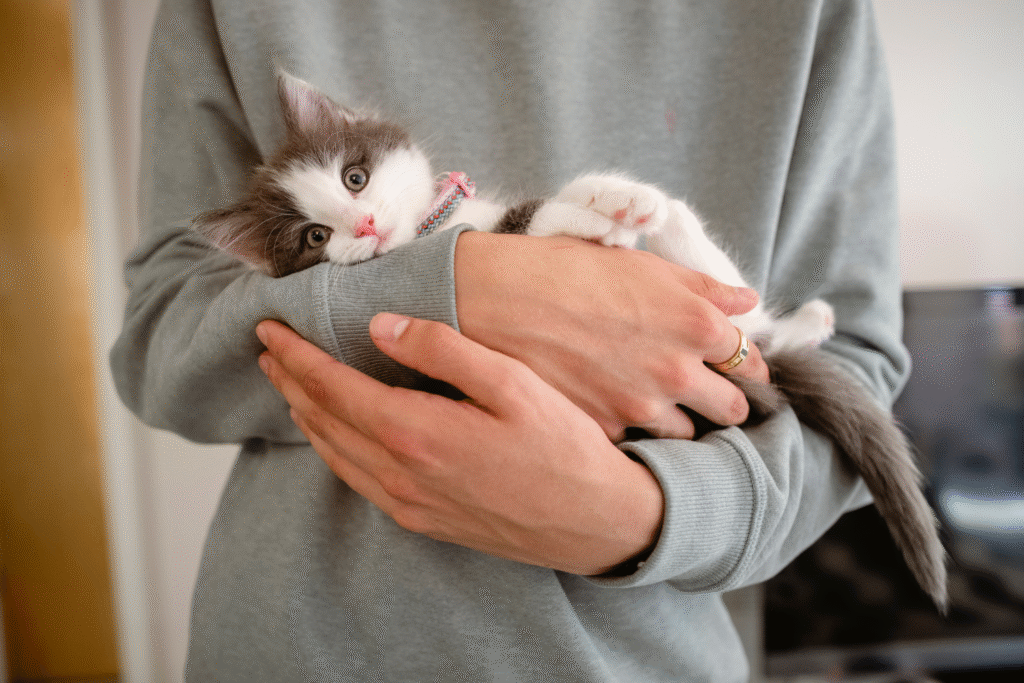
Solo kittens often appear bold. They approach humans easily. Fear seems minimal. Confidence forms quickly without sibling comparison.
As adults, responses swing. Some cats over engage. Others withdraw suddenly. Signals are missed. Reactions feel intense. The confidence remains, but it rests on a narrower foundation shaped without continuous peer correction.
6. Stress recovery may take longer than expected.
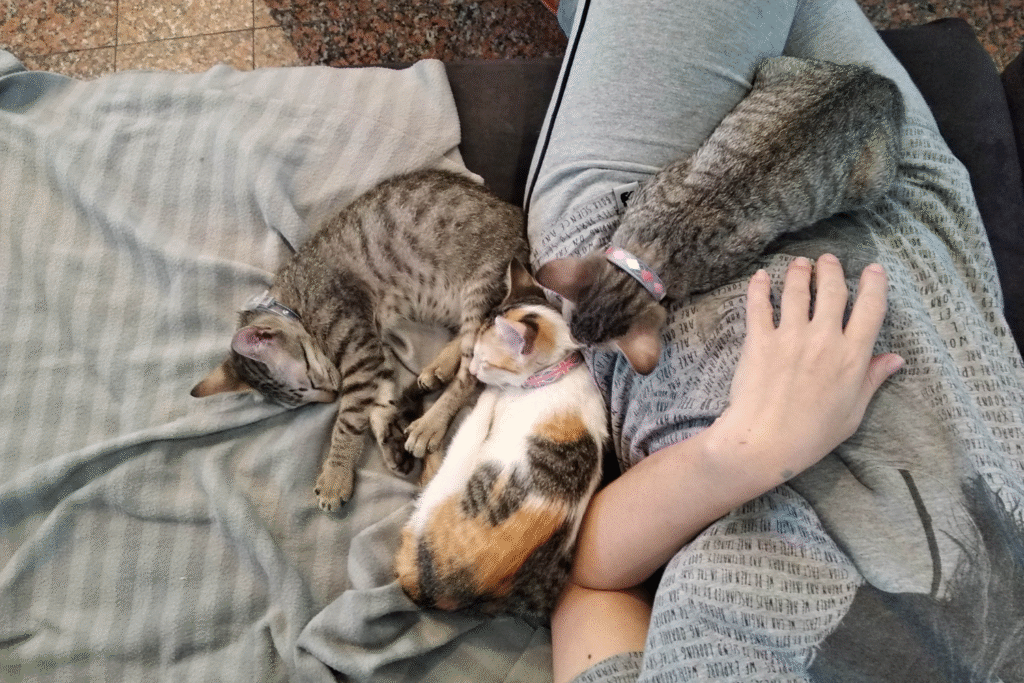
Littermates regulate each other constantly through warmth, touch, and rhythm. Shared sleep lowers arousal and teaches recovery after excitement. Alone kittens must self regulate earlier, without borrowed calm. That independence looks functional, yet it forms under pressure, not guidance, leaving regulation skills thinner than they appear over time quietly emerging.
Later stress responses linger longer than expected. Calm returns slowly after disruption, even when safety is restored. These cats are not fragile. Their nervous systems practiced coping alone first, resilience later. Releasing tension becomes harder because early development emphasized endurance rather than recovery during formative weeks without shared regulation cues.
7. Sleep patterns may reflect early vigilance habits.
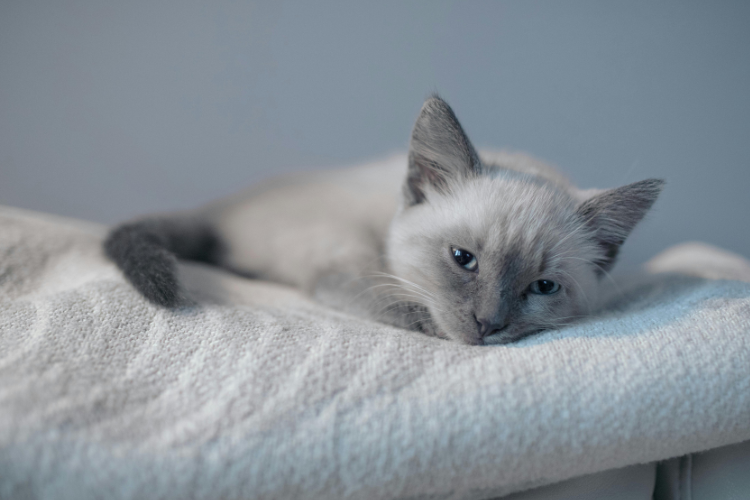
Group sleeping teaches safety through proximity and synchronized breathing. Alone kittens rest lightly, change positions often, and monitor surroundings. Alertness becomes habit rather than response. Nothing seems wrong early on, but rest never fully deepens, shaping sleep as a task instead of restoration across development, quietly persisting into adulthood later.
As adults, frequent location changes and shallow rest appear without clear cause. Nighttime movement increases. Sleep interruptions multiply. These patterns rarely disrupt households directly, yet they persist. Early vigilance remains active, reflecting an upbringing where safety depended on awareness rather than shared rest during early solitary developmental periods long past.
8. Communication with humans can become exaggerated.
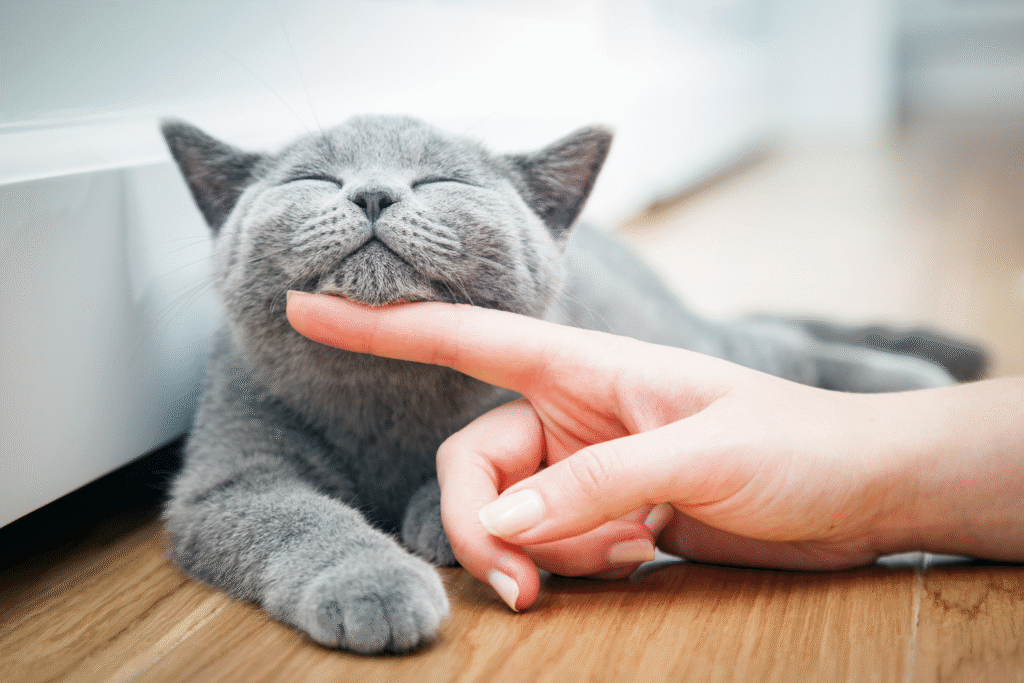
Without siblings, communication relies heavily on humans. Vocal sounds replace physical negotiation. Meows stretch longer. Volume rises. Urgency fills the gap. Early reinforcement is inconsistent, shaping expression that works, yet lacks calibration learned through constant peer response during formative weeks, creating patterns that persist into adult social interactions later on.
Adult cats raised alone may vocalize intensely or frequently, even for simple needs. The message arrives louder than necessary. Communication succeeds, but emotional tone skews high. Early reliance on human interpretation shaped signals that demand response rather than invite dialogue from caregivers who responded inconsistently across situations and contexts early.
9. Adaptability may rely heavily on routine stability.
Litter raised kittens adapt amid constant disruption. Alone kittens grow within predictable rhythms. Stability becomes protective rather than optional. That foundation feels comforting, yet it narrows tolerance. Change registers quickly, creating reliance on sameness to maintain emotional balance during development, quietly shaping adult expectations around environment, routine, and predictability later.
As adults, routines anchor behavior more strongly than expected. Small disruptions accumulate. Flexibility exists, but effort increases. Stability soothes disproportionately. Coping strategies favor environmental control over internal adjustment, revealing how early predictability became central to emotional management when social variability was limited during solitary kittenhood periods of growth and learning.
10. Behavioral differences often surface gradually over years.

Behavioral differences rarely appear immediately. Many solo raised cats seem typical for years. Development appears complete. The early gap stays hidden until life adds complexity, testing skills that never fully formed under social pressure during kittenhood, where peers normally provide constant feedback and correction shaping adult resilience later on gradually.
As environments shift, demands rise, and bodies age, behavior changes surface slowly. Owners search recent causes. The origin sits far earlier. Independence carried these cats forward, until circumstances asked for flexibility their early world never required during shared development, leaving gaps revealed only through time, stress, and accumulated experience later.