
One missed walk can quietly reshape your dog’s behavior.
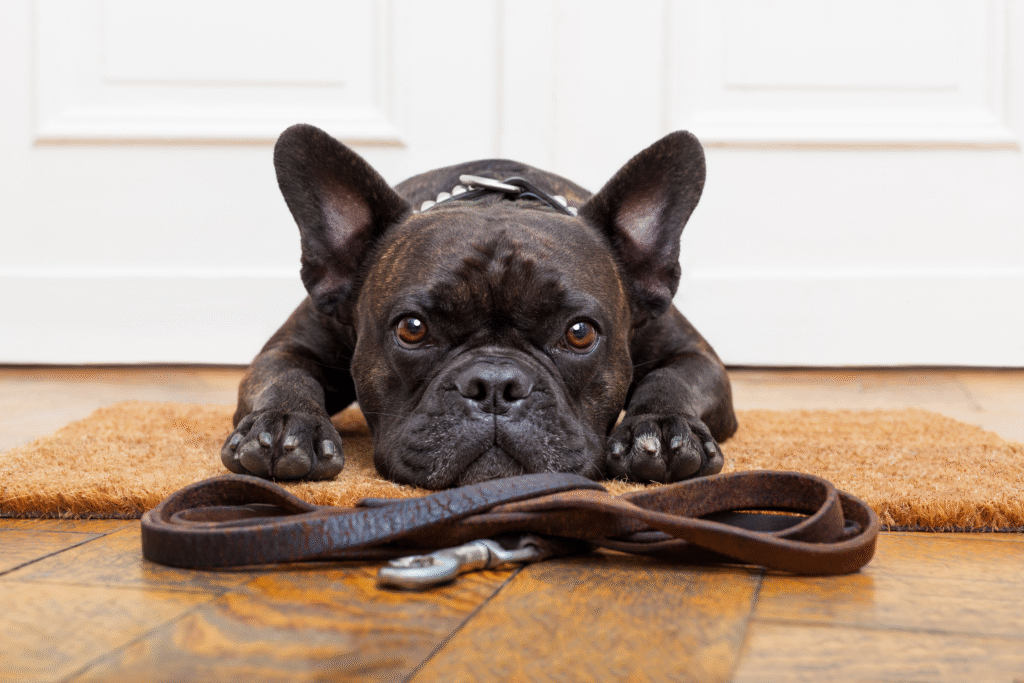
Most owners think skipping a walk now and then isn’t a big deal. But new studies show that even small breaks in a dog’s daily routine can ripple through their mood, energy, and emotional balance. Walking isn’t just about exercise—it’s your dog’s main source of mental stimulation and social learning. Without it, their world becomes smaller, stress builds, and behavior starts to shift. One missed outing might not cause chaos immediately, but it can start a subtle change that, over time, transforms your dog’s personality in ways you might never expect.
1. Dogs with fewer walks show more stress-related behaviors.

When dogs miss regular walks, they often develop behaviors that look like “bad manners” but are really symptoms of frustration. Researchers from the University of Pisa found that dogs walked daily were calmer and less likely to bark excessively, jump, or destroy household items. Missing those outings strips away their primary outlet for physical and mental release. They start creating their own stimulation—barking at shadows, pacing, or chewing furniture. That’s not rebellion—it’s unmet need. The walk is how they decompress and regulate emotions; take it away, and their stress has nowhere to go.
2. Missing walks shrinks their mental world and confidence.
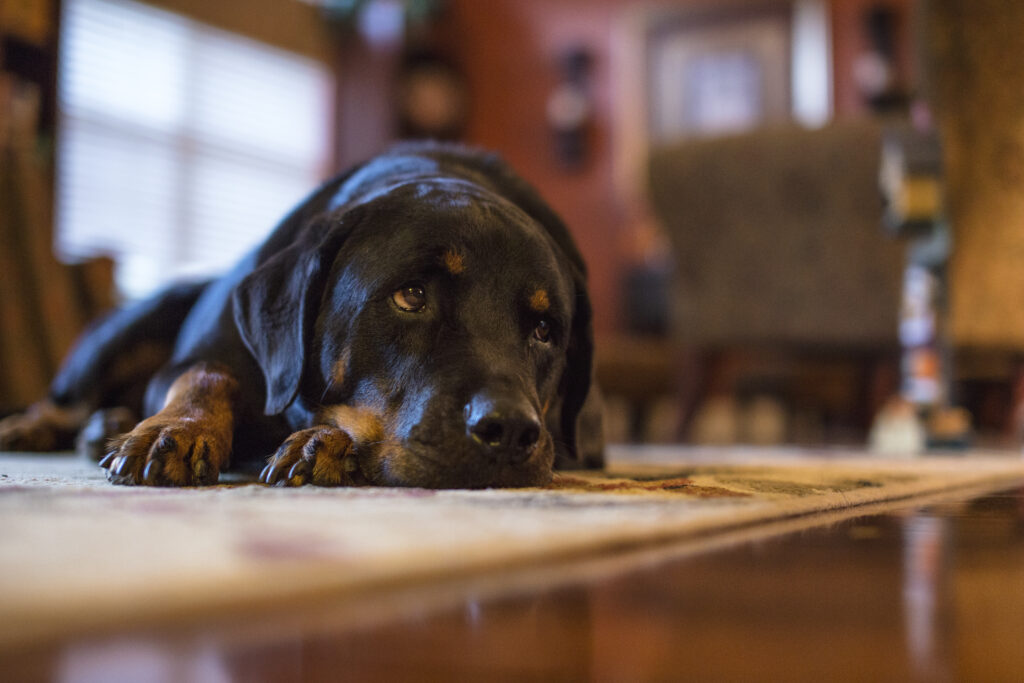
Every outing is a sensory adventure—a flood of smells, textures, and sounds that keep a dog’s brain active and curious. When that disappears, so does a big part of their mental engagement. As stated by behavioral specialists, dogs deprived of consistent walks show more anxiety, especially in unfamiliar settings. Imagine being stuck in the same room for days; curiosity fades, and the smallest new thing feels overwhelming. Skipping a walk doesn’t just rob them of exercise—it limits their mental growth and confidence in navigating the world.
3. Routine walking strengthens trust and emotional stability.
A daily walk isn’t only about distance—it’s a ritual of connection. Dogs thrive on predictability, and when that routine is broken, their sense of security can waver. Researchers studying owner–dog bonds discovered that consistent walking habits build stronger trust and smoother communication. When walks vanish, uncertainty creeps in. Dogs may become clingier, defiant, or withdrawn because the structure that centers them is missing. In a way, every walk tells your dog: “You can count on me.” Without that signal, confusion often fills the space.
4. Skipping walks creates pent-up energy that turns into frustration.

A dog’s body is designed for movement. When that drive isn’t met, the energy doesn’t disappear—it redirects. It might come out as zoomies at midnight, barking at nothing, or chasing every moving thing outside. It’s not disobedience; it’s overflow. Even calm dogs can become restless or irritable when their daily outlet is gone. Over time, frustration reshapes temperament. A once easygoing dog might turn tense or reactive simply because the natural rhythm of movement and rest was disrupted. Energy has to go somewhere—and without walks, it often turns against them.
5. Walking regulates hormones and balances their mood.
When a dog walks, its body releases serotonin and dopamine—the same chemicals that regulate human happiness. Those chemicals calm the nervous system and reduce anxiety. Skip a few walks, and the hormonal balance shifts. Stress hormones like cortisol rise, making your dog edgier, less tolerant, and more easily triggered. The difference can be dramatic: a few missed days can turn a relaxed companion into one who seems on edge for no reason. Regular movement isn’t luxury—it’s biological therapy for your dog’s mental health.
6. Walks keep social skills sharp and reactions balanced.

A walk is your dog’s version of social networking. They see other dogs, meet new people, and read thousands of scent messages in the air. These micro-interactions teach patience, tolerance, and communication. Without them, social confidence fades. Dogs become less adaptable and more reactive to stimuli that once seemed normal. Skipping walks for too long can make a dog feel isolated in their own neighborhood, and when they finally do get out, they may overreact—lunging, barking, or retreating. Regular walks don’t just build muscle; they build social grace.
7. Older dogs lose sharpness faster without daily stimulation.
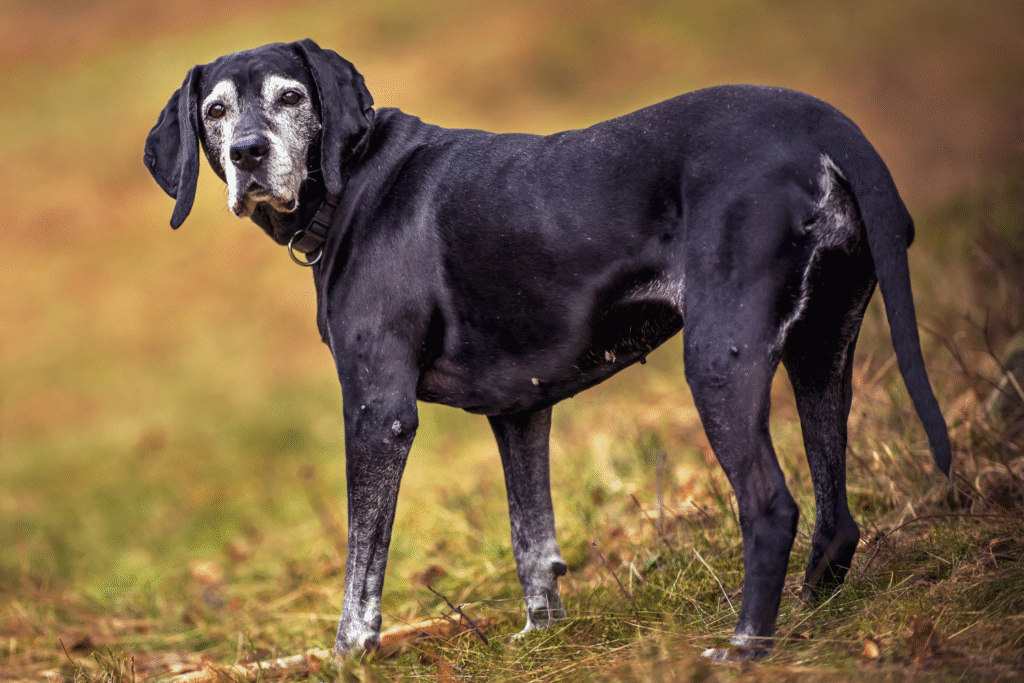
Aging dogs need walks as much as, if not more than, younger ones. The steady rhythm of walking helps maintain joint health, sensory awareness, and cognitive function. When walks stop, older dogs often show signs of mental dullness—hesitation, disinterest, even mild confusion. Studies on canine cognitive decline show that consistent physical and mental exercise delays these symptoms significantly. For senior dogs, a walk isn’t just enrichment—it’s preservation. Each outing keeps their brain and body in sync, keeping that spark of curiosity alive for longer.
8. Skipping one day can disrupt the entire rhythm.
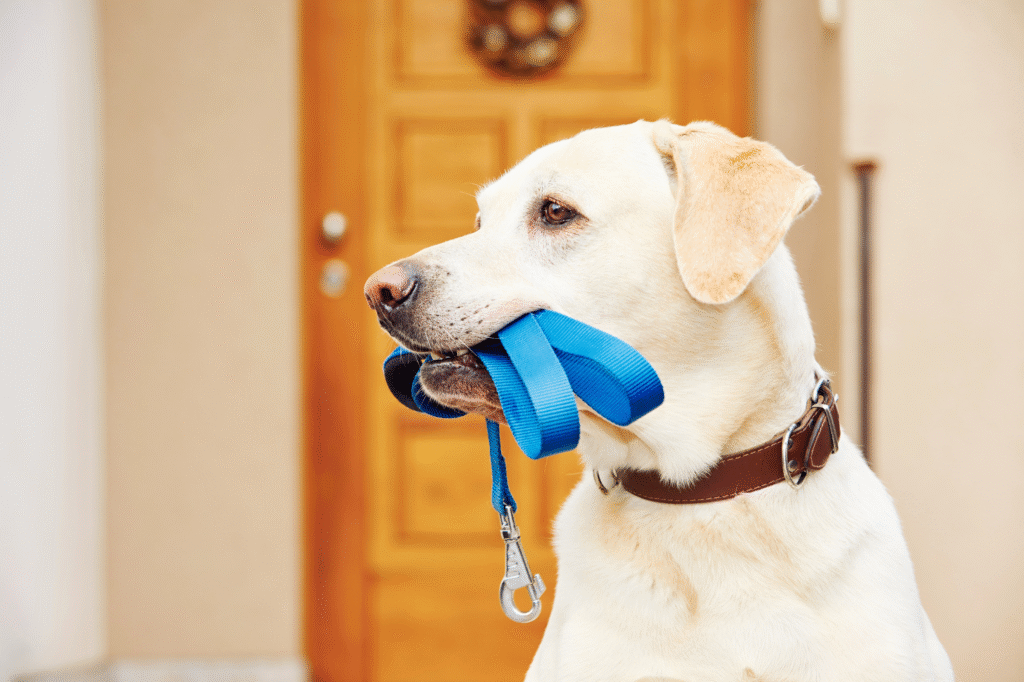
One missed walk can feel harmless, but it can throw off a dog’s internal rhythm—the timing of energy, hunger, and rest. Dogs are creatures of habit. When a key routine disappears, their body clock shifts, and so does their behavior. They might become restless at night or refuse meals. The change in predictability subtly breeds anxiety. Once inconsistency creeps in, regaining stability takes effort. A steady daily walk anchors everything from digestion to temperament, serving as the silent metronome of your dog’s day.
9. The good news—regular walks can restore balance fast.

The positive effects of returning to routine are almost immediate. Dogs who resume daily walks often relax within days, showing calmer energy and softer reactions. Behaviorists suggest focusing on quality, not just quantity: letting dogs sniff, explore, and lead sometimes. The brain engages, the tension melts, and balance returns. It’s a reset button nature built right into your leash. Even short walks, done consistently, rebuild the rhythm that defines a well-adjusted dog. The change is quiet but unmistakable—their confidence comes back.
10. One walk a day keeps their spirit grounded and content.

More than a habit, walking is a dog’s window to the world—a way to feel alive, curious, and connected. Skipping it may save time, but it costs peace. A consistent walk tells your dog the world is safe and worth exploring, that their needs are understood. It’s a simple ritual that shapes personality, mood, and trust. In the end, that daily walk isn’t a chore—it’s how your dog stays emotionally whole. You’re not just walking their body; you’re walking their mind back into balance.