
Elevate your dog’s world beyond simple walks.
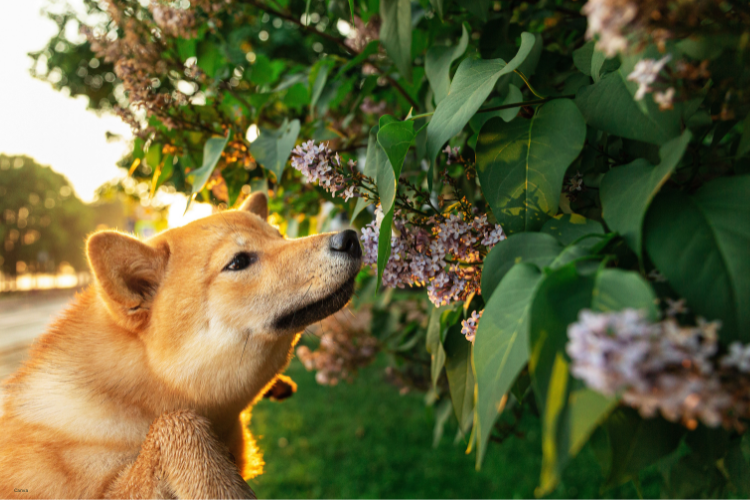
Dogs thrive when their routines engage body and mind, yet many walks focus only on getting miles in. “Sniffaris”, those slow, nose-driven adventures, are changing how experts understand canine enrichment. Studies show that when dogs follow scents freely, their heart rates drop and anxiety eases. The experience isn’t just exercise; it’s a sensory exploration that reconnects dogs with instincts long dulled by routine. Enrichment isn’t a luxury, it’s mental health care disguised as fun. By layering new, stimulating activities into your dog’s daily life, you transform ordinary moments into experiences that bring out their confidence, calm, and joy.
1. Give your dog slow-paced scent walks that engage their nose.
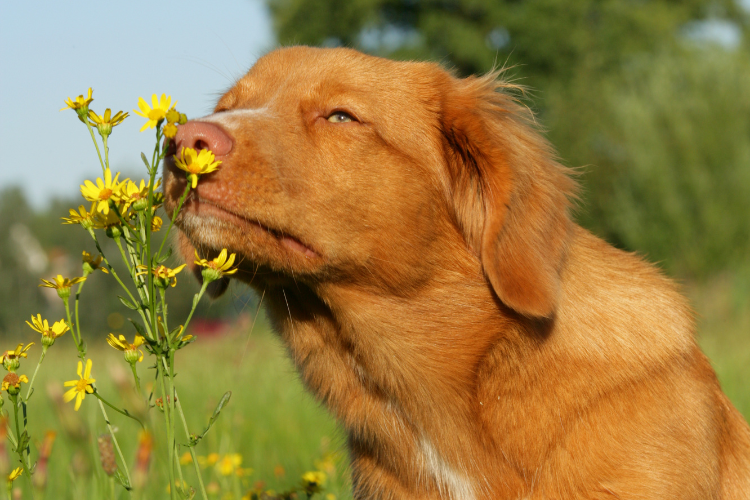
Letting your dog stop and explore the world through smell may feel unproductive, but it’s one of the healthiest activities they can do. When a dog sniffs, their brain lights up with stimulation and reward, similar to how humans experience solving puzzles. A 2025 study from the University of Helsinki found that scent-focused walks lower stress and improve behavior. These relaxed walks offer freedom, curiosity, and choice, all vital to mental health. Over time, dogs that enjoy sniffari-style outings become calmer, more attentive, and more satisfied, transforming even short walks into powerful tools for well-being and connection.
2. Rotate toys and hide treats so tasks change daily.

Dogs get bored easily, and boredom is often mistaken for bad behavior. That’s why variety is key. Experts from the Raystede Centre for Animal Welfare found that changing toys and introducing scent-based challenges boost a dog’s dopamine and overall happiness. Hide treats around your home, tuck food in puzzle feeders, or switch out playthings weekly to keep their mind active. These small acts of novelty create mental sparks that burn off restless energy. When dogs get the thrill of discovery each day, they become more engaged and less anxious, finding satisfaction in the smallest adventures.
3. Provide vertical and sensory variation in your home spaces.
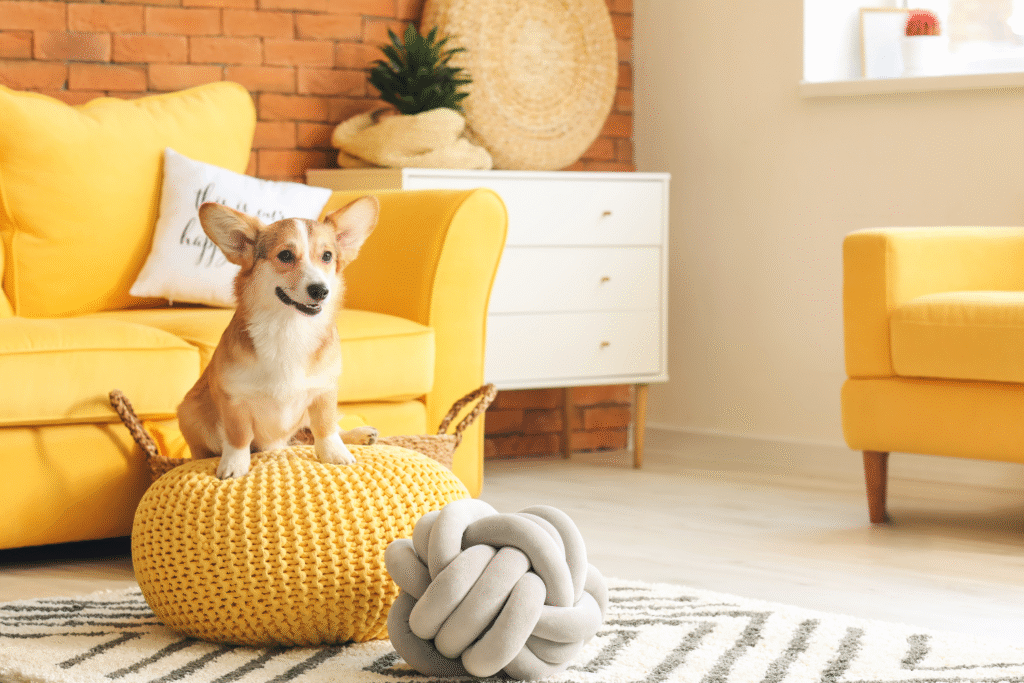
Flat floors and empty rooms offer little stimulation for an intelligent, scent-driven animal. Adding levels and textures turns the familiar into something worth exploring. Research from the University of Adelaide showed that dogs given diverse environments, steps to climb, uneven ground, and varied surfaces, display more curiosity and less stress. You don’t need fancy equipment: a few sturdy boxes, soft mats, and hidden scents create an entire playground. As your dog climbs, investigates, and rests in different zones, they gain confidence and focus. Even apartment spaces can become sensory sanctuaries when designed for exploration and choice.
4. Teach scent-based games like “find it” to make engagement fun.
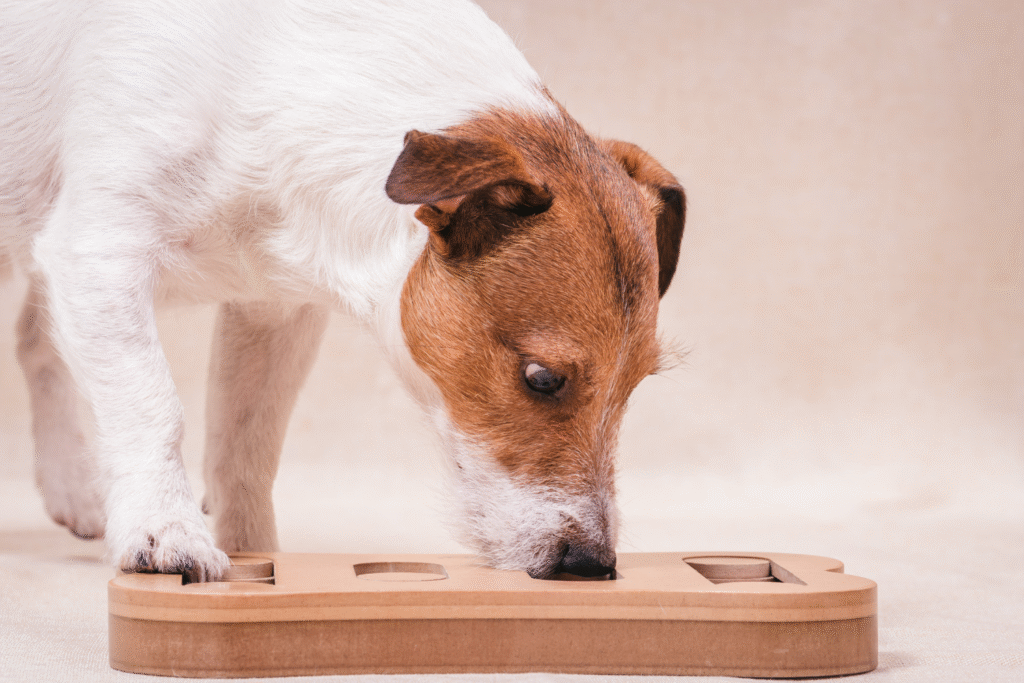
Dogs are natural hunters, not just fetchers. Teaching a “find it” game taps into instincts that go beyond play, it gives them purpose. Start by hiding bits of kibble or a favorite toy and encouraging them to seek it out. Over time, increase the challenge with harder hiding spots. This builds patience, persistence, and satisfaction. The search activates the same reward centers that make problem-solving deeply fulfilling for humans. What looks like a simple game becomes a mental marathon, leaving your dog happily tired, confident, and more in tune with you. It’s fun with emotional benefits built in.
5. Introduce new environments slowly so your dog builds confidence.
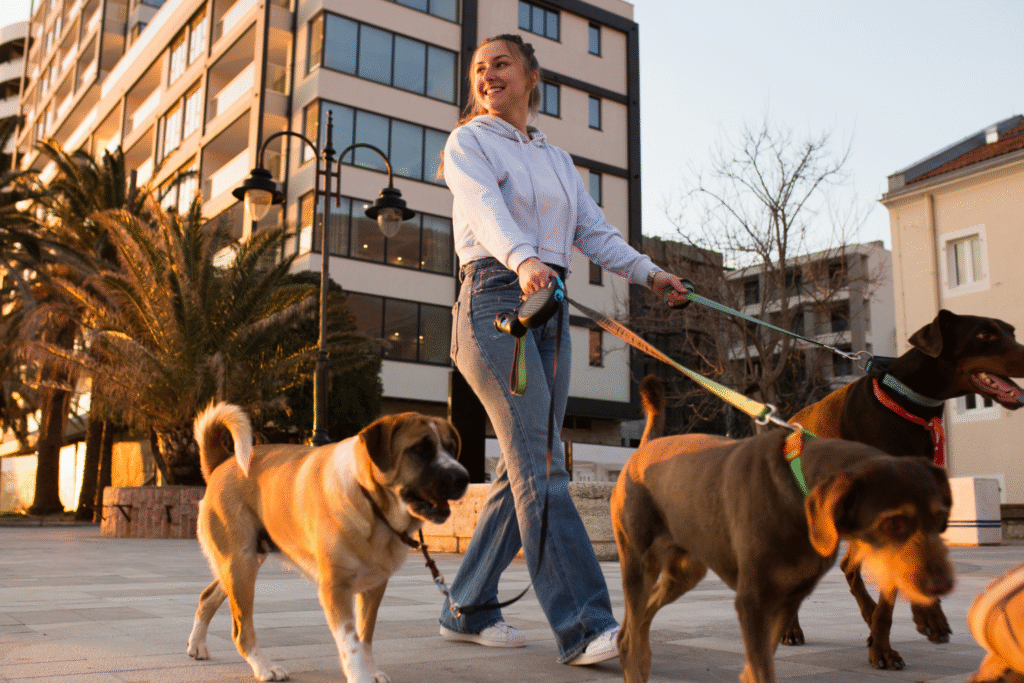
For many dogs, new places can overwhelm their senses. Rushing into busy spaces, like parks, markets, or crowded trails, can trigger anxiety rather than curiosity. Gradual exposure builds bravery. Start with calm settings: quiet neighborhoods, empty fields, or short drives to new spots. As your dog becomes comfortable, introduce livelier places. Every successful exploration rewires their stress response, showing that novelty isn’t dangerous, it’s exciting. In time, your dog approaches the unknown with tail wags, not tension. Confidence isn’t taught; it’s earned through safe exploration, gentle pacing, and a little faith in their ability to adapt.
6. Allow time for independent sniffing during walks and outings.
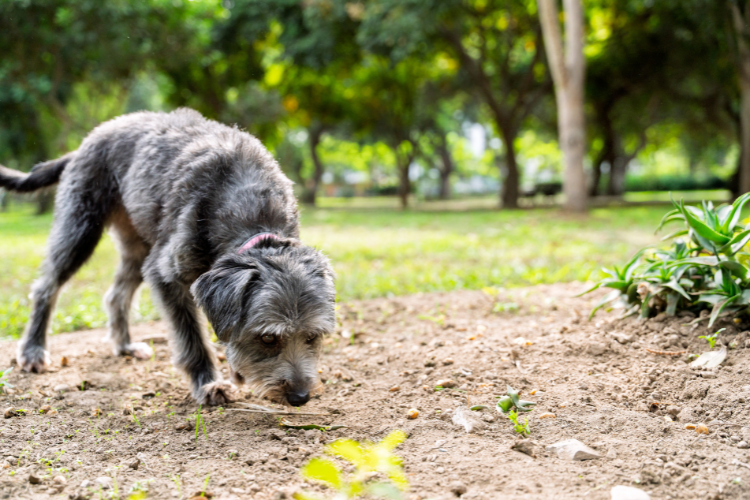
Not every walk needs to be structured. When you loosen the leash and let your dog lead—even for five minutes—you give them autonomy. That independence satisfies deep behavioral needs, helping regulate mood and confidence. Studies on canine stress show that self-directed sniffing reduces cortisol levels, the hormone linked to anxiety. The result is a calmer, more centered pet after walks. By stepping back and letting them decide where to go, you communicate trust, and that trust builds harmony. The world becomes theirs to interpret, and that freedom is as healing as any physical exercise.
7. Create scent layers around your home to enrich daily routines.
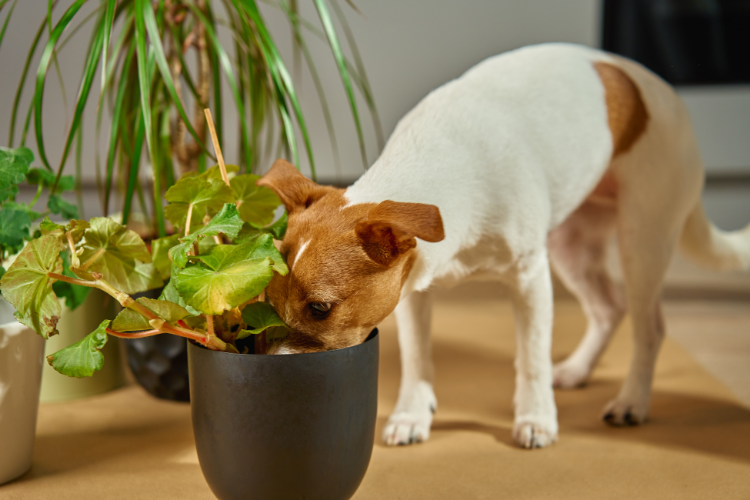
Even inside, your dog’s world can be full of adventure. Scent layering means introducing different natural smells, like leaves, herbs, or soil, into their living space. Changing scents weekly keeps curiosity alive. Bring in a log from the park, rotate safe outdoor items, or hide treats in boxes filled with new textures. Each smell tells a story your dog unravels through exploration. This type of enrichment satisfies primal instincts while easing anxiety caused by monotony. When your home smells like a world worth discovering, your dog stays happier, healthier, and far more connected to their environment.