
A global line shifts under teenage screens.

In late 2024, Australia made a move that many governments had debated but avoided. Lawmakers approved a nationwide restriction that bars children under sixteen from holding social media accounts. The decision followed years of rising concern about mental health, online harm, and platform accountability. It immediately triggered global attention, especially in the United States, where similar worries exist but legal barriers remain. Australia’s action did not emerge in isolation. It reflects mounting pressure on democracies to rethink how childhood and technology now collide.
1. Australia set a firm legal age threshold.

Australia’s law establishes a clear national rule that social media platforms must prevent users under sixteen from creating or maintaining accounts. Unlike earlier measures focused on parental consent, this law places responsibility squarely on companies to enforce age limits. The government framed the move as a public health intervention rather than a moral judgment, citing rising anxiety, sleep disruption, and exposure to harmful content among teenagers.
The legislation passed Parliament after months of debate and committee review, according to the Australian Government Department of Health. Enforcement penalties target platforms, not families, signaling a structural rather than punitive approach.
2. Mental health data drove the political urgency.

Australian policymakers repeatedly referenced longitudinal studies linking heavy social media use to worsening mental health outcomes among adolescents. Inquiries heard testimony from clinicians describing increases in anxiety, self harm, and body image disorders correlated with early and prolonged platform exposure. These concerns intensified following pandemic era usage spikes.
Government briefings cited growing evidence that algorithm driven feeds amplify distress during critical developmental years, as reported by the Australian Broadcasting Corporation. That data shaped bipartisan consensus that voluntary safeguards were insufficient.
3. Platforms failed to convince regulators they could self police.

Major social media companies argued that parental tools and existing age checks were adequate. Australian regulators disagreed, pointing to internal documents and repeated compliance failures. Age verification systems were described as easily bypassed, and enforcement uneven at best.
Lawmakers concluded that self regulation had reached its limits, as stated by Reuters in its coverage of the parliamentary debate. The final law reflects a broader loss of trust in platform promises to protect minors without binding rules.
4. American lawmakers face similar pressures without consensus.

In the United States, many of the same warning signs that drove Australia’s decision have been building for years. Congressional hearings have repeatedly examined internal research from technology companies showing awareness of mental health risks tied to adolescent use. Pediatric associations, psychologists, and school administrators have testified about rising anxiety, attention disruption, and social harm connected to algorithm driven platforms. Unlike Australia, however, these concerns collide with a more fragmented legal and political system.
Federal action stalls because responsibility is divided across agencies, courts, and states. Free speech protections, interstate commerce rules, and the role of parents complicate any national mandate. The result is pressure without resolution, where concern is widespread but agreement on authority and enforcement remains elusive.
5. State level laws hint at a fragmented U.S. path.

In the absence of federal legislation, U.S. states have begun experimenting with their own approaches. Some have proposed age verification requirements, others parental consent mandates, and a few have attempted outright restrictions for minors. These efforts reveal urgency, but they also expose legal vulnerability. Several laws have been delayed or blocked by courts citing constitutional conflicts.
This patchwork reflects how U.S. governance often responds to emerging risks. States move first, test boundaries, and force broader debate. Unlike Australia’s unified approach, the American system produces uneven protection. Children in one state may face restrictions, while those across a border do not, complicating enforcement and long term impact.
6. Age verification remains the unresolved technical barrier.

Both Australia and the United States confront the same enforcement dilemma. How do platforms reliably verify age without creating new privacy risks. Biometric scans raise surveillance concerns. Government issued identification excludes some families and creates data security fears. Self reported ages are easily bypassed, as past experience shows.
Australia’s law deliberately avoids prescribing a specific technology, shifting responsibility onto companies. In the U.S., that flexibility may not be enough. Any nationwide policy would face scrutiny not just for effectiveness, but for how much personal data it collects and who controls it. This technical uncertainty continues to slow legislative momentum.
7. Parents are divided but increasingly influential.

Public opinion around youth social media use is no longer passive. Parents report firsthand experiences with sleep disruption, anxiety, bullying, and compulsive behavior tied to platforms. At the same time, families disagree on whether government restrictions are the right solution or whether control should remain private.
What has changed is sustained advocacy. Parent groups now organize testimony, submit research, and lobby lawmakers directly. This shift from individual concern to coordinated pressure is altering political calculations. Policymakers are responding not to abstract statistics, but to organized constituencies describing daily consequences in homes and schools.
8. Schools quietly align with restriction efforts.

Educators have long observed the spillover effects of social media inside classrooms. Teachers report shortened attention spans, increased conflict, and emotional regulation issues linked to online interactions. Administrators face rising cyberbullying cases that originate off campus but erupt during school hours.
While schools cannot regulate social media directly, many have tightened phone policies and supported external limits. In Australia, education leaders viewed the ban as reinforcement of learning environments. In the U.S., growing school based restrictions suggest institutional alignment with broader efforts to reduce digital exposure during childhood.
9. Industry resistance shapes American hesitation.

Technology companies argue that age bans risk unintended consequences. They warn of driving minors toward unregulated platforms, limiting access to support communities, or undermining digital literacy. These arguments resonate in U.S. policy culture, which values innovation and market freedom.
Australia accepted these tradeoffs, prioritizing harm reduction over platform convenience. In the United States, industry lobbying remains powerful. Companies influence regulatory language, fund research, and shape public debate. How policymakers weigh those voices against public health concerns will strongly influence whether similar legislation advances.
10. Australia’s decision is now a global test case.
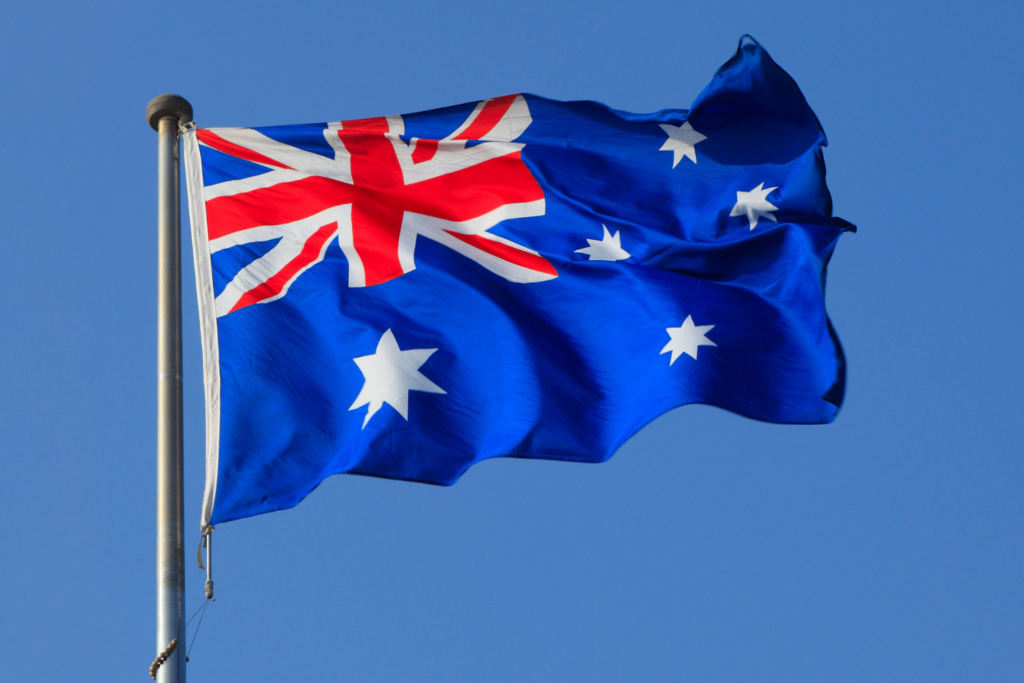
Governments around the world are watching how Australia’s ban unfolds in practice. Enforcement costs, legal challenges, compliance strategies, and youth outcomes will all inform future policy decisions. Early implementation details matter as much as intent.
For the United States, Australia functions as a live experiment rather than a blueprint. If measurable harm declines without major collateral effects, political resistance weakens. The debate is no longer theoretical. It is empirical, unfolding in real time, with implications that extend far beyond one country.