
New evidence reshapes the story of ancient Britain.
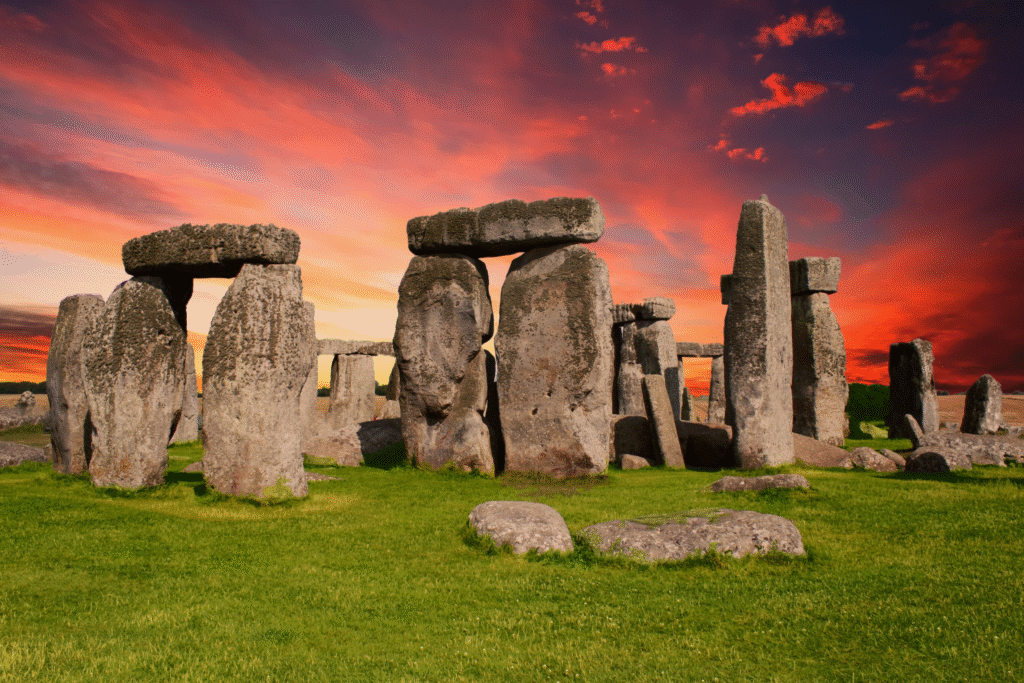
Fresh analysis from archaeologists working across the Salisbury Plain suggests that Stonehenge’s meaning may be far more complex than once assumed. New data points to a ring of enormous prehistoric pits encircling the wider landscape, forming a structure so large and deliberate that researchers are reassessing the monument’s ceremonial and practical roles. The discovery pushes the boundaries of what Neolithic communities were capable of, revealing a level of coordination and planning that feels astonishing for its time.
1. Newly mapped pits reveal a massive prehistoric boundary.

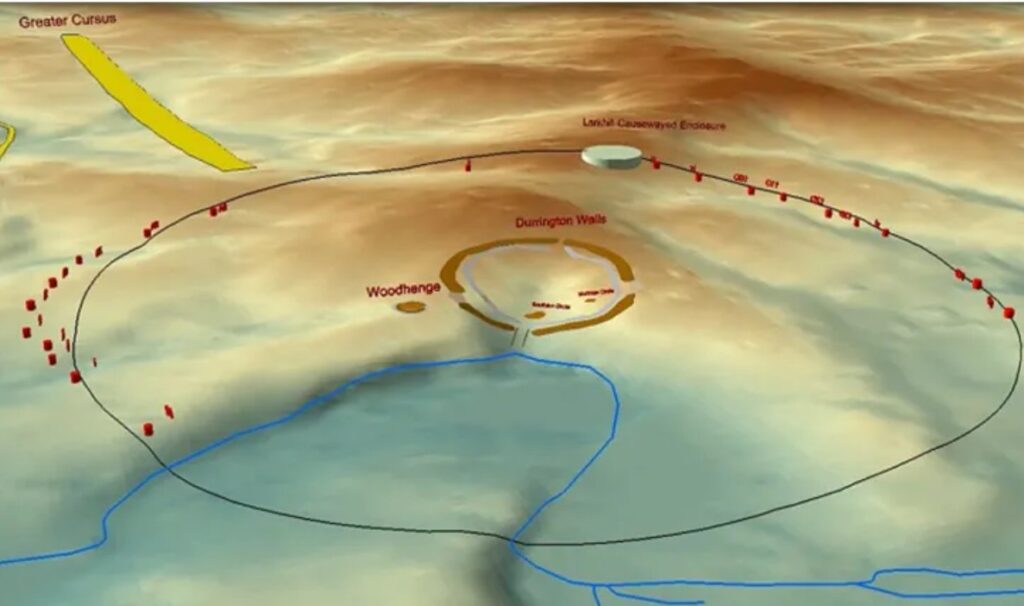
Archaeologists studying the landscape around Stonehenge have discovered something far larger than the monument itself. Using remote sensing tools and soil analysis, teams mapped out massive pits forming a precise circular pattern over a mile wide.
The pattern surrounds Durrington Walls, a huge Neolithic settlement located just two miles from Stonehenge, and new evidence suggests both sites were part of one coordinated ceremonial complex. As BBC Science reported, the scale of this structure is unprecedented in ancient Britain.
2. New analytical methods confirm the pits were human made.
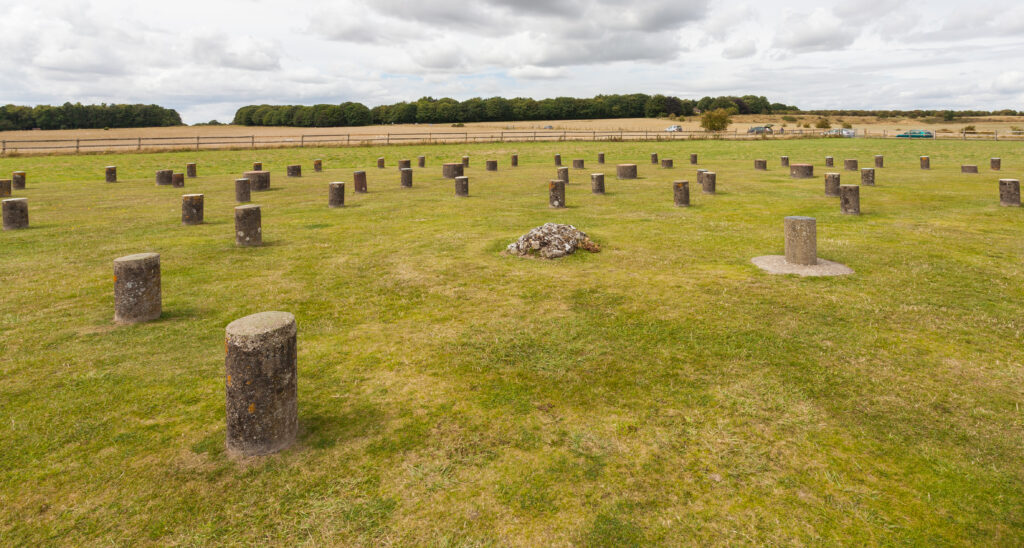
The research team applied geophysical surveys, radiocarbon sampling and micro sediment analysis to determine how each pit formed. These methods revealed cut marks, tool signatures and sediment layers consistent with deliberate excavation, a conclusion strengthened in recent scientific reporting as stated by The Guardian. The data indicates the pits were repeatedly maintained or deepened across generations, showing long term communal commitment.
This evidence pushes the idea that surrounding features were not peripheral but central to Stonehenge’s broader purpose. Instead of isolated monuments, the entire landscape appears orchestrated. Humans shaped the terrain intentionally to guide movement, mark boundaries and frame ritual experience.
3. The ring may have linked Stonehenge to Durrington Walls.
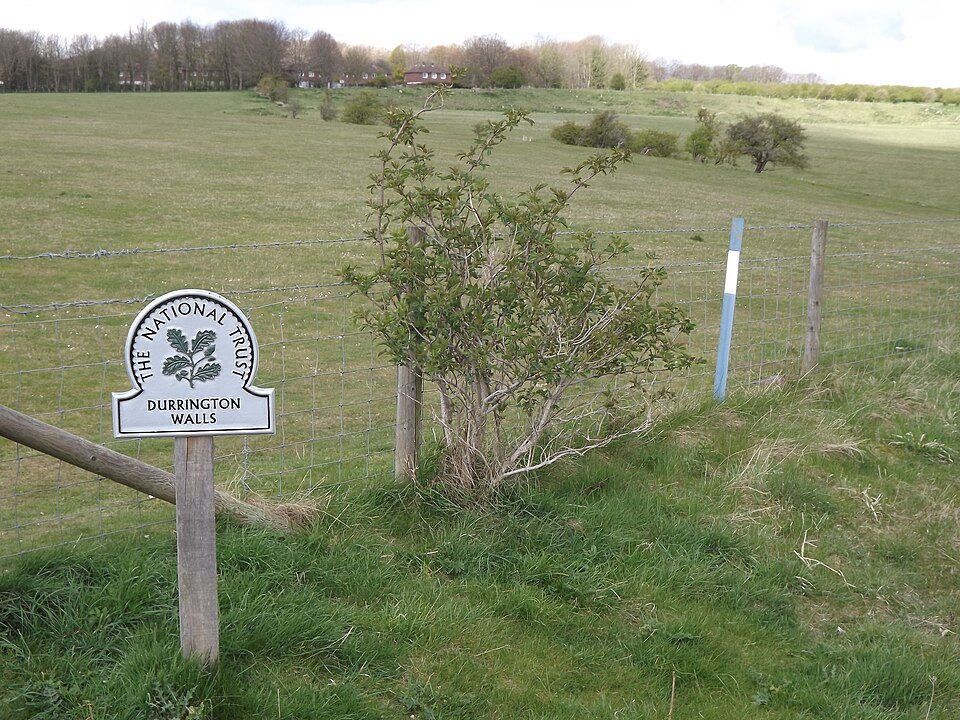
The pits form a circle that passes around Durrington Walls, the settlement where the builders of Stonehenge likely lived. Archaeologists believe the ring may have served as a marker separating everyday life from sacred space, as discovered by National Geographic. This connection strengthens the idea that the entire region functioned as a unified ceremonial complex.
Seeing Stonehenge as part of a larger system changes how experts interpret its rituals. Instead of a solitary monument, it becomes one node in a network of pathways, markers and gathering sites. The pits may have directed processions or signaled transitions between the mundane and the sacred.
4. Massive labor investment suggests advanced social coordination.
Each pit is more than twenty feet across and several yards deep. Digging dozens of these by hand required sustained labor, shared planning and a leadership structure capable of organizing hundreds. The effort signals not just strength but societal stability, suggesting communities cooperated across significant distances to complete the formation.
The construction scale implies that ritual obligations outweighed individual priorities. People came together to define a landscape infused with meaning. Their coordinated work preserved stories, boundaries and beliefs in physical form, revealing a society deeply committed to symbolic architecture.
5. The pits may have functioned as a ritual threshold.
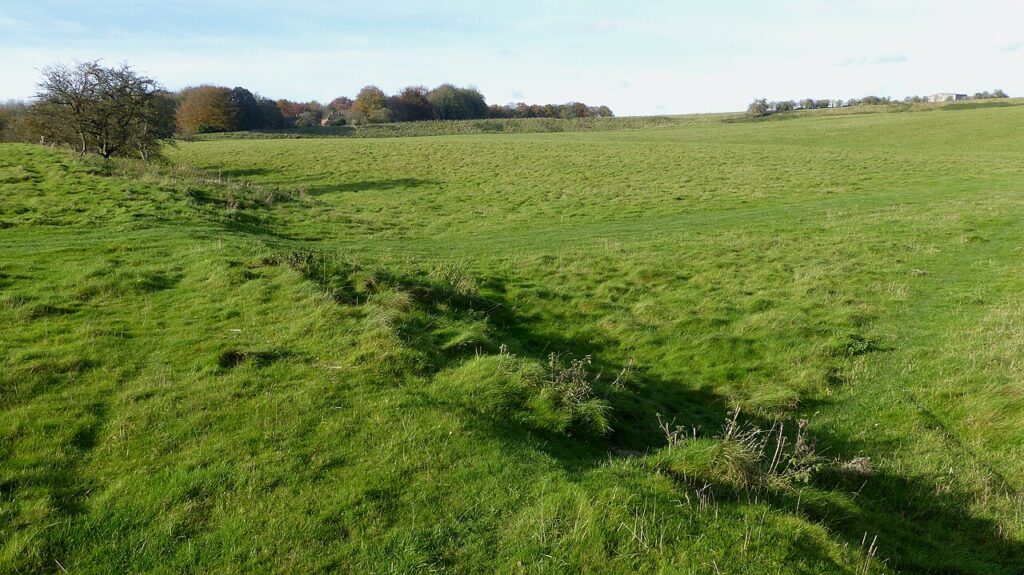
Some researchers think the ring marked the limit of a sacred zone, indicating where participants should shift behavior or prepare for ceremonial acts. Crossing the boundary might have signaled a change in identity or social role during communal gatherings. These transitions were likely embedded in seasonal rituals that shaped community life.
This interpretation fits well with the region’s other ceremonial features. The pit ring becomes a liminal marker, a place where visitors symbolically left the everyday world. Such spaces appear in many early societies, suggesting a universal human need to carve meaning into the natural landscape.
6. Environmental evidence indicates seasonal gatherings shaped the site.
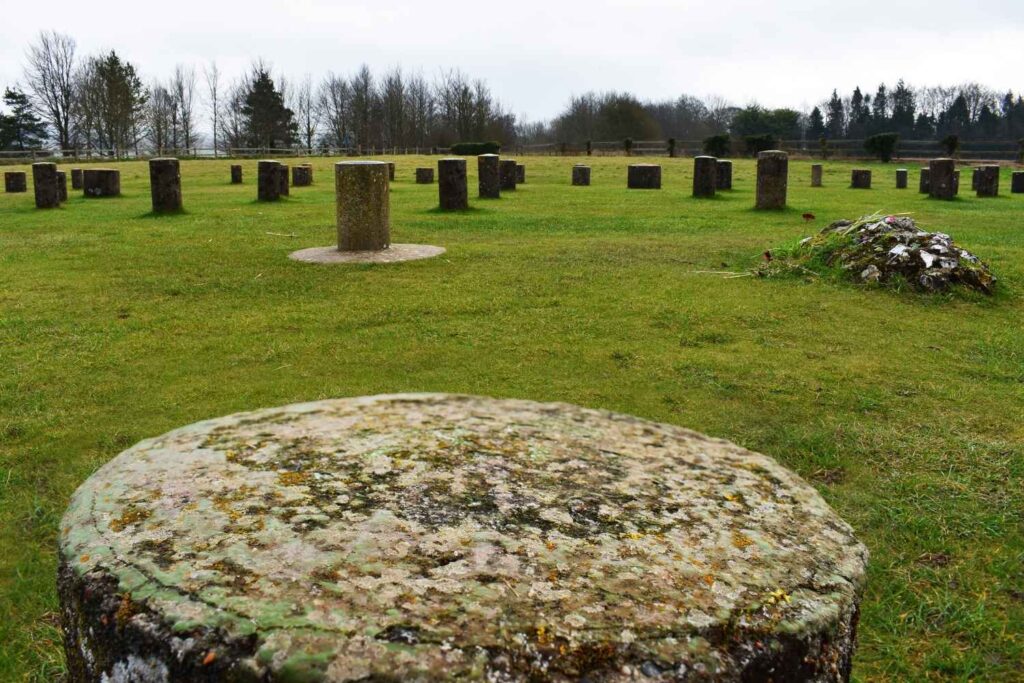
Animal remains and food waste found near Durrington Walls reveal feasting events tied to specific times of year, likely winter solstice. If the pit ring served as a boundary, it may have guided large processions converging on key ceremonial dates. These gatherings likely reinforced social ties among dispersed communities.
Seasonal movement across the boundary would have been a powerful shared experience. The pits may have acted as a visual and symbolic reminder that participants were entering a sacred arena. This ritual cohesion could have sustained alliances across generations.
7. Stonehenge’s builders appear more organized than expected.
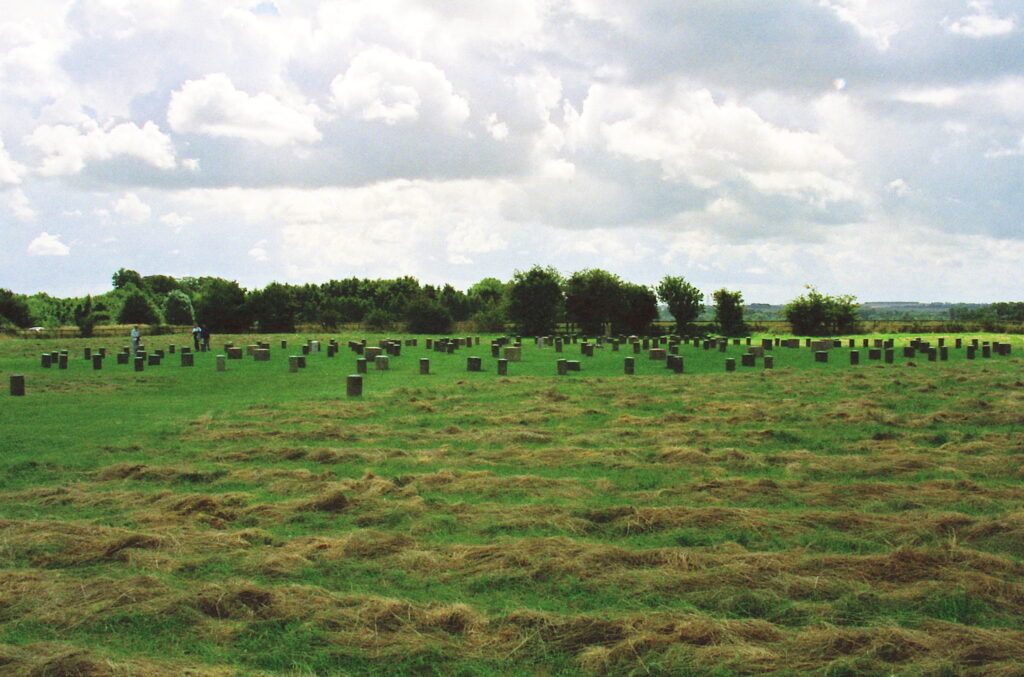
The discovery challenges older assumptions that Neolithic Britain lacked complex administration. Creating and maintaining a ring of pits required planning across years, not days. This level of organization suggests interpersonal networks, resource allocation and collective decision making similar to early city based societies, though without urban centers.
The find hints that Stonehenge’s builders commanded a deeper understanding of large scale engineering. They shaped their world through intentional design rather than mere survival. The pits expose the intellectual and social capacity behind their famous monument.
8. The ring reshapes theories of Stonehenge’s purpose.
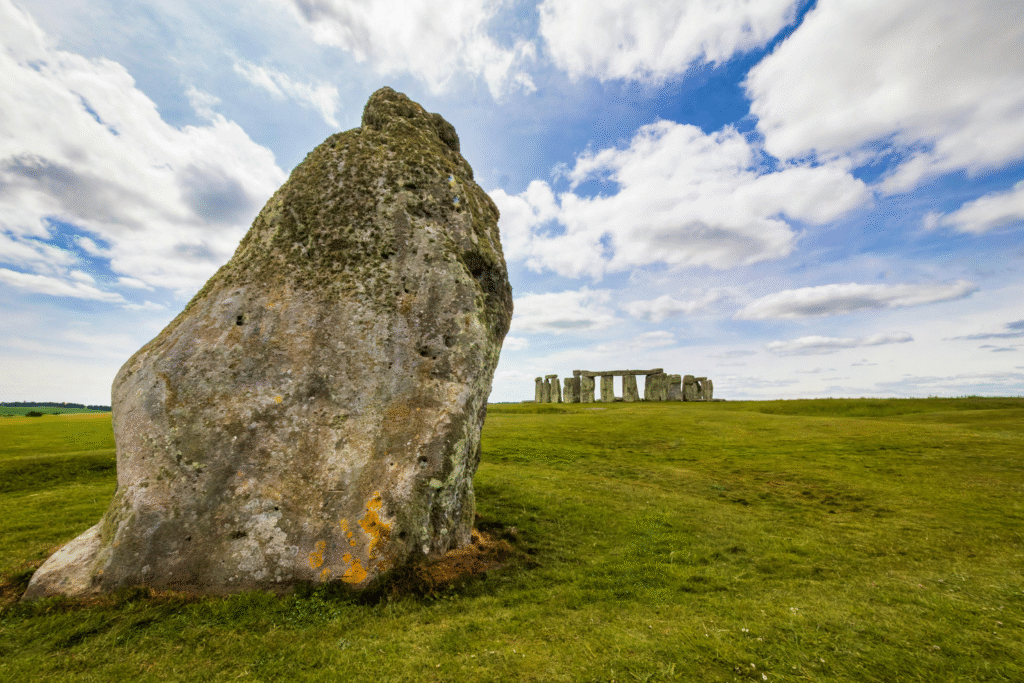
Many earlier theories isolated Stonehenge as an observatory or burial site. The pit ring suggests it played a role within a broader ceremonial circuit. Movement through the landscape may have mattered as much as the stone circle itself. The line between ritual space and daily life appears more fluid than once imagined.
This landscape based interpretation widens Stonehenge’s story. The circle of stones becomes one element within a wider choreography of human movement, meaning and memory. The discovery turns the entire plain into a living monument rather than a cluster of separate structures.
9. The pits highlight a lost tradition of marking sacred boundaries.
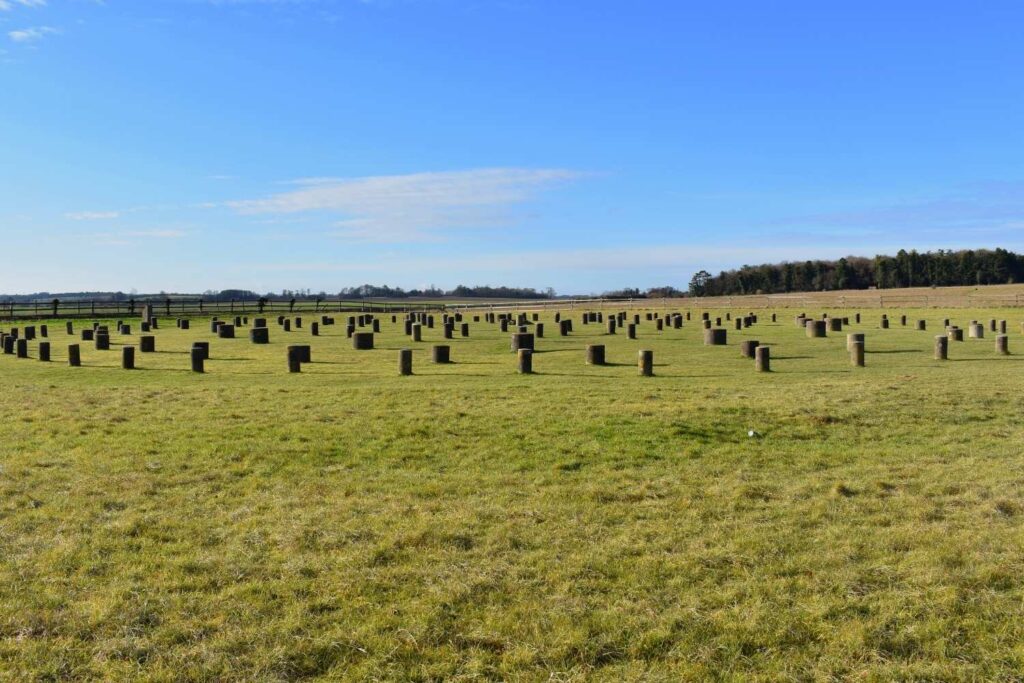
Other Neolithic sites contain ditches and causeways, but nothing matches the scale of this pit ring. Its size implies a tradition of boundary making far grander than previously documented. These markings reveal how ancient communities interpreted cosmic order and social identity through the land beneath their feet.
The ring becomes a cultural signature, showing that early Britons used boundaries not for defense but for meaning. They shaped territory to mirror belief. Their worldview is written in soil, wood and stone, preserved across thousands of years.
10. The discovery transforms Stonehenge into a landscape wide monument.
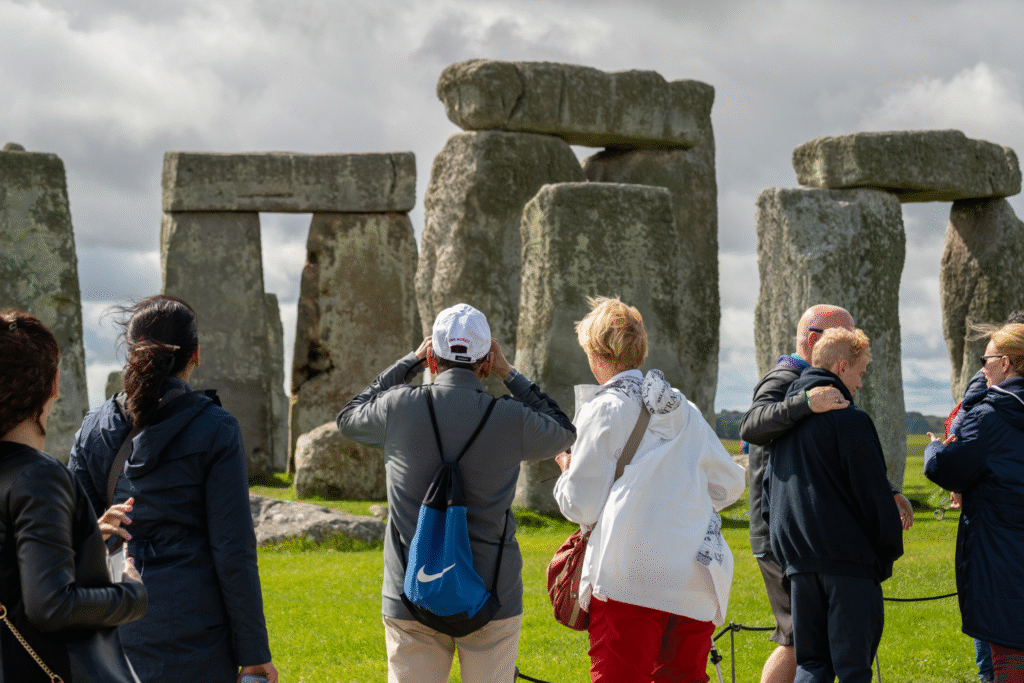
This new evidence reframes Stonehenge as the centerpiece of a carefully engineered ceremonial environment. The pit ring, settlement remains and other monuments form a connected system that guided ritual life across miles of terrain. The discovery pushes archaeologists to rethink assumptions about complexity, intention and scale in ancient Britain.
With each analytical advance, the plain reveals more of its hidden architecture. The story of Stonehenge now stretches beyond the iconic stones, becoming a narrative of networks, boundaries and collective identity. The pits remind us that ancient people carved meaning into the world with a vision far larger than the stones alone suggest.