
A routine landing masked a far heavier outcome.
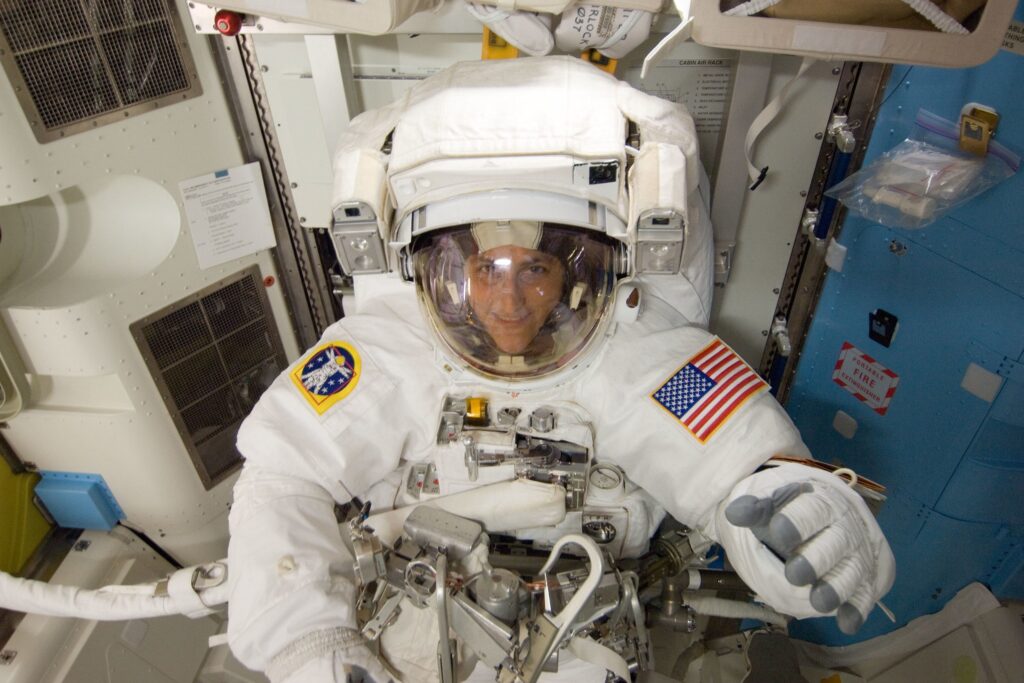
The mission was never supposed to last this long. Launch delays, capsule availability, and shifting schedules kept an astronaut aboard the International Space Station months beyond the original return window. Each extension carried physical, psychological, and professional consequences that could not be simulated beforehand. When the spacecraft finally splashed down, public attention moved on quickly. Inside NASA, however, the aftermath unfolded slowly. Medical evaluations, recovery timelines, and career decisions followed a different clock, raising questions about how prolonged missions quietly reshape lives after Earth is reached again.
1. The mission length drifted far beyond its original scope.
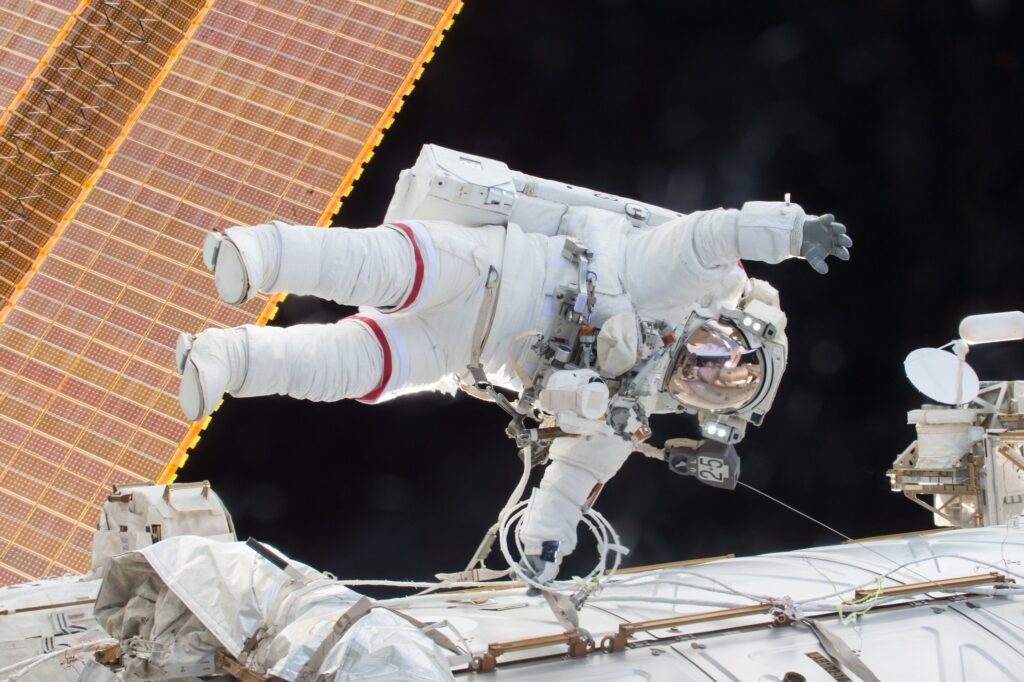
What began as a defined assignment slowly lost its end point. Each extension required the astronaut to recalibrate expectations, routines, and mental stamina while maintaining mission performance. The absence of a fixed return date created a different kind of strain than planned long duration flights ever produce.
NASA training emphasizes endurance, but uncertainty adds a separate burden. Repeated schedule changes forced continuous adjustment without closure. Over time, the psychological weight of not knowing when normal gravity would return compounded daily stress, revealing limits rarely tested during standard mission planning cycles.
2. Physical recovery after landing proved unusually demanding.
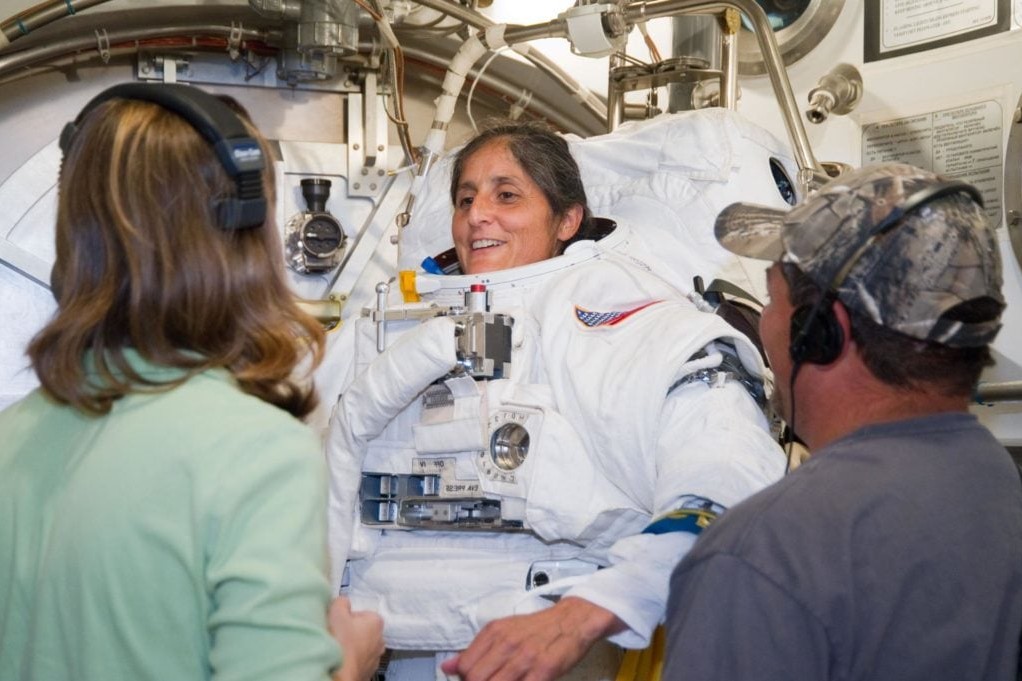
Extended exposure to microgravity weakens muscles, bones, and cardiovascular systems. When missions stretch longer than planned, these effects intensify. Upon landing, gravity imposed immediate resistance, turning simple movements into exhausting tasks. Rehabilitation timelines lengthened accordingly.
Medical teams monitored balance, strength, and cardiovascular response with heightened attention. Progress occurred, but slower than typical post mission recovery benchmarks. The drawn out rehabilitation raised concerns about cumulative exposure and how extended missions complicate assumptions about physical resilience and long term flight readiness.
3. Psychological readjustment lagged behind physical stabilization.

Life aboard the station demands constant focus, isolation, and emotional control. Extended confinement without a clear endpoint can deepen cognitive fatigue. Returning to Earth does not instantly reverse that conditioning. Familiar environments may feel overwhelming or strangely distant.
Behavioral specialists observed lingering stress responses beyond physical recovery. Sleep patterns, emotional regulation, and sensory processing required time to normalize. The experience highlighted how mental recalibration follows a different trajectory than physical healing, particularly after missions shaped by prolonged uncertainty rather than fixed duration.
4. Post flight medical reviews complicated future eligibility.

Every astronaut undergoes rigorous evaluation after landing. In this case, assessments revealed borderline indicators that demanded extended monitoring. No single metric disqualified future missions, yet combined factors narrowed acceptable margins.
Flight surgeons weighed recovery progress against mission demands. Prolonged exposure altered risk calculations subtly but meaningfully. The evaluations demonstrated how extended missions can reshape eligibility profiles, influencing career trajectories even when astronauts technically meet recovery standards.
5. Career planning shifted under unexpected personal recalculation.
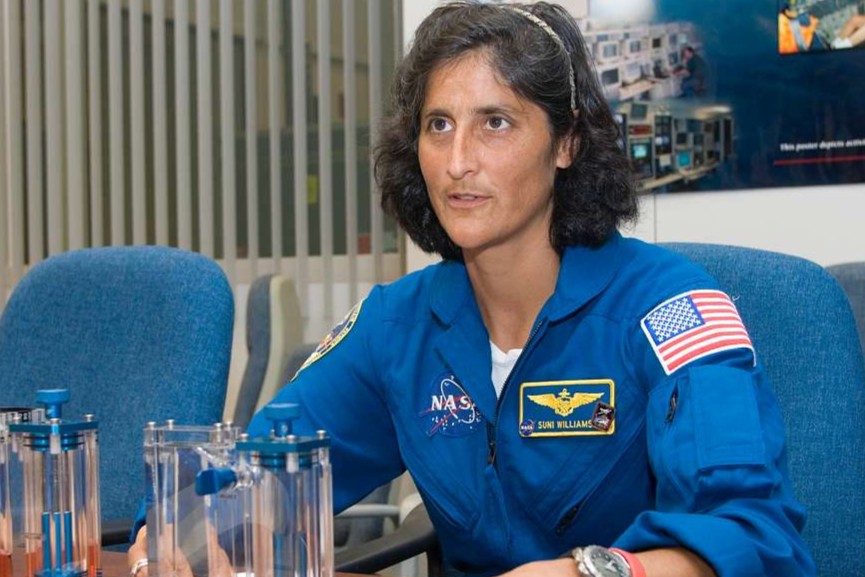
Astronaut careers depend on precise sequencing of training, assignments, and availability. The extended mission disrupted that rhythm. Recovery overlapped with planning windows that could not easily be reset.
As evaluations continued, priorities shifted. The astronaut assessed readiness, personal resilience, and future mission demands differently. Retirement emerged as a rational response to accumulated strain and altered timing, illustrating how prolonged missions can quietly redirect careers without a single dramatic breaking point.
6. Extended isolation altered long term stress processing.

Months in orbit require sustained vigilance, emotional control, and interpersonal restraint. When missions extend unexpectedly, those demands persist without a clear release point. Stress becomes managed rather than resolved, creating patterns that can follow astronauts home.
Post return evaluations suggested altered stress responses lingered longer than anticipated. While functional, the astronaut showed signs of delayed recalibration. This reinforced concerns that prolonged uncertainty shapes how the brain processes pressure afterward, influencing performance, recovery, and long term well being beyond physical conditioning alone.
7. Family reintegration proved more complex than anticipated.
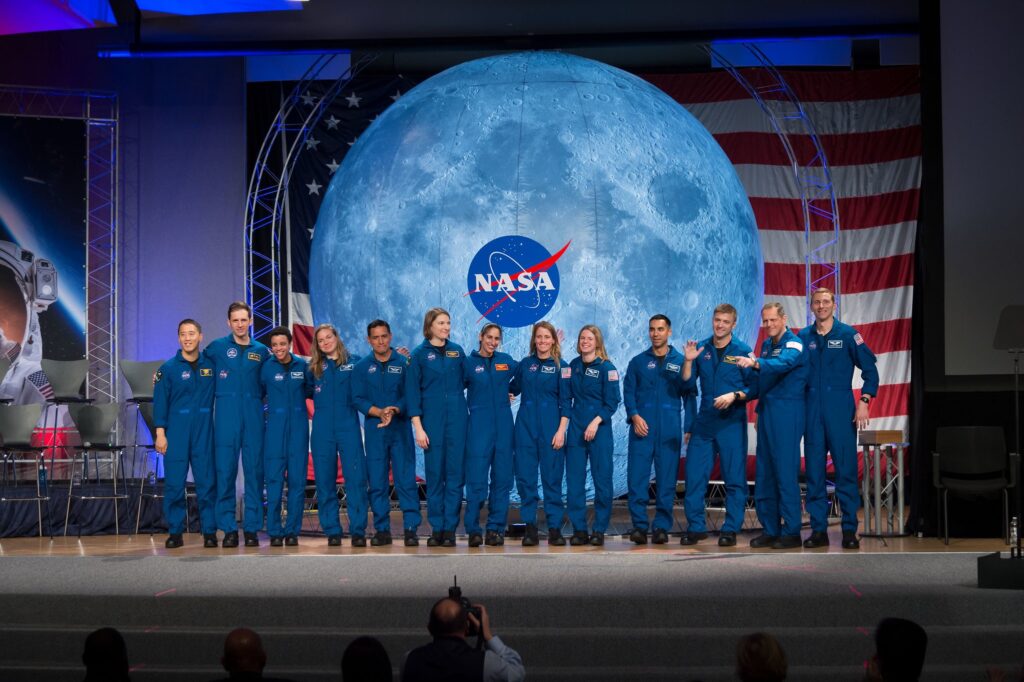
Extended missions affect families as much as crew members. Repeated return delays strain relationships and expectations on both sides. When reunion finally happens, timing mismatches emotional readiness.
The astronaut returned to a household that had adapted independently. Reestablishing routines required patience and renegotiation. This dynamic highlighted how prolonged absence reshapes family systems, adding invisible pressure during recovery and influencing decisions about future deployments and personal priorities.
8. Institutional support systems faced quiet stress tests.
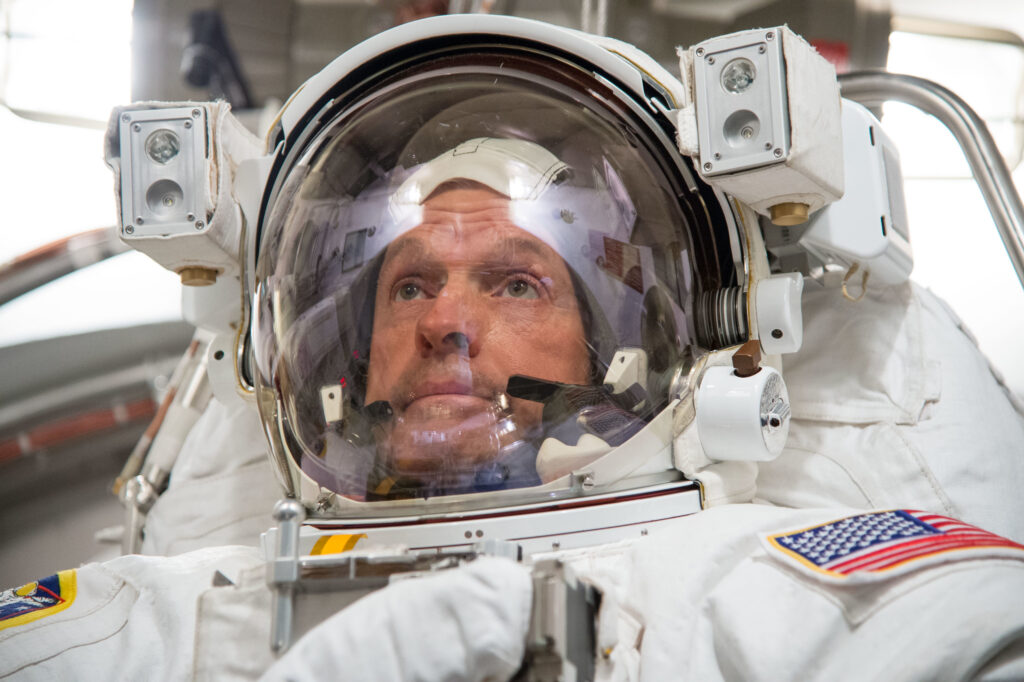
NASA provides extensive support, yet extended missions strain even well designed frameworks. Counseling, medical care, and scheduling flexibility must stretch to accommodate prolonged uncertainty.
This case prompted internal reflection about how agencies prepare for indefinite extensions. Support structures built for defined durations may need recalibration. The experience exposed gaps between planning assumptions and lived reality when missions exceed expected limits.
9. The experience reframed perceptions of acceptable risk.
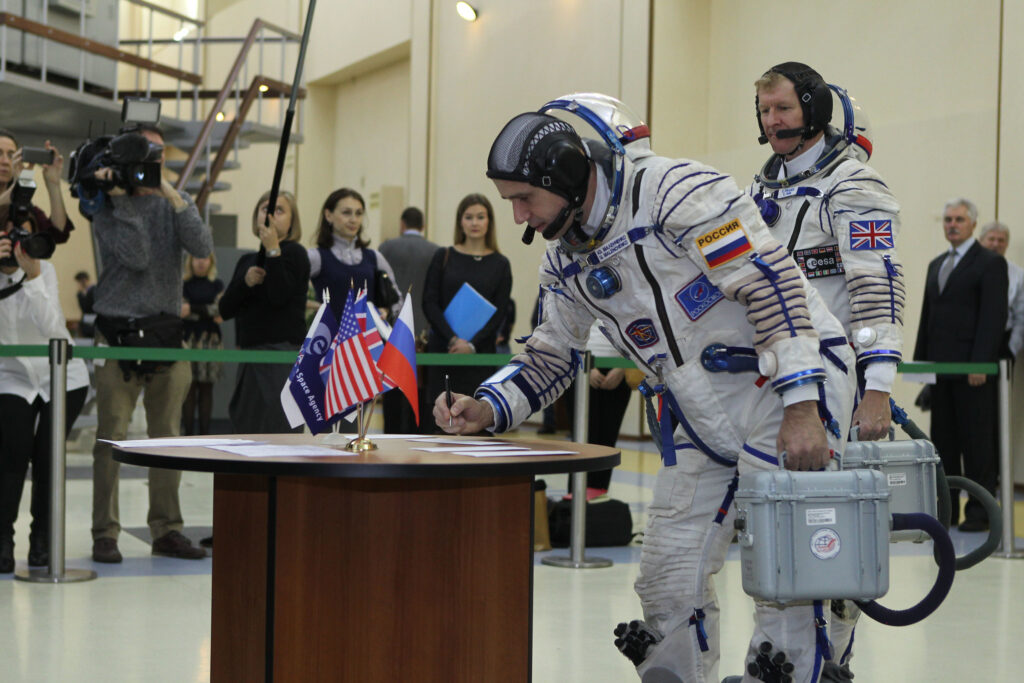
Risk tolerance evolves with experience. After enduring prolonged uncertainty and recovery demands, perceptions shift. What once felt manageable may later feel costly.
The astronaut reportedly reassessed acceptable physical and psychological risk. Extended exposure altered how future missions were evaluated personally. This reframing illustrates how experience reshapes judgment, influencing career decisions even when objective risk metrics remain unchanged.
10. Retirement reflected accumulation rather than sudden conclusion.
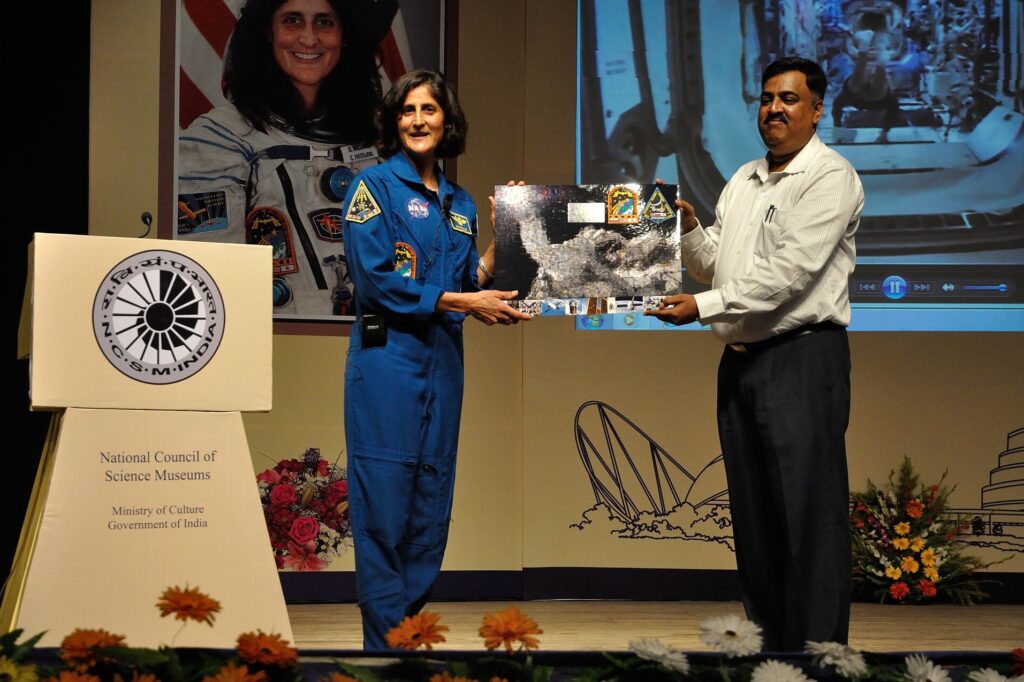
Public narratives often expect dramatic endings. In reality, this decision formed gradually. Each factor compounded quietly until continuation no longer aligned with wellbeing.
Retirement followed careful consideration, not crisis. The case underscores how prolonged missions leave lasting imprints. Career endings may stem less from failure than from informed recognition of limits reached through endurance rather than incident.