
What no one tells you before you bring them home.
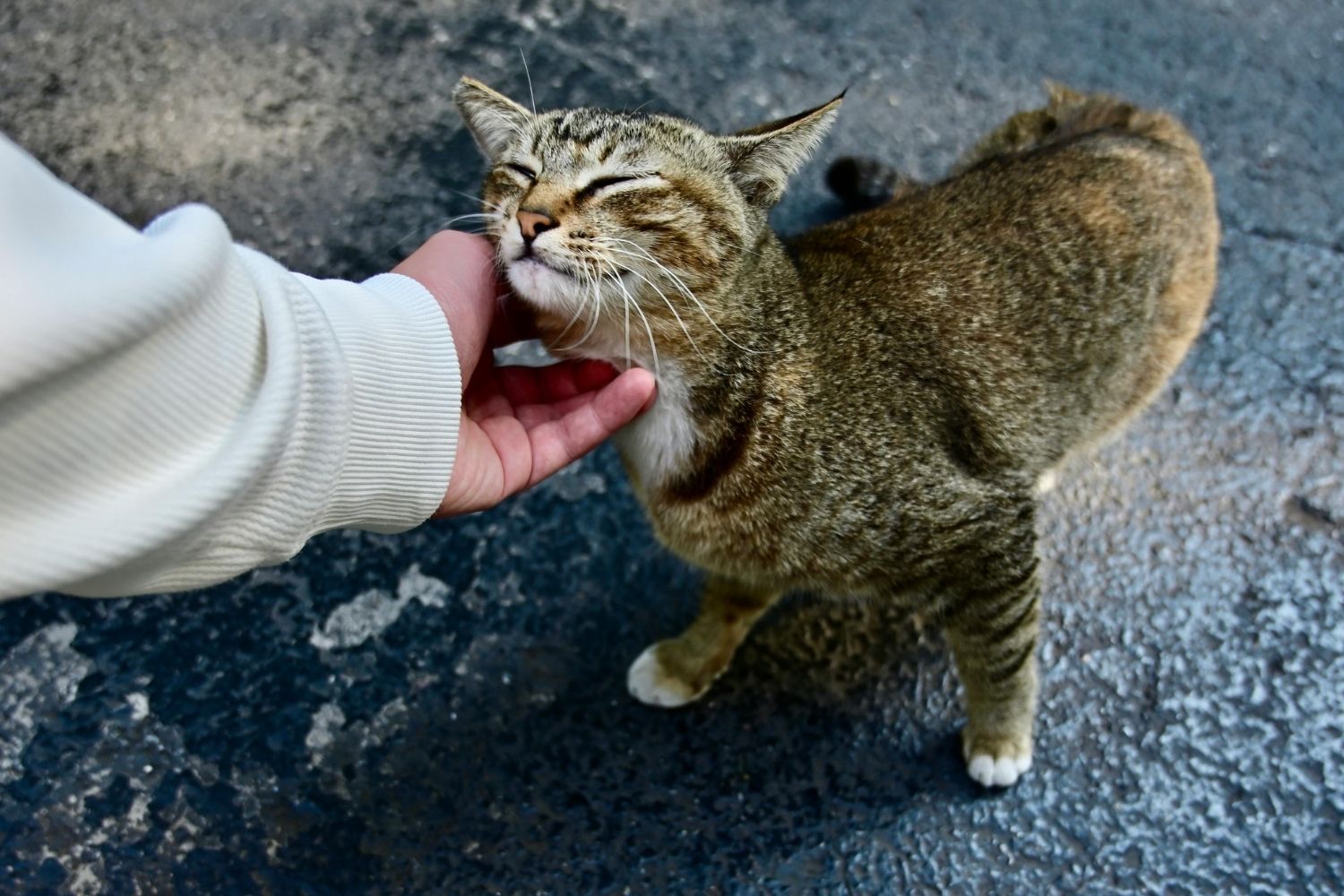
It often begins with a moment that feels simple, a cat outside, alone, waiting, and a decision that feels like the right thing to do. But once that decision follows you home, the situation starts to shift in ways most people don’t anticipate. What looked like a quick act of kindness slowly reveals layers that take time, patience, and resilience to navigate. The path forward is rarely clear at first, and the experience doesn’t unfold the way people expect, which is exactly where the real challenge begins.
1. Stray cats often come with serious health problems.

Cats that have spent time on the streets are frequently exposed to parasites, diseases, and malnutrition. Without regular veterinary care, their immune systems may be weakened, making them more susceptible to infections. According to Adopt A Pet, common health issues in strays include fleas, worms, respiratory infections, and untreated injuries.
Veterinary bills can add up quickly, especially if the cat requires vaccinations, spaying or neutering, or long-term treatments for chronic conditions. Some cats may carry feline leukemia or FIV, which can affect their lifespan and overall well-being. A full medical assessment is necessary before bringing a stray into your home to ensure you’re prepared for any ongoing health needs.
2. They can have deep-seated behavioral issues.

Living on the streets teaches cats to be cautious, and that survival instinct doesn’t disappear overnight. Many strays are wary of humans and may react with fear or aggression when approached. As stated by PetMD, some cats never fully adjust to human interaction, making them difficult to handle.
Building trust with a stray takes time, patience, and a gentle approach. Loud noises, sudden movements, and unfamiliar environments can trigger stress responses, causing them to hide for extended periods. In some cases, strays may have been mistreated by humans in the past, making them even more resistant to forming connections.
3. Gaining their trust is a slow and unpredictable process.

Unlike adopting a socialized shelter cat, a stray may take weeks or even months before feeling safe in your presence. It’s important to let the cat set the pace, as forcing interaction can make them retreat even further. According to PetMD, patience is key when earning a stray’s trust.
Some cats will warm up quickly, while others may remain distant despite your best efforts. Offering food, speaking in a calm voice, and allowing them to approach on their own terms can help build a foundation of trust. However, there’s no guarantee that every stray will ever become a lap cat, and adopters must be willing to accept them as they are.
4. Some strays are too feral to adjust to indoor life.

Not every stray cat is suited for adoption. Many are actually feral, meaning they have lived their entire lives without human contact. According to Bow Wow Insurance, truly feral cats often struggle with confinement and may never fully adjust to living indoors.
Feral cats tend to be highly independent and prefer an outdoor environment where they can roam freely. Forcing them into a domestic setting can cause extreme stress, leading to destructive behaviors or attempts to escape. In some cases, a managed outdoor colony or barn cat program is a more suitable option for these cats than traditional adoption.
5. There’s always a chance the cat already has an owner.

Before assuming a stray cat is homeless, it’s important to check for signs of ownership. Many lost pets end up mistaken for strays, especially if they’ve been wandering for an extended period. Responsible steps include checking for a microchip, looking for lost pet posters, and asking around the neighborhood.
Rescuing a cat that already has a home can create unnecessary distress for both the cat and their rightful owner. If the cat appears well-fed, social, and comfortable around people, it may have simply strayed too far from home. Taking the time to confirm its status can prevent heartache and ensure the cat ends up where it truly belongs.
6. Some cats will never stop wanting to go back outside.

Cats that have spent a significant amount of time outdoors may struggle with the transition to indoor life. Even after being provided with food, warmth, and security, some cats instinctively seek the freedom they once had. This behavior is common in cats that were not raised in homes.
These cats may constantly linger by doors, attempt to escape, or show signs of frustration when confined. Providing an enclosed outdoor space or a secure catio can help satisfy their need for exploration while keeping them safe. However, some will never fully adjust to being strictly indoors, requiring a compromise that balances their safety with their instincts.
7. The financial commitment is higher than you might expect.

Caring for a stray cat isn’t just about providing food, it often comes with significant medical and maintenance costs. Initial expenses can include vaccinations, deworming, spaying/neutering, and treatment for any existing health conditions. Unexpected medical bills are one of the biggest challenges new adopters face.
Beyond initial care, ongoing costs include high-quality food, litter, flea prevention, and possible emergency vet visits. While some strays remain healthy, others develop chronic conditions that require lifelong management. Adopters need to be financially prepared for these potential expenses.
8. The emotional toll of rehabilitation can be exhausting.

Adopting a stray is not always a joyful experience, it can be emotionally draining. Watching a cat struggle with fear, health problems, or an inability to adjust can take a toll on even the most dedicated owner. The process of socialization and recovery is often slow and unpredictable.
Some days will be rewarding, while others will be frustrating. It’s important to have realistic expectations and to accept that not every cat will transform into a friendly, affectionate pet. Understanding the emotional commitment involved can help prevent burnout and disappointment.
9. Stray cats may pose health risks to other pets.

Bringing a stray into a home with existing pets requires caution. Many strays carry parasites, viruses, or bacterial infections that can be transmitted to other animals. A full veterinary screening is necessary before introducing a stray to resident pets.
Until they receive a clean bill of health, it’s best to keep them separated. Diseases like feline leukemia and FIV are highly contagious and can have long-term consequences for household pets. Quarantining a stray until they are fully vetted is the safest approach.
10. Adopting a stray is a lifelong commitment, not just a rescue mission.

Taking in a stray cat is not a temporary act of kindness, it’s a long-term responsibility. Once you choose to adopt, that cat relies on you for the rest of its life. This means providing consistent care, veterinary attention, and a safe environment for potentially 15+ years.
While the challenges of adopting a stray are real, the rewards of earning their trust and giving them a loving home make it all worthwhile. Knowing what to expect can help ensure a successful transition for both you and the cat.