
It’s not loud, dramatic, or obvious.

Most owners would never guess the problem isn’t what they’re doing wrong, but what they’ve been doing all along. It happens in kitchens, living rooms, and front doorways across the country. No raised voices. No chaos. Just something small, repeated often enough that your dog starts adjusting in ways you might miss.
Behavior experts say the shift can be subtle at first. A pause before approaching you. A change in posture. A slight hesitation where confidence used to live. The habit feels harmless, even loving. But over time, it may quietly reshape how safe your dog feels in the one place they’re supposed to trust most.
1. The Subtle Chaos Dogs Never Fully Relax Around.

Dogs process environmental changes much faster than humans and remain constantly alert to potential threats, even in familiar settings. Their heightened awareness means that dropping objects, slamming doors, or making abrupt gestures can trigger stress responses that accumulate over time. These startle reactions may seem minor, but repeated exposure creates chronic low-level anxiety that affects your dog’s overall emotional state.
Pay attention to your movements around your dog, especially during morning routines or when you’re rushing. Move deliberately rather than frantically, set objects down gently instead of dropping them, and give your dog a verbal heads-up before engaging in potentially startling activities like vacuuming or moving furniture. Creating predictable, calm energy in your daily interactions helps your dog maintain emotional equilibrium throughout the day.
2. When the Rules Keep Changing Without Warning.
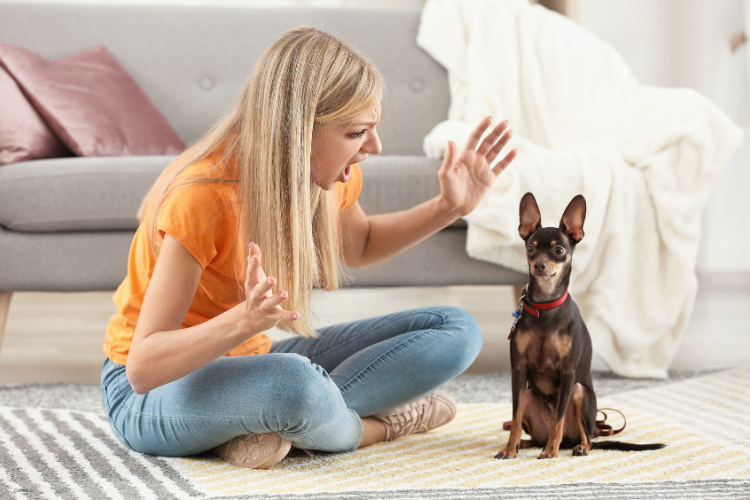
Dogs thrive on clear, consistent expectations that help them understand their role within the household structure. When rules change unpredictably or different family members enforce different standards, dogs experience ongoing uncertainty about what behaviors are acceptable. This confusion creates anxiety because dogs cannot predict consequences or understand how to earn approval and avoid conflict.
Establish household rules that everyone follows consistently, such as whether dogs are allowed on furniture, where they should wait during meal preparation, and how they should greet visitors. Write down your expectations and ensure all family members understand and enforce the same boundaries. Consistency in rules provides the security framework that allows dogs to relax and trust their environment.
3. The Moments We Push Past Their Signals.

Dogs communicate discomfort through body language that many owners miss or misinterpret, leading to forced interactions that escalate stress rather than building positive associations. Signs like lip licking, yawning when not tired, turning away, or freezing often indicate that a dog needs space rather than continued engagement. Pushing through these signals teaches dogs that their communication is ineffective and that they have no control over uncomfortable situations.
Learn to recognize your dog’s stress signals and respect their need for breaks during training, grooming, or social interactions. Allow your dog to move away or disengage when they show signs of discomfort, and wait for them to re-engage voluntarily. This approach builds trust and teaches your dog that they have some control over their environment, which reduces overall anxiety levels.
4. When Home Feels Like Too Much to Process.

Modern homes contain numerous sensory inputs that can overwhelm dogs with sensitive nervous systems, including electronic device sounds, air fresheners, bright lighting, and competing scents from cleaning products. Dogs experience these stimuli much more intensely than humans and may develop chronic stress from constant sensory bombardment that never allows their nervous system to fully relax.
Create quiet zones in your home where your dog can retreat from sensory overload, using soft lighting and minimal electronic noise. Avoid using strong artificial scents near your dog’s sleeping areas, and consider how the placement of televisions, speakers, or other noise-producing devices affects your pet’s ability to find peaceful spaces. Providing sensory refuges allows your dog to self-regulate their stimulation levels throughout the day.
5. When the Day Never Unfolds the Same Way.
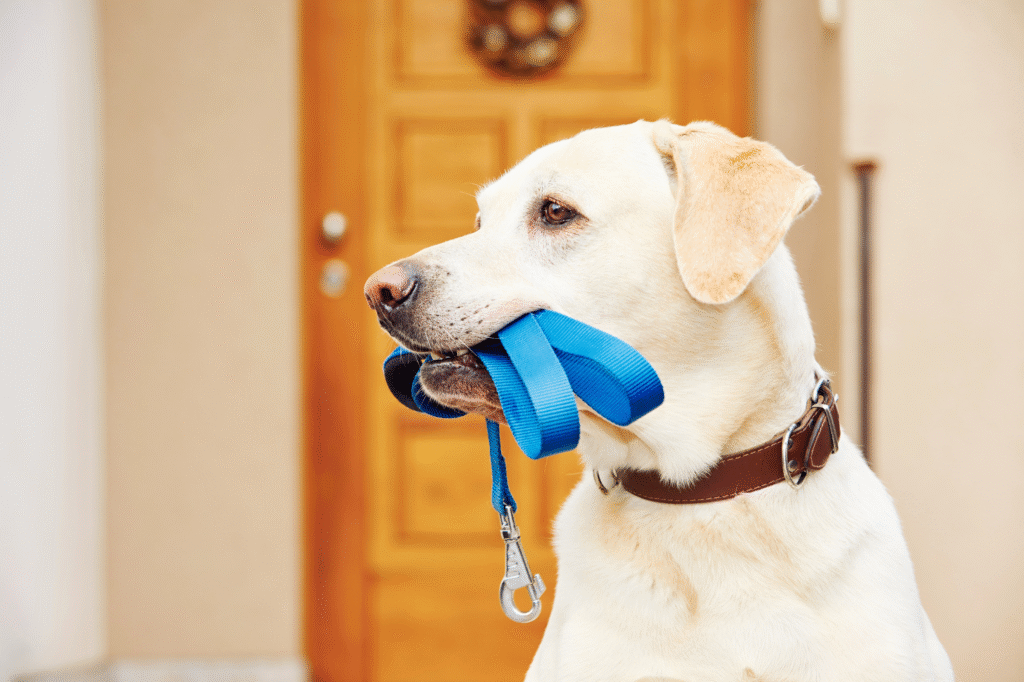
Dogs rely heavily on predictable patterns to feel secure in their environment, and irregular feeding times, walk schedules, or family routines can create ongoing anxiety about when their needs will be met. Unlike humans who can understand and adapt to schedule changes, dogs depend on consistent timing to regulate their internal clocks and maintain emotional stability throughout daily transitions.
Establish regular times for feeding, walks, and bedtime routines, even if the exact timing varies slightly from day to day. When schedule changes are unavoidable, try to maintain the sequence of activities even if the timing shifts. For example, if you usually walk your dog before breakfast, maintain that order even if both activities happen later than usual. Predictable sequences help dogs anticipate and prepare for daily events.
6. When Timing Turns Into Something They Don’t Understand.

Many owners accidentally punish their dogs by addressing unwanted behaviors too long after they occur, causing dogs to associate the correction with whatever they were doing when the human became upset. This timing confusion can make dogs fearful of normal activities like eating, playing, or resting if those behaviors happened to coincide with delayed corrections for unrelated issues.
Address unwanted behaviors immediately when they occur, or not at all if more than a few seconds have passed. If you discover damage or accidents after the fact, simply clean up without involving your dog in the process. Focus on preventing future problems through management and training rather than trying to teach lessons through delayed consequences that your dog cannot connect to their original actions.
7. When Everyday Handling Starts to Feel Different.
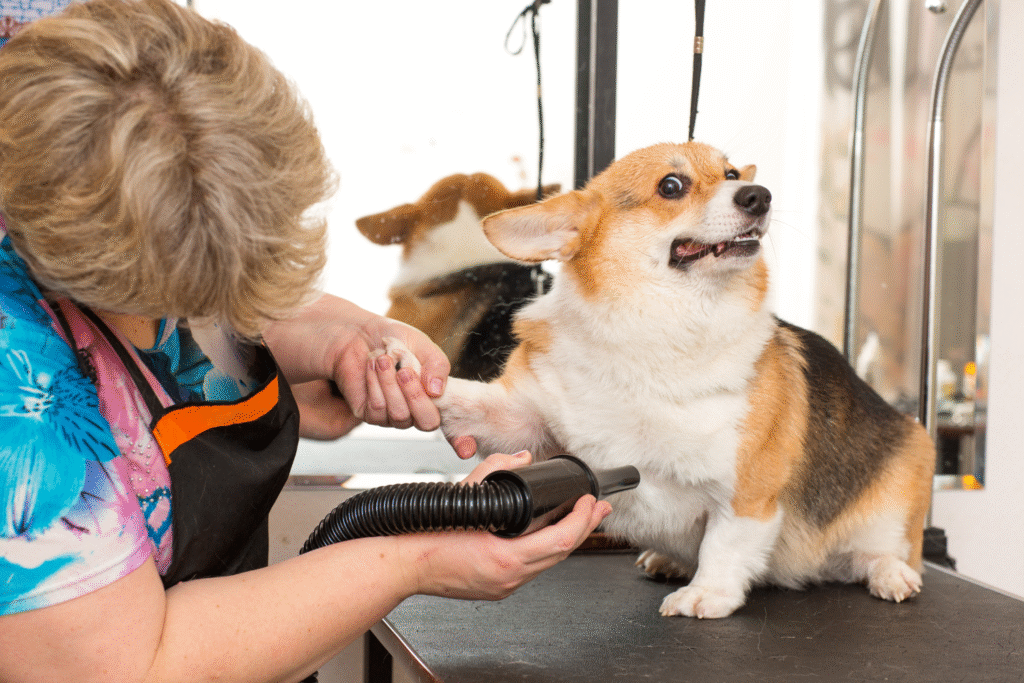
Many dogs develop fear and resistance around necessary care activities because owners approach grooming, nail trimming, or medical examinations without proper conditioning. Rushing through these procedures or restraining anxious dogs can create lasting negative associations that make future care increasingly difficult and stressful for both pet and owner.
Introduce handling exercises gradually during calm moments, touching paws, ears, and mouth briefly while offering treats and praise. Practice mock grooming sessions with the tools visible but not actively used, allowing your dog to investigate and receive positive reinforcement for calm behavior around grooming equipment. Building positive associations before you need to perform actual care procedures makes routine maintenance much less stressful.
8. When the Room Feels Bigger Than They Do.
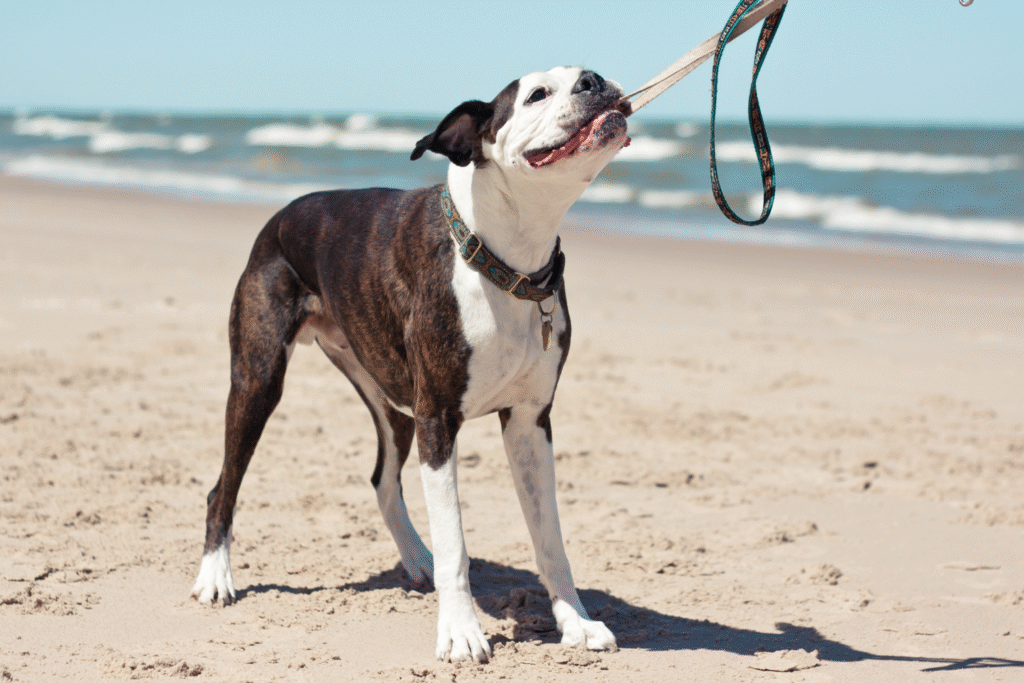
Well-meaning social situations like dog parks, busy sidewalks, or visitor interactions can overwhelm dogs who need more gradual exposure to build confidence around new people and animals. Pushing shy or reactive dogs into social situations before they’re ready often backfires by confirming their fears and making future socialization more difficult.
Allow your dog to observe social situations from a comfortable distance where they can see but not feel pressured to participate. Gradually decrease distance as your dog shows relaxed body language and voluntary interest in approaching. Always give your dog an escape route and respect their choice to disengage from social interactions. Building confidence requires allowing dogs to succeed at their own pace rather than forcing breakthrough moments.
9. When the Mood in the Room Keeps Shifting.

Dogs are highly attuned to human emotional states and can become anxious when their owners display unpredictable moods or stress levels that create an unstable emotional environment. Frequent arguments, high stress periods, or dramatic emotional swings can leave dogs unsure about their safety and security within the family structure.
Maintain calm, consistent energy around your dog even during stressful periods in your life. If you’re having a difficult day, avoid taking frustrations out on your pet through impatient interactions or shortened exercise sessions. Dogs cannot understand the external causes of human stress and may blame themselves for household tension. Creating emotional stability helps your dog maintain confidence in their environment and relationship with you.
10. When the Silence Feels a Little Too Long.

Bored dogs often develop behaviors that look like anxiety, disobedience, or aggression but actually stem from insufficient mental engagement with their environment. Without adequate cognitive challenges, intelligent dogs may create their own entertainment through destructive behaviors or develop compulsive habits that provide mental stimulation but appear problematic to owners.
Provide regular mental enrichment through puzzle toys, training sessions, scent games, or rotating toy selections that keep your dog’s mind engaged throughout the day. Even short training sessions that teach new tricks or reinforce existing commands provide valuable mental exercise that can prevent boredom-related anxiety behaviors. Mental fatigue often proves more effective than physical exercise for creating calm, satisfied dogs who rest peacefully when left alone.