
Sudden behavior shifts can signal deeper physical trouble.
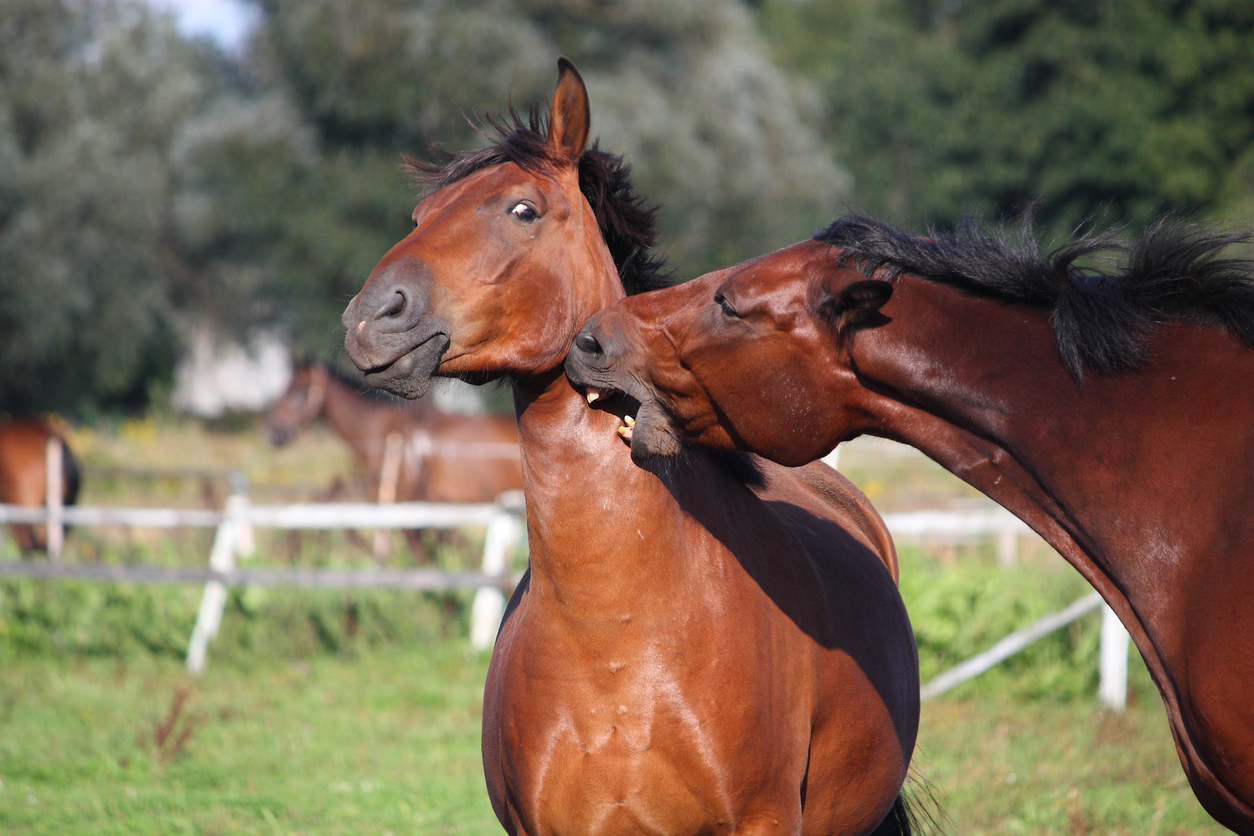
A calm horse that suddenly pins ears, bites, or strikes can leave owners shaken. These changes often appear without warning, sometimes overnight. Veterinarians and behaviorists note that abrupt aggression usually reflects pain, neurological stress, or environmental disruption rather than personality change. Knowing when a shift is temporary versus dangerous can prevent serious injury and long term welfare problems.
1. Pain often triggers aggression faster than training failures.

Horses hide discomfort until it crosses a threshold. Gastric ulcers, hoof abscesses, and dental pain can all escalate quickly, changing behavior within hours. According to the American Association of Equine Practitioners, pain remains the most common cause of sudden aggression.
When pain spikes, horses defend themselves reflexively. A normally tolerant horse may bite during grooming or refuse handling. Any rapid behavioral change paired with stiffness, appetite loss, or posture changes warrants immediate physical evaluation by a veterinarian.
2. Neurological issues can alter behavior abruptly.

Conditions affecting the brain or nerves can change temperament fast. Head trauma, infections, or spinal inflammation may produce confusion, fear, or aggression. As reported by the Merck Veterinary Manual, neurological disorders often appear first as behavior changes.
These horses may react unpredictably to familiar cues. Stumbling, abnormal eye movement, or delayed responses often accompany aggression. Because neurological issues can progress quickly, sudden hostility paired with coordination changes should be treated as an urgent medical concern.
3. Hormonal shifts can provoke rapid defensive reactions.

Hormonal imbalances influence mood and reactivity. Mares with ovarian tumors or stallions with endocrine disruption may show sudden irritability or dominance behaviors. As stated by the University of California Davis School of Veterinary Medicine, hormonal causes can mimic training problems.
These changes often appear alongside physical signs like swelling, altered cycles, or muscle loss. Because hormones affect the nervous system directly, aggression may surface before obvious physical symptoms. Veterinary testing helps distinguish behavioral from endocrine causes early.
4. Environmental stress can overload coping mechanisms.
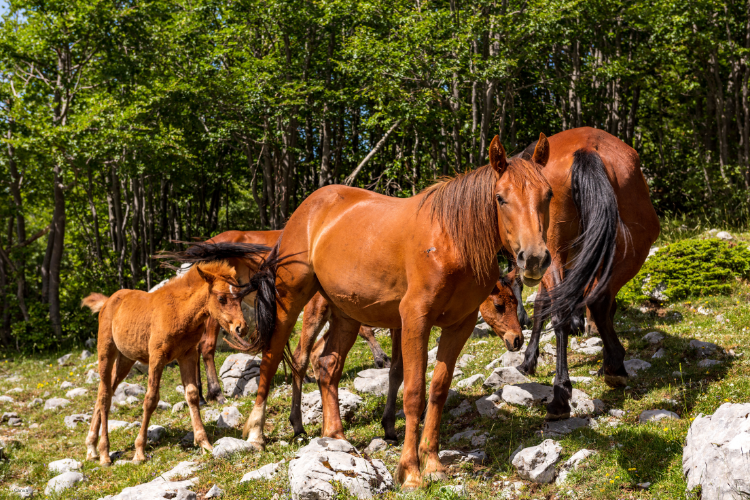
Sudden changes in turnout, herd composition, or stabling can overwhelm a horse quickly. Horses rely on predictability. Removing a bonded companion or introducing an aggressive herd mate can provoke defensive behavior overnight.
Stress hormones rise rapidly under social pressure. Aggression becomes a tool to regain control or space. Observing recent management changes often reveals the trigger. Addressing environmental stress can reverse behavior without medical intervention if caught early.
5. Sleep deprivation increases irritability and reactivity.
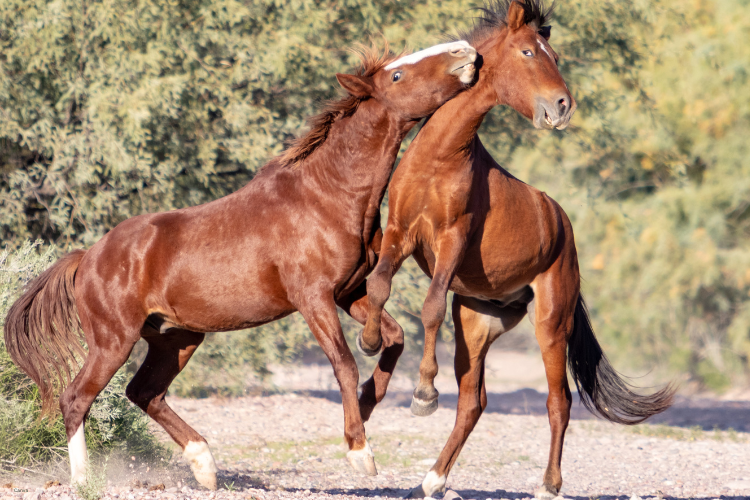
Horses require periods of deep sleep while lying down. Disruption from pain, poor footing, or herd pressure can prevent adequate rest. After several nights, behavior may deteriorate sharply.
Sleep deprived horses show delayed responses and lower tolerance for handling. Aggression may appear during routine tasks. Evaluating bedding, stall safety, and herd dynamics can restore rest and stabilize behavior surprisingly quickly.
6. Poor saddle fit can cause instant defensive behavior.

Ill fitting tack can create sharp localized pain. A saddle pressing unevenly may trigger bucking, biting, or striking almost immediately after use begins.
Because the pain appears only during work, owners may misinterpret it as attitude. Removing tack and checking for soreness often reveals the cause. Addressing fit issues can stop aggression as quickly as it appeared.
7. Vision or hearing changes can provoke fear responses.
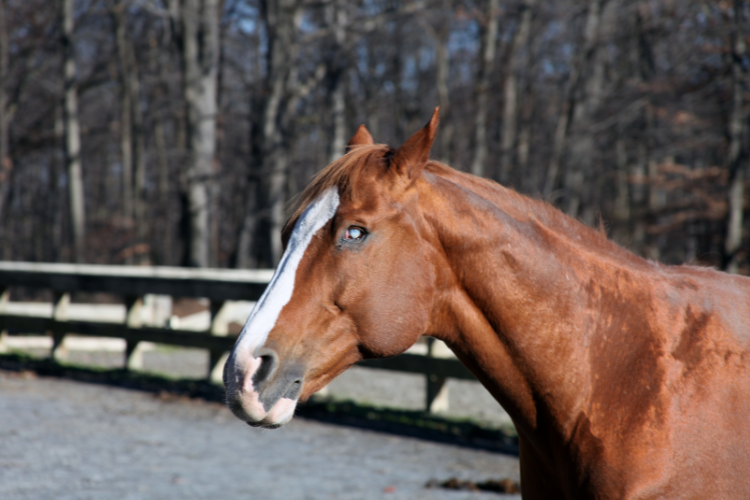
Sudden sensory loss alters how horses interpret their surroundings. Eye infections, cataracts, or ear pain can distort perception, making familiar movements feel threatening.
A horse that startles easily or reacts aggressively to approach may be compensating for sensory confusion. Subtle signs include head tilting or reluctance to enter bright areas. Veterinary exams can uncover issues before panic driven aggression escalates.
8. Training pressure can exceed tolerance unexpectedly.
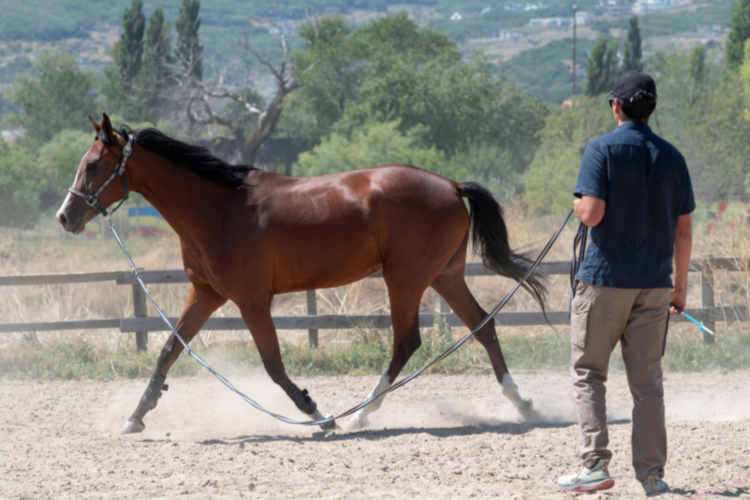
Horses have limits that shift with age, health, and experience. Increasing workload, intensity, or demands too quickly can push them past coping capacity.
Aggression becomes a release valve when communication fails. This often appears after a single hard session. Scaling back expectations and rebuilding gradually restores trust and reduces defensive reactions over time.
9. Past trauma can resurface under specific triggers.
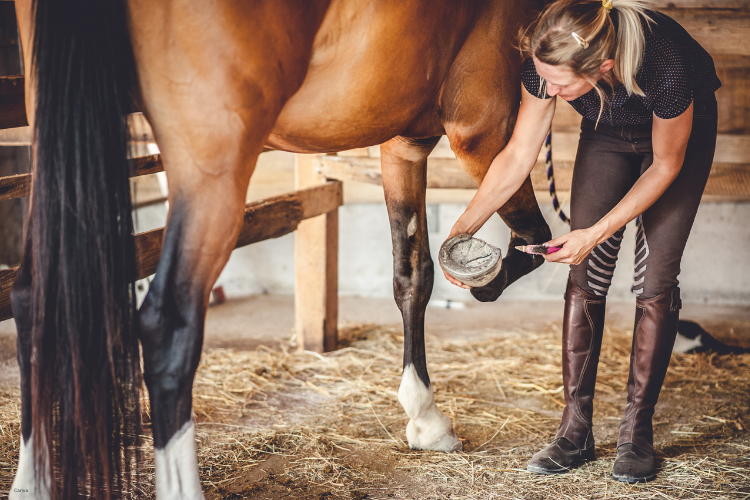
Horses remember frightening experiences. A smell, sound, or handling style can reactivate fear even years later. Aggression may surface suddenly when a buried memory is triggered.
These reactions seem overnight but trace back to history. Identifying patterns around handling or environment helps reveal the source. Calm retraining and consistency often reduce these responses when managed patiently.
10. Persistent aggression signals immediate safety concerns.
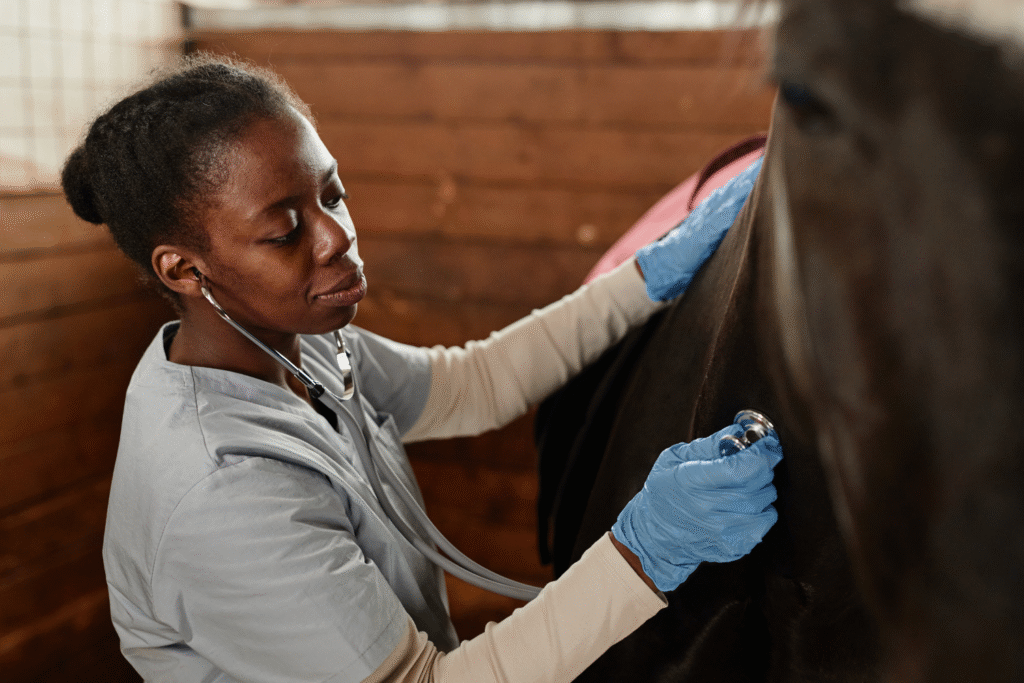
When aggression escalates or spreads across situations, risk increases. Repeated biting, striking, or charging indicates loss of behavioral control.
At this stage, professional intervention matters. Veterinarians and experienced trainers assess pain, management, and behavior together. Waiting can endanger handlers and the horse. Sudden aggression should never be dismissed when it intensifies or persists.