
When pounds drop fast, something deeper could be wrong.

A dog losing weight unexpectedly isn’t just a cosmetic change—it’s a biological alarm bell. While gradual weight loss can come from aging or activity shifts, a sudden drop often points to underlying disease. It’s easy to assume they’re just eating less or burning more, but what’s happening inside their body can be far more complex. Veterinarians warn that unexplained weight loss can signal organ failure, hormonal imbalance, or infection long before other symptoms appear. The sooner you notice it, the better their odds of recovery.
1. Diabetes can quietly drain a dog’s muscle mass.

Dogs with diabetes often lose weight even while eating normally or more than usual. As glucose builds up in their blood instead of entering cells, the body starts breaking down fat and muscle for energy. According to the American Veterinary Medical Association, early signs often include increased thirst, frequent urination, and a sweet odor on the breath. The metabolic confusion robs them of calories even when meals are consistent. Without insulin regulation, the body essentially consumes itself from the inside out.
2. Parasites can strip nutrients faster than dogs can eat.
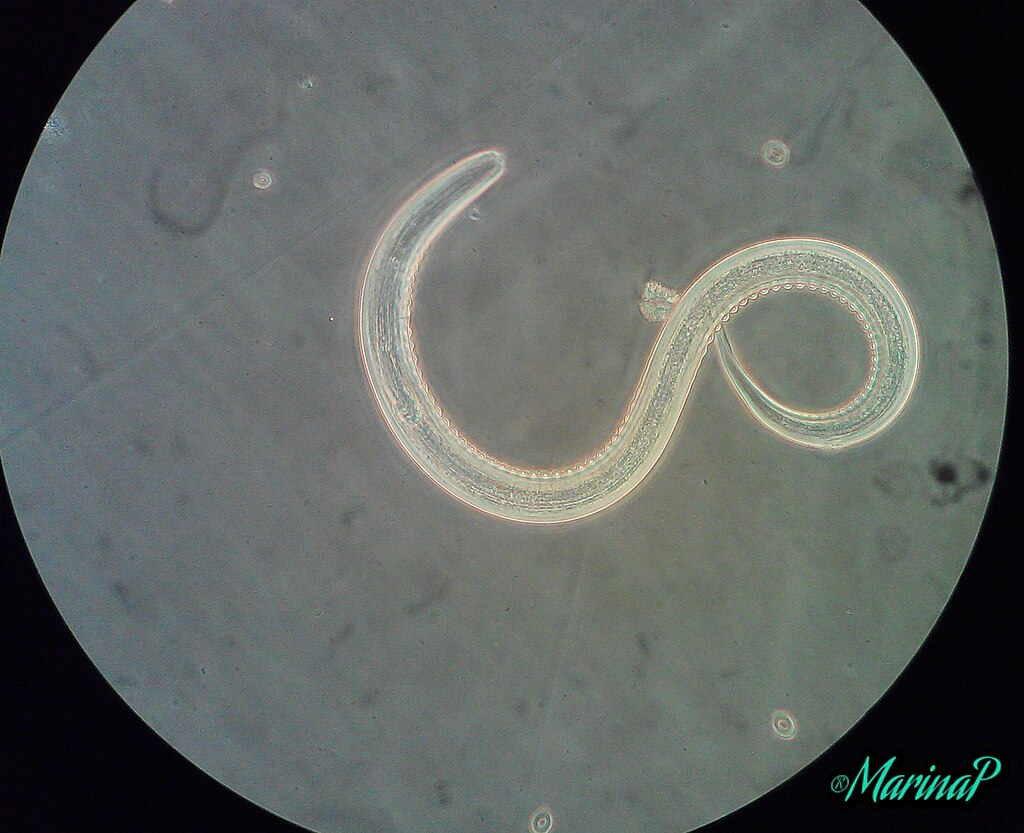
Worms and protozoa living in the digestive tract can cause rapid weight loss despite good appetite, as discovered by veterinary parasitology studies. Roundworms, hookworms, and giardia compete directly for nutrients or cause intestinal inflammation that blocks absorption. The result is a dog that seems hungry yet keeps thinning out. Over time, their coat dulls, their ribs start showing, and fatigue sets in. Because many infestations are invisible to the eye, fecal testing becomes essential. It’s not just hygiene—it’s life-saving awareness.
3. Kidney disease often shows first through the waistline.

Dogs with kidney problems may start slimming down long before blood work confirms it, as reported by the American College of Veterinary Internal Medicine. The failing kidneys leak protein and disrupt appetite, causing both fat and muscle loss. Bad breath that smells metallic, along with increased water intake and urination, usually follow. Since older dogs are most at risk, any unexplained change in their shape deserves attention. Weight loss here isn’t cosmetic—it’s a symptom of a silent, progressing disease that creeps up gradually.
4. Cancer can steal weight before it shows anywhere else.

When tumors form, they consume vast energy to grow, pulling nutrients away from the rest of the body. Some cancers, like lymphoma or intestinal tumors, accelerate metabolism and cause wasting. The tricky part is that many dogs remain playful until the later stages. Subtle shifts in appetite, along with slight muscle loss around the spine or hips, can easily go unnoticed. By the time the weight loss becomes visible, the disease may already be advanced—making early veterinary checks invaluable.
5. Liver disorders disrupt how dogs process food and fat.
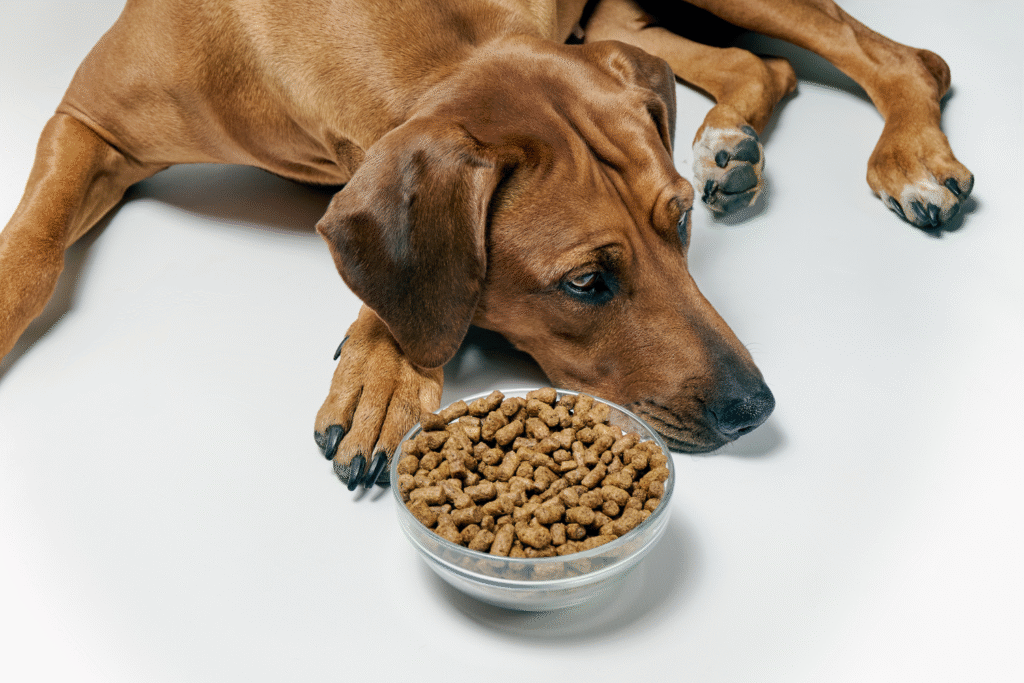
The liver filters toxins and manages metabolism, so when it falters, the entire system struggles. Dogs with liver disease may eat inconsistently or vomit after meals, leading to fast decline in body condition. The whites of their eyes can turn yellow, and their stool may lighten in color. Because the liver helps regulate nutrients, any compromise means even healthy food becomes inefficient fuel. Identifying this early through blood tests and ultrasound can dramatically improve treatment success and longevity.
6. Dental pain can silently stop them from eating enough.
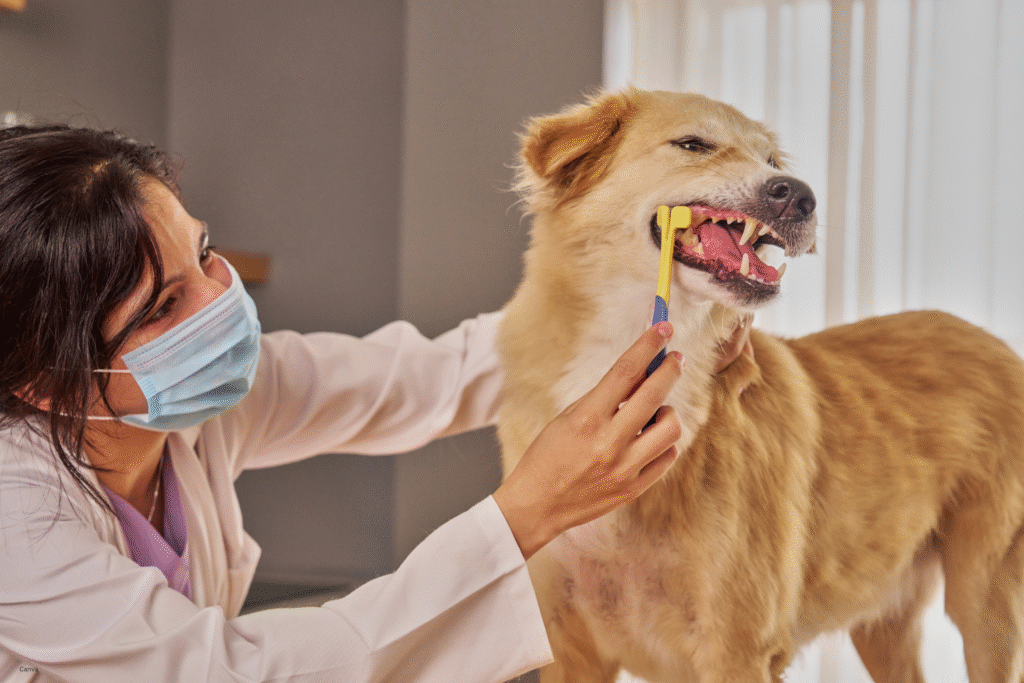
Painful teeth, infected gums, or abscesses can make chewing unbearable. A dog might stand by the food bowl but hesitate to eat, giving the impression of pickiness when it’s actually discomfort. Over time, that avoidance leads to calorie deficit and muscle loss. Small breeds and older dogs are most prone to this cycle. Once dental pain is treated, appetite often returns overnight. Many cases of “mystery weight loss” resolve with a dental cleaning or extractions—it’s that simple, and that overlooked.
7. Thyroid imbalance can change metabolism almost overnight.

Dogs with hypothyroidism usually gain weight, but those with hyperthyroidism—though rare—can drop pounds quickly. The overactive thyroid ramps up metabolism, burning through energy reserves even with increased hunger. Restlessness, panting, and a fast heartbeat often accompany it. Because thyroid issues can mimic other conditions, vets rely on blood hormone panels to confirm diagnosis. Correcting hormone balance not only restores weight but stabilizes energy levels and mood, bringing back the calm, steady dog owners remember.
8. Digestive inflammation blocks absorption of vital nutrients.

Inflammatory bowel disease and chronic gastritis interfere with nutrient absorption, slowly starving the body even when meals are regular. Dogs may experience intermittent diarrhea, vomiting, or loss of interest in food. The inflammation damages intestinal lining, making it hard for vitamins and fats to reach the bloodstream. Specialized diets and anti-inflammatory medication often turn things around quickly. But the real challenge lies in identifying the cause before the gut has been chronically compromised.
9. Stress and anxiety can suppress appetite and metabolism.

Emotional health plays a surprising role in physical weight. Dogs under chronic stress—from environmental change, new pets, or separation anxiety—can lose their appetite entirely. Elevated cortisol levels alter digestion and metabolism, reducing nutrient absorption even when food intake stays normal. The result looks like illness but originates in emotional imbalance. Once routine and comfort return, so does weight stability. The body’s connection to the mind is stronger than most owners realize, and dogs often wear that truth visibly.