
Rare fault physics now intersects dense population centers.
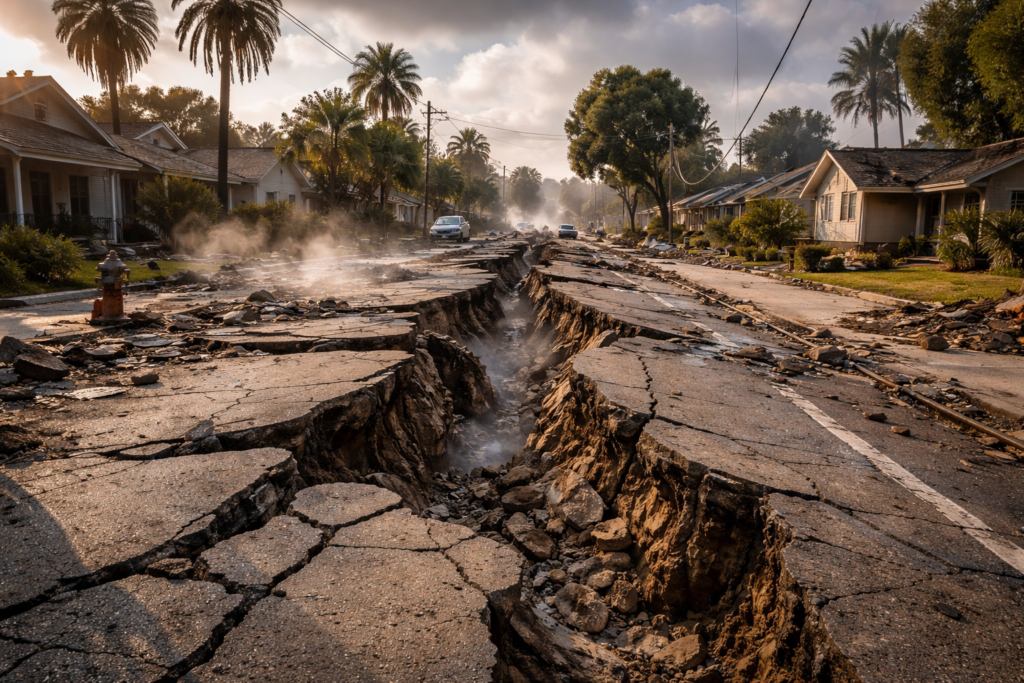
California’s earthquake risk has entered a more complex and unsettling phase. Scientists are no longer focused only on how often faults break, but on how ruptures move once they start. Recent modeling shows that large segments of California’s major faults are capable of producing supershear earthquakes, a rare rupture behavior that dramatically intensifies shaking. When researchers overlaid these fault sections with population data, they found that roughly 20 million Californians now live in zones where this physics could amplify damage. The concern reflects new science colliding with modern settlement patterns.
1. Supershear earthquakes rupture faster than seismic waves.

In a typical earthquake, the rupture spreads along a fault more slowly than seismic waves radiate outward. Supershear earthquakes break this rule. The rupture front accelerates beyond the speed of shear waves, causing seismic energy to stack up rather than disperse. This creates a shock like effect within the Earth’s crust.
For people on the surface, this means shaking arrives suddenly and violently. Instead of gradual motion, structures experience sharp velocity pulses that stress joints, columns, and foundations. These pulses can exceed what buildings are designed to absorb. Supershear behavior has been documented through field evidence and seismic modeling, according to the United States Geological Survey, showing that when this rupture mode occurs, damage patterns change dramatically.
2. Certain California faults naturally favor supershear behavior.

Supershear rupture does not occur randomly. It requires long, relatively straight fault segments under high accumulated stress. California contains several faults that meet these criteria, especially in Southern California. These fault sections allow ruptures to accelerate and maintain extreme speeds over long distances.
Fault maturity plays a role. Older faults with smoother surfaces are less likely to fragment a rupture, allowing it to sustain acceleration. These characteristics have been mapped for decades, but only recently tied explicitly to supershear risk. The danger is not new faults forming, but known faults behaving in newly understood ways under the right conditions.
3. Population exposure expanded as cities followed fault corridors.
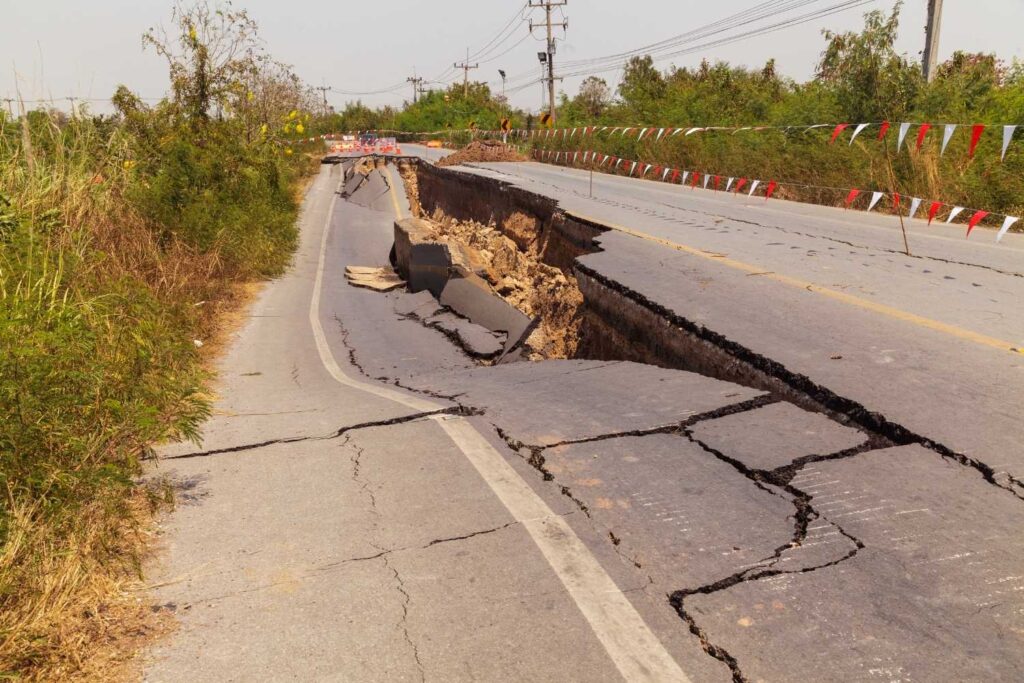
Modern population growth dramatically increased exposure to supershear capable faults. Housing and infrastructure expanded along valleys and corridors that parallel major faults because the terrain was accessible and economically attractive. These same corridors often align with long, straight fault segments.
When scientists combined rupture modeling with census data, they found dense metropolitan regions sitting directly within potential supershear paths. This exposure reflects where people live today, not an increase in earthquake frequency. The risk is structural and geographic, shaped by decades of urban expansion, as reported by the California Geological Survey.
4. Supershear shaking concentrates damage into narrow corridors.
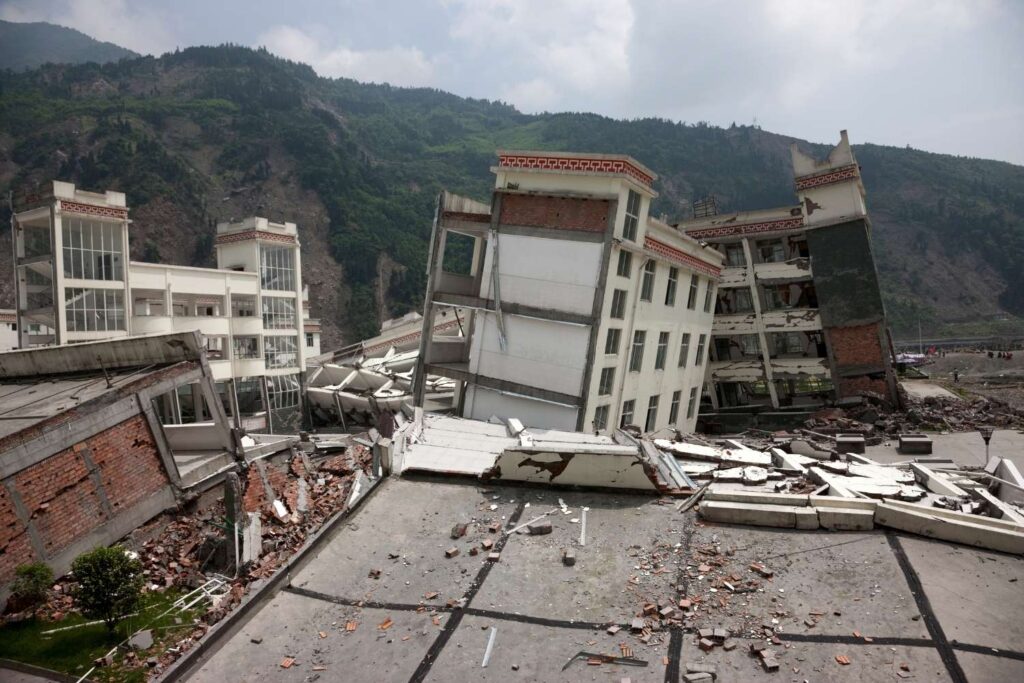
Supershear earthquakes do not spread damage evenly. Energy is focused forward along the rupture direction, creating narrow zones of extreme shaking while nearby areas may experience less intense motion. This directional effect makes damage highly asymmetric.
Structures within these corridors face abrupt velocity pulses that strain connections and foundations. Buildings just outside the corridor may fare far better despite similar distance from the epicenter. This explains why some past earthquakes produced baffling damage patterns. In supershear events, orientation and alignment matter as much as distance.
5. Southern California growth intensified vulnerability unintentionally.
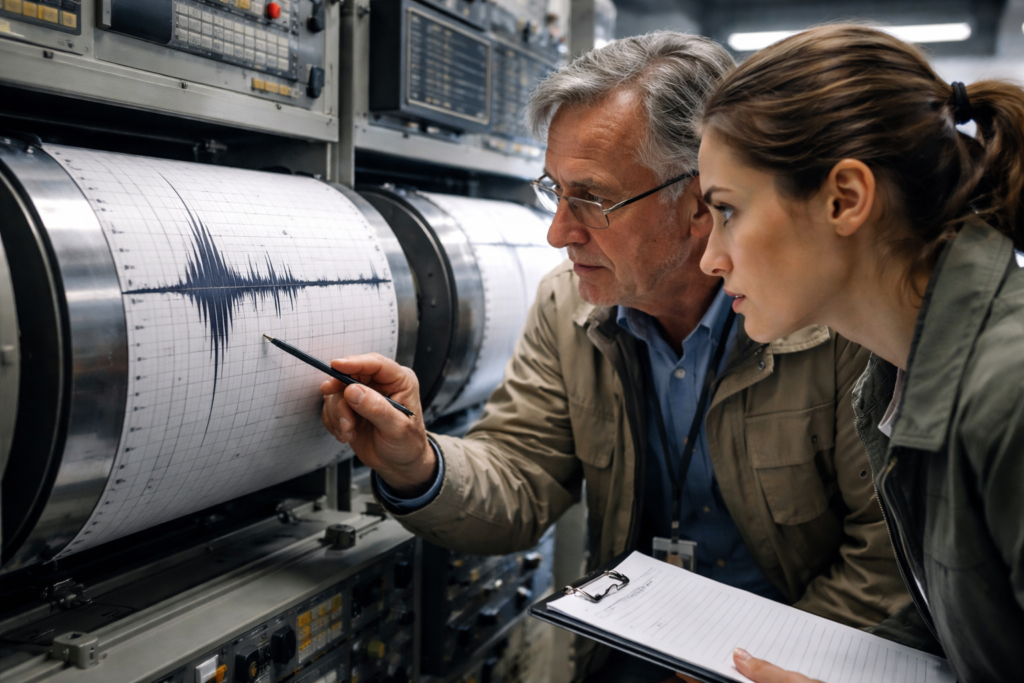
Most communities now exposed to supershear risk developed after major faults were identified but before rupture speed was widely understood. Planning focused on avoiding fault traces and accounting for shaking intensity, not rupture direction or speed.
As suburbs expanded along transportation routes and flat terrain, they unknowingly aligned with supershear capable fault segments. This vulnerability is not the result of negligence, but of science evolving after development occurred. The risk reflects historical planning decisions made without access to modern seismic modeling tools.
6. Existing building codes may not address velocity pulses.
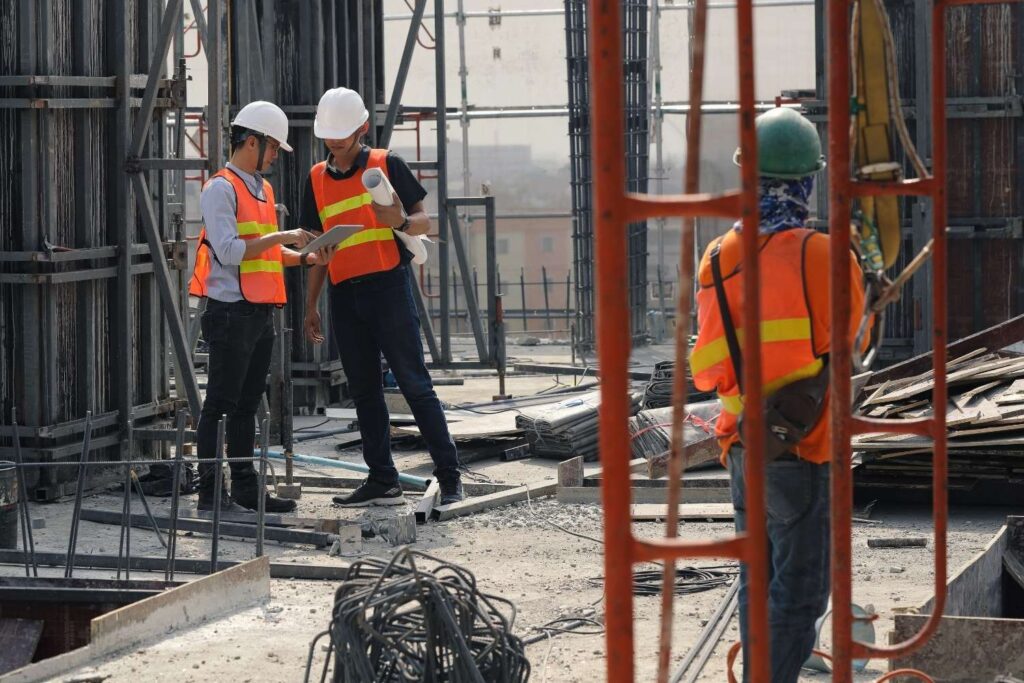
California’s building codes are among the strongest in the world, designed to prevent collapse during strong shaking. However, supershear earthquakes introduce a different stress profile. The sharp velocity pulses generated by these ruptures load structures rapidly and unevenly.
Mid rise buildings, long span bridges, and flexible infrastructure may be particularly sensitive to this motion. Engineers are now studying whether current design assumptions adequately account for supershear dynamics. The concern is not widespread collapse, but localized failures where forces exceed anticipated limits under current standards.
7. Infrastructure corridors align dangerously with rupture paths.
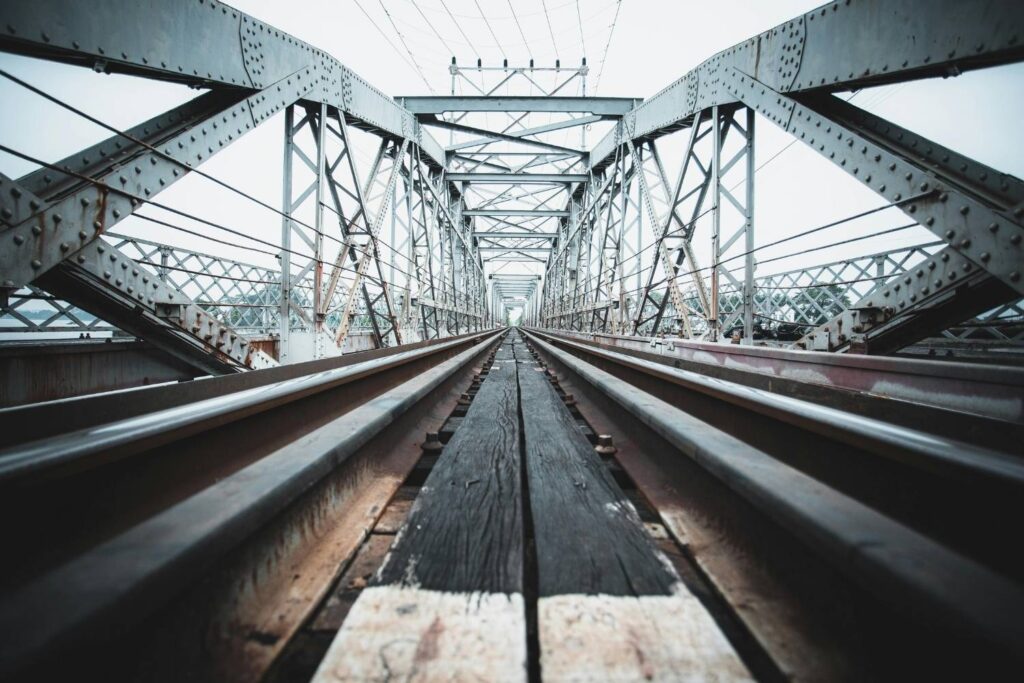
Major infrastructure systems often follow fault parallel routes because geography makes construction easier. Freeways, rail lines, pipelines, and aqueducts frequently run along valleys shaped by tectonics. In a supershear earthquake, these linear systems may align directly with the rupture direction.
This alignment increases the likelihood of cascading failures. Multiple segments of transportation or water systems could be damaged almost simultaneously, complicating emergency response and recovery. Supershear physics transform infrastructure geometry into a critical vulnerability factor rather than a secondary concern.
8. Supershear earthquakes are rare but physically repeatable.

Supershear behavior is uncommon, but it is not an anomaly. It has been observed in multiple large earthquakes worldwide and confirmed through seismic records and field studies. The physics governing supershear rupture are well established.
In California, paleoseismic evidence suggests similar rupture behavior occurred in past major earthquakes long before modern instruments existed. Supershear emerges when fault geometry, stress, and rupture length align. Its rarity does not reduce its significance, because when it occurs, consequences are amplified and highly directional.
9. Early warning systems face compressed response windows.

Earthquake early warning systems rely on detecting initial seismic waves before damaging motion arrives. Supershear ruptures compress this timeline. The most destructive shaking follows closely behind detection, reducing the seconds available for alerts.
This limitation affects automated responses such as train braking, utility shutdowns, and hospital preparedness. While early warning still provides benefit, supershear physics challenge assumptions about available reaction time. Researchers are exploring how rupture speed indicators might improve warning accuracy under these extreme conditions.
10. Supershear mapping is changing how risk zones are defined.

Supershear research is forcing scientists to rethink how seismic hazard zones are drawn. Traditional maps emphasize shaking intensity and probability. Supershear modeling adds directionality, rupture speed, and fault alignment as critical variables.
This means risk may be higher along specific fault parallel corridors rather than evenly distributed around epicenters. Emergency planners and engineers are beginning to incorporate these mechanics into scenario planning. Supershear is not just a stronger earthquake, it represents a different spatial logic of damage that challenges how California defines and prepares for seismic risk.