
Solar activity threatens our connected world.
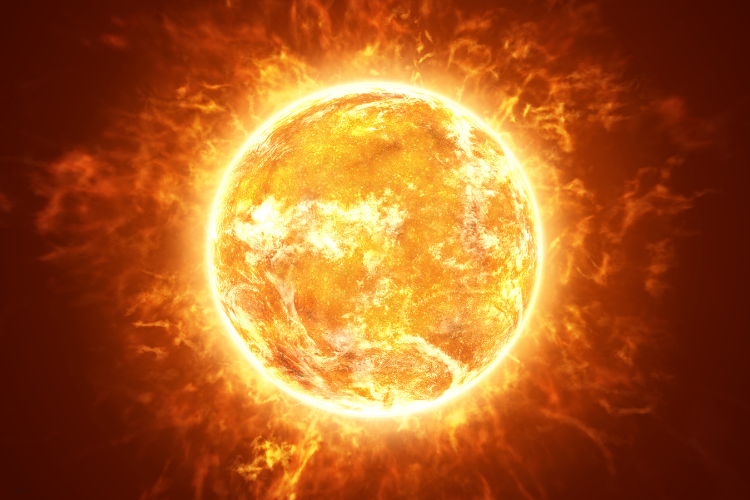
Our sun has been acting up lately, and NASA’s scientists are paying close attention. Solar storms, those spectacular bursts of energy from our nearest star, are becoming more frequent and intense as we approach the peak of the current solar cycle. These cosmic tantrums might seem distant, but they’re already causing real problems for the technology we depend on every day. From power grids flickering to satellites going offline, the effects ripple through our interconnected world in ways most people never consider.
1. Power grids worldwide face unprecedented vulnerability risks.
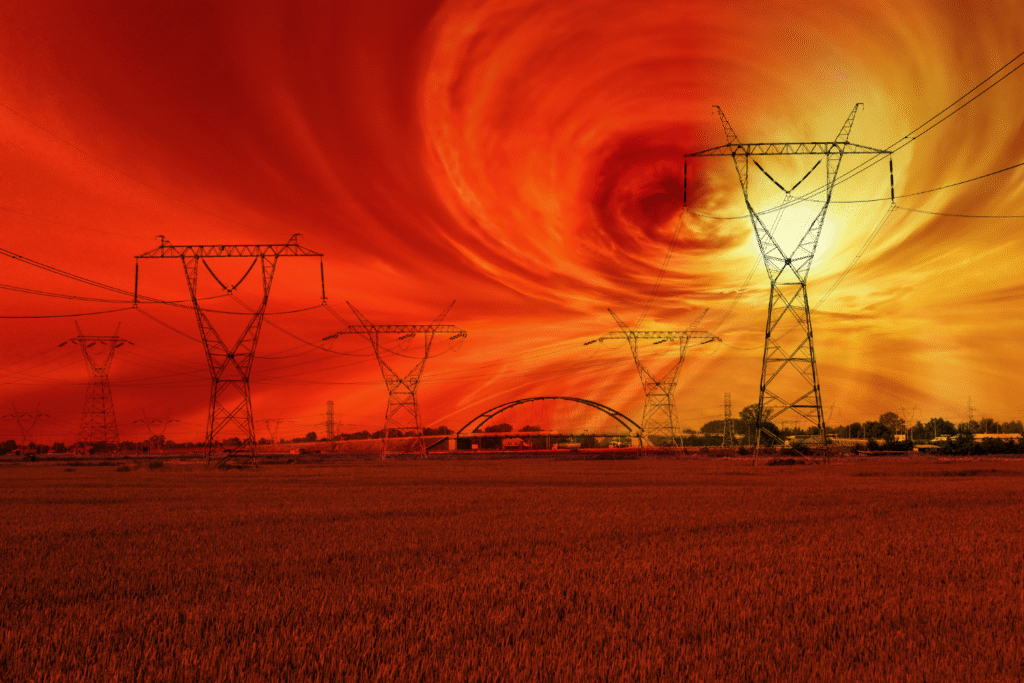
Electric utilities across the globe are scrambling to protect their infrastructure as geomagnetic disturbances surge through Earth’s magnetic field. When solar particles slam into our planet’s magnetosphere, they create electrical currents that can overload transformers and trip protective systems. According to the North American Electric Reliability Corporation, a severe solar storm could leave millions without power for months, not days. The 1989 Quebec blackout offers a stark reminder of what’s possible when space weather meets earthbound technology. Modern grids, with their sophisticated digital controls and interconnected networks, might actually be more susceptible than their analog predecessors.
2. Internet infrastructure struggles against electromagnetic interference.
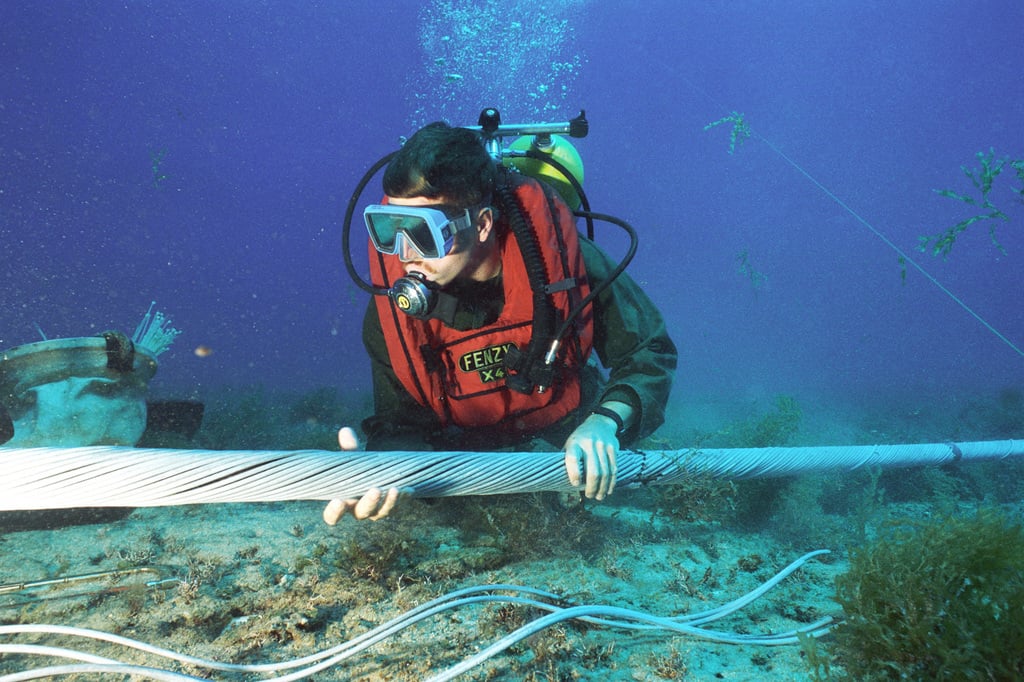
Undersea cables carrying most of our international internet traffic weren’t designed with space weather in mind. These fiber optic lifelines rely on electronic amplifiers every few dozen miles to boost signals across ocean basins. Solar storms can disrupt these delicate systems, causing widespread connectivity issues that cascade through social media, banking, and commerce platforms. The effects can persist for hours or even days, as reported by the International Telecommunication Union. What starts as a minor glitch in signal strength can snowball into complete communication blackouts between continents, leaving billions temporarily disconnected from the digital world they’ve come to expect.
3. Satellites experience malfunctions during intense solar events.
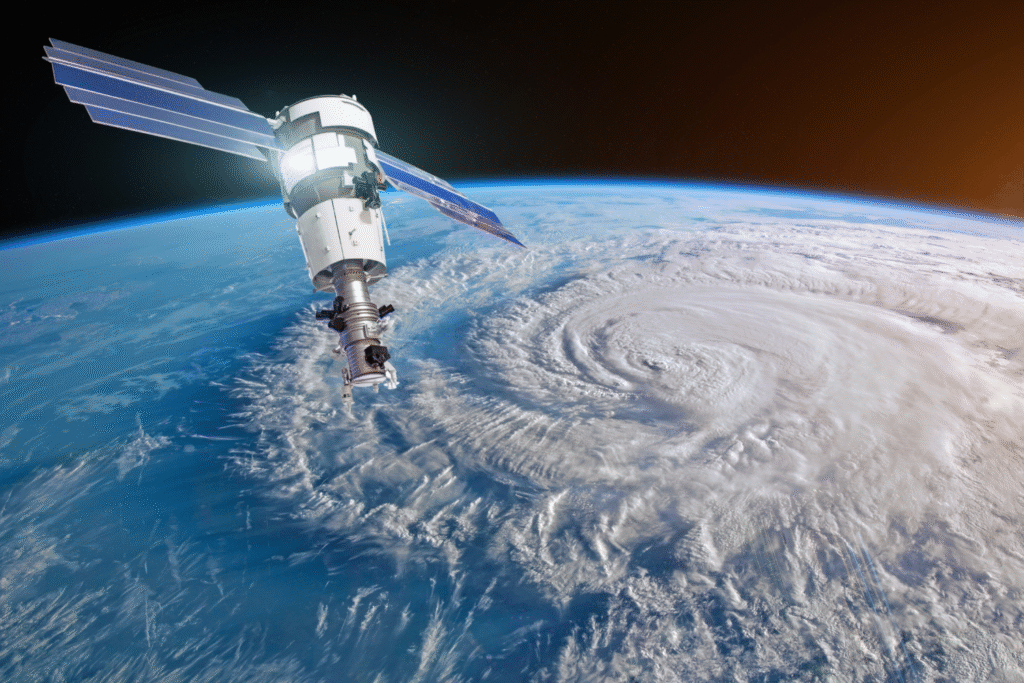
Space-based technology takes the brunt of solar fury, with no atmospheric protection to cushion the blow. Navigation systems like GPS can drift off course by several meters, while communication satellites might lose contact with ground stations entirely. According to NASA’s Goddard Space Flight Center, solar radiation can permanently damage satellite electronics, forcing operators to shut down systems or even abandon spacecraft altogether. The recent loss of dozens of Starlink satellites during a moderate solar storm demonstrates how vulnerable our space infrastructure has become. Insurance companies are taking notice too, adjusting policies as they realize space weather poses genuine financial risks to the satellite industry.
4. Aviation routes require constant adjustment during storms.
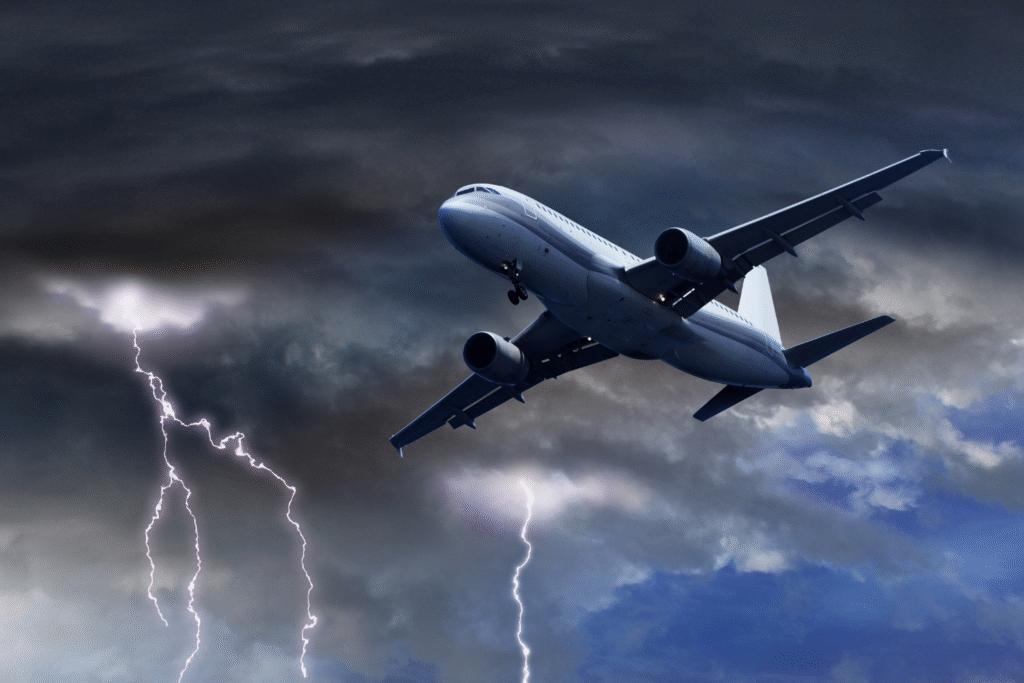
Airlines face a delicate balancing act when solar storms strike, weighing passenger safety against operational costs. Polar flight paths, popular for their fuel efficiency, become radiation hazards during intense space weather events. Flight crews and passengers can receive doses equivalent to multiple chest X-rays during a single transcontinental journey when solar particles penetrate the thin atmosphere at high altitudes. Radio communication becomes spotty or disappears entirely, forcing pilots to rely on alternative navigation methods. Some airlines now employ space weather forecasters alongside meteorologists, treating solar storms with the same seriousness as thunderstorms or hurricanes.
5. GPS accuracy degrades significantly during magnetic disturbances.
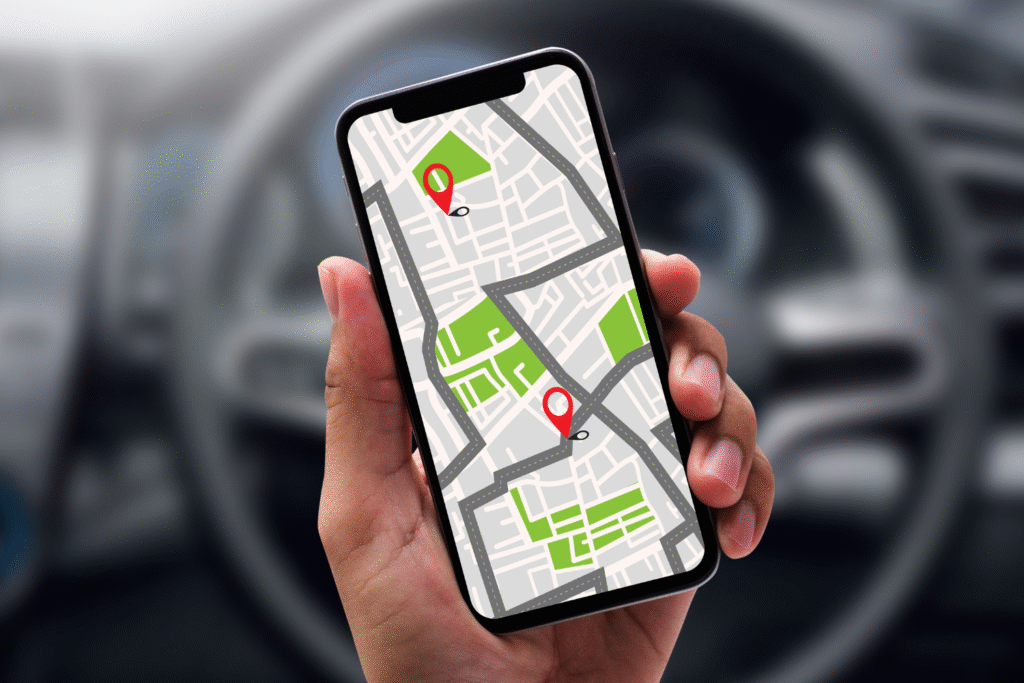
Your smartphone’s location services might start acting confused when solar storms interfere with satellite signals. The ionosphere, that electrically charged layer of atmosphere, becomes turbulent during space weather events, bending and delaying GPS transmissions in unpredictable ways. Precision agriculture systems that rely on centimeter-accurate positioning suddenly find themselves off by several meters, potentially damaging crops or wasting expensive fertilizers. Emergency services depend on GPS for dispatch and navigation, but solar storms can turn routine responses into dangerous guessing games. Even rideshare apps struggle when satellites can’t provide reliable positioning data.
6. Radio communications face widespread blackouts globally.
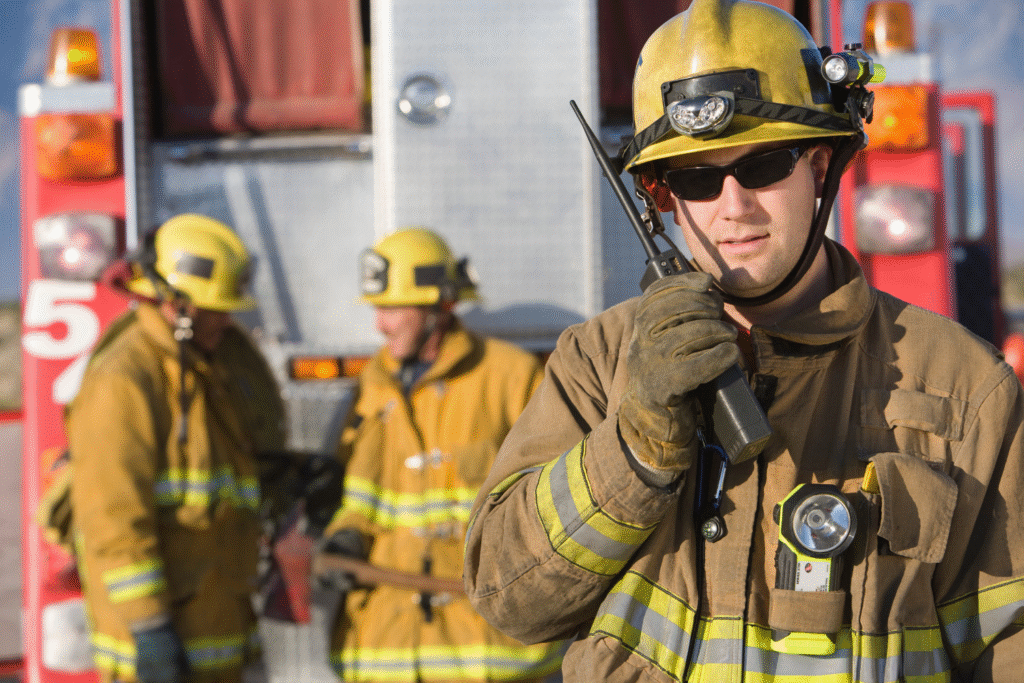
Ham radio operators often serve as the canaries in the coal mine during solar events, watching their signals fade into static as space weather intensifies. Emergency responders who rely on radio networks find themselves operating blind when solar storms disrupt the ionosphere’s natural radio-reflecting properties. Maritime vessels lose contact with shore stations, while aviation control towers struggle to maintain communication with aircraft. Military operations that depend on radio coordination face significant challenges when solar storms create communication dead zones. The irony is that the same solar activity that disrupts radio also creates those beautiful auroras that light up polar skies.
7. Financial markets experience disruptions from technology failures.

High-frequency trading algorithms that execute thousands of transactions per second become vulnerable when GPS timing signals waver during solar storms. Modern financial systems rely on precise time synchronization across global networks, but space weather can introduce microsecond delays that wreak havoc on automated trading systems. Banking networks that process millions of transactions daily might slow to a crawl when satellite communications become unreliable. Currency exchanges operating across multiple time zones find themselves dealing with synchronization issues that can cost millions in failed trades. The 2003 Halloween storms caused notable disruptions to several major financial institutions, highlighting how space weather translates directly into economic consequences.
8. Medical equipment malfunction creates serious healthcare risks.

Hospital systems that depend on GPS for timing critical procedures face unexpected complications when solar storms interfere with satellite signals. Magnetic resonance imaging machines, already sensitive to electromagnetic interference, can produce distorted images during intense space weather events. Pacemakers and other implanted medical devices, while generally well-shielded, might experience glitches when solar particles create unusual electromagnetic conditions. Emergency helicopter services that rely on GPS navigation find themselves grounded or forced to use less precise guidance systems. The healthcare implications extend beyond individual devices to entire hospital networks that coordinate care across multiple facilities using satellite-dependent communication systems.
9. Military operations encounter significant strategic challenges.
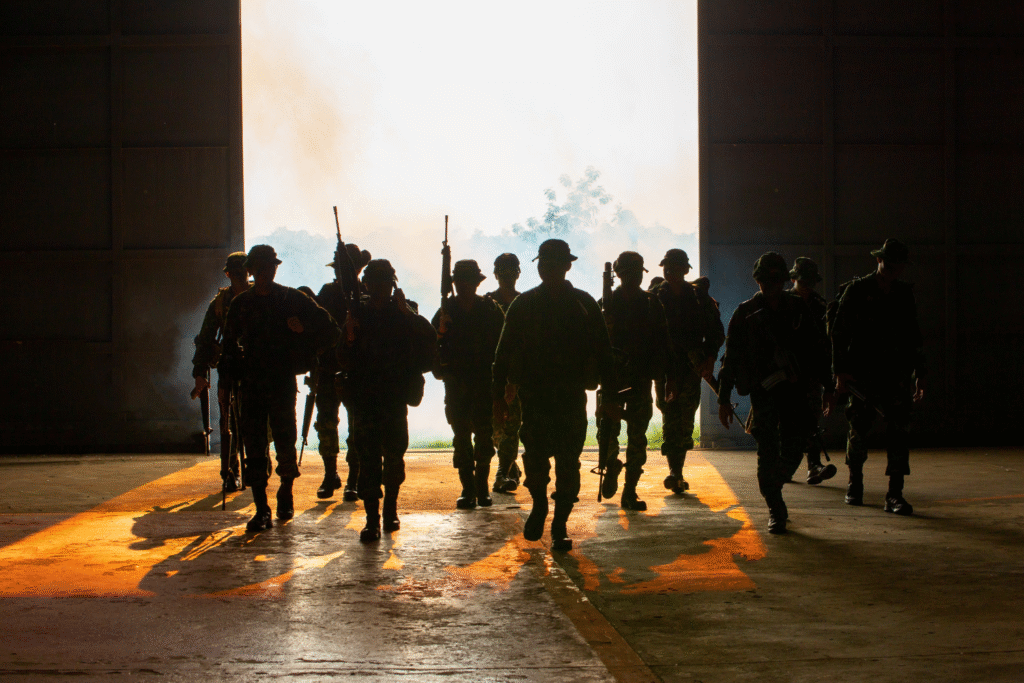
Defense systems that rely on satellite communications and GPS guidance become unreliable during major solar events. Submarine operations lose contact with command centers when radio waves can’t penetrate the disturbed ionosphere. Missile defense systems that track incoming threats using radar and satellite data might miss targets or generate false alarms during space weather events. Intelligence gathering operations that depend on satellite imagery and electronic surveillance face blackout periods when solar storms overwhelm sensitive equipment. Military planners now include space weather forecasts in their operational planning, recognizing that solar storms can be as disruptive as enemy action.
10. Emergency response systems fail when needed most.
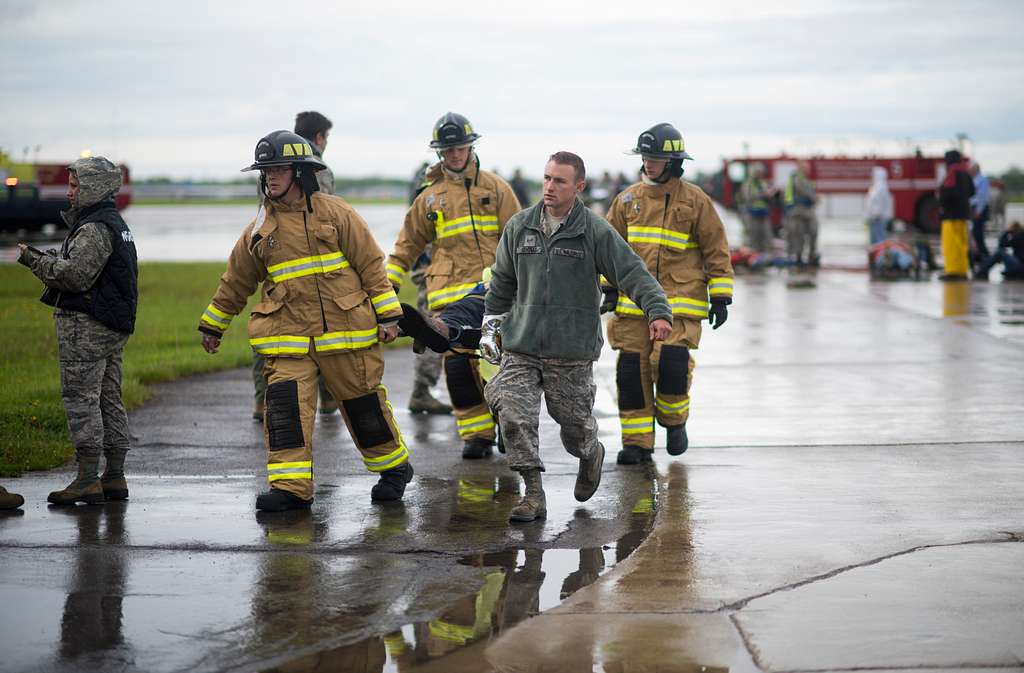
The cruel irony of solar storms is that they often disable the very systems we need to coordinate disaster response. First responders who rely on GPS for navigation and digital radios for communication find themselves operating with 20th-century tools during 21st-century emergencies. 911 dispatch centers that route calls using GPS location data struggle to send help to the right places when satellite signals become unreliable. Weather monitoring stations that track hurricanes and tornadoes might go offline just when accurate forecasting becomes critical. Emergency broadcast systems that warn the public about disasters can fail during the space weather events that make those warnings necessary, creating a dangerous communication gap when communities need information most.