
What scientists are seeing was not expected to happen this fast.
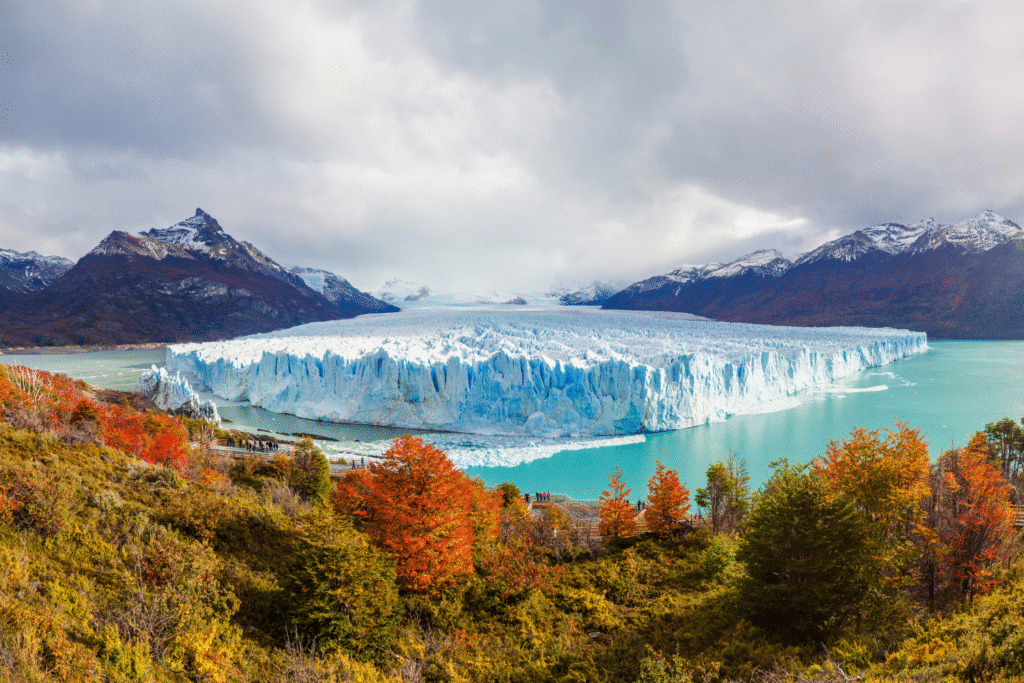
In one of the planet’s most remote regions, something shifted quietly and then refused to stop. Instruments began recording changes that did not match seasonal patterns or long term models. The loss appeared suddenly, unfolded over weeks, and left researchers comparing notes instead of drawing conclusions. What vanished was not supposed to move this quickly, especially here. The High Arctic is often treated as slow, buffered, and predictable. Recent observations challenge that comfort. The alarms being raised are not about a single event, but about what this pace suggests may already be underway beyond the reach of easy explanation.
1. The record melt occurred during a heat anomaly in July and August 2024.
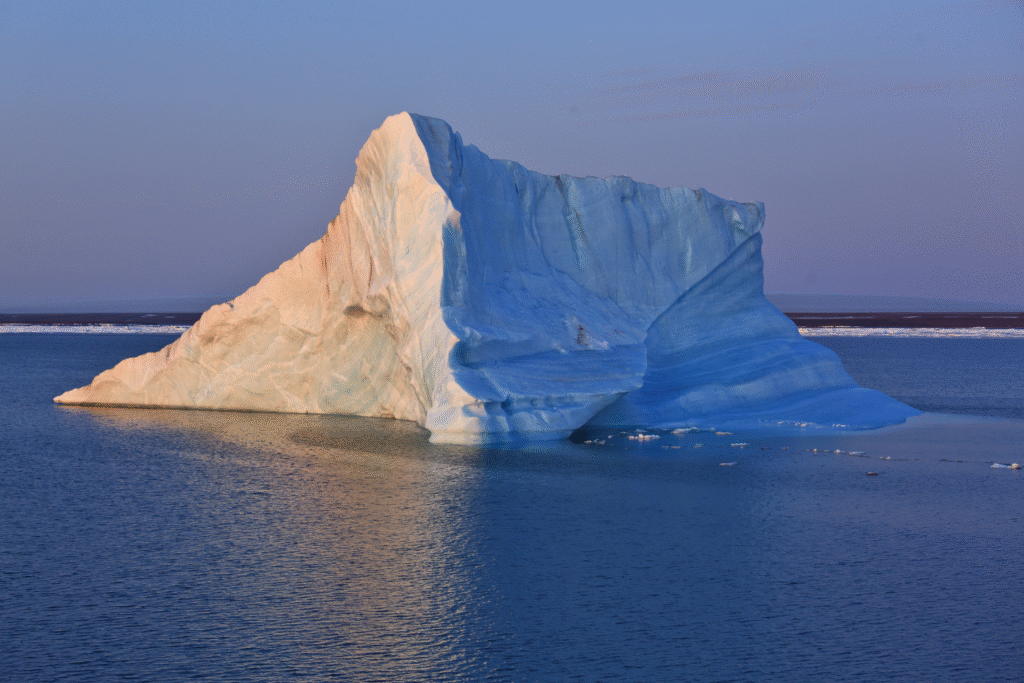
Scientists from the Norwegian Polar Institute reported that Svalbard’s glaciers experienced an extraordinary surface melt during a six-week heat anomaly in mid-2024, with ice loss totaling 61.7 ± 11 gigatons. Persistent high-pressure systems trapped warm air over the islands, keeping daily temperatures above freezing far longer than usual. As those temperatures lingered, meltwater poured into fjords and streams, swelling rivers and exposing bare ice. That rapid warming triggered a feedback loop where darker surfaces absorbed more sunlight, compounding the melt, according to the Norwegian Polar Institute’s 2025 assessment.
2. The ice lost equals about one percent of Svalbard’s entire glacier mass.
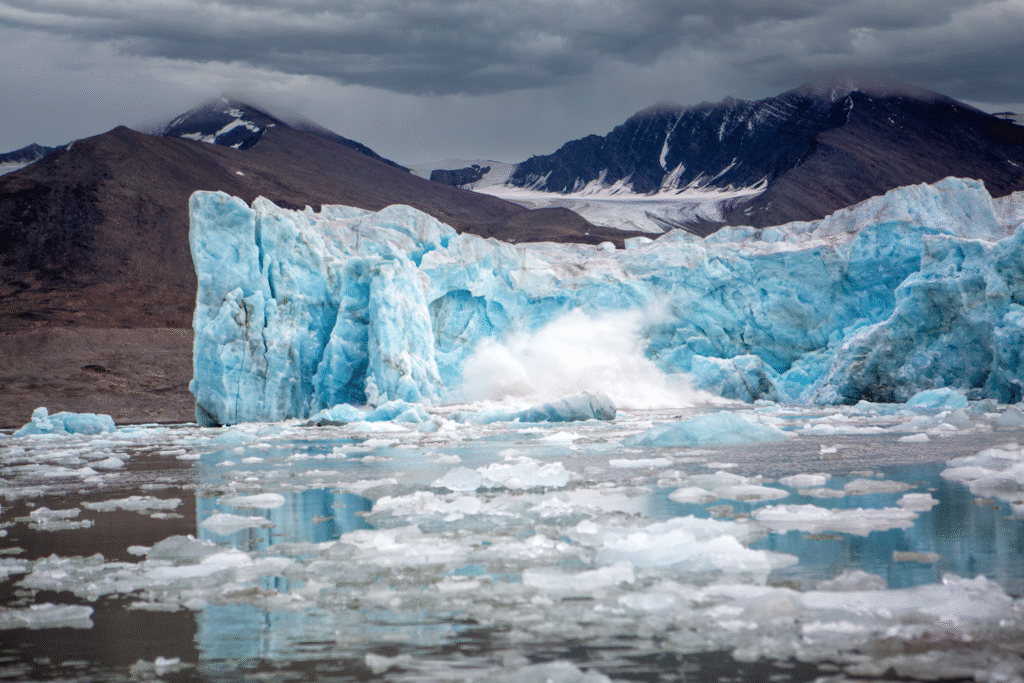
The figure translates to roughly 1 % of the archipelago’s total ice volume, as stated by a 2025 study published in The Cryosphere journal by researchers from the University of Oslo and the Norwegian Polar Institute. For context, that means nearly the same amount of water as 25 million Olympic swimming pools vanished in less than two months. That single event erased years of previous winter accumulation, showing how one extreme summer can offset decades of slow gains, according to The Cryosphere study.
3. Svalbard’s short-term ice loss nearly matched Greenland’s for the same period.
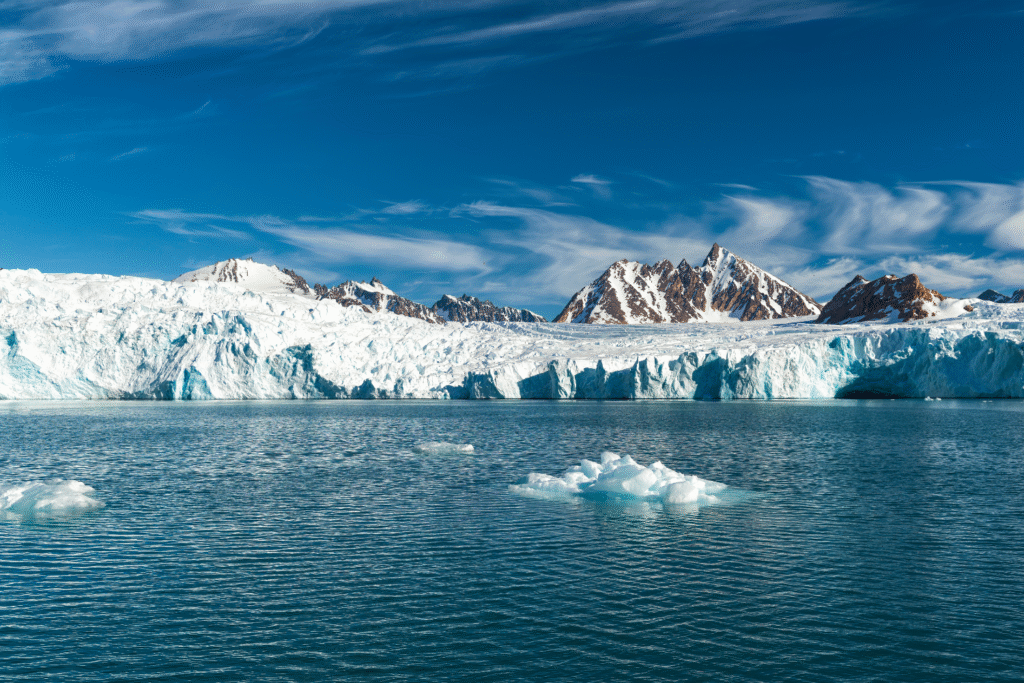
Satellite data analysis by the European Space Agency’s Climate Change Initiative revealed that during that same six-week stretch, Svalbard’s melt rate approached levels normally associated with sections of Greenland’s ice sheet. That comparison surprised researchers, since Greenland’s area is roughly thirty times larger, as reported by ESA Climate Office. The implication is clear: regional warming and atmospheric circulation patterns in the European Arctic have intensified so sharply that smaller ice masses can now rival the losses of giants under the right conditions.
4. Sea-level rise projections must now account for smaller Arctic regions.
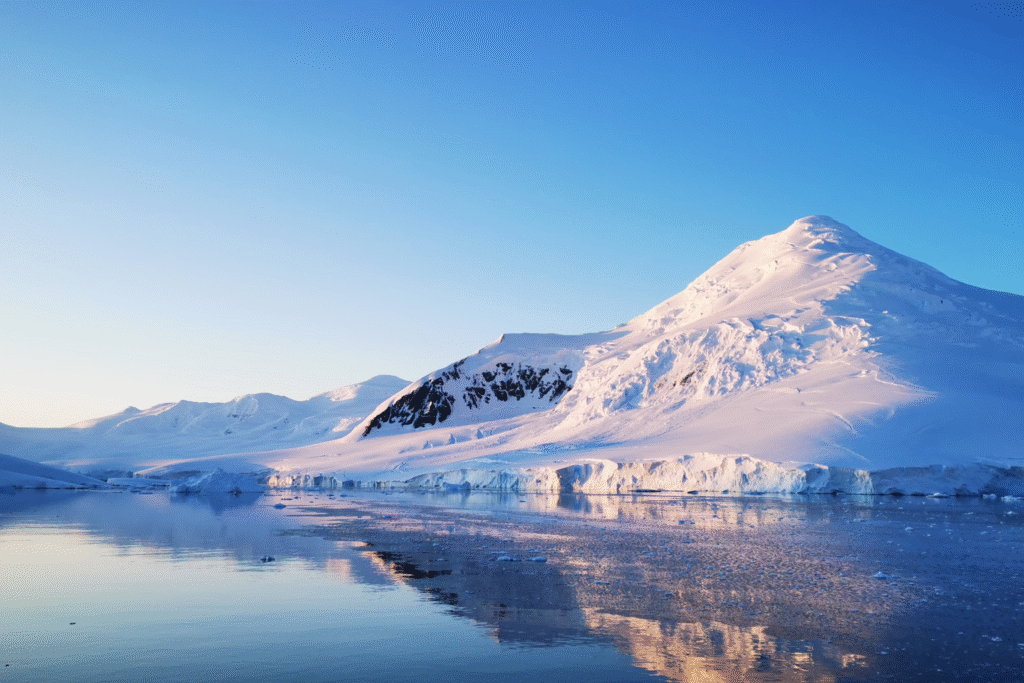
While much attention has focused on Greenland and Antarctica, events like Svalbard’s 2024 melt show that smaller Arctic glaciers can add measurable amounts to sea-level rise. That 61.7 gigaton loss contributed around 0.16 millimeters to global sea levels. On its own, that’s tiny—but multiplied by dozens of regions experiencing similar events, the numbers add up. Scientists stress that it’s no longer only the biggest ice sheets that matter; smaller, faster-reacting systems are now major players in global ocean rise.
5. Ocean temperatures surrounding Svalbard amplified surface melt.
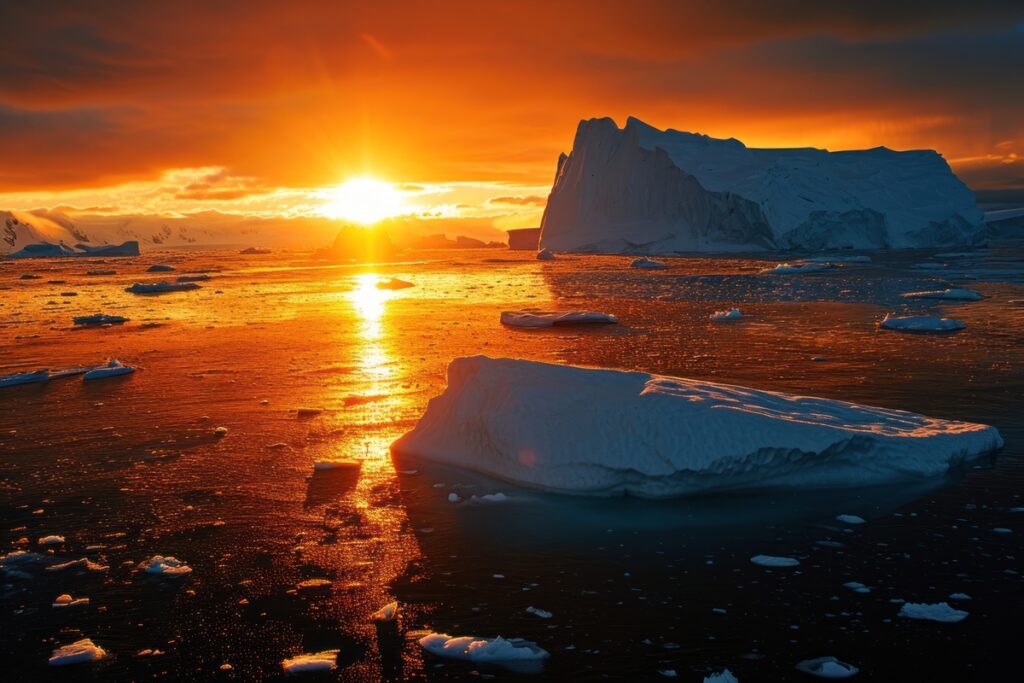
Researchers found that unusually warm Atlantic water continued circulating into the Barents and Fram Seas around the islands, raising temperatures well above historical norms. The warmth eroded glacier fronts from below, increasing calving and thinning. This “double heating”—from above by air and below by sea—explains why Svalbard’s glaciers retreated more sharply than those at comparable latitudes. That coupling between atmosphere and ocean underscores how the Arctic’s local systems are tightly connected and vulnerable to compounded change.
6. Ice loss accelerated most along tidewater glaciers entering fjords.
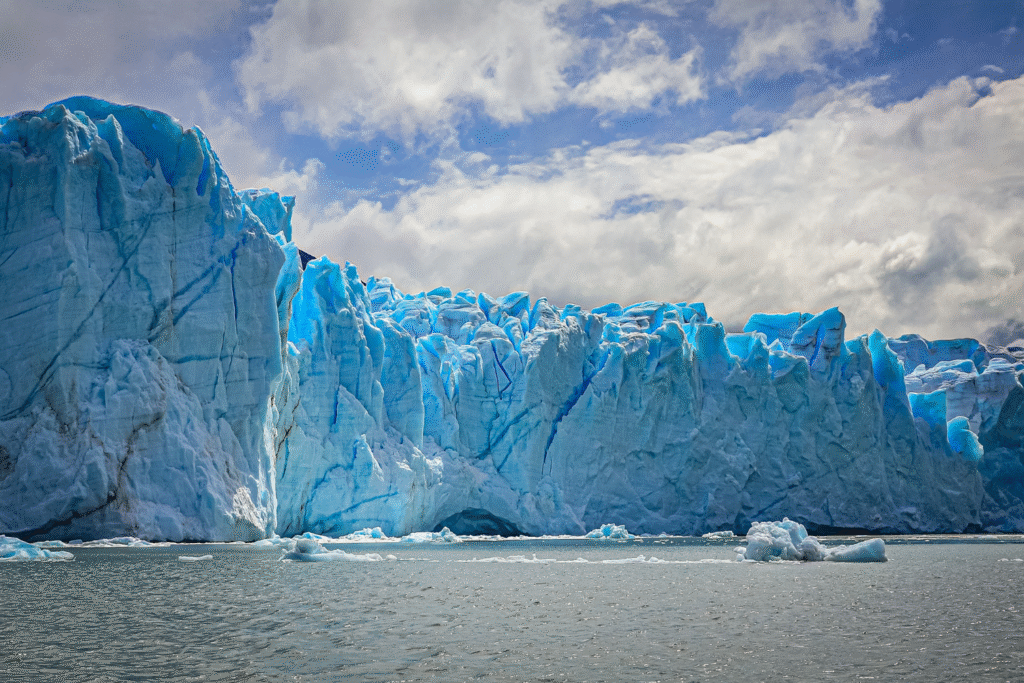
While all regions saw melt, glaciers ending in fjords showed the greatest retreat. Warm seawater and tides gnawed at their bases, while surface meltwater fractured crevasses from above. The result was a mechanical breakdown of ice fronts and massive discharge into the sea. Tidewater glaciers act like valves for inland ice, so once they destabilize, inland ice flows outward faster—a phenomenon now unfolding across Svalbard’s western coast.
7. The event revealed weaknesses in existing Arctic melt models.
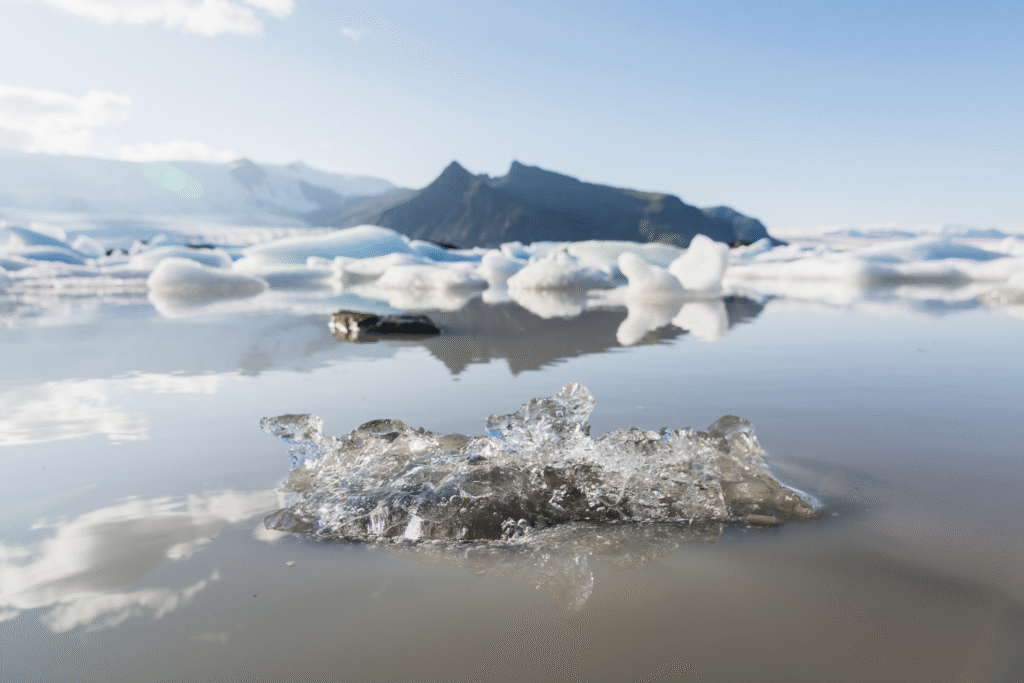
Current climate models underestimated the speed and scale of this melt by nearly 40 %. Researchers now believe that extreme heat waves can push ice systems past short-term thresholds, creating losses not captured in slow-trend simulations. That realization is prompting updates to regional climate forecasts and emphasizing that melt events can no longer be treated as gradual—they can be sudden, nonlinear shocks to the cryosphere.
8. Ecosystems and local infrastructure are already feeling the effects.
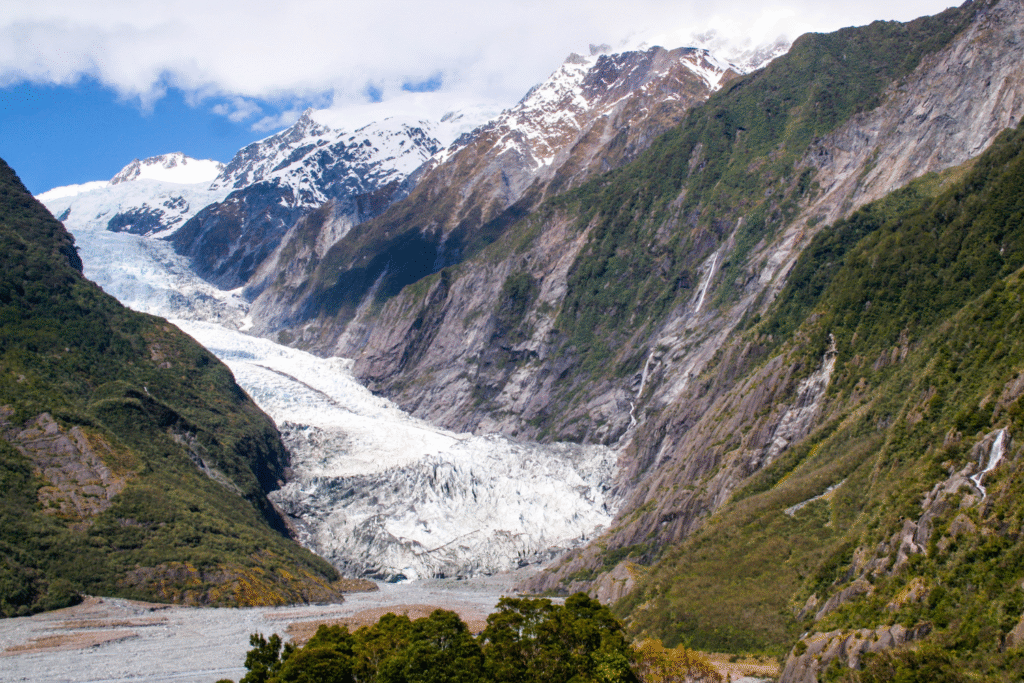
Runoff from the melt raised river discharge levels, increasing sediment in fjords and impacting marine habitats. Meanwhile, thawing permafrost beneath settlements like Longyearbyen destabilized slopes and damaged infrastructure. Local scientists have begun monitoring flood risks and slope stability, noting that glacier retreat now intersects with human safety. What once seemed like distant glaciology is becoming local reality in one of the Arctic’s key inhabited areas.
9. The six-week event could preview Arctic summers of the future.
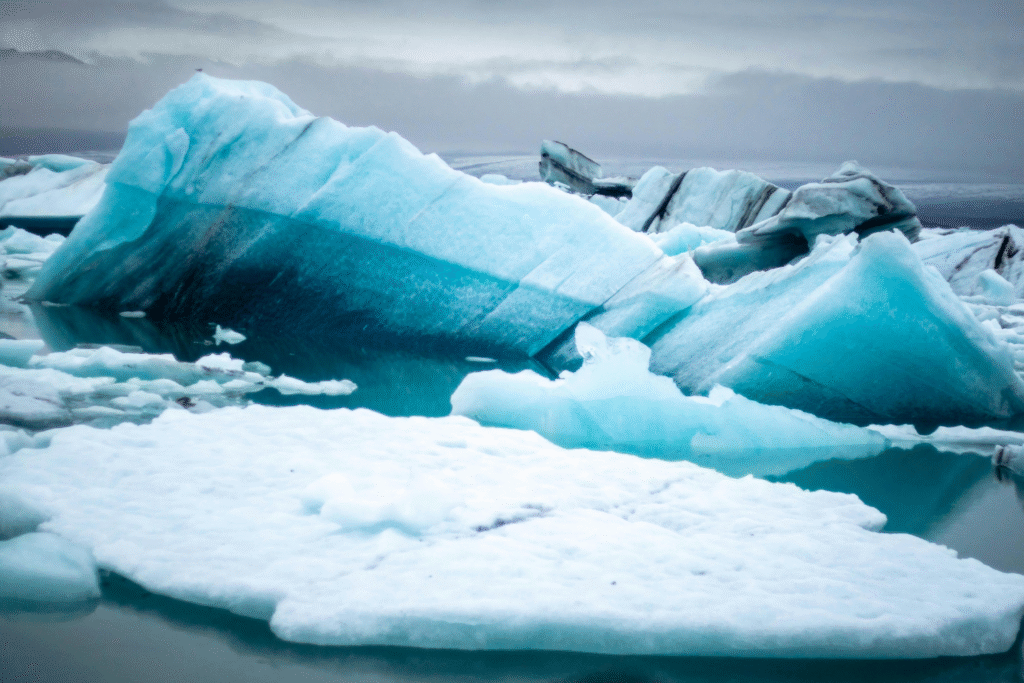
Climate researchers warn that Svalbard’s 2024 melt may be a model for summers to come. With average Arctic temperatures rising nearly four times faster than the global mean, these compressed melt events are expected to increase. If they recur even once a decade, cumulative ice loss could reshape the entire archipelago’s topography within a century, redrawing coastlines and fjords across the region.
10. Scientists now push for denser satellite monitoring across the Arctic.
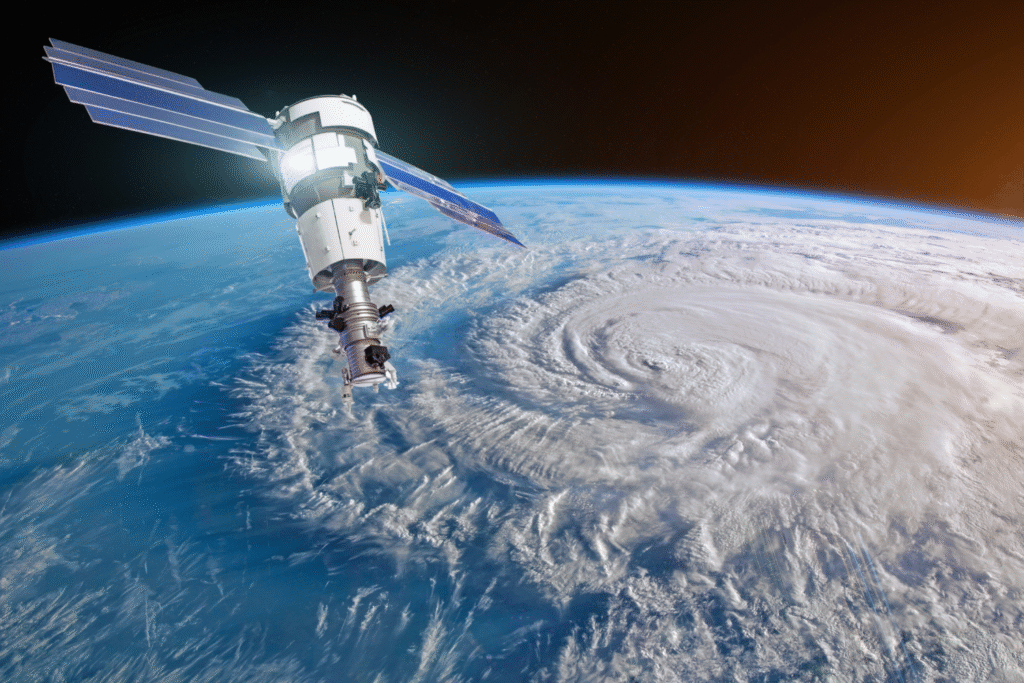
In response to the Svalbard event, agencies such as ESA and NASA plan to expand continuous monitoring networks to catch extreme melt in real time. High-resolution radar and gravimetry satellites can now detect changes in ice mass on a week-to-week basis. Continuous observation will help scientists identify the next rapid melt before it peaks and refine how models anticipate the Arctic’s increasingly volatile behavior.