
Network shutdowns collide with hidden dependencies everywhere.

A quiet countdown is unfolding toward January 1, 2026, when remaining 2G and 3G networks in the United States finally go dark. Millions of devices still rely on these signals without people realizing it. Cars, medical monitors, emergency call boxes, security systems and older cell phones all face sudden loss of service. The transition reveals how deeply early networks are woven into daily life. For many, preparing means turning toward older, simpler and more stable tools before vital functions stop working.
1. Cars lose connectivity that drivers assume still works.

Many vehicles built before 2019 use 2G or 3G modems for emergency assistance, crash notification and remote unlocking. According to the FCC, these systems stop functioning once carriers turn the networks off. Drivers in thousands of models from brands like Honda, Toyota, BMW and Lexus will discover that features they depend on are no longer supported. The shutdown affects older vehicles first, even if the car itself remains perfectly reliable for daily use.
Owners are responding by keeping printed roadside information, restoring standalone GPS units and relying on devices that do not depend on disappearing networks. The shift reflects a larger concern about depending on connectivity that can vanish without warning. People want certainty in systems that matter, especially when traveling.
2. Medical devices become unreliable without stable legacy networks.

Many seniors still use medical alert buttons, fall detectors and remote monitoring systems that run on 2G or 3G. As stated by the FDA, these devices may fail silently after the shutdown, leaving users unaware their emergency signal cannot transmit. The when is January 2026, and the why is the complete withdrawal of network support from major carriers.
Families are urging loved ones to switch to wired or LTE based devices that maintain function regardless of changing technology cycles. The goal is continuity of care and immediate emergency access.
3. Home security systems face widespread outages in older neighborhoods.
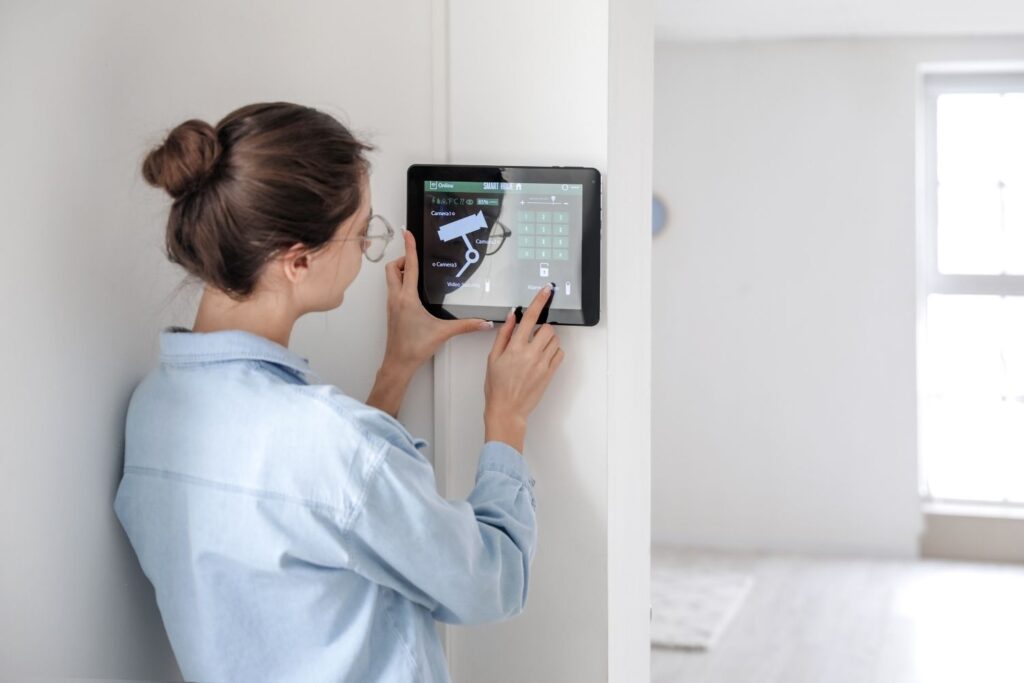
Millions of residential alarm panels installed between 2005 and 2018 use 2G or 3G modules to send alerts to monitoring centers. As reported by Security Industry Association analysts, many of these systems remain active in homes where owners never upgraded communication units. When signals disappear, alarms may appear functional but fail to notify dispatchers.
Homeowners are shifting toward wired landline systems or WiFi and LTE backup units that offer redundancy. The shutdown exposes how invisible infrastructure can undermine safety when left unexamined.
4. Elevator and emergency call boxes depend on retiring networks.

City infrastructure often hides outdated tech. Thousands of call boxes in elevators, parking garages and transit areas still rely on 3G to route emergency calls. Once the network shuts down, these boxes may stop connecting to operators. The when is the end of 3G availability. The why lies in slow municipal upgrades.
Facility managers are preparing by installing copper line phones or digital systems with LTE radios. People want assurance that help can still be reached in vulnerable situations.
5. Rural communities lose lifeline coverage that supported daily needs.
Remote regions have long depended on 2G and 3G because they require fewer towers and cover wider distances. As carriers retire them, many older phones and farm equipment systems will lose their only connection method. The why is tied to spectrum reallocation. The when is the nationwide cutoff.
Residents are storing backup radios and using devices that function without broadband. These communities understand the importance of communication that survives infrastructure gaps, especially during storms and emergencies.
6. Older home appliances cannot update or connect after the shutdown.
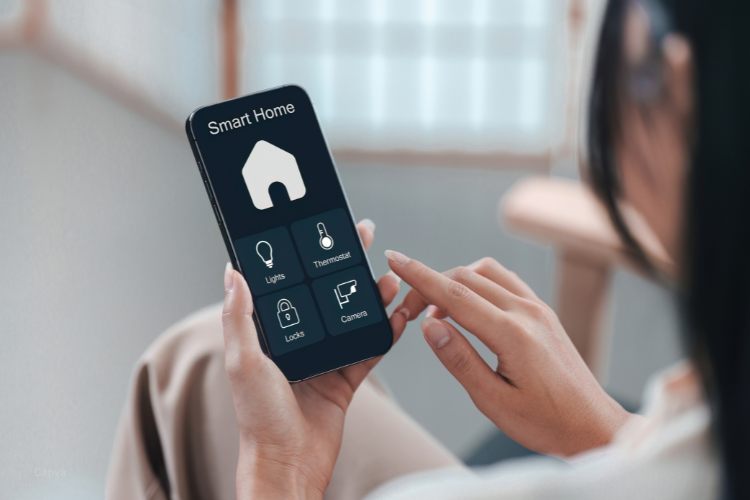
Early smart refrigerators, thermostats and washing machines used 2G or 3G for remote diagnostics or app controls. Once networks disappear, those features stop working. The appliance still operates, but support functions vanish. The when aligns with the 2026 cutoff. The why is the removal of cellular pathways companies no longer support.
Consumers are responding by choosing non connected models or appliances designed for local control. They prefer tools that operate fully in the home rather than depend on vulnerable cloud links.
7. Rental cars lose remote unlock and tracking features.

Large rental fleets still include vehicles equipped with 3G based telematics. When shutoff arrives, companies may lose the ability to locate cars, unlock doors remotely or send updates to customers. The when is the moment carriers deactivate towers. The why is the end of legacy compatibility.
Many rental agencies are integrating manual check in tools and physical keys again to avoid service interruptions. Old systems create reliability that does not collapse with changing connectivity standards.
8. Public transit systems must adjust to failing older modules.

Bus trackers, digital signage and automated alerts in many transit agencies still run on 3G hardware installed more than a decade ago. Once the network disappears, arrival times and safety alerts may lag or fail. The why stems from aging infrastructure. The when is tied to forced modernization.
Agencies are preparing by installing simple analog signage and printed schedules as backups. Riders appreciate tools that remain consistent even when digital systems break or stall.
9. Industrial and agricultural machines lose remote diagnostics.

Heavy equipment, farm tractors and irrigation controllers often rely on older cellular modules for monitoring. The shutdown prevents data from reaching operators. The when is the network’s final cutoff. The why lies in slow adoption of new hardware in long lived machinery.
Workers are transitioning to local control units and on site monitoring. These systems remain dependable without relying on costly upgrades or patchy signals, restoring autonomy to essential operations.
10. People want technology that stays functional during major transitions.

The shutdown highlights a broader truth. Tools tied to remote servers or fragile networks can fail without warning. The when is now, as infrastructure ages. The why is weariness with dependence on systems beyond personal control.
People are keeping offline phones, wired headphones, physical maps and standalone devices because these old tools work regardless of technological shifts. Simpler tech provides clarity, privacy and reliability in a year defined by disappearing networks.